
Balcony Miracle is a dwarf tomato that, with the right seeds, can be grown indoors on a windowsill. The plant takes up little space, produces abundant fruit, is easy to care for, and thrives in flowerpots. Its distinguishing features include the ability to freeze the fruit for the winter, juicy flesh, and pleasant flavor.
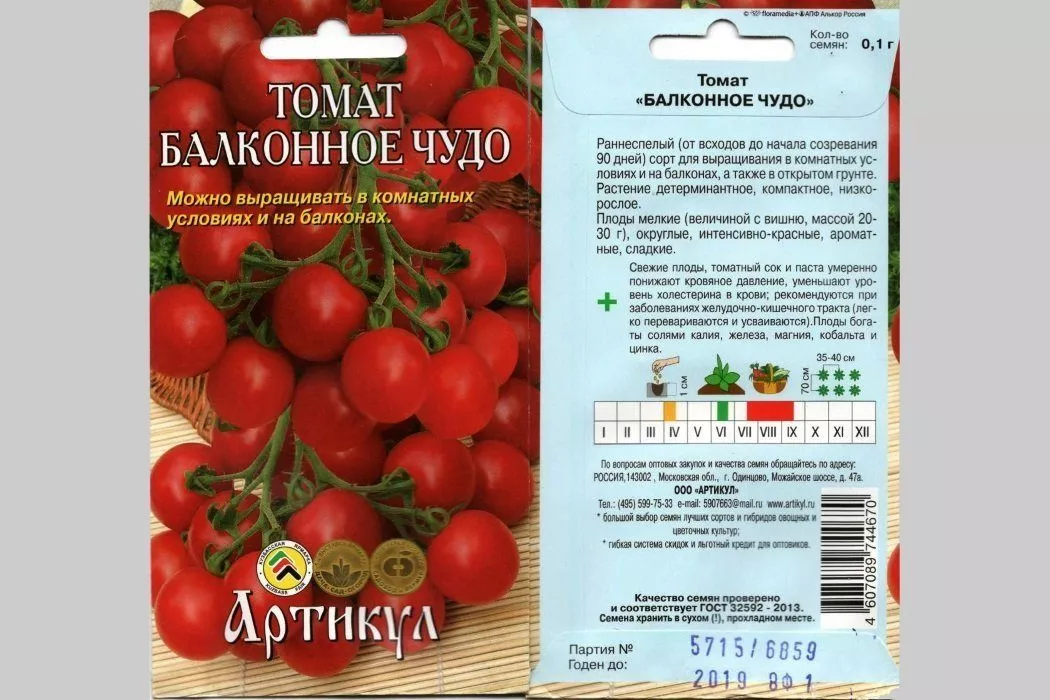
Balcony Miracle tomato seeds
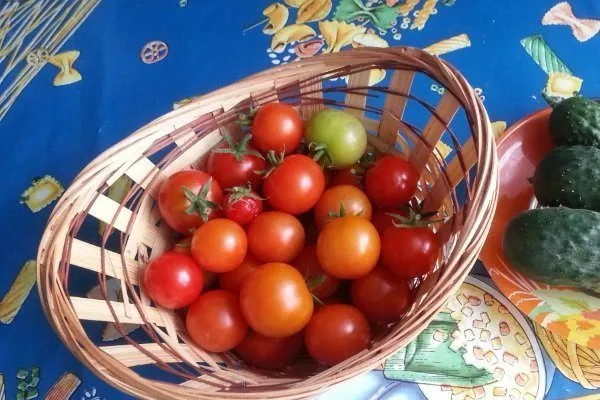
Balcony Miracle tomatoes have a sweet and sour taste.
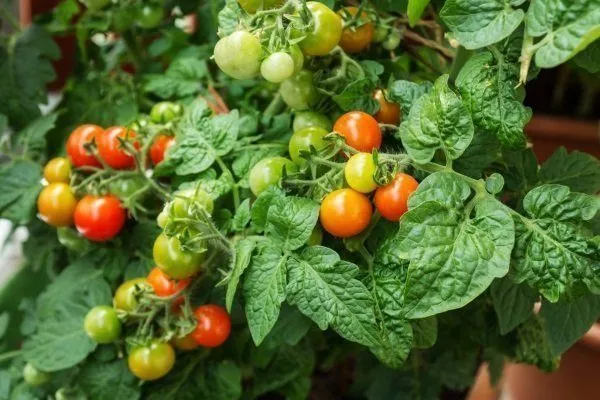
Balcony Miracle tomato bush with bunches of tomatoes
History of the variety's appearance
This dwarf tomato, originally from Germany, is recommended for growing outdoors or in greenhouses. The variety was developed through extensive selection and was officially added to the State Register in 1997. These tomatoes are suitable for garden plots, homesteads, and apartment plantings.
Description and characteristics of the variety
This is a small bush with clusters of small, deep-red tomatoes, reaching a height of 40 cm. A single plant can yield up to 2 kg of ripe fruit. There have been cases where the bush has reached 50-60 cm in height, with a yield of 3 kg.
The tomato plant has a single, sturdy stem and ribbed, dark green leaves. The plant itself is compact, doesn't take up much space on the balcony, and produces fruit twice a season, even in low light and close proximity. Small flowers form clusters of several.
Fruit
Balcony Miracle tomatoes grow in small clusters of 5-8. The fruits are small, round, and dark red, weighing 15 to 40 grams. They have no ribbing or distinctive flavor. They have a sweet and sour taste, firm flesh, and smooth skin.
Scope of application
Fresh tomatoes are used to make sauces and salads. They can also be canned or processed, if desired. Pickling and marinating do not affect the appearance or flavor of the tomatoes. They remain whole, firm, and juicy.
Balcony Miracle tomatoes are not suitable for retail sale, as they don't produce a bountiful harvest when grown on a balcony. These small, bright red tomatoes are more often grown for personal consumption.
Productivity and fruiting
It takes 90-100 days from planting to the first harvest (this is a mid-season variety). The yield is high, but the fruits are small, reaching 1.5-2 cm in diameter. A single bush can yield up to 2 kg of tomatoes, but this requires proper cultivation and care.
Resistance to diseases and pests
Balcony Miracle tomatoes are resistant to late blight, and the risk of fungal diseases is minimal. Spider mites pose a threat to the plant, causing a velvety coating on the leaves and stems.
You can combat pests with home remedies, such as spraying with onion or garlic infusions or a milk-soap mixture. In severe cases, it's best to immediately purchase fungicidal products from a pharmacy and spray the vegetative system.
Advantages and disadvantages of the variety
These decorative tomatoes on the windowsill are eye-catching. They fit harmoniously into a collection of houseplants and produce a good harvest.
List of advantages of the Balcony Miracle variety:
- early ripening;
- decorativeness, compactness of bushes;
- rapid fruit setting;
- no need for pinching, gartering, or bush shaping;
- pleasant taste, attractive appearance of fruits;
- ease of care;
- strong immunity;
- possibility of obtaining 2 harvests;
- versatility of fruits;
- growing in greenhouses and open ground.
This tomato has received positive reviews from vegetable growers and consumers, but the Balcony Miracle variety does have one drawback: low yield.
Growing Balcony Miracle Tomatoes
To ensure tomatoes ripen in the spring, sow seeds in December or January. You can choose a wooden box or large pots right away, as the grown seedlings don't need to be replanted. Many vegetable growers use cut-off 5-7 liter bottles as containers.
- ✓ Optimum temperature for seed germination: 22-25°C.
- ✓ Required air humidity for seedlings: 65-70%.
To grow tomatoes at home, follow these conditions:
- Choose a large pot for the plant.
- Prepare fertile soil that is superior to garden soil.
- Provide the plant with access to light.
- Follow the feeding regime.
If all requirements are met, the first harvest can be obtained within 3 months.
Seed preparation
Buy seeds from trusted producers—the variety's fruiting depends on this. Before planting, inspect each seed; treat intact seeds with a pale pink solution of potassium permanganate or Fitosporin.
Alternatively, wrap the seeds in damp cheesecloth to germinate, then plant them in the ground. This step is optional, as Balcony Miracle tomatoes grow well from dry seeds; the main thing is to follow the care and planting instructions.
Planting seeds for seedlings
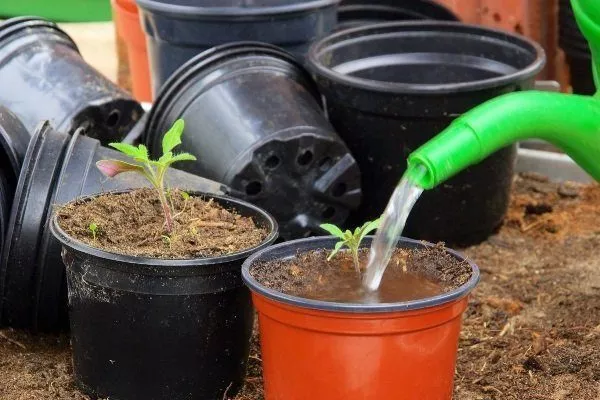
If the seeds are ready for planting, prepare the soil. Three to four days in advance, distribute the soil into cups or other containers and fill with warm water. planting seeds in this order:
- Make a hole in the pot for drainage, fill it with loose and nutritious soil, mulch.
- In a large container for future tomato seedlings, make small indentations (up to 2 cm) at a distance from each other.
- Place several seeds in each hole to a depth of 1-1.5 cm and cover with fresh soil.
- Cover the pots (containers) with polyethylene and put them in a dark, warm place for several days.
- When the first sprouts appear (after about 3 days), remove the film and move the seedlings to a well-lit place.
- Water the plant regularly with warm water to help the root system strengthen and grow faster.
Caring for seedlings
Follow these recommendations for caring for seedlings:
- Tomatoes need light. The area where the seedlings are located should be well-lit. If natural light sources are not available, use lamps for illuminating seedlingsIn poor lighting, fruits ripen poorly and yields decrease.
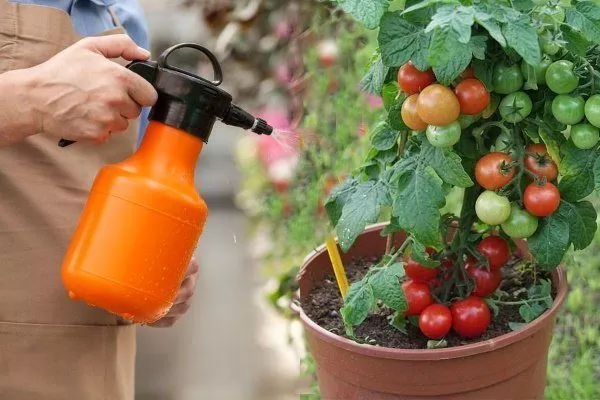
- Regular watering. Mist the seedlings with a spray bottle morning and evening. Maintain humidity at 65-70%. The plant does not tolerate drafts, so avoid them in the room where the seedlings are located.
- Temperature conditions. Seedlings grow best in warm conditions. Maintain a room temperature of 19-20 degrees Celsius, avoiding sudden changes. Store seedlings at night at 16 degrees Celsius.
Selecting soil
Seed growth depends on the quality of the soil. Buy a tomato nutrient mixture from a specialty store or prepare it yourself. If you make your own, mix equal parts peat, humus, and turf soil. Add 500 ml of ash and two matchboxes of superphosphate to one bucket of the resulting mixture.
The optimal soil for planting seeds is black soil with humus in equal proportions. Add superphosphates to the substrate. urea or ammonium nitrate, ash or potassium supplements for greater fruiting.
Transplanting seedlings
If tomatoes are planted in a large container or individual pots, there's no need to replant them. Even in close proximity, the seedlings thrive and produce fruit on time indoors.
When 3-5 leaves appear, the plant can be repotted into open ground or a different pot, depending on its future use. Water the soil thoroughly beforehand to ensure it releases easily from the sides of the container.
Place the plant itself in the center of the pot, adding a little fertile soil around the sides to anchor it. The same steps are required when planting Balcony Miracle tomatoes in open ground, with a distance of 25-30 cm between adjacent plants. Water the seedlings immediately.
Peculiarities of growing at home
Tomatoes produce well in pots on a windowsill, but proper care is key. Basic rules for vegetable growers:
- Choose pots with a capacity of 3 liters.
- Add drainage to a height of 5 cm at the bottom to allow the soil to breathe.
- Fill the pot with nutritious soil and loosen it.
- Plant seeds or seedlings, water.
- From now on, water the plant once a week.
Caring for tomatoes
The plants are easy to care for, but for a bountiful harvest, it's best to take care of them in a timely manner. They require warmth, light, fertilizer, and regular loosening of the soil.
Valuable advice from experienced vegetable growers:
- Maintain the air temperature at 22 degrees during the day and 16 degrees at night.
- Ventilate the plant by shaking its leaves periodically.
- Water the bushes regularly to prevent a crust from forming at the base, which would restrict oxygen access to the root system.
- Use mineral fertilizers and top dressing if desired.
- At the first symptoms of disease, begin treatment promptly.
Watering and fertilizing
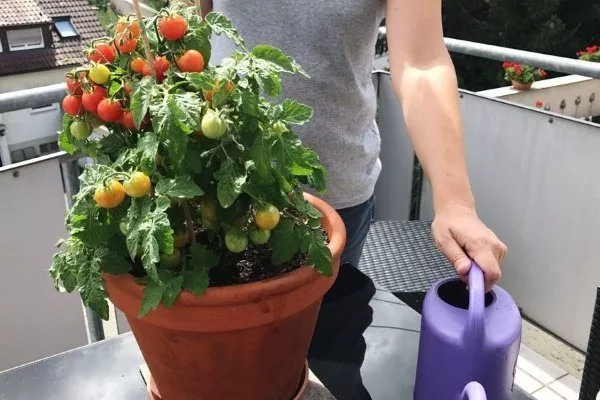
After planting in open ground or a permanent pot, water the plants once a week. Regularly check the soil to ensure it doesn't crust over. Make a hole in the bottom of the container and place a tray underneath to catch any excess water.
- Apply phosphate fertilizers 2 weeks after planting.
- A month after the first feeding, add organic fertilizers.
- During ovary formation, use potassium supplements.
Apply phosphate fertilizer every 15-20 days during the growing season. Feed the plants with organic fertilizer every two weeks. Nutrients are especially important during fruit set.
Pollination
When planted outdoors, plants are pollinated by insects and wind. This isn't possible indoors, so it's important to create an air flow, such as shaking the leaves or directing them toward a fan.
At temperatures below 13 degrees Celsius, pollen quality declines, and at temperatures above 30 degrees Celsius, these grains lose their viability. Therefore, it is not recommended to exceed the plant's temperature.
If desired, pollinate tomatoes manually using specialized products, a soft brush, or cotton pads. The optimal time for artificial pollination is 9-10 a.m., as pollen ripens at night.
Bush formation
The plant is low-growing, so there's no need to support it. To prevent the tomato's full strength from being lost to the green part of the bush, remove side shoots and pinch off the tops when the plant reaches more than 50 cm. Ideally, side shoots aren't necessary, and the plant shouldn't exceed 40 cm in height. Otherwise, the quality of the seeds may be compromised.
Fruiting and harvesting
This tomato variety is mid-season; the first fruits can be enjoyed in the spring (if planted in winter). Two harvests can be harvested in a single season. Fruiting is moderate, with each bush yielding no more than 2 kg.
If a plant requires nitrogen fertilizer, it is best to exclude this compound from the fertilizer during fruiting, otherwise the yield will decrease and the fruits will become small and tasteless.
Pest and disease control
Like other plants, Balcony Miracle tomatoes are susceptible to fungal infections, which cause irregular spots to appear on the leaves and stems. While rare, these cases do occur in vegetable gardening. To prevent the disease from spreading to healthy plants, use specialized treatments according to the instructions.
Potential pests and control methods:
- Powdery mildewThe infection first spreads to the lower leaves. A white coating appears, clearly visible against the green background, and gradually makes its way to the top of the plant.
- BlacklegThe disease develops when the soil is overwatered, causing the root system to rot. Infected plants are dug up, and neighboring plants are liberally treated with fungicides as a preventative measure.
- WhiteflySmall, white, sucking insects appear on tomato leaves, quickly depleting the leaf structure. Without timely treatment with specialized pest control products, they cannot be eliminated.
- Plant aphidThis harmful insect sucks the sap of young plants. At first, the leaves curl into tubes, then turn yellow and dry out. Treatment involves using a soap solution or the product Commander.
We present to you a video in which an experienced gardener will teach you the tricks of growing the Balcony Miracle tomato:
Reviews of Balcony Miracle tomatoes
Balcony Miracle tomatoes are like a garden on your windowsill. With proper watering, fertilizing, and soil loosening, you can reap a small harvest and enjoy fresh vegetables.