
The Tlacolula de Matamoros tomato is popular not only due to its interesting and unusual name, but also due to its many positive characteristics. The fruit has a unique shape, amazing flavor, and requires little care, making it easy to grow, even for inexperienced gardeners.
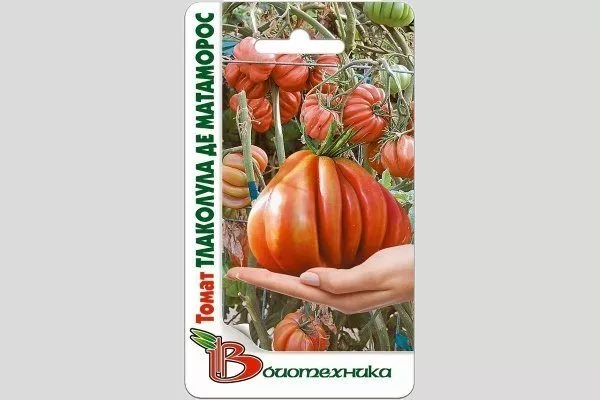
Tlacolula de Matamoros seeds
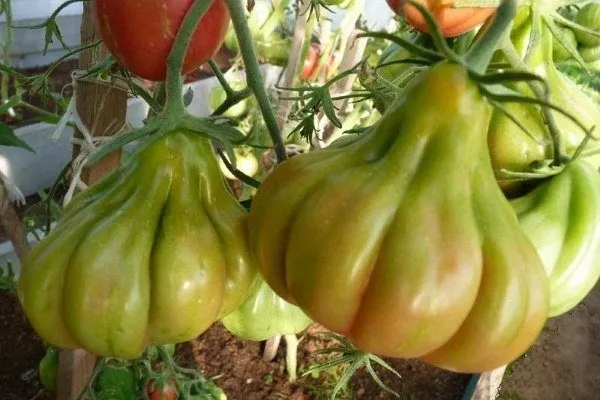
Tlacolula de Matamoros is a very unpretentious variety, so even a novice gardener can grow it.
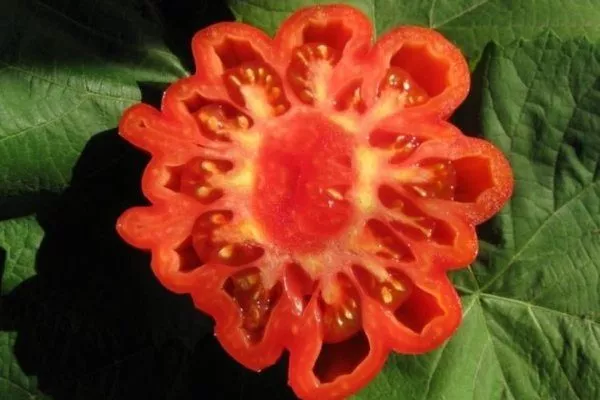
Tlacolula de Matamoros will delight housewives not only with its taste, but will also decorate any table
Description of an unusual variety
The Tlacolula de Matamoros tomato originated in Mexico. This variety is considered a high-yielding, tall-growing variety. Its main characteristic is its ribbed, interesting shape, reminiscent of a pear—the bottom of the fruit is wide, the top is narrow. The top is yellow, and the bottom is red.
This interesting name was given thanks to the picturesque Mexican city of Tlacolula de Matamoros, as it was there that the first seeds appeared and gradually spread to different countries.
The bush is quite tall, reaching a height of around 2 meters. It grows and develops rapidly, producing long clusters (4-8 clusters per plant), which then produce ripening fruits. Fully ripened tomatoes can be harvested approximately 95-110 days after sowing.
Characteristics and yield
The main distinguishing feature of this variety is the ribbed texture of the tomatoes, which resemble a peeled tangerine. The color of the tomatoes can vary depending on the specific variety—white, yellow, pink, or red.
- ✓ The ribbed texture of the fruit, reminiscent of a peeled tangerine, is a unique characteristic of the variety.
- ✓ The presence of two-tone fruit coloring (yellow top and red bottom) is also characteristic only of this variety.
A single fruit weighs approximately 110-320 g. 100-110 days after sowing, the tomatoes are fully ripe and ready for harvesting. To ensure a large harvest, it is recommended to train two stems.
The bushes are literally covered with fruit, with 4-8 tomatoes ripening on a single cluster. This variety is also distinguished by its excellent taste – the fruits have a distinct tomato flavor and light sweet notes. They can be used both on their own for fresh salads and for winter preserves.
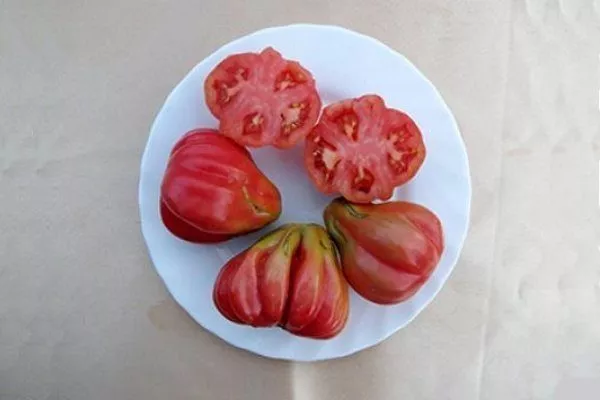
Varieties of Tlacolula
| Name | Fruit color | Fruit shape | Taste |
|---|---|---|---|
| Pink | Pink | Round/pear-shaped | Sweet |
| Yellow | Bright yellow | Ribbed | Gentle |
| White | White | Ribbed | Fruit |
There are several different types of the described tomato variety:
- Pink. The name comes from the unusual color of the tomato. The tomatoes are round, but pear-shaped fruits can also be found. The taste is pleasant, slightly sweet, due to the high sugar content. This variety is recommended for people with allergies to red foods.
- Yellow. A distinctive feature is the bright yellow color and ribbed shape of the fruit. The flesh is juicy and incredibly tender, resembling a chrysanthemum when cut.
- White. A rather rare variety, almost never found in Russia, as it requires special and meticulous care. The flesh is juicy and quite dense, with a flavor more reminiscent of a fruit than a vegetable.
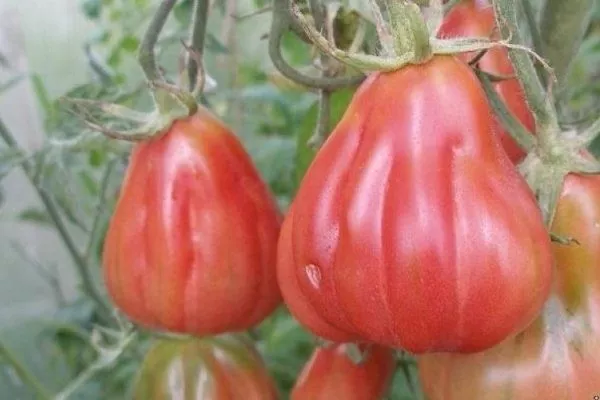
Tlacolula de makatoros Pink (Pink)
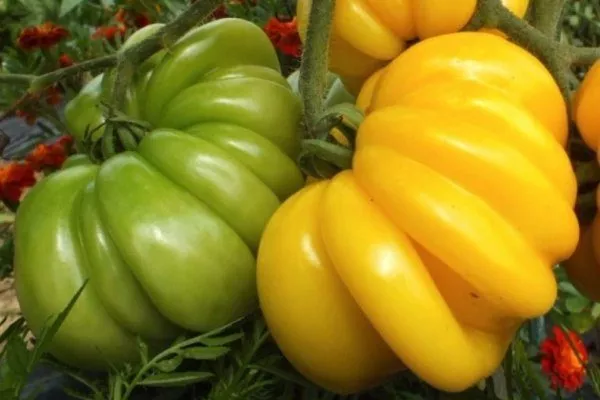
Tlacolula de makatoros Yellow
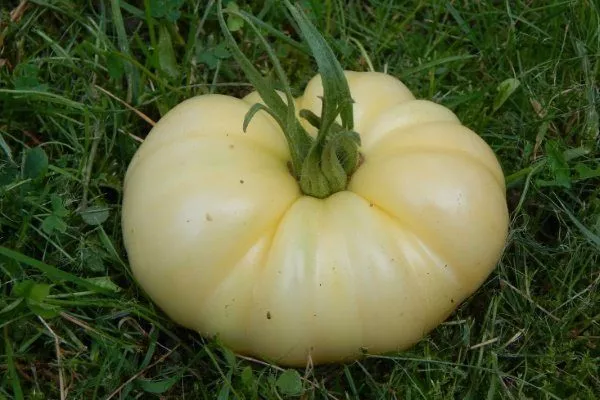
Tlacolula de Macatoros White
Collectible tomato varieties are finicky and require special care. To obtain a rich and high-quality harvest, the plants require special conditions.
Choosing the right seedlings
It is recommended to plant this variety in a greenhouse, rarely in open ground. For planting, purchase seedlings in advance, but not earlier than the end of May.
When purchasing seedlings, pay attention to the following nuances:
- The roots are strong, there are no signs of rot or dryness.
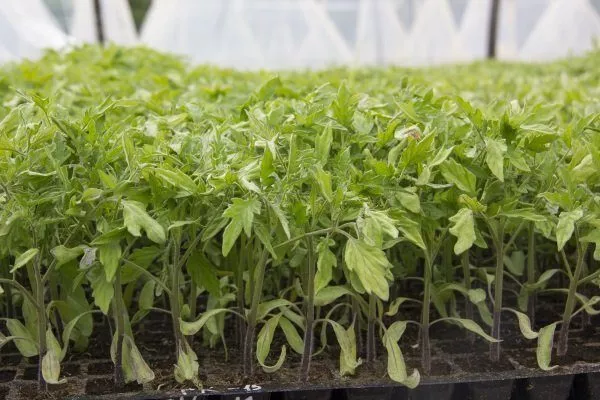
- The stem is quite dense and strong, uniform in color, and free of spots. Ideally, the stem should be no thicker than a pencil.
- The height of the plant should not exceed 30 cm.
- There are 10-14 leaves on the sprout.
- The foliage has a characteristic tomato aroma, the color is green and rich, without any foreign spots.
- Inspect the seedlings – there should be no pests (pay special attention to the underside of the leaves).
- If the leaves curl or have an unnatural, intense color, it means that mineral fertilizers were added too heavily during cultivation. Avoid purchasing such plants.
- The seedlings should be approximately 48-58 days old.
Soil and fertilizers
Tomatoes are easy to care for, but they won't grow in unsuitable soil. Overly wet soil with a lack of organic fertilizer is definitely not suitable.
- ✓ Soil pH should be between 6.0-6.8 for optimal nutrient absorption.
- ✓ The soil should contain at least 3% organic matter to ensure good structure and water holding capacity.
The ideal soil for this species is loose, nutrient-rich soil. Choose warm, slightly acidic, and adequately moist soil. Avoid planting in shade, as this will cause poor growth and a poor harvest.
Tomatoes thrive in soils where beans, zucchini, cucumbers, onions and cabbage were grown last season.
Immediately before planting, prepare the soil:
- add the required amount of humus with mineral fertilizers;
- moisten the soil;
- loosen the soil;
- clear the area of weeds.
Provided the soil is properly prepared, plants will develop and grow much better, forming a strong and healthy root system.
Growing conditions
This variety is a heat-loving plant, so optimal temperature conditions and adequate lighting are essential during cultivation. If the plant receives the required amount of light for 13-15 hours, two stems will form. If this advice is ignored, only one stem will form.
You can read about which lamps are best to use for illuminating seedlings on on our website.
Other important conditions:
- On one plant, leave 4-5 brushes, pinch off the upper part, two leaves should remain above the upper brush.
- Regarding temperature, constantly monitor it, as neither too much nor too little should be allowed. If it's too hot, the plant will quickly wilt, the leaves will turn yellow, and the leaves will fall off. The ideal temperature is considered to be between 20-24 degrees Celsius.
- It's also important to ensure the required moisture level. Remember, the plant also reacts sharply to overwatering. Water after the top layer of soil has dried thoroughly. Seedlings require ample moisture immediately after transplanting. To prevent excessive moisture evaporation, cover the soil with a layer of dry straw or mulch with peat. Read more about soil mulching. here.
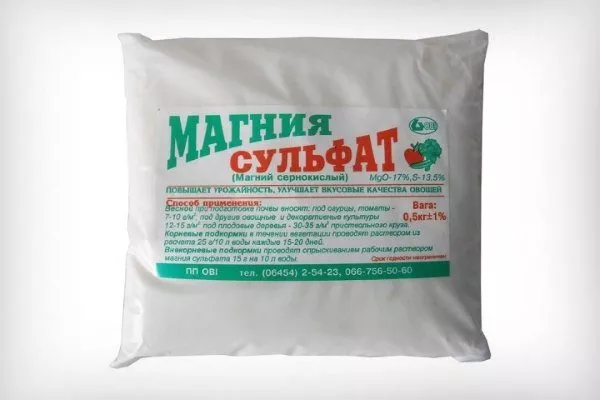
- Apply mineral fertilizers every 10-14 days. Keep in mind that 10 liters of the prepared solution is required per square meter. Once fruit formation and growth begin, apply magnesium sulfate as a supplement.
Advantages and disadvantages
The main advantages of the described tomato variety over others are:
- interesting and unusual appearance;
- early maturity;
- low maintenance;
- bright and rich taste;
- long-term storage possibility;
- diversity of species.
There are also several disadvantages, which include:
- susceptibility to various diseases;
- The fruits are easily damaged and therefore not suitable for long-distance transport.
Growing seedlings from seeds at home
If you can't purchase high-quality seedlings or have doubts about the correct variety, you can plant them yourself. Purchase seeds of your desired variety and grow strong, healthy seedlings.
Seed preparation
The tomato variety described is a collectible, so it is best to purchase seeds in specialized stores to be sure that they belong to the desired species.
To grow strong seedlings, follow these tips to seed germination:
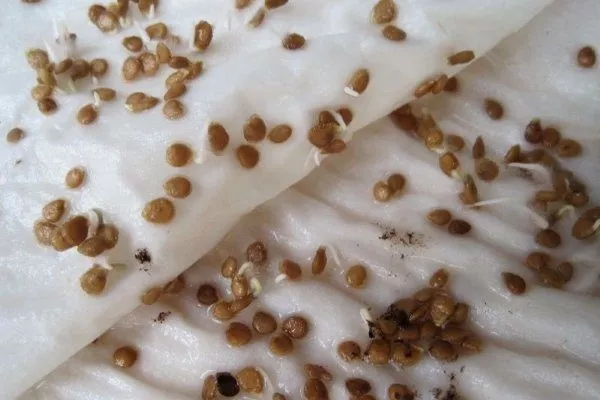
- check the seed material for germination - fill it with water;
- Use the seeds that have sunk down for planting, throw away the rest;
- Before planting, pour a weak solution of potassium permanganate over the seeds and leave for 25 minutes;
- perform “hardening” – place the grains in the cold for several days, then leave them in the open air;
- Before planting, treat with growth stimulants.
Contents and locations
For growing seedlings, choose pots that aren't too large; disposable plastic cups are also ideal. From such containers, seedlings can be easily transplanted to their permanent location. You can also use special containers, but they shouldn't be too deep.
The process of planting seeds
After seed treatment, prepare the soil. It's best to use well-moistened and loose soil. To prevent the development of harmful fungi and seedling death, disinfect the soil before sowing.
If you skip disinfection, there is a risk of rapid development of pathogenic organisms that suppress weak shoots.
Procedure planting seeds for seedlings into the boxes is carried out according to the following scheme:
- fill the container with disinfected and moistened soil;
- make not too deep grooves (about 1.5 cm);
- Place seeds approximately 4 cm apart;
- sprinkle some soil on top and moisten;
- cover the top with glass or a layer of plastic film, which will create a favorable microclimate;
- make sure that the humidity is constantly around 90%;
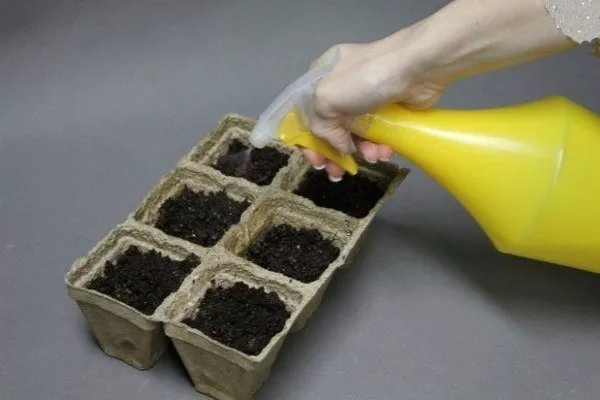
- Check every day whether the soil is sufficiently moistened, and if necessary, spray additionally from a spray bottle.
Lighting Features
This plant loves light, so if grown in a greenhouse, be sure to provide adequate lighting. When this requirement is met, the plant will form two full, strong stems.
If the plant is experiencing insufficient light, only one stem will remain. Once the plant is fully developed, pinch off the top of the main stem. Two leaves should remain above the top inflorescence.
Temperature conditions
To ensure a bountiful harvest, constantly monitor the temperature. Remember, high temperatures will cause flowers to fall off, and therefore, fruiting will not occur.
Caring for seedlings
When the first shoots appear, carefully remove the film, as they require adequate light. Follow these seedling care guidelines:
- water moderately, watch how the soil dries out;
- Do not water too much, as excess moisture negatively affects the process of root system formation, and may result in its rotting;
- 21 days after the first shoots appear, perform a pick – transplant the plants into separate containers, but do not plant them deeper than the cotyledon leaves;
- It is still too early to expose the seedlings to the sun, as the young shoots may get burned;
- 14 days after the picking, do the following top dressing (with diluted bird droppings or special means);
- A couple of weeks before the expected planting, harden off the seedlings by taking them outside every day and leaving them there for a couple of hours;
- 24 hours before planting, leave the plants outside for a full day.
Transplanting seedlings into a greenhouse
55-58 days after planting the seeds, the seedlings can be transferred to the greenhouse. It's best to do this early in the morning or evening. Remember to leave some space between plants.
Plant the seedlings at a sufficient depth, and add wood ash (50 g) mixed with soil to the bottom of the planting hole. Add equal parts of turf and compost to the soil.
Deadlines
The ideal time to transplant seedlings to a new location is warm, stable weather, after all risk of frost has passed. If transplanting to a greenhouse, timing isn't particularly critical, as long as the seedlings are at least 55 days old.
Early to mid-May is ideal for transplanting grown and strengthened seedlings into open ground. However, the exact timing depends on your climate.
Transfer rules
When planting, please follow these guidelines:
- in a greenhouse the soil layer should be no more than 20 cm;
- the distance between seedlings should be about 50 cm;
- add humus, turf soil, and river sand to the soil in equal quantities;
- Prepare the holes and add wood ash (about 50 g) to each one, then mix thoroughly with the soil;
- replant plants closer to the evening, thanks to which they will adapt to the new location more easily and quickly;
- If the seedlings have grown too much, place them in holes at a slight angle, carefully covering the stems with soil;
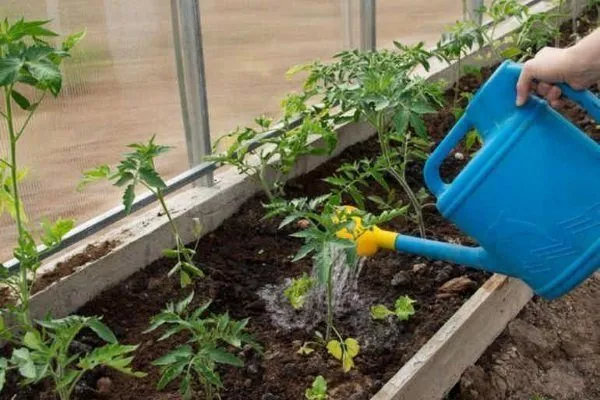
- After planting, water the bushes well;
- After 14 days, spray the plants with a 1% solution of Bordeaux mixture - this is an effective preventative measure against the development of various diseases.
Agricultural technology for growing tomato seeds in open ground
With timely and regular tomato care, even an inexperienced gardener can reap a bountiful harvest. When grown outdoors, the plants will produce a bountiful harvest of juicy and flavorful tomatoes.
Growing conditions in open ground
The yield of this variety is directly affected by the soil and location where the plants are grown. Regular care, including watering, fertilizing, loosening the soil, and shaping the bushes, is essential.
When growing tomatoes outdoors, follow a few simple rules:
- The timing of planting seedlings varies, depending on whether tomatoes will be grown in a greenhouse or in open ground;
- Tomatoes are light-loving crops, so choose areas that receive sufficient sunlight;
- drafts, wind and exposure to direct sunlight are contraindicated;
- Plant seedlings at a slight elevation to avoid the problem of water stagnation;
- In the fall, prepare the soil – remove all weeds, apply fertilizer;
- Pay attention to the soil acidity levels, as too high a concentration will negatively affect the rate of plant growth;
- It is strictly forbidden to plant seedlings in areas where fresh manure is present.
More information about growing tomatoes in open ground is available Here.
Transplanting seedlings into open ground
Transplant on a cool day, preferably in the evening. This variety is ideal for warm climates.
The seedlings are transplanted according to the following scheme:
- form holes no more than 20-25 cm deep;
- add some humus with peat, superphosphate, ash, magnesium sulfate to the bottom;
- Place the plants in the hole so that the side stems go deep into the ground - keep them vertical;
- fill the hole with soil;
- Leave a distance of approximately 25 cm between plants, and at least 65 cm between rows.
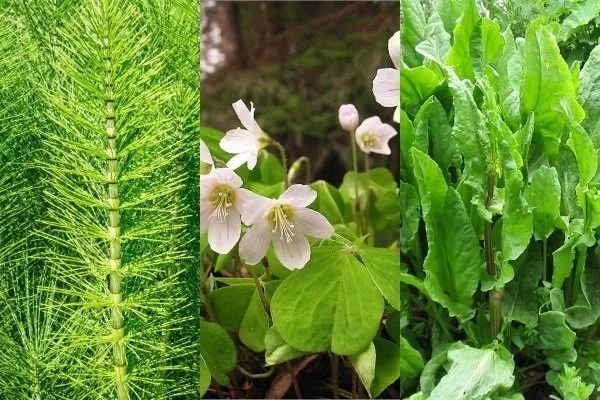
Before planting, ensure that nearby weeds such as horsetail, wood sorrel, and sorrel are not present. These plants increase soil acidity.
Watering
Water the roots only, being careful not to wet the leaves. Water the seedlings no sooner than 14 days after transplanting. Use at least 1 liter of settled water per plant. Use warm water.
Tomatoes don't respond well to excessive waterlogging, so stop watering completely during rainy weather. On cloudy days, watering twice every 7-10 days is sufficient. During hot weather, water more frequently as the soil dries out.
If the soil is too dense and doesn't absorb moisture well, make a couple of vertical holes with a stake or pitchfork. Once all the moisture has been absorbed, loosen the soil, but do so very carefully.
Loosening the soil and weeding
Plants require constant weeding and hilling. Regularly performing these tasks promotes more active root development and increases the absorption of nutrients from the soil.
Hilling should be done twice: during flowering and then during fruiting. After weeding, loosen the soil. Weed the area as needed, ensuring that the bushes do not become overgrown. Weed after heavy rainfall, as moist soil becomes an ideal breeding ground for weeds.
It's crucial that the area be kept clean during seedling planting and the beginning of intensive growth, including during flowering and fruit ripening.
Pinching out stepsons
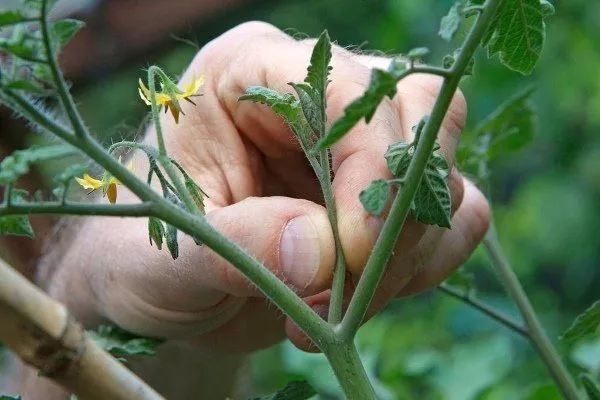
In June, pinch out side shoots from your tomato plants to properly shape the bushes—approximately 14-16 days after transplanting the seedlings into the ground. This allows you to remove weak and unwanted shoots, strengthening and promoting a healthier plant. It also improves the distribution of nutrients among the leaves and delivers more to the fruit.
When removing side shoots, follow these tips:
- determine where the first flower brush begins, under which the stem is located - this is the stepson;
- remove side shoots by hand, without using a blade or knife;
- It is ideal to carry out the procedure every 12-14 days;
- If the bushes are not formed correctly, real wild thickets may appear in the garden - leave 1-2 stems on the plant, on each of which 5-6 clusters of flowers will appear;
- remove all lower leaves - there should be a distance of at least 30 cm between the soil and the first leaves;
- When the brushes have formed, pinch off the tops of the plants, after which their upward growth will stop;
- During the fruit ripening period, remove all old and dried leaves.
Garter
Tomatoes of this variety can reach a height of 2 meters, so they require staking. If this isn't done promptly, the stems begin to literally break under the weight. Fruits that come into contact with the soil will spoil.
There are several methods of garter:
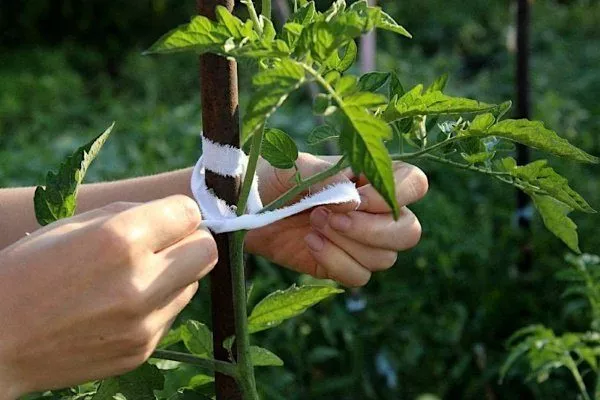
- Traditional Drive in a stake and tie the plant to it. Each bush requires its own stake. Use soft straps or fabric strips for tying. Thin ropes and fishing lines are prohibited, as they can severely constrict the stems.
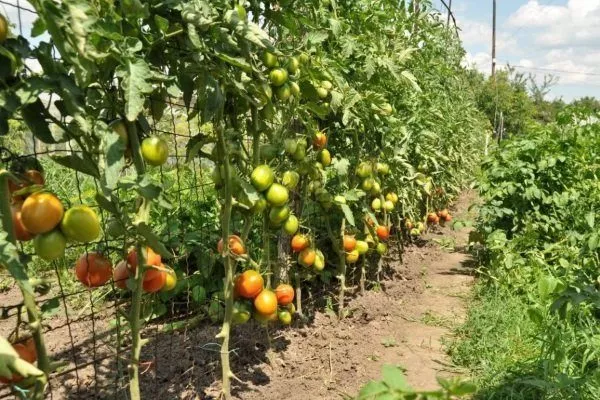
- Trellis – Install trellises at a certain distance, and stretch wire horizontally between them. Leave at least 40 cm between the wires. Attach the bushes to the wires.
- Linear – Drive in the stakes and stretch a wire through the center. Tie a rope to each bush and secure it to the wire.
- Cellular – Create a special frame (cage) for each plant. Use wire for the frame, bend it into an arc, and connect it horizontally to the other pieces. Bury the finished frame in the soil to a depth of approximately 15 cm. Secure the plants to the frame with rope.
Traditional method of tying up tomatoes
Method of tying on trellises
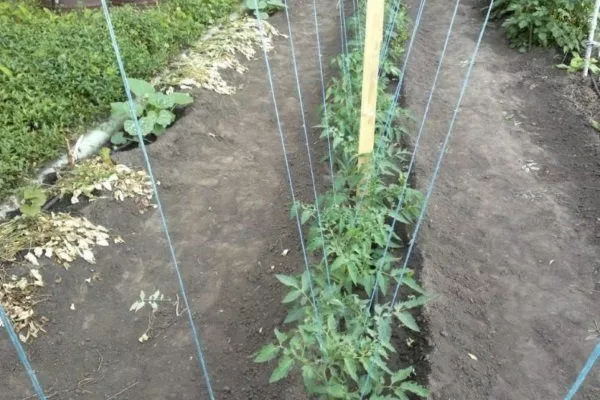
Linear method of tying
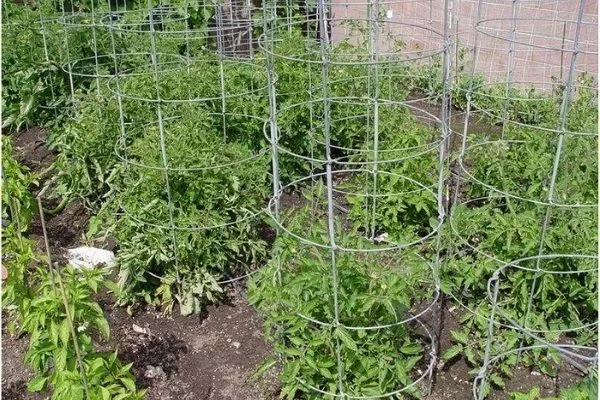
Cellular method of tying up tomatoes
Top dressing
Tomatoes require regular fertilization, which is most important during flowering and fruit formation. Apply fertilizer in the evening to prevent burning.
Choose fertilizers based on the condition of the tomatoes:
- for a weakened plant with a pale color, use organic matter, such as mullein;
- yellow leaves are a symptom of excess phosphorus;
- purple leaves – increase the amount of phosphorus;
- too active plant growth – excess of nitrogen fertilizers in the soil;
- If spots appear on the leaves, reduce potassium fertilization.
Apply fertilizer according to the dosage indicated on the packaging when using ready-made commercial fertilizers. You can also prepare your own solution using the following proportions: 1 kg of manure per 10 liters of water. Combine watering and fertilizing.
Pests, diseases and prevention
Like any other vegetable crop, tomatoes are susceptible to pests and diseases. To prevent this, follow crop rotation rules and remember to promptly and regularly remove weeds from the area, as they can carry various diseases.
Plant plants as far away from outbuildings as possible, as areas where animals are kept are often surrounded by various insects.
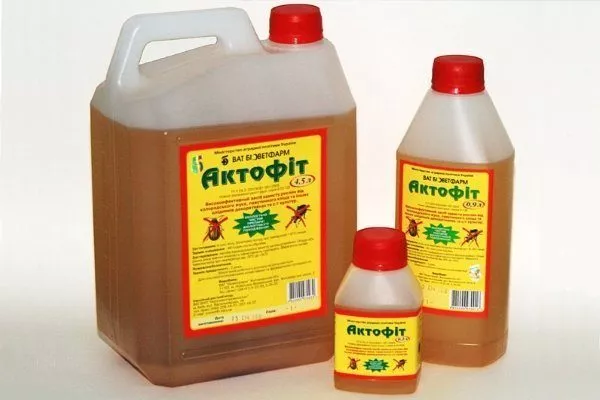
As a preventative measure, treat the plants (10 days after transplanting into open ground) with 1% Bordeaux mixture. To protect tomatoes from cicadas and aphids, spray the beds with a product such as "Actofit."
Harvesting and storage
Harvest the tomatoes as they ripen. You can also harvest tomatoes that are not yet fully ripe by placing them in baskets and leaving them in a dry, warm place until they reach full maturity.
Tomatoes grown in open ground last much longer than those grown in greenhouses.
This variety is quite fragile, so transporting it should be done with care or processing the fruit immediately. The ideal storage location for tomatoes is a cool, dry place with a temperature between 5 and 12 degrees Celsius. Keep humidity levels below 80%.
If you plan to store tomatoes for a long time, stack them with the stems facing up. Plastic and wooden crates are ideal.
To extend the shelf life of tomatoes, sort them before storing them in containers, removing any damaged or rotten tomatoes. Washing tomatoes is strictly prohibited, as this reduces their shelf life.
Potential problems and recommendations for increasing yield
Tomatoes don't require much attention and are easy to care for. Like most other garden crops, they prefer warmth, sun, and moderate moisture.
However, inexperienced gardeners may encounter certain difficulties associated with the development of the plant:
- The temperature in the greenhouse is high. Carefully monitor the temperature, as too hot a climate will cause the flowers to dry out and eventually fall off. Such a plant will not produce fruit.
- Watering is done with cold water. Use not only warm water but also settled water to moisten the soil. Never water plants with cold water, as this will negatively impact their growth and development.
- Too much watering. Although this variety thrives on moisture, overwatering is not recommended. This can lead to plant death. However, insufficient moisture during the early flowering period can result in the failure of ovaries to develop. If the plant doesn't receive the necessary moisture during ripening, the fruits will begin to fall off.
- Incorrect feeding scheme. It's crucial to fertilize every 10-14 days, alternating mineral and organic fertilizers. Maintain the correct dosage—no more than one bucket of fertilizer per square meter of area. Insufficient fertilization causes leaves to turn yellow, dry out, and fall off. This also applies to green fruits, which, due to a lack of potassium and phosphorus, will fall off.
- Incorrectly performed pinching out of side shoots. If the greenhouse has insufficient lighting, remove side shoots to a single stem; if the lighting is good, leave two stems. This procedure is essential for the plant's full development and growth, as well as high yields.
Reviews of the variety
The Tlacolula de Matamoros tomato is very popular among both professional and novice farmers. This variety is easy to care for and boasts remarkable characteristics—an unusual and interesting shape, stunning flavor, and aroma.