
Terek is a tomato variety distinguished by its cultivation in plastic greenhouses, making it widely available. It is a cluster tomato with indeterminate growth characteristics. A first-generation hybrid, Terek is the product of a Russian breeding company.
Description of the bush and fruits
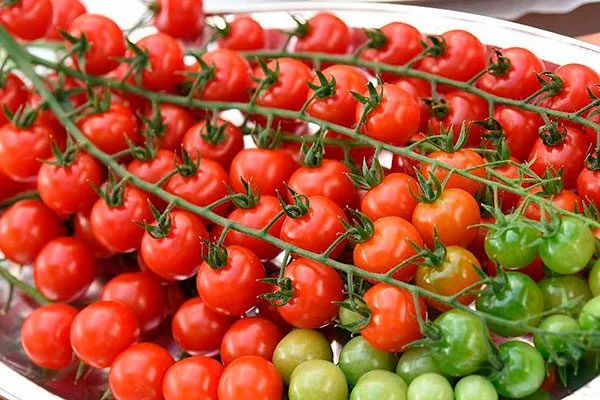
This plant grows tall and requires support. The fruits grow on elongated racemes, which can be single-fruited or multiple-fruited, with intermediate inflorescences. Each raceme produces approximately 15-30 small, uniform fruits. There are also other varietal characteristics:
- leaves are medium-sized, colored green;
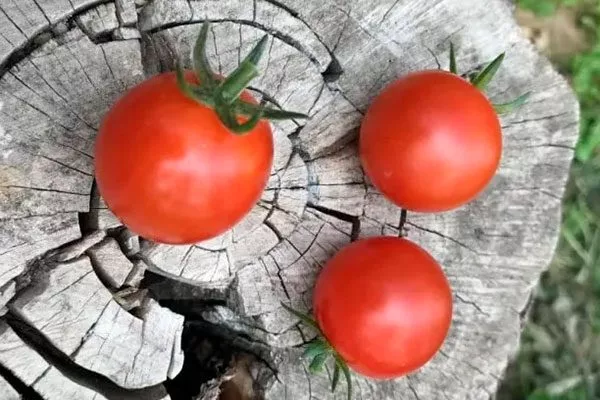
- fruits with a round shape, smooth surface, compact texture and shine;
- unripe tomatoes are green in color with a darker greenish tint near the stem;
- when ripe they acquire a bright red hue;
- the weight of each cherry tomato is 17-20 g;
- There are two seeds inside the fruit.
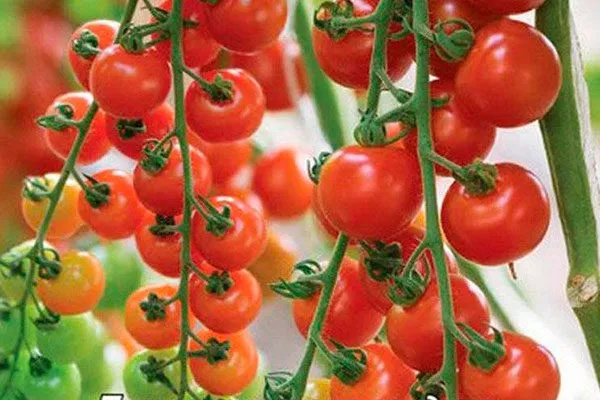
A distinctive feature of Terek salad tomatoes is their superb flavor, reminiscent of dessert fruits. The cherry tomatoes are sweet, caramelized, devoid of acidity, and rich in juice. They are suitable for both raw consumption and canning.
Main characteristics
The development of Terek was the result of many years of work by a team of breeders. Specialists including N. S. Gorshkova, A. N. Khovrin, T. A. Tereshonkova, and N. N. Klimenko participated in its creation. The original producer is the Poisk agricultural firm. In 2015, the hybrid was registered in the state register of the Russian Federation and approved for cultivation in plastic greenhouses.
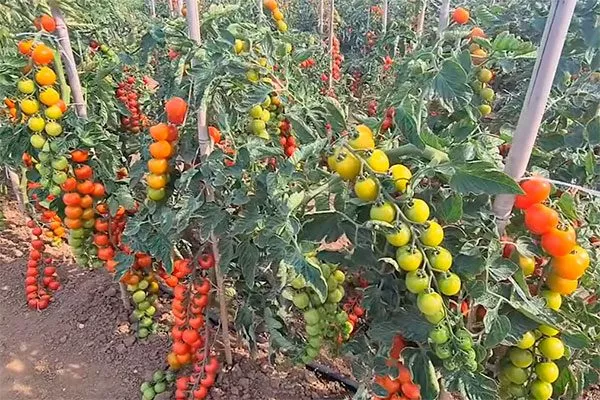
Characteristic indicators and properties:
- The Terek variety is a fast-ripening tomato. The first batch of ripe tomatoes can be harvested just 90-95 days after the first green shoots appear.
- In greenhouse conditions, productivity reaches 7.5-8 kg per 1 sq. m.
- Terek is susceptible to late blight, but preventative fungicide treatments at an early stage can help avoid this problem. The hybrid is completely resistant to cladosporiosis and tobacco mosaic virus.
- A calcium deficiency causes tomato rot. This is characterized by the appearance of round spots of varying sizes and shades (from brown to black) on the underside of the fruit.
To minimize the risk, it is necessary to maintain optimal soil and room humidity and feed the plant correctly.
Growing and care
Terek tomatoes prefer neutral or slightly alkaline soil with a pH of 6-7. This is very important when choosing a seed planting location. If the soil isn't ideal, it needs to be adjusted. Sometimes it's advisable to completely replace the soil in the greenhouse.
- ✓ The soil pH level should be strictly within 6-7; for accurate measurement, use a pH meter.
- ✓ If it is necessary to lower the pH, use sulfur, and to raise it, use lime.
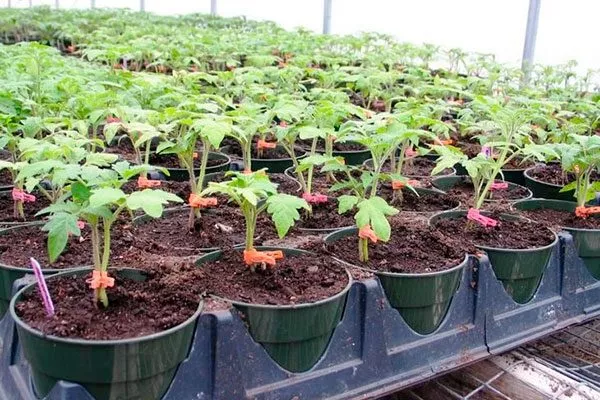
But first, you need to grow seedlings by sowing seeds in individual containers or shared containers. This is done in the same way as with other varieties (there are no special features or differences). The bushes are replanted after a couple of months.
Preparing the beds involves the following steps:
- Clear the area of weeds and remove rocks, debris, etc.
- Dig the soil to a depth of a bayonet spade to ensure good aeration and root development.
- Add compost or humus to improve soil fertility.
- Disinfect the walls, ceilings and other elements of the greenhouse structure.
Planting tomatoes:
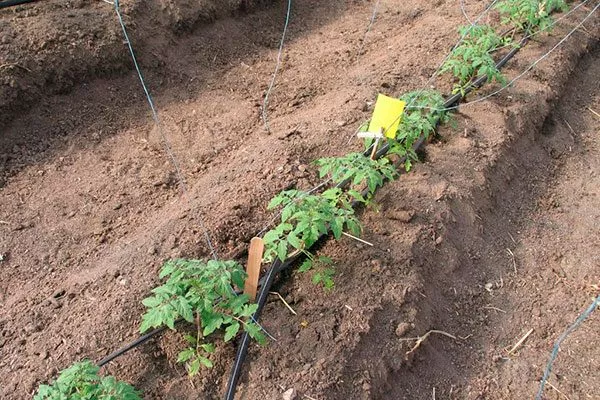
- Make markings – the distance between plants is within 50-60 cm.
- Dig holes about 20 cm deep and space the rows 60-70 cm wide.
- Place the seedlings into the holes, carefully removing them from the pot.
- Cover the seedlings with soil and compact it lightly.
- Moisten the soil thoroughly.
- After planting, be sure to install supports and tie the tomato stem to them for support.
- Two weeks after planting, apply a complex mineral fertilizer with a predominance of phosphorus and potassium.
- During the flowering period, apply foliar feeding with boric acid (1 g per 1 liter of water).
- During fruiting, use potassium fertilizers to improve the taste of the fruit.
As the bushes develop, remember to water and fertilize the plant regularly, closely monitor its condition, and, if necessary, control pests and diseases:
- Irrigation and fertilization. For optimal growth, Terek tomatoes require regular watering, maintaining constant but not excessive soil moisture. Insufficient moisture can cause plant growth to stop.
Moistening should be done either in the morning or in the evening, and to stimulate development, it is recommended to fertilize with mineral or organic mixtures. - Disease and pest control. This is a crucial aspect of caring for Terek tomatoes. Regular inspection of plants and removal of damaged or diseased leaves is essential. Both biological and chemical treatments can be used to protect against diseases and pests.
By following these care recommendations, you'll be able to reap a bountiful harvest of delicious and juicy tomatoes. Harvesting begins when the fruits reach full ripeness—they acquire a rich red color and a firm texture.
Reviews
The Terek tomato is a unique hybrid that has gained popularity among farmers and gardeners due to its unique taste, high productivity, and ability to withstand various weather conditions. A key aspect of the Terek tomato is its early ripening.