
The Taya tomato is an ideal variety for those who value stability and good productivity. Its robust vines and juicy, large fruits allow for excellent harvests even in variable climates. Its disease resistance and low maintenance make it an excellent choice for both novice and experienced gardeners.
Description of the plant and fruits
Developed in Belarus, this semi-determinate variety boasts versatile characteristics. The Taya variety features:
- The height of the bushes varies from 110 to 140 cm. The strong stems are covered with ordinary drooping leaves, colored in a dark green shade.
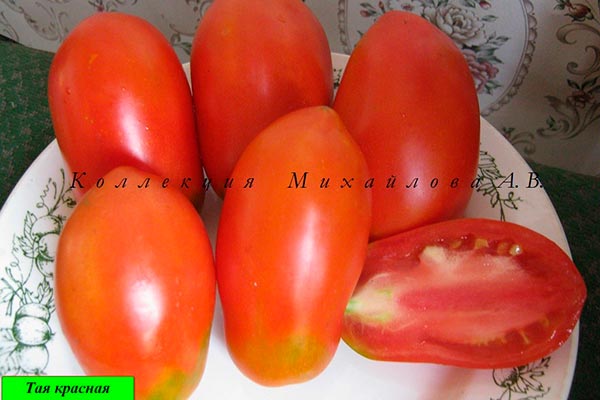
- A single cluster can produce up to 12 tomatoes, each weighing up to 250 g. This is an attractive option for gardeners growing vegetables for home use or sale.
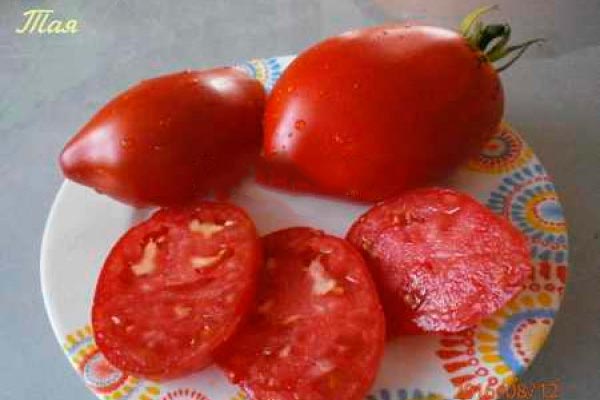
- The fruits have a balanced taste and bright crimson pulp, which is distinguished by its tenderness and small number of seeds.
- The vegetables are elongated, plum- or oval-shaped, and red in color.
Characteristics of the variety
Before growing a crop, it's important to carefully study all its characteristics. The Taya variety has many positive qualities:
- Ripening period: 110-115 days from sowing to first harvest, which allows harvesting in mid- to late summer, depending on growing conditions.
- Fruiting: The variety is semi-determinate, so its growth is limited after reaching a certain height. The tomatoes ripen gradually, ensuring a consistent harvest.
- Productivity: The variety has good productivity. One bush yields up to 6-8 kg of tomatoes.
- Resistance to diseases and pests: The plant has strong immunity to common crop diseases. It is rarely affected by fusarium, late blight, and powdery mildew. The crop is virtually immune to insect pests.
- Drought resistance: Thanks to their powerful root system, the bushes can easily withstand short periods of drought. However, to maximize the harvest, regular watering is recommended.
- Frost resistance: The crop is successfully cultivated in regions with a temperate climate, as the plants tolerate short-term cold spells well.
Planting and care features
Growing tomatoes requires well-drained, fertile soil. Light, loose, well-drained soil is best. A month before planting, add organic fertilizer (compost or humus) and minerals (superphosphate and potassium solutions).
- ✓ Optimum soil temperature for planting seedlings: +15-17°C.
- ✓ Distance between plants: 40-50 cm in a row, 60-70 cm between rows.
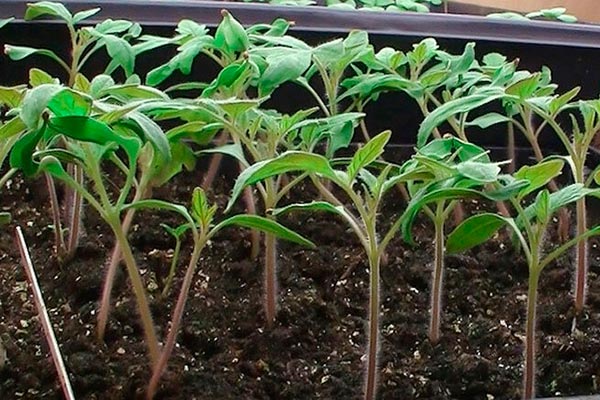
Follow these recommendations:
- Plant the seedlings when the soil temperature reaches 15-17°C and the risk of frost has passed. Space plants 40-50 cm apart within a row, and 60-70 cm between rows. Moisten the planting holes with warm water beforehand.

- Plant the seedlings 5-7 cm deep into the soil to promote root development. Continue this process before the first true leaves appear to strengthen the stems.
- If you are planting plants outdoors during the cold season or when there is a risk of frost, cover them with plastic or install greenhouses to protect them from the cold.
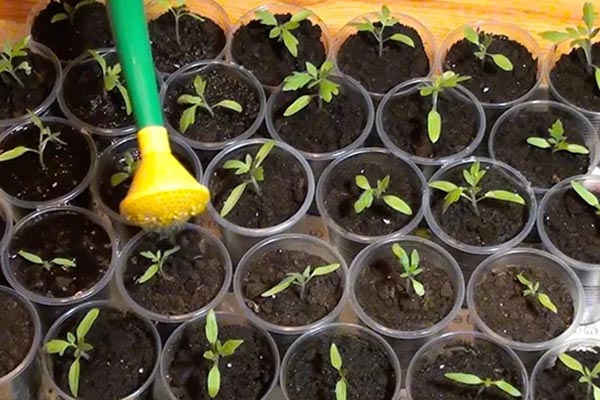
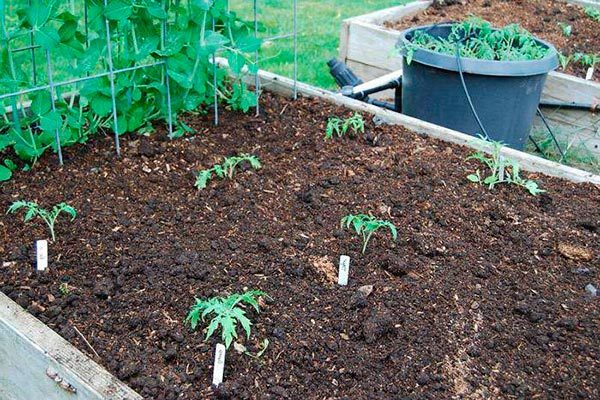
Take care of the culture by following standard care procedures:
- Watering. Tomatoes require regular watering. Apply water at the roots, avoiding contact with the leaves and fruit. On hot days, water twice a day—morning and evening. The soil shouldn't dry out, but excessive moisture can also negatively impact the root system.
- Top dressing. Fertilize the plants several times per season. Apply the first fertilizer with a nitrogen solution 10-14 days after planting to stimulate growth. Once the crop begins to bear fruit, apply potassium and phosphorus fertilizers to improve the quality and quantity of the fruit.
Additionally, use organic fertilizers – infusion of mullein or chicken manure. - Pinching out stepsons. To properly shape the bush and improve ventilation, remove side shoots that don't affect the yield. Remove or trim off side shoots, leaving the main stem.
- Garter. Since the plants can reach considerable heights (110-140 cm), they will require support. Secure shoots to stakes or trellises to prevent lodging and improve air circulation.
- Mulching. To reduce moisture evaporation and suppress weed growth, mulch the soil with organic materials such as straw or hay.
- Trimming leaves. Remove lower leaves and damaged parts of the plants to improve light and ventilation. This prevents disease and improves the quality of tomatoes.
- Protection from diseases and pests. Regularly inspect plants for pests such as aphids, Colorado potato beetles, and whiteflies. For protection, use biological pesticides or folk remedies, such as garlic infusion. For prevention, spray with fungicides to prevent late blight or powdery mildew.
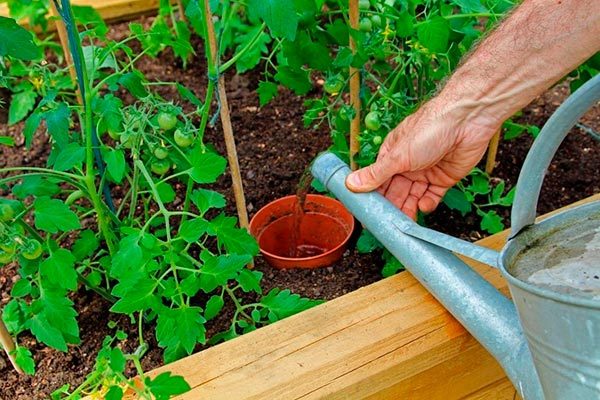
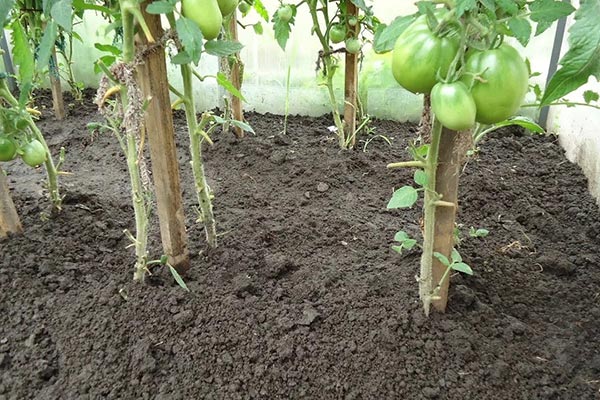
Caring for the crop requires consistency, but with the right approach, the variety will produce a good harvest of tasty and juicy fruits.
Reviews
The Taya tomato is a popular variety, boasting high yields and excellent flavor. Large fruits, bright crimson flesh, and disease resistance make this crop an excellent choice for garden plots. With proper care, the bushes will delight you with large volumes of juicy tomatoes.