
Tatyana is distinguished by its high-quality vegetables, compact bushes, and strong immunity to common diseases. These tomatoes have a balanced flesh structure and are suitable for both fresh salads and canning. They have a beautiful round shape, a bright, rich skin color, and a pleasant flavor that many gardeners across the country have already appreciated.
Description and characteristics of the Tatyana tomato variety
It was developed by Russian scientists from the N. I. Vavilov Institute of General Genetics at the end of the 20th century. In 2000, it was added to the State Register, recommended for outdoor cultivation throughout Russia.
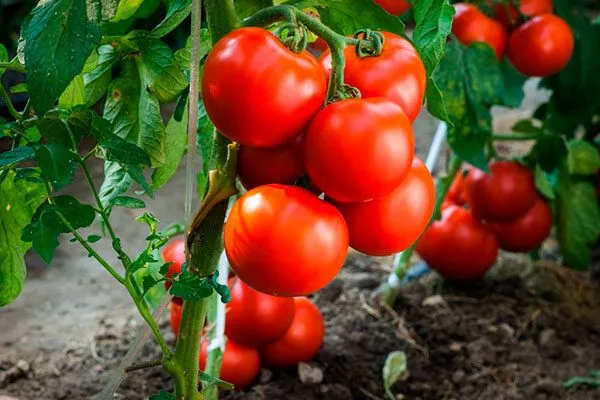
Bush
It belongs to the determinate, standard varieties with erect, highly branched and densely foliated plants.
Main characteristics:
- The height usually does not exceed 60 cm, but in greenhouse conditions it can be larger.
- The bushes require tying to prevent the branches from breaking under the weight of the harvest.
- The leaves are medium sized and green.
- The inflorescences are simple, the first one is formed above the 6-7th leaf, the subsequent ones – after 1-2.
The plant stops growing on its own after a certain number of clusters have formed, so pinching the tops is unnecessary. This greatly simplifies plant care.
Fruit
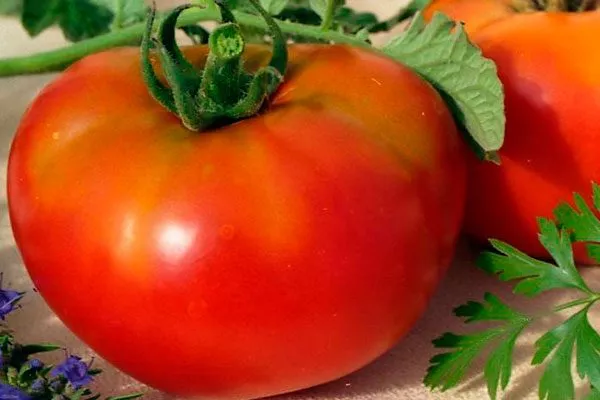
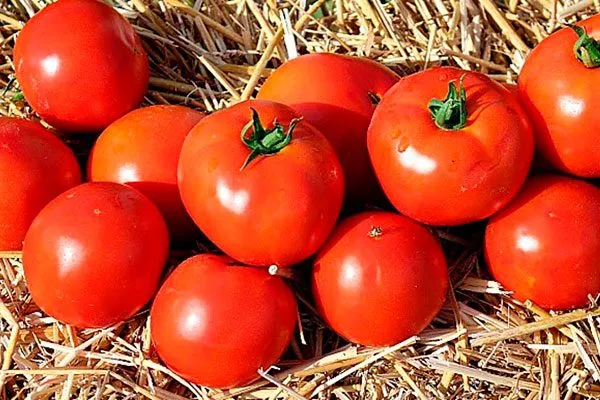
Green fruits have dark emerald spots at the stem attachment, which disappear completely as they ripen. At the technical ripeness stage, the tomatoes turn a deep red.
Peculiarities:
- The weight of vegetables varies from 103 to 120 g, but under optimal growing conditions the weight can increase to 170 g.
- The pulp is juicy, fleshy, hidden under a smooth, thin skin.
- The surface of the fruit is glossy with slight ribbing.
- The shape is round, slightly flattened.
- There are few seeds inside.
- ✓ Ability to set fruit at temperatures below +10°C.
- ✓ High resistance to fruit cracking due to changes in humidity.
Tatyana tomatoes are characterized by excellent shelf life: they remain intact even during long-term storage without cracking. They are rich in vitamins and nutrients, making them not only delicious but also healthy.
Characteristics
Before growing a crop, it's important to carefully familiarize yourself with its characteristics. The Tatyana tomato has many positive qualities:
- Ripening, fruiting and yield. From the first shoots to technical maturity, it takes 108-109 days. Despite the compact size of the bushes, this variety boasts high yields – with proper care, it yields 4.7-5.1 kg per square meter.
- Disease resistance. The crop has strong immunity to most nightshade diseases. However, for maximum protection, preventative treatments with special preparations are recommended.
- Where they are grown. Tomatoes are successfully grown throughout almost all of Russia. This cultivar is recommended for planting in the Far East, East Siberia, West Siberia, Ural, Lower Volga, and Middle Volga regions and territories.
Tatyana grows well in the North Caucasus, Central Black Earth, Volga-Vyatka, Central, Northwestern and Northern regions. - Purpose and application. This versatile table variety is ideal for table use. Its small, juicy tomatoes have a pleasant sweet flavor and retain their integrity even during long-term storage.
Tomatoes are ideal for fresh consumption and for preparing various dishes, including simple vegetable salads.
Ripe fruits are used for processing: they are pickled, salted, used to make juice and prepared in other ways.
Growing the Tatyana tomato variety
This variety is similar to other versatile varieties in terms of cultivation. It thrives even in unfavorable climates and does not require complex agricultural techniques. However, to achieve maximum yield, it is important to follow basic care guidelines.
Sowing seeds and growing seedlings
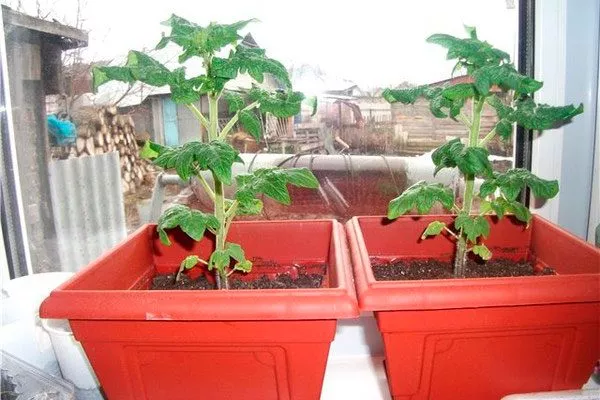
To obtain high-quality seedlings, sow seeds 50-60 days before planting outdoors. The exact timing depends on the climate region. In temperate zones, sow from mid-March to early April.
Follow these steps:
- Preparing the soil. Tomatoes prefer light, well-drained soil with a neutral pH. You can use a ready-made soil for nightshades from the store or make your own mixture by adding humus, peat, and river sand to your garden soil.
If the soil is acidic, mix it with lime or dolomite flour. Before planting, bake the substrate in the oven to kill pests. - Containers for seedlings. Place the seeds in a common seed box or individual cups, pots, or peat pellets. When using individual containers, no pricking out is required—you can transplant the grown plants directly into the garden bed. If you sow the seeds in a common seed box, transplant the seedlings later into intermediate containers.
- ✓ The optimal soil temperature for sowing seeds should be at least +15°C.
- ✓ To prevent fungal diseases, it is necessary to ensure good ventilation between the bushes.
Buy beans from the store or use your own, as they retain their varietal qualities. Preparation involves the following steps:
- Calibration. Select large, high-quality seeds.
- Disinfection. To protect against diseases, soak the planting material for 20-30 minutes in a weak solution of potassium permanganate, then rinse and dry.
- Germination. Place the seeds between damp layers of cloth (do not use cotton wool or gauze to avoid damaging the roots). Moisten the cloth periodically.
- Growth activation. Add growth stimulants to the soaking water – Epin or Zircon.
Start sowing seeds. Follow these steps:
- Disinfect the containers and place drainage on the bottom.
- Fill the containers with soil, leaving 2-3 cm from the top.
- Moisten the soil before sowing.
- Place the seeds at a distance of 5 cm from each other (in a common box) or 2-3 seeds in individual cups.
- Sprinkle with a layer of soil (about 1 cm) and moisten the surface with a spray bottle.
- Cover the containers with film and place in a warm place.
- After the seedlings appear, remove the film.
Remove weak seedlings from the cups, leaving the strongest one. Prick out the seedlings from the main container when the plants have two true leaves. Transplant them into individual containers. Ten days before planting, begin moving the seedlings outdoors, gradually acclimating them to the outdoor conditions.
Preparing the soil and planting in the ground
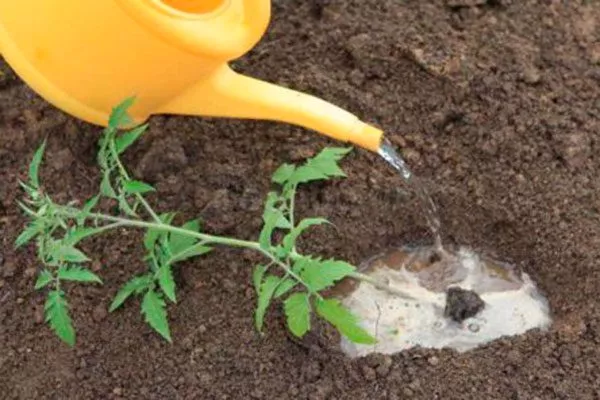
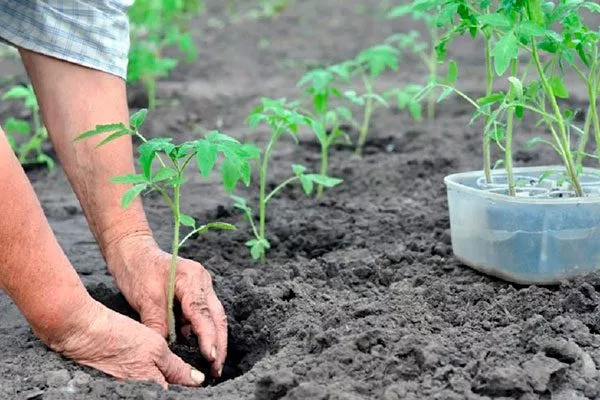
Transplant the seedlings 1.5 to 2 months after full germination, no earlier than mid-May, when daytime and nighttime temperatures have stabilized. By this time, the seedlings should be about 20 cm tall, have several fully formed leaves, and a well-developed root system.
Follow these recommendations:
- Remove the top layer of soil in advance, as it may contain pathogens or pests.
- Add superphosphate or compost. If the soil was dug over in the fall with added fertilizer, no additional fertilizing is required.
- Each hole should be approximately 20 cm deep. Place up to 6 bushes per square meter. Plant the plants in a staggered pattern with a 50 cm spacing between rows.
- Transplant plants using the transshipment method to keep the root ball intact. This will reduce the risk of root damage and improve plant survival.
Lightly compact the soil around the bushes. Water the plants generously to ensure good root contact.
Features of tomato care
Although Tatyana is an unpretentious variety, to obtain a high yield and improve the taste of the fruit, it is important to follow several agricultural practices.
Follow simple care procedures:
- Watering. Tomatoes require regular watering. Water them about once a week, depending on the soil conditions. Use settled, room-temperature water, pouring it under the roots, avoiding contact with the leaves.
- Top dressing. Fertilize the bushes several times per season. Apply the first fertilizer 10-15 days after transplanting into open ground, and the second fertilizer during the fruiting stage.
Use potassium and phosphorus fertilizers. Apply nitrogen fertilizers sparingly to avoid excessive foliage growth. Ash is effective – sprinkle it around the plants or dissolve it in hot water and apply it to the watering surface. - Soil cultivation. After each watering, loosen the soil under the tomatoes for 1-2 days to improve oxygen and nutrient access to the roots. This helps prevent waterlogging, which can lead to the development of fungal diseases.
At the same time, remove weeds that compete for nutrients. - Formation. Train the plants into 1-2 stems, trimming away wilted leaves and dead shoots. Gradually remove lower shoots to prevent fruit cracking, but no more than two shoots at a time. Continue removing leaves until you've removed everything below the first fruit cluster.
Despite the variety's compact size, Tatyana requires support, so tie the shoots to supports with soft fabric, wrapping them around the stems under each internode. No side shoots are required.
Harvesting and storage
Begin harvesting the fruit after three months of germination. Leave unripe tomatoes to ripen in a dry place, placing them in a cardboard box. They will turn completely red in five days.
The Tatyana variety is primarily intended for fresh consumption. These vegetables make delicious salads, slices, and garnishes for dishes. However, for longer-term storage, they are used for processing, such as making juice, paste, or preserves. They are also suitable for various preserves.
Disease and pest control measures
The Tatyana tomato variety is highly resistant to key diseases, including fusarium wilt, verticillium wilt, and various mosaics. Early ripening helps prevent late blight outbreaks. To prevent disease, treat your plants with copper-containing products.
Additional protective measures include:
- Mulching soil with peat or humus to protect against fungal diseases.
- Proper watering to prevent overheating and excess moisture.
- Spraying young plants with a pale pink solution of potassium permanganate or Fitosporin to strengthen the immune system.
Outdoor plants can suffer from various pests, including slugs, Colorado potato beetles, and mole crickets. Collect large larvae by hand, and treat tomatoes with an ammonia-water solution. Warm soapy water is effective against aphids, and kill thrips and whiteflies with a celandine infusion.
Pros and cons
The Tatiana cultivar is mid-season and weather-resistant, capable of producing fruit in both hot and cold weather. It offers several advantages:
The crop has only a few drawbacks: the plant often forms clusters, so it requires regular fertilizing, and when watered during the fruiting period, the fruits may crack.
Reviews
The Tatyana tomato is characterized by vigorous yet compact bushes that require little attention. These delicious tomatoes easily enhance summer dishes and winter preserves. This variety boasts numerous positive qualities, making it a popular choice for gardeners across the country.