
Tasmanian Chocolate is a compact tomato variety with a determinate growth habit, producing round, slightly flattened fruits with sweet, chocolate-colored flesh, making them incredibly tasty and aromatic. It is distinguished by its early maturity and abundant yield, and is suitable for both open-air and indoor cultivation.
Features of the variety
Despite the lack of the "gnome" prefix in its name, Tasmanian Chocolate is part of the Dwarf Tomato Project. It is distinguished by its short but robust plants with large leaves and an enviable level of immunity. The fruits of this variety are reddish with a brown tint, indicating the presence of anthocyanin. The flavor of these tomatoes is rich and vibrant, with a recognizable yet slightly exotic tomato flavor.
Bushes
Tasmanian Chocolate plants have a standard, determinate structure, a strong base, and few side shoots. This variety's leaves are large, well-developed, with wide lobes and a typical tomato outline. The peduncles are elongated, with geniculate segments located close to the stem.
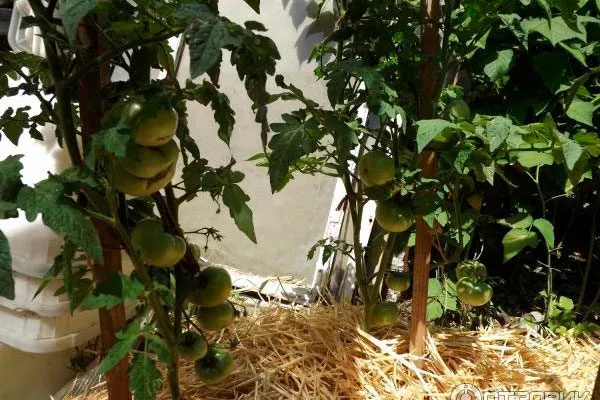
Many sources claim that the Tasmanian Chocolate raceme is simple, although in fact it can be complex. This fact is often ignored because only three to five flowers develop into ovaries. The first raceme appears above the seventh or eighth leaf, and subsequent ones appear at intervals of one or two internodes.
Fruit
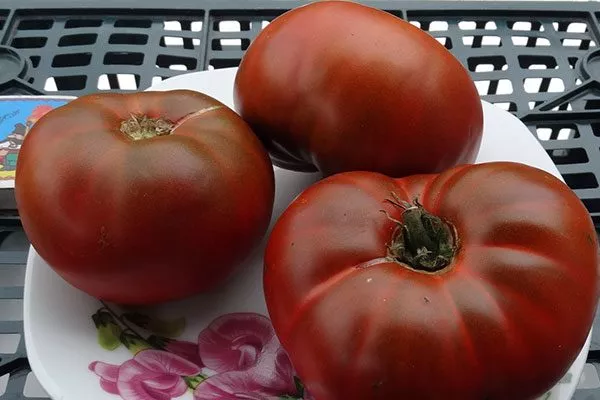
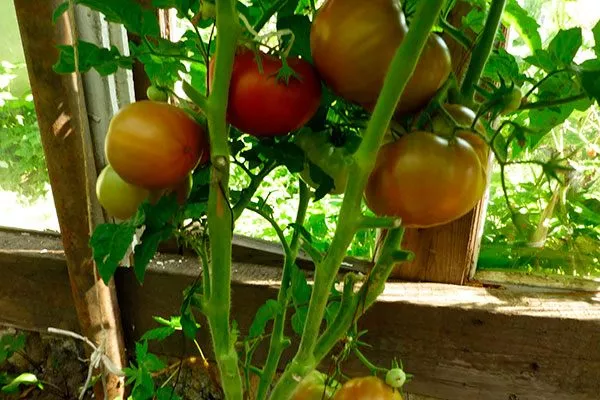
Tasmanian Chocolate tomatoes have a greenish-yellow hue when they're first ripe. As they age, they acquire a light red color with green spots. Fully ripe, the fruits have a rich brownish-red hue.
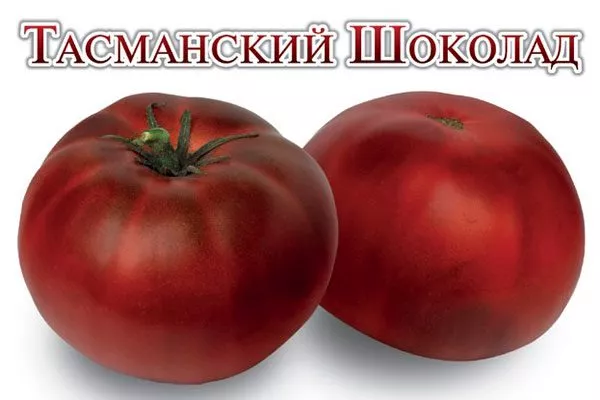
This indicates a combination of two pigments—lycopene and anthocyanin. However, the areas near the stem remain green, and sometimes similar spots appear on the sides.
Key characteristics of the fruit include:
- rounded shape with small ribs;
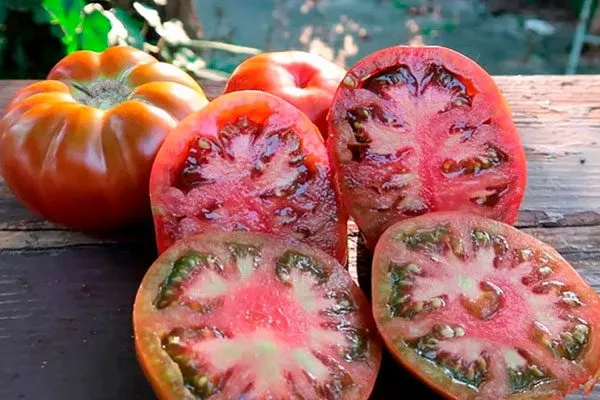
- multiple cameras;
- fleshy and moderately juicy, tender pulp;
- the average weight of tomatoes ranges from 100 to 200 g, but sometimes there are larger specimens up to 400 g;
- Some tomatoes are formed from double flowers and have more pronounced folds and a slightly distorted shape.
These fruits are ideal for salads, sandwiches, and vegetable platters, as well as for making thick juice. Tasmanian Chocolate is a beefsteak tomato variety.
Main characteristics
The Tasmanian Chocolate tomato, a unique innovation on the vegetable market, has gained popularity among consumers and gardeners over the past ten years, thanks to its impeccable characteristics.
History, growing regions
Today, there are two varieties of this cultivar, which have similar flavor and agronomic characteristics. One is produced in the USA and belongs to the Tasmanian Dwarf line, while the other was created by Russian breeders from the agricultural firm "Partner."
Selection features:
- The Tasmanian Chocolate tomato was developed in 2006 by Australian breeder Patrina Naske Small, who combined the Paul Robeson and New Big Dwarf tomatoes in its creation.
- The final stage of work on the variety, including stabilization, was carried out by Linda Reid from Tasmania, who gave the variety its current name.
- In 2010, the Tasmanian Chocolate tomato was introduced to a global audience by Victory Seeds.
- Other variations on the variety's name include Dwarf Tasmanian Chocolate.
- The tomato has not yet undergone official variety testing in Russia's climate, resulting in insufficient information about it. However, breeders claim the variety is suitable for cultivation in all climate zones.
In central and southern Russia, tomatoes are grown outdoors, while in colder regions, greenhouses are preferred. Some gardeners plant this variety on balconies, using large containers and tying them to stakes to prevent the bushes from breaking due to the heavy harvest.
Ripening and fruiting, productivity
This variety is considered mid-early – its fruits begin to ripen 105-110 days after the first seedlings emerge. Some sources indicate ripening can occur as early as 85 days, making it one of the first varieties to bear fruit.
To achieve maximum flavor, tomatoes should be left on the vine for 5-7 days before harvesting. The yield is high, which is not always typical for collectible tomatoes. A bed of 3-4 vines per square meter yields:
- in the open garden – 9-10 kg;
- in greenhouse structures – 15-20 kg.
Taste and uses
The flavor of these tomatoes is sweet with a subtle tartness, very rich and piquant, with fruity-chocolate undertones. Brown tomatoes have a unique composition—they contain a high amount of anthocyanins and a lower amount of lycopene. Anthocyanins are flavonoid pigments with antioxidant, anti-inflammatory, and antibacterial properties.
They also help soothe the gastrointestinal tract and stimulate the gentle secretion of bile. These tomatoes are beneficial for diabetes, obesity, eye diseases, and during injury recovery. However, they are not recommended for people with allergies.
Usage:
- The Tasmanian Chocolate variety is excellent for raw consumption, but is also good for freezing and long-term storage;
- Tomatoes are used for winter salads, sauces, juices, pastes and seasonings;
- Excess tomatoes can be frozen for later use in soups or grilled meats – their spicy flavor pairs perfectly with meat dishes.
Seed producers
Tasmanian Chocolate seeds are produced in both the United States and Russia, specifically by the company "Partner." These varieties have similar properties, but there are some differences:
- Seeds from the United States produce plants 60-70 cm tall when grown outdoors and 80-90 cm tall when grown in a greenhouse. These tomatoes mature in 105-115 days from the time the first buds appear.
- Planting material from "Partner" produces bushes ranging in height from 60 cm in open ground to 90-100 cm in a greenhouse. These vegetables reach maturity in 100-110 days with proper agricultural practices.
According to gardeners, the Tasmanian Chocolate Gnome and Russian-produced Tasmanian Chocolate tomatoes are highly resilient to adverse weather conditions. They are heat-resistant and drought-tolerant.
The plants tolerate short-term moisture stress well, but it's advisable to avoid removing inflorescences and fruit buds during hot days. Tasmanian Chocolate can also withstand prolonged cold spells without losing productivity in new fruit set and ripening. This makes it possible to harvest even in unpredictable weather conditions.
How to grow seedlings?
The sowing time is early March, and transplanting into open ground occurs in late May, or at the latest by June 1st, 5th, or 10th. If transplanting under plastic is planned, this should be done a little earlier, between May 10th and 25th.

The Tasmanian Chocolate tomato is grown using seedlings. It's important to follow a few guidelines:
- the seeds are soaked in a growth stimulator and evenly distributed in a container with a pre-prepared nutrient substrate;
- They are placed in the ground to a depth of no more than 15 mm, moistened with a small amount of water and covered with glass or transparent film to create a greenhouse atmosphere.
After germination, the seedlings are kept at a temperature of approximately +25 degrees, illuminated with phytolamps if necessary to prevent the stems from stretching and thinning.
Transplantation and further care
The compact Tasmanian Chocolate tomato plants are ideal for small gardens. To ensure abundant fruit production, choose a location with adequate sunlight and soil that is light, acid-neutral, and rich in organic matter.

When the seedlings reach 60-65 days of age, move them to their permanent location. To ensure proper nutrient and moisture absorption, the soil must be properly prepared:
- it should be light, allow water and air to pass through, for which purpose peat, sand, and perlite are added to it;
- To soften the heavy soil, sawdust, manure, finely chopped hay, and compost are added to it, and isolated beds and planting cushions are created, placing rotten wood, organic waste, and fertilizers on the bottom of the hole.
This variety is easy to care for. It's ideal for beginning gardeners, as it doesn't require complex shaping or removal of excess shoots, which rarely occur in this variety. Staking is unnecessary thanks to the sturdy stems.
Although Tasmanian Chocolate is considered a low-maintenance variety, to increase yield and improve the flavor of the fruit, you will need to follow the basic principles of tomato growing:
- To maintain immunity and plant development, water your plants regularly and evenly using uncooled, settled water. Experienced gardeners recommend using a drip irrigation system, which not only prevents moisture from getting on the leaves and flowers but also significantly saves water.
- After each watering, thoroughly loosen the soil, simultaneously removing weeds.
- This tomato variety responds well to organic and mineral fertilizers, which should be applied every 15-20 days, alternating their application.
- If necessary, the bushes can be reduced to one or two stems.
- In areas with frequent winds, it is recommended to secure plants to supports to avoid deformation and ensure productivity.
Pest and disease control
Thanks to the excellent genetic qualities of its parent varieties, Tasmanian Chocolate boasts impeccable resistance to diseases such as Alternaria wilt, bacterial wilt, verticillium wilt, and late blight. However, the threat of viruses, which can reduce productivity and cause crop failure, still exists.
To prevent their spread, it is necessary to adhere to certain measures:
- disinfection of seeds before sowing;
- compliance with crop rotation rules;
- treatment of soil in a greenhouse using disinfectants;
- regular preventive treatments.
Pros and cons
This tomato variety is distinguished by its exceptional sweetness and richness, requiring no special cultivation techniques. Even in a rainy summer, they won't become waterlogged, although careful soil preparation is essential to ensure optimal results. Soil enriched with compost and mineral fertilizers will yield the best results.
The variety also boasts high productivity. It can produce fruit even in conditions where fruit set is difficult due to high humidity, dryness, heat, or cold. In open conditions, it eliminates the need for gardeners to shake the plants to improve pollination.
Despite its ease of cultivation and good yield, Russian breeders recommend considering the variety's foreign origin and carefully studying all its characteristics and cultivation features before purchasing.
Similar varieties
Dark brown, moderately sized, with a distinct aroma reminiscent of the Tasmanian Chocolate tomato variety, the following tomato varieties are available:
- Black Crimea.
- Boronia.
- Dwarf Pride of Perth.
- Mikado black.
- Black Tim.
Reviews
The Tasmanian Chocolate tomato has gained popularity due to its ease of cultivation and the ability to be grown both outdoors and indoors. Its fruits are characterized by juicy, sweet, and fleshy flesh, making them suitable even for dieters. The tomatoes have a unique color.