
The Sushka tomato is a tall, productive variety, ideal for growing in greenhouses and open beds. Its large fruits have a meaty texture and sweet flavor, making them an excellent choice for fresh eating and canning. This variety is disease-resistant, simplifying plant care and ensuring a consistent harvest.
Definition of beef tomatoes
Beefsteak tomatoes are varieties and hybrids with large fruits, but the definition of this term can vary depending on the seed company. Typically, weight limits are specified to maximize the number of varieties that fit this definition.
Main criteria:
- weight – from 150 g and above;
- the presence of at least four nests;
- fleshy texture, sometimes with a grainy structure;
- higher dry matter and sugar content than other varieties;
- the surface is slightly ribbed, less often smooth;
- small number of flowers compared to other species;
- shape – flat-round or round;
- The thin skin reduces transportability and lightness, although there are hybrids with stronger skin.
Beef tomatoes contain 2-3 times more nutrients than regular varieties, as large tomatoes take longer to ripen, accumulating vitamins, pectin, monosaccharides, and micronutrients. The color of the tomatoes may vary, and they also vary in ripening time.
Description of the bush and fruits
Sushka is a hybrid indeterminate tomato variety developed by the Research Institute for Vegetable Crop Breeding in collaboration with Agrosemgavrish. It was approved for commercial use in 2010.
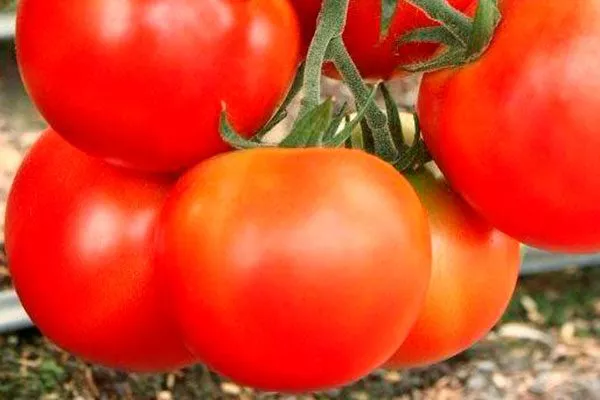
Distinctive features:
- plant - tall, can reach more than 2 m;
- leaves - large, dark green;
- tomatoes - At the initial stage they are green in color, and as they ripen they become bright red;
- weight - is about 127 g;
- form - flat-round.
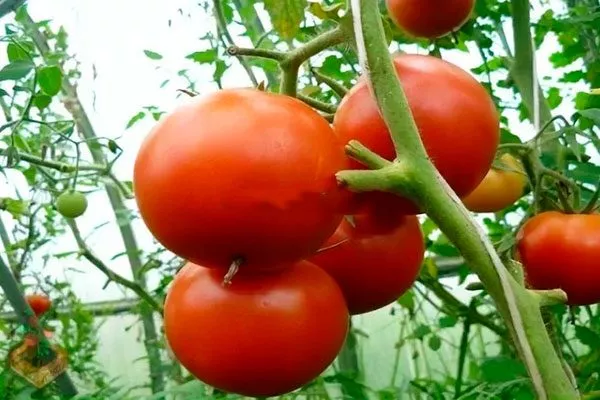
Each fruit contains 3 to 4 nests (chambers), and one brush usually produces 6 to 8 fruits.
Main characteristics
The crop is successfully grown in greenhouses, but it also performs well in open beds. The tomato has good resistance to long-distance transportation, making it an excellent choice for commercial use.

Features of the Sushka variety:
- Ripening and fruiting. It takes 110-120 days from planting the seedlings to harvesting a full crop. However, the exact timeframe depends on the climate of the region where the plants are grown.
- Productivity. The yield is about 11 kg per 1 sq. m.
- Taste characteristics and purpose. The tomatoes have an excellent flavor and rich aroma. Their flesh is juicy and sweet.
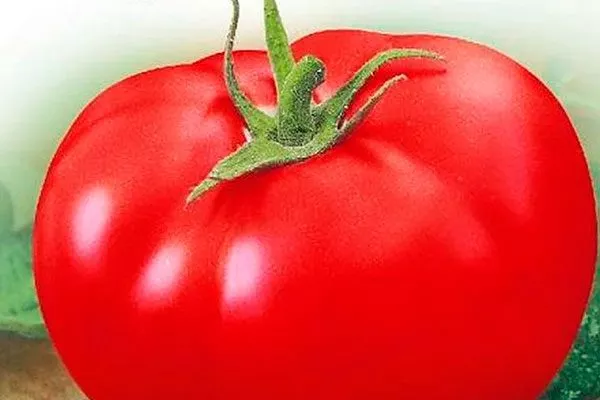
The vegetables are ideal for eating fresh and can also be used to make juice.
Landing
Growing the Sushka tomato variety begins with properly preparing the seeds and planting them in containers to produce seedlings. This process requires attention to detail and timing to ensure strong and healthy plants.
Seedling growing technology
Prepare the seeds in advance. First, disinfect the seeds in a potassium permanganate solution (1 g per 100 ml of water) for 20-30 minutes, then rinse thoroughly and dry. To improve germination, harden them by placing them in the refrigerator for 24 hours, then in a warm place for 12 hours.
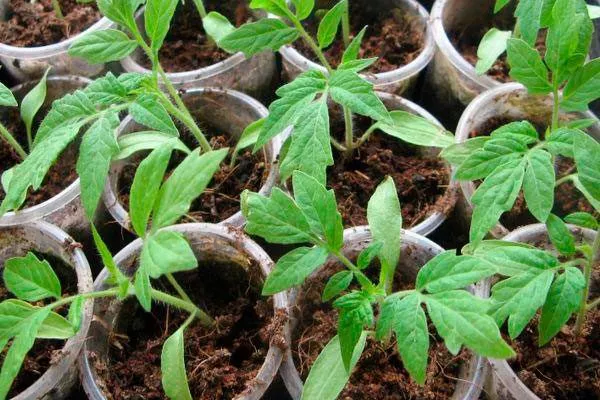
Step-by-step algorithm:
- Sow the seeds in containers with loose, nutritious soil. Use a special mixture or prepare one from humus, peat, and sand in a 2:1:1 ratio.
- Plant the seeds 1-2 cm deep, distributing them evenly over the surface. Carefully cover with soil and lightly moisten.
- Cover the container with plastic or glass to create a greenhouse effect. Place the container in a room with temperatures between 22-25°C.
Maintain optimal temperature and humidity until germination occurs, which usually takes 5-7 days. Later, reduce the temperature to 18-20°C to prevent the plants from becoming leggy. Ensure adequate lighting (at least 12-15 hours per day). If light is insufficient, use grow lights.
The intricacies of planting seedlings in the ground
The soil in the greenhouse or garden beds should be prepared in advance. To do this, dig the area and add organic fertilizers (humus or compost) and minerals to stimulate growth. The soil should be loose and well-drained to prevent root rot.

Helpful tips:
- Choose sunny, well-drained sites. Avoid areas where other nightshade crops (potatoes or eggplants) were previously grown to prevent disease buildup.
- The soil temperature should be no lower than 15-18°C. Avoid planting seedlings too early, as this may slow growth.
- Space seedlings 40-50 cm apart and 60-70 cm between rows to ensure sufficient room for development.
- ✓ The optimal soil temperature for planting seedlings should not be below +15°C, which is critical for preventing stress in plants.
- ✓ The distance between plants should be at least 50 cm to ensure sufficient aeration and prevent diseases.
Prepare the holes and add some humus, place the plants and moisten them generously with warm water.
Care
After planting the seedlings in the ground, take care of them. To ensure strong tomatoes and a bountiful harvest, follow proper farming practices:
- To prevent disease, water the bushes only at the roots, avoiding contact with the leaves. On hot days, water 2-3 times a week, depending on weather conditions.
- During the first half of the growing season, apply nitrogen-rich fertilizers to promote vigorous foliage growth. Apply a second fertilizer during the flowering phase, using potassium and phosphorus to stimulate tomato production. During fruiting, complex mixtures containing micronutrients are effective.
- To retain soil moisture and prevent weed growth, cover the beds with straw, humus, peat, or grass clippings. The mulch should be about 5 cm thick.
- Loosen the soil to ensure good aeration of the root system and prevent crust formation on the surface. Do this regularly, approximately once every 1-2 weeks, especially after watering. Remove weeds at the same time.
- To increase productivity and improve the quality of tomatoes, remove side shoots – lateral shoots that develop in the axils of the leaves.
Diseases and pests
Crops can be susceptible to a variety of problems. Proper attention to prevention and treatment will help maintain plant health and ensure a good harvest.
Common diseases and insects:
- Late blight. Symptoms include yellowing and wilting of leaves, and brown spots on stems and fruits. Treat with fungicides such as Topaz, Abiga-Peak, or Ridomil Gold.
- Powdery mildew. A fungal disease that appears as a white, powdery coating on leaves, stems, and fruits. It most often occurs in conditions of high humidity and low temperatures. Spray with Skor or Falcon and ventilate greenhouses regularly.
- Peronosporosis. Characterized by the appearance of dark spots on leaves and brown lesions on tomatoes. Spores develop with overwatering. Copper sulfate and Bordeaux mixture are effective for treatment. For prevention, use Strobi and Ridomil Gold.
- Aphid. These small pests feed on plant sap, weakening them. They can also transmit viral diseases. Use insecticides such as Fitoverm, Aktara, or Confidor, and attract natural enemies such as ladybugs.
- Spider mite. It leaves a web on leaves and stems, causing yellowing and deformation. The parasite is active in hot and dry weather. Acaricides such as Akarin or Omayt, as well as folk remedies such as garlic or tobacco infusion, can help.
| Disease | Resistance of the Sushka variety | Recommended preventive measures |
|---|---|---|
| Late blight | Average | Regular ventilation and fungicide treatment |
| Powdery mildew | High | Humidity and temperature control |
Pros and cons
Before planting seedlings in your garden, carefully study the characteristics and features of the crop. The Sushka variety has many advantages:
Among the disadvantages, gardeners note sensitivity to drought and the risk of pest infestation.
Reviews
The Sushka tomato is a versatile and easy-to-grow variety that will delight both fresh tomato lovers and those who value a bountiful harvest for winter storage. It is disease-resistant and rarely attacked by pests. These qualities make it an ideal choice for greenhouse cultivation, especially in variable climates.