
The Crazy Cherry Barry tomato is a high-yielding cherry variety with vibrant fruits that delight with an unusually sweet flavor. Indeterminate plants, requiring support, are ideal for both open ground and greenhouse cultivation. This crop is resistant to diseases and pests, tolerates drought and cold snaps, and produces generous harvests with proper care.
History of creation, description of the bush and fruits
Bred in 2015 by Brad Gates, the creator of Wild Boar Warm in Northern California, USA, it is a vigorous, tall plant with an upright structure, reaching a height of up to 200 cm.
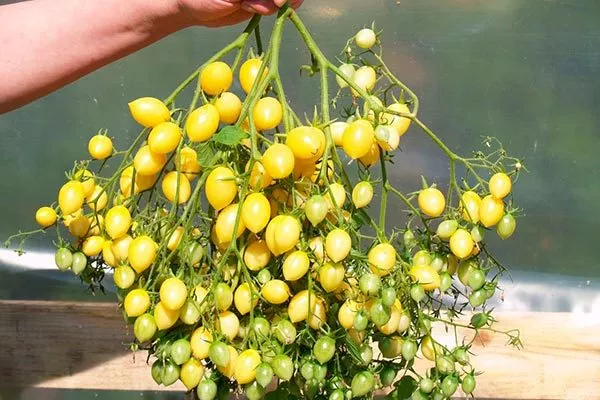
Distinguishing characteristics:
- Stem – thin and knotty, requires garter.
- Leaves - small, light green in color, with an elegant carved shape, which gives the culture a decorative appearance.
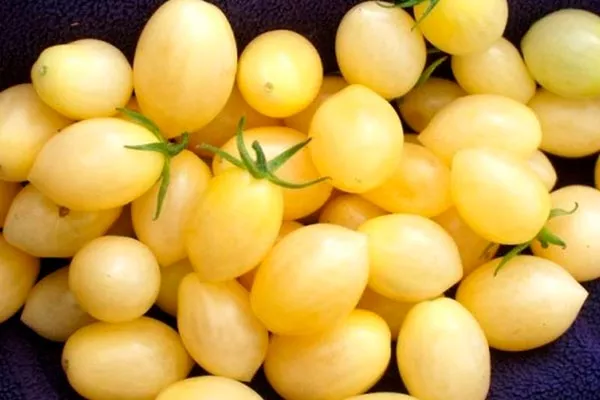
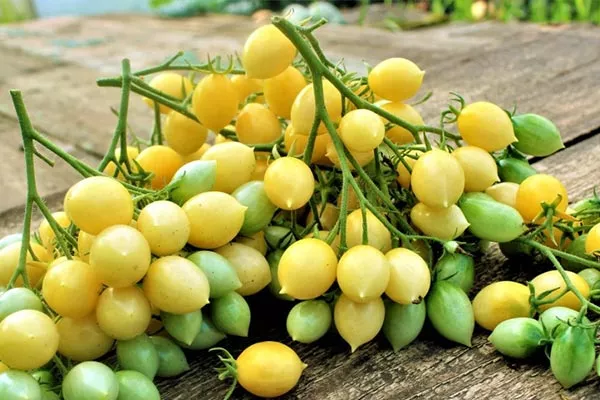
- Fruits – Small, they are gathered into large, complexly branched clusters resembling grape bunches, each of which can contain over 50 berries. A bush produces 8-10 such clusters. They are oval in shape, sometimes with a pointed tip.
- ✓ The plant height reaches 200 cm and requires mandatory garter.
- ✓ The fruits are collected in clusters resembling grapes, each containing more than 50 berries.
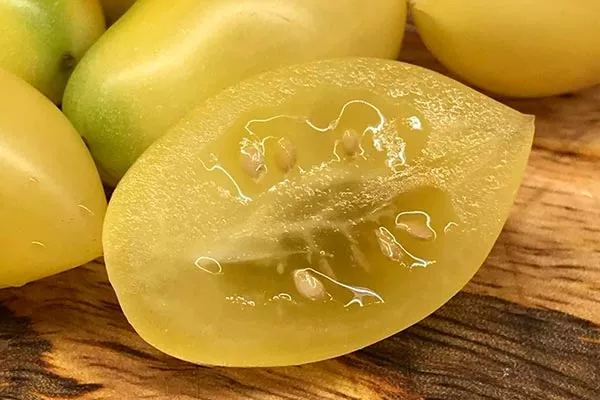
The tomato skin is milky-white, translucent, and takes on a slight yellowish tint when fully ripe. The average weight of a single tomato is 10-15 g.
Characteristics of the variety
Barry's Crazy Cherries have gained popularity among many gardeners across our country. Such unique and unusual varieties are extremely rare.
Features of the culture:
- Taste and area of use of tomatoes. The vegetables are characterized by a rich sweetness, complemented by subtle spicy undertones that are most pronounced in the aftertaste.
Cherry tomatoes are suitable for canning, but are especially prized for their fresh flavor. Miniature cherry tomatoes are used to garnish various dishes, adding a sophisticated touch.

- Productivity and fruiting. This is a mid-early variety, with the vegetables ripening 90-95 days after germination. It is highly productive, yielding 2-2.5 kg per bush.
- Resistance to diseases and pests. The crop is rarely affected by late blight, but there is a risk of developing late alternaria (a fungal infection), which is successfully dealt with by removing affected leaves with spots.
This variety has many positive qualities, which is why it is appreciated by both novice and experienced vegetable growers.
Planting Barry's Crazy Cherry tomatoes
This unique variety delights gardeners not only with its unusual appearance but also with its sweet taste with subtle spicy notes. To ensure a bountiful harvest, it's important to follow all planting steps correctly—from seed preparation to transplanting the seedlings into the soil.
Terms and conditions of preparation
The sowing date depends on the growing region and the planned cultivation method (open ground or greenhouse). For most regions of Russia, sowing is recommended in mid-March. If tomatoes will be grown in a greenhouse, sow them as early as the beginning of the month.
Prepare the planting material in advance:
- Calibration. Select large and full-weight seeds, excluding damaged or empty ones.
- Disinfection. Soak the grains in a solution of potassium permanganate (1 g per 100 ml of water) for 20-30 minutes to protect them from fungal infections.
- Growth stimulation. Treat the seeds with a stimulant solution, such as Epin or Zircon, according to the instructions. This will increase their germination rate.
- Soak. To speed up germination, wrap them in a damp cloth and leave them at room temperature for 12-24 hours.
For sowing, small containers with a depth of 5-7 cm are best suited:
- special cassettes for seedlings;
- plastic containers;
- peat pots or tablets.
Sowing and caring for seedlings
Use a ready-made tomato mix or make your own by mixing 2 parts garden soil, 1 part peat, and 1 part sand. Add a little wood ash to reduce acidity.
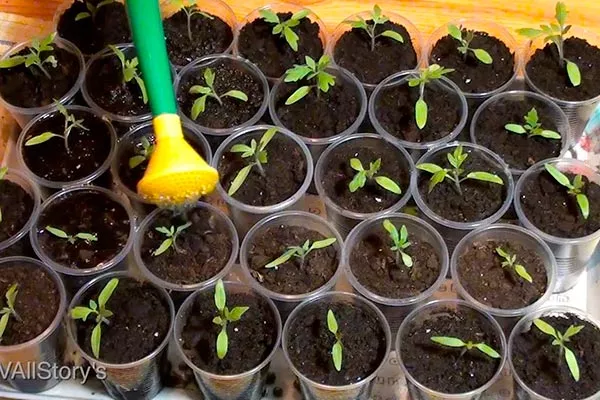
Follow the recommendations:
- Fill the containers with soil, moisten it, and make furrows 1-1.5 cm deep with 2-3 cm between the seeds. Sprinkle with a thin layer of soil.
- Cover the containers with film or glass and place in a warm place with a temperature of +25-27°C.
- Once the first sprouts appear (5-7 days), remove the cover and move the containers to a well-lit windowsill. Use grow lights for additional light, especially on cloudy days.
- Reduce the temperature to +20-22°C during the day and +16-18°C at night.
- Water the seedlings carefully using a spray bottle to avoid washing away the soil. The water should be warm and settled.
- When 2-3 true leaves appear, transplant the seedlings into individual 200-300 ml cups. This will allow the plants to develop a strong root system.
10-14 days after picking, apply mineral fertilizers for tomatoes (with low nitrogen content).
Transplanting seedlings into the ground
Before transplanting seedlings to a plot or greenhouse, prepare them for the event. Begin bringing the plants outdoors 7-10 days before transplanting, gradually increasing their time outdoors.

Helpful tips:
- The plant prefers well-lit locations protected from drafts. The soil should be loose, fertile, and well-drained.
- In the fall, add organic matter (rotted manure or compost). In the spring, add wood ash and superphosphate.
- Plant seedlings outdoors when the danger of frost has passed and the soil has warmed to 14-16°C. In a greenhouse, transplant 2-3 weeks earlier. Space seedlings 40-50 cm apart, with row spacings of 50-60 cm.
- ✓ Optimum soil temperature for transplanting seedlings: +14-16°C.
- ✓ Distance between plants when planting: 40-50 cm, between rows: 50-60 cm.
Make holes 15-20 cm deep and moisten them with warm water. Transfer the seedlings with the soil ball to avoid damaging the roots. Fill the holes, compact them lightly, and water again.
Further care
To achieve a high yield of Crazy Cherry Barry tomatoes, it's essential to pay attention to comprehensive care. Follow standard agricultural practices:
- Watering. Provide moderate and regular watering. Use settled water at a temperature of 22-24°C. Water the plants directly at the roots to prevent fungal diseases. Initially, water the bushes 1-2 times a week, increasing the frequency during the fruiting period.
- Mulching. To retain moisture, prevent weed growth and improve soil structure, mulch it with straw, humus, peat or sawdust in a layer of 5-7 cm.
- Weeding and loosening. Regularly remove weeds, which can spread diseases and compete with tomatoes for nutrients. Loosening the soil after watering improves root aeration and promotes vigorous root growth.
- Garter. Secure the stems to prevent them from breaking under the weight of the tomatoes and to ensure even light distribution. Support the stems with trellises, stakes, or netting.
- Pinching out stepsons. Remove excess side shoots to prevent plants from wasting energy on their growth. Train the plants to 2-3 stems to achieve the optimal balance between the quantity and quality of vegetables.
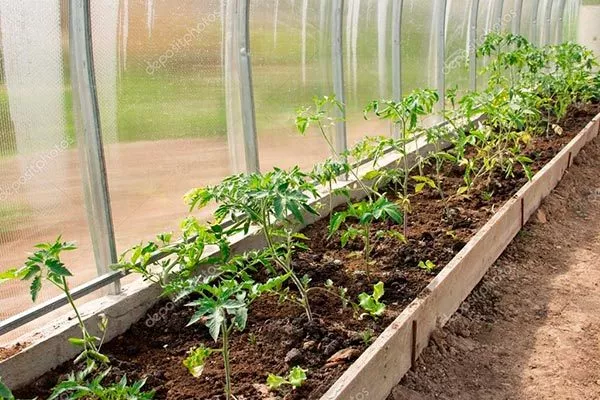
Fertilize the bushes at least 3-4 times per season. After the seedlings have rooted, apply organic fertilizers such as mullein or chicken manure infusion. Before flowering, use mineral fertilizers containing potassium and phosphorus, and during tomato development, use potassium-rich substances and wood ash.
Possible problems
Growing the crop generally doesn't present any significant difficulties, but some issues can still arise. Let's look at the main ones and how to prevent them:
- Low seed germination – Using low-quality or unprepared seeds. Always choose seeds from reputable producers. Before sowing, treat them with growth stimulants and disinfect them in a solution of potassium permanganate or hydrogen peroxide.
- Poor growth of seedlings – Insufficient light, abnormal temperature conditions, or nutrient deficiencies. Provide additional lighting for seedlings with phytolamps. Maintain an optimal temperature. Apply complex fertilizers on a timely basis.
- Wilting of seedlings – Root damage during transplantation or stress. Water with warm water and shade the plants during the first few days.
- Yellowing of leaves – Nitrogen deficiency or improper watering. Apply nitrogen fertilizer and ensure regular watering.
- Cracking of tomatoes – Sudden fluctuations in soil moisture. Water regularly, avoiding drying out or overwatering. Mulch the soil to stabilize moisture levels.
- Small or deformed fruits – Potassium deficiency or improper bush formation. Apply potassium fertilizer during flowering and fruiting. Remove excess shoots and leaves that block ventilation and light.
Treatment and prevention of diseases and pests
The Crazy Cherry Barry tomato, like other varieties, requires regular treatment and preventative care to prevent diseases and protect against insects. To prevent the spread of infections, practice proper gardening, including weeding and ventilation of greenhouses.
Disease control and pest prevention:
- Late blight. Avoid overwatering the soil and avoid watering the bushes with cold water. During the active growth period, treat the plants with copper-containing preparations, such as Bordeaux mixture or Hom.
- Powdery mildew. The disease can affect bushes in conditions of high humidity and low temperatures. Apply fungicides such as Topsin-M or Ordan, and monitor humidity levels in greenhouses.
- Root rot. Overwatering and poor soil may be the cause. To prevent this, ensure good drainage and moderate watering.
- Aphid. Folk remedies such as tobacco or garlic infusions are effective for pest control. Insecticides such as Aktara or Fitoverm can also help.
- Spider mite. The pest appears in hot and dry weather. To control it, use acaricides such as Neoron or Sanmite.
- Colorado beetle. The pest eats plant leaves. To protect against the pest, treat it with insecticides or folk remedies such as a solution of soap and garlic.
General recommendations:
- Inspect the bushes to detect signs of disease or the presence of pests in a timely manner.
- Practice crop rotation and avoid planting tomatoes in the same location for more than two years in a row to prevent pathogen buildup in the soil.
- Use healthy seeds and seedlings, and regularly clear greenhouses of plant debris.
Regular prevention and proper treatment will help maintain the health of the crop and ensure a good tomato harvest.
Pros and cons
Barry's Crazy Cherries grow well both outdoors and in protected ground, combining both advantages and some limitations.
The culture has no significant shortcomings.
Similar varieties
| Name | Growth type | Fruit color | Disease resistance |
|---|---|---|---|
| Tomato Crazy Cherries Barry | Indeterminate | Milky white with a yellowish tint | Resistant to late blight, risk of alternaria |
| Astrologer | Indeterminate | Lemon yellow | Stability not specified |
Stargazer is similar to the Barry's Crazy Cherry tomato. It's a mid-early (110-115 days) indeterminate cherry tomato variety that can be grown both outdoors and indoors.
Distinguishing characteristics:
- The bushes reach a height of 1.8-2 m and require garters.
- The tomatoes are lemon-yellow in color and weigh between 20 and 25 grams.
- The fruits are collected in large, beautiful clusters.
This tomato boasts an exceptionally sweet dessert flavor and high yields. It's ideal for fresh consumption and whole-fruit canning. Yields range from 9-11 kg per square meter.
Reviews
Barry's Crazy Cherries are an excellent choice for those who value not only good productivity but also excellent taste. The compact bushes are easy to grow due to their low maintenance. The bright, sweet tomatoes are perfect for a variety of dishes and preserves. This crop will delight both experienced gardeners and novices with its long-lasting fruiting.