
The Sultan tomato is a determinate hybrid renowned for its excellent flavor and versatile harvest. Its long fruiting period and high yields of large fruits have attracted the attention of both amateurs and professionals for 20 years. Read all about the growing conditions and secrets in our article.
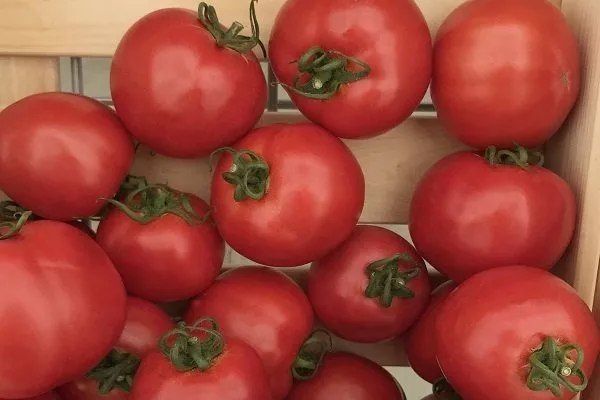
The Sultan tomato variety is high-yielding.
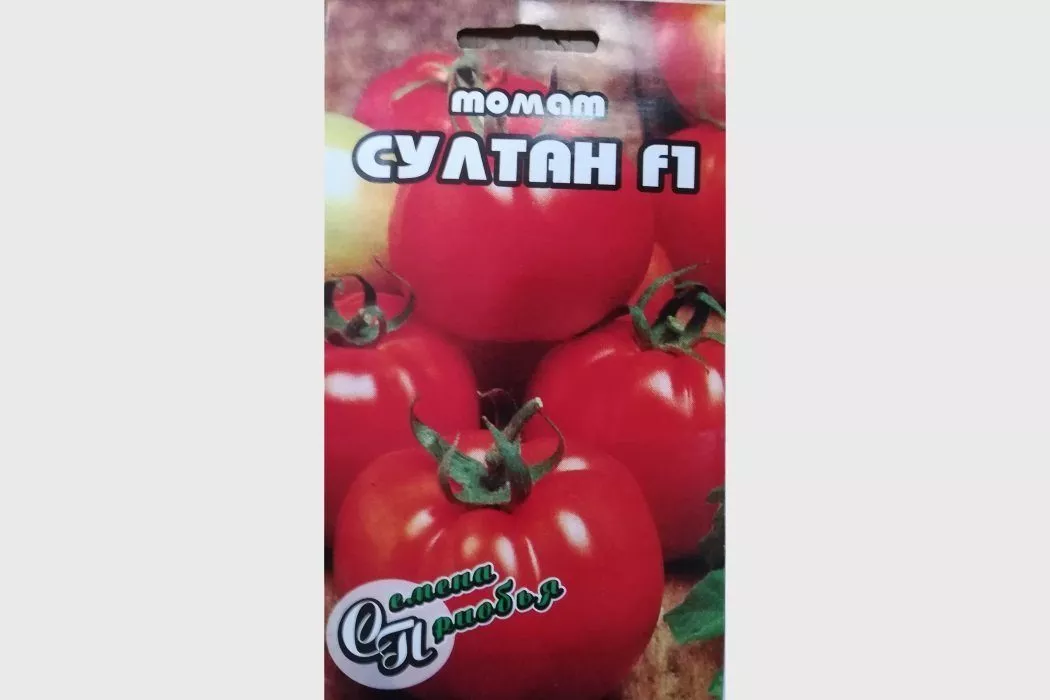
Sultan tomato seeds
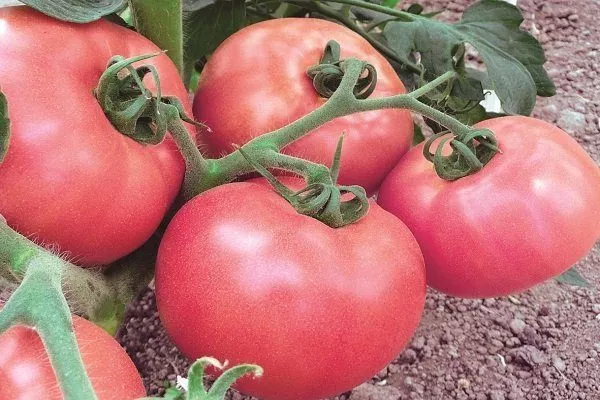
Tomato variety Sultan
The origin of the unpretentious Sultan tomatoes
Sultan is the fruit of Dutch breeding. It was included in the State Register of Breeding Achievements of Russia in 2000 for the North Caucasus, Central Black Earth Region, and the Lower Volga region.
Characteristics of tomatoes
The hybrid belongs to the high-yielding varieties of early maturity.
External differences
Sultana's determinate plants are compact, with a medium number of large, dark green leaves and simple inflorescences. Each inflorescence produces 5-6 tomatoes.
The flat, rounded fruits have slight ribbing. Unripe tomatoes have a deep green spot around the stem, which disappears as they ripen.
Ready-to-eat tomatoes have a deep red color and strong skin that resists damage and cracking. The flesh is quite dense and tender, with 5-6 pockets containing virtually no seeds. A slight tartness pleasantly offsets the sweet flavor.
Productivity
Sultan bears fruit throughout the season, with the last tomatoes harvested in September. With large fruits—up to 200 g—and a high ovary, careful management allows for yields of up to 560 c/ha, which is 700-100 c/ha higher than regional standards.
Features of application
Tomatoes are well-suited for transportation and long-term storage. Their excellent flavor makes them ideal for fresh salads or vegetable platters. They also excel in canning and processing: juices, preserves, and sauces will delight gardeners during the cold season and add variety to the table.
Advantages and disadvantages
The most attractive advantages of the Sultan hybrid include:
- high collection rates;
- quality and size of tomatoes;
- long-term preservation of the harvest;
- versatility in application;
- resistance to common fusarium and verticillium wilt;
- compactness and low growth of bushes.
Features of cultivation
Like most tomatoes, Sultan requires seedling cultivation.
Selecting seedlings
When choosing seedlings, be sure to consider the following points:
- Opt for strong plants with a developed root system.
- Excessively bright greenery may indicate an excess of nitrogen fertilizers.
- All plants should be healthy. Even if one is clearly infected, the others may be incubating without any visible symptoms.
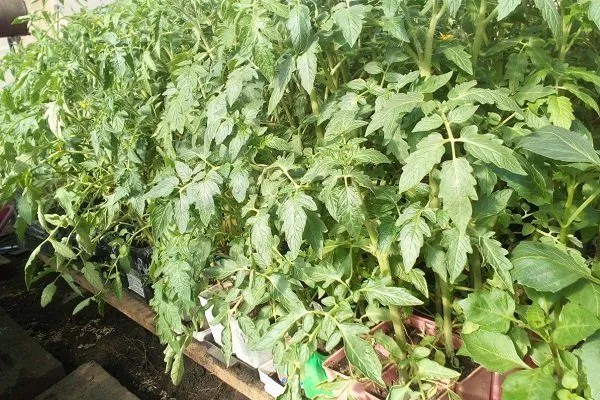
- Ideally, the seedlings should not be too tall – up to 30 cm – and have 6-7 true leaves.
- Purchase plants no older than 50-60 days without ovaries.
- The chances that the bush will take root are higher if it is transplanted together with nutritious soil;
- It's best to buy seedlings from reputable and trusted suppliers. Check the growing conditions to ensure the seller's competence.
Soil and fertilizers
Sultan isn't particularly picky about soil, but slightly acidic sandy or loamy soil, fertilized with humus, is ideal. Proper crop rotation is also important.
- ✓ Soil pH should be between 6.0-6.8 for optimal nutrient absorption.
- ✓ The organic matter content of the soil should be at least 3-5% to ensure good structure and water-holding capacity.
The best predecessors for tomatoes are melons, legumes, cabbage, cucumbers, and root vegetables. Avoid planting them after nightshades.
Tomatoes are very demanding when it comes to nutrients: during root development, phosphorus requirements increase, and during flowering and fruiting, potassium requirements increase. A lack of nitrogen will slow growth and affect crop quality and plant immunity. Therefore, it's best to prepare the soil in the fall by adding fertilizer, compost, or manure. In the spring, you can supplement the soil with nitrogen-containing additives.
For clay soils, digging and adding peat, compost, or sand is beneficial. Requirements per square meter:
- 5 kg of peat;
- 8 kg of sand;
- 5 compost or manure.
To reduce soil acidity, use lime, wood ash, or chalk. Perform the alkalization procedure at least two weeks before planting.
Growing conditions
Tomatoes are very heat-loving – choose open, sunny areas without excess moisture. For adequate growth, daylight hours should be at least 12 hours, and a comfortable temperature range is 15-35 degrees Celsius. Tomatoes are not particularly fussy about humidity. The beds should be well-ventilated and not overly crowded.
Growing seedlings at home
If you have the desire, growing seedlings yourself will not be difficult at all.
Seed preparation
Seeds from reputable, large suppliers are typically processed before being packaged. They do not require soaking or disinfection.
If you have purchased untreated seed material, there are several preparatory steps to take:
- To check for germination, place the seeds in a glass of water with 1 teaspoon of salt. Discard any that float to the surface.
- To disinfect, soak the seeds in a potassium permanganate solution for 20 minutes. To do this, dilute 1 g of the solution per liter of water.
- Apply a growth stimulant treatment to enrich the seeds with nutrients.
Some gardeners harden their seeds. To do this, rinse the prepared seeds, place them in a bag, and store them in a cool place for three days, such as on a refrigerator shelf.
Contents and location
South-facing windows are ideal for seedlings. To maintain sufficient light, use grow lights. To compensate for the heating system, mist the plants daily or use a humidifier.
The temperature during the day should be 18-25 degrees, and at night – 12-15 degrees Celsius.
Sowing seeds
Sowing should be done 50-60 days before the expected planting date. Seedlings can be grown in two ways:
- with picking;
- without diving.
In the first option, the seeds are sown in a shallow container, and after 1-3 true leaves appear, the plants are transplanted into individual containers before planting in the ground. In the second option, the seeds are immediately sown into pots or cups, where the tomatoes will remain until transplanted into the garden.
Read about how to transplant tomato seedlings. next article.
For sowing, use specially prepared commercial soil or prepare your own. Mix equal parts soil, peat, and humus. You can add 0.5 liters of ash for every 10 liters of the resulting mixture and 40 g of superphosphate.
Disinfect the soil by baking it in the oven, pouring boiling water over it, or pouring a solution of potassium permanganate over it.
Fill the seedling containers with soil, water with warm water, and plant the seeds at a depth of about 1 cm. Then cover the future seedlings with plastic wrap and keep them in a warm place. The first shoots will appear in 3-5 days.
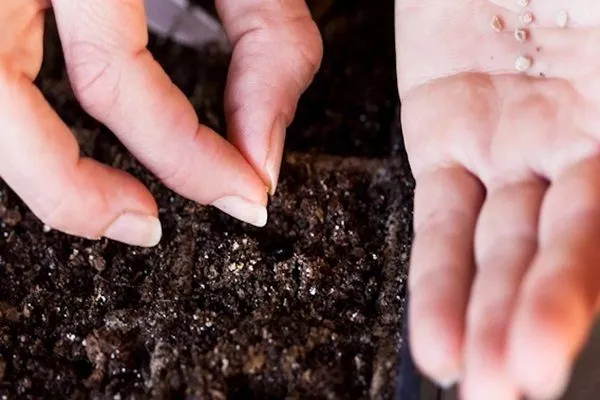
Be sure to let the soil breathe by periodically removing the covering material.
Caring for seedlings
Caring for seedlings includes watering, sufficient lighting, fertilizing and hardening:
- Water the soil as it dries, using settled water. It should definitely be warm.
- To encourage germination, maintain a temperature of 25-28 degrees Celsius; after removing the plastic wrap, 20-24 degrees Celsius is optimal. On warm days, ventilate the room or move the seedlings to the balcony. Closer to transplanting time, harden off young tomatoes by opening windows or outdoors, gradually increasing the time spent outdoors.
- Seedlings love light; young plants need it for 12-16 hours a day. If natural light is short, add lamps.
- Feed the seedlings The first application is recommended 2-3 weeks after germination. Generally, fertilize 3-4 times during seedling growth. Organic or complex mineral fertilizers containing phosphorus are best for this purpose.
We also recommend reading the article about growing tomato seedlings from seeds.
Transplanting seedlings into the ground
The seedlings are transplanted to their permanent location after two months, when the plants have 6-7 true leaves. The average daily temperature should not fall below 12 degrees Celsius. In southern regions, this is early May, and in central regions, it's closer to the end of May. Until warm weather sets in, cover the beds with plastic or other covering material at night.
It is best to transplant in the evening or in cloudy weather so that the tomatoes have time to adapt before the bright sun.
Make holes for the plants according to a 40x50 cm pattern. Place fertilizer on the bottom, place the plants, then cover with soil and water the tomatoes.
Features of growing in open ground
Growing seeds in open ground has its own nuances.
Open ground conditions
In southern Russia, Sultan can be grown directly in open ground, but in cooler regions, a greenhouse will be necessary. In warmer climates, tomatoes can be planted under cover as early as mid-April, and in open ground by May.
Preparing the soil and choosing a site is no different from what was described above when planting seedlings.
To protect against frost, cover the plantings with plastic or breathable materials, which can be stretched over arches. A heated bed, where heat is released during rotting, is also ideal.
When planting seeds in greenhouses:
- Before planting, check them for leaks and disinfect them.
- After this, be sure to air it out for 5 days.
- Renew the soil if necessary.
- The soil layer must be well warmed up, so adhere to the recommended height - no more than 25 cm.
- Form beds about 60 cm apart and make holes in a checkerboard pattern.
The process of planting seeds in the ground
By mid-April, the soil in southern Russia is usually already warm enough to sow seeds into the ground.
Make holes 35-40 cm in diameter in the prepared soil and water them with a potassium permanganate solution. You can sow either sprouted or dry seeds. If there's a frost, the dry seeds won't be damaged; they'll simply sprout later.
Thin out plants sown in open ground regularly:
- After 2-3 true leaves appear, leave the strongest shoots at a distance of 7-9 cm.
- Before the second (4-5 leaves), water the holes thoroughly, again selecting stronger plants at a distance of about 15 cm. Rejected tomatoes are suitable for transplanting to areas with poor seedlings.
- The final thinning will leave a few bushes at a distance of 40 cm.
Caring for plants in open ground
To ensure a quality harvest, planted plants require constant care.
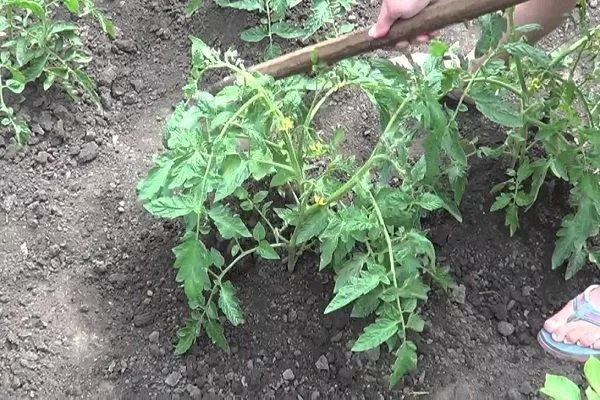
Watering, loosening and weeding
Tomatoes prefer root watering with settled water at a temperature of at least 18 degrees Celsius. In cool spring weather, the water can be warmed to 25 degrees Celsius. Water getting on the bushes themselves will ruin the flowers and prevent fruit set.
The frequency of watering depends on the weather: the top layer of soil should not dry out. This happens faster in open ground than in greenhouses. Excess moisture can lead to fungal diseases and rot.
After moistening, it's a good idea to loosen the soil. Remove any weeds at the same time. Loosening the soil allows the roots to breathe and absorb moisture. This procedure should be performed at least twice a month to a depth of 5 cm.
When the plants grow, along with loosening the soil, also carry out hilling to form adventitious roots.
Pinching out side shoots and garter
When caring for Sultan tomatoes, pinching out side shoots is crucial for the quality of the harvest. For determinate plants, form 2-3 main stems, removing all side shoots. Towards the end of August, remove the tops, flowers, and small ovaries to allow larger fruits to ripen and grow.
In warm climates with long summers, tomatoes do not need to be side-sonned.
Sultan's low growth habit can lead to misconceptions about the need for staking. Inexperienced gardeners may assume this variety requires no additional support, but this is not true. Due to its high yield and large fruit, the plants tend to lean toward the ground and can break. To avoid damage to the bushes, use wooden stakes or trellises.
- The first feeding is 2 weeks after planting the seedlings: complex mineral fertilizer with a predominance of nitrogen.
- Second feeding at the beginning of flowering: fertilizer with a high content of phosphorus and potassium.
- Third feeding during the fruiting period: potassium fertilizers to improve the taste of the fruit.
Top dressing
Tomatoes are fertilized 3-4 times throughout the growing season. It is recommended to alternate mineral fertilizers with organic ones. Solutions of cow manure (1 to 10) or chicken manure (1 to 15) at a rate of 1 liter per plant are excellent organic additives.
Among minerals, choose complex ones containing phosphorus and potassium.
Fertilizers are applied only after watering.
Disease and pest prevention
The hybrid Sultan is renowned for its resistance to verticillium wilt, fusarium wilt, and other common tomato pests. But prevention is always a good idea:
- disinfect seeds, soil, and tools;
- follow the rules of watering and pinching;
- Spray the bushes with potassium permanganate or copper sulfate against diseases;
- against pests use a soap solution, wormwood or garlic tincture;
- Inspect plants regularly and remove damaged parts promptly.
The main insects that can cause harm and possible methods of controlling them are discussed in the table.
| Pest | Treatment |
| Aphid |
|
| Spider mite |
|
| Colorado beetle |
|
| Slugs |
|
| Whitefly |
|
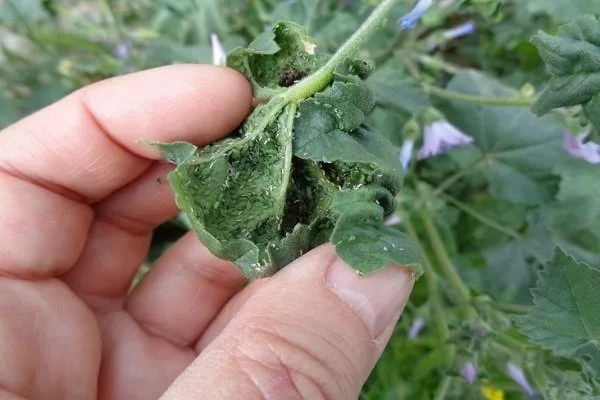
Diseases can be prevented Proper care of tomatoes in open ground.
Harvesting and storage
The main harvest ripens from mid-summer until the last ten days of August. By the end of this period, plants begin to die back, their immunity weakens, and the risk of disease increases. To maintain the health and safety of the fruit, it is recommended to harvest ripening tomatoes in early August to reduce the strain on the tomatoes.
When the temperature drops below 8 degrees Celsius and there's a chance of precipitation, all tomatoes, including green ones, are harvested. After this, the bushes are removed from the plot. If warm weather arrives at the end of summer, the tomatoes will have time to ripen on the plants.
Ripe tomatoes keep fresh for no longer than 4-5 days, while green tomatoes can retain their marketable appearance for several weeks. For long-term storage (up to 2 months):
- select firm and undamaged fruits;
- place them in wooden boxes lined with straw;
- cover with a lid without pressing down on the tomatoes;
- Place in a dark, cool place with good air access.
Possible problems and recommendations
When growing tomatoes, you may encounter several problems:
- Dense foliage and low fruit set indicate too much fertilizer. Reduce the amount of fertilizer applied.
- Deformed fruits indicate improper watering and temperature conditions. Pest infestation can also affect the shape of tomatoes.
- The reason for leaf curling is often excessive zeal in pinching out the side shoots and high humidity.
Reviews
Hybrid tomato varieties combine the best qualities: excellent yield, disease resistance, and fruit quality. The Sultan tomato is one of the most striking examples of its kind. This vitamin-packed treasure trove will always brighten your table and add a touch of color to every day. Be sure to try it!