
String tomatoes have a unique color that's unmatched by other tomato varieties. The tomatoes are large, juicy, and flavorful, making them ideal for fresh eating and salads. This variety is resistant to temperature fluctuations and drought. The compact bushes make them ideal for growing in limited space.
Origin and regionality
Bred in the USA in 2000, the variety is also known by other names: The Thong, Dwarf The Thong, Gnome Strap, and Gnome String. It is successfully grown in various regions, especially in warm and temperate climates.
The crop is especially popular in the southern and central parts of Russia, and in countries with similar climates—Ukraine, Kazakhstan, and elsewhere. In colder regions, seedlings are planted in greenhouses.
Description of the plant and fruits
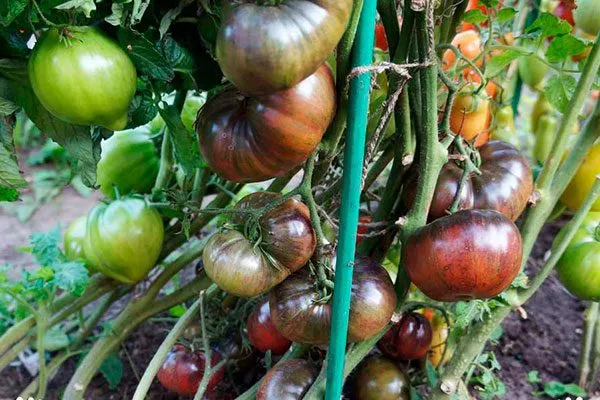
The bushes are medium-sized – height varies from 80 to 120 cm. The stem is strong and stable, and the dark green leaves have a characteristic wrinkled texture.
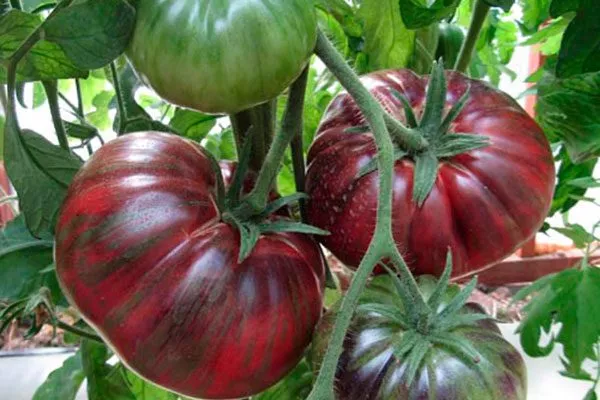
Distinctive characteristics of tomatoes:
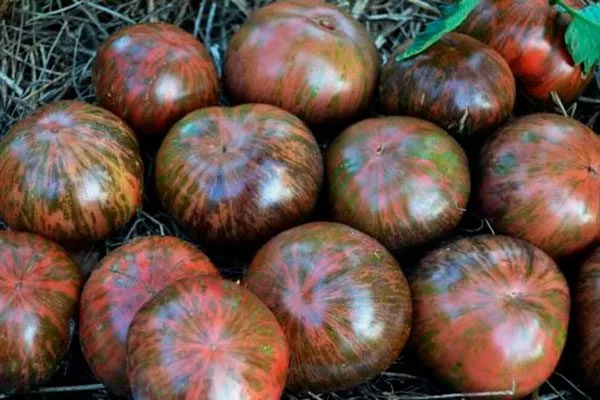
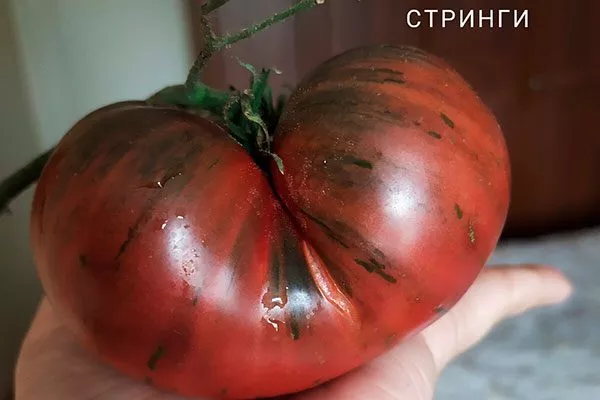
- Unripe tomatoes are dark olive green with a purple tint, and as they ripen, they acquire a rich dark cherry hue with the same purple tint.
- The fruits are large, flat-round in shape.
- Weight varies from 150 to 250 g.
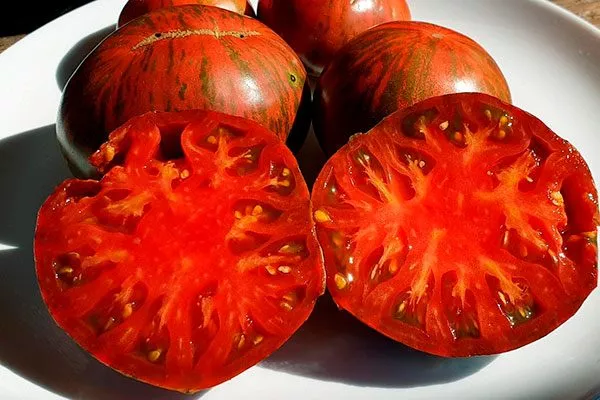
- The pulp is fleshy and juicy, with a purple tint.
This crop is characterized by excellent flavor: balanced and slightly sweet, with a slight spicy note. This variety is versatile – ideal for both fresh salads and freezing. They are used in a variety of culinary dishes.
Nutritional value
String tomatoes contain a number of important nutrients that promote good health:
- Vitamin C – A powerful antioxidant that strengthens the immune system, protects cells from free radicals and maintains healthy skin.
- Vitamin A – Essential for eye health, improves vision and helps maintain healthy skin and mucous membranes.
- B vitamins – play an important role in the normal functioning of the body, including metabolism and the nervous system.
- Vitamin K – participates in blood clotting processes.
- Folic acid - It is especially important for pregnant women, as it supports the proper development of the fetus.
Nutritional fiber helps to normalize the functioning of the digestive system.
Characteristics
Before planting, carefully examine the variety's characteristics to avoid potential problems later. The Stringy tomato has many positive qualities that make it attractive to gardeners.
Study its features carefully:
- Ripening and fruiting. This variety is considered a mid-early variety. The growing season lasts approximately three months, followed by the ripening period, which lasts from 90 to 100 days.
The bright red color of tomatoes is due to the presence of lycopene, which is produced at night temperatures that do not fall below +8-9°C. - Productivity. This is a highly productive variety, yielding approximately 3 kg of fruit per plant. To ensure a good harvest, the plants require trellis support and side shoots (removal of side shoots). Excellent results are achieved by training the bush with 2-3 stems.
- Resistance to diseases and pests. The variety has a strong immune system and is resistant to many diseases. However, preventative measures are important to maintain plant health and protect against pests.
Landing
To ensure high-quality and strong seedlings, sow seeds in the first couple of weeks of March. If you sow earlier, the plants will become too elongated and eventually overgrown, making it difficult for them to establish when planted in the ground. Late sowing also results in stunted growth, which impacts yield.
- ✓ The optimal soil temperature for planting seedlings should not be below +15°C.
- ✓ The distance between bushes when planting should be 50-60 cm to ensure sufficient space for growth.
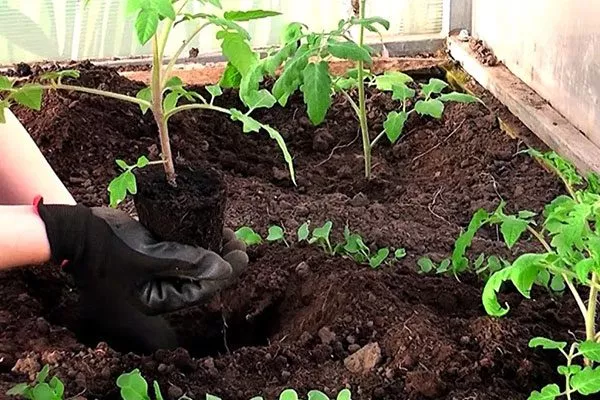
Follow these important rules:
- Fill the containers with fertile soil, place the seeds and lightly sprinkle with soil, moisten with warm water.
- Place the containers on a windowsill or in a greenhouse.
- Once the danger of frost has passed, plant the seedlings outdoors. Ideally, mid- to late May.
Further cultivation
Caring for String tomato bushes involves several key aspects that contribute to healthy plants and a good harvest:
- Watering. Provide the bushes with regular watering, but avoid overwatering. Water the plants at the roots to avoid water getting on the foliage and fruit. Use warm, settled water, preferably early morning or evening.
- Garter. Secure stems and shoots to trellises or other supports. This will help keep plants upright, prevent damage to branches, and improve air circulation.
- Pinching out stepsons. To ensure proper growth and increase yield, remove lateral shoots that grow from the leaf axils. This helps the bushes focus their energy on fruit production.
- Trimming. Trim old or damaged leaves to improve air circulation and prevent disease.
- Top dressing. To stimulate growth and fruiting, fertilize regularly. Use complex fertilizers, alternating organic and mineral solutions. Apply the first fertilizer 2-3 weeks after planting, then repeat throughout the growing season, especially during the period of active fruiting.
- Mulching. To retain soil moisture and prevent weeds, mulch the soil with straw, hay, or tree bark. This also helps reduce the risk of fungal diseases.
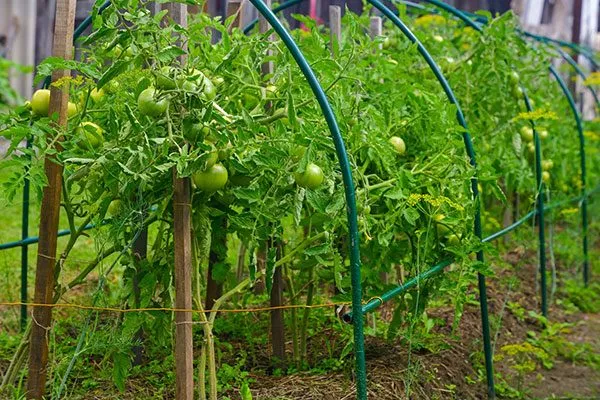
Following these recommendations will provide your String tomato bushes with optimal conditions for growth, protection from diseases, and good productivity.
Diseases and pests
The crop has good immunity and disease resistance, including late blight and macrosporiosis, which often affect plants in the nightshade family. To increase resistance and prevent disease, treat with a solution of potassium permanganate or copper sulfate.
The main pests of the String variety:
- spider mite;
- wire worm;
- mole cricket;
- Colorado beetle.
| Disease/Pest | Resistance of the String variety | Recommended control measures |
|---|---|---|
| Late blight | High | Treatment with copper sulfate solution |
| Spider mite | Average | Use of insecticides Fitoverm or Aktara |
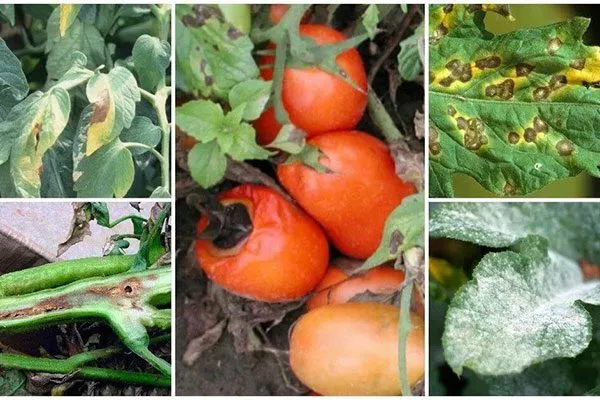
To control insects, use insecticides such as Fufanon, Aktara, Fitoverm, or Iskra. Use other pest control measures as well.
Pros and cons
Strings are successfully grown both in open ground and under shelter, allowing the variety to adapt to a variety of conditions. It has many advantages:
However, the crop does have some drawbacks. For example, it can be difficult to acquire purebred material. The plants also require bush training and regular disease prevention to maintain their health and maximize yields.
Reviews
Stringy is a popular tomato variety with a unique name. Its unusual coloring may not appeal to all gardeners, but its excellent flavor, sweetness, and juiciness greatly compensate for this. The plants have a strong immune system, so with proper cultivation techniques, there should be no problems.