
Sto Pudov is a sought-after tomato variety, gaining popularity due to its low maintenance and high productivity. The plants are disease and pest resistant, tolerate temperature fluctuations, and produce generous harvests of delicious tomatoes for fresh consumption and processing. Proper care ensures a good yield.
Characteristics and description of the variety
Sto Pudov is the result of the work of Russian breeders from the Aelita agricultural firm. It was included in the State Register of Varieties in 2013.
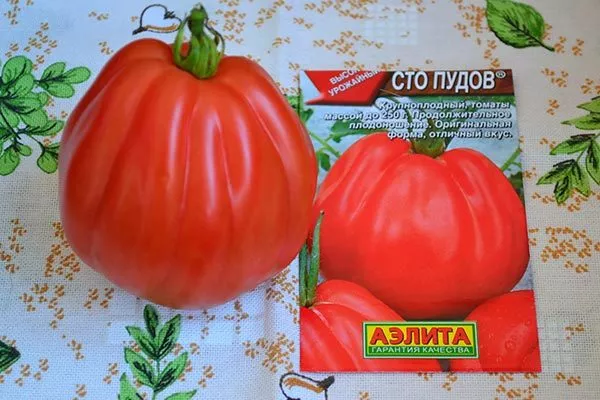
Distinctive features of the culture:
- Plant - Indeterminate, tall and vigorous, with large, dark green foliage. In a greenhouse, the bush reaches a height of 1.7-2 m; in the open ground, it grows more compact.
- Inflorescences – An intermediate type characterized by forked shoots. Up to five fruits are formed on a single cluster.
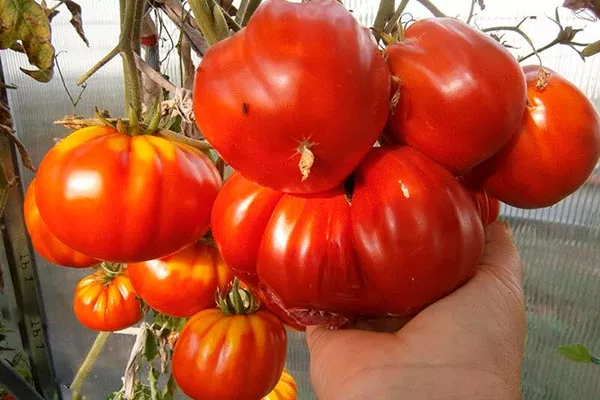
- Fruits – They are large, weighing 170-250 g, but under favorable conditions, individual specimens can weigh up to 750 g. Their unusual pear-shaped form, with deep ribs, gives them an exotic appearance. The ribbing begins at the stem, giving the fruits the appearance of miniature pumpkins.
When ripe, tomatoes turn a bright red, while unripe tomatoes have a uniform light green color without spots. The flesh is medium-dense, meaty, firm, and tender, with 4-6 seed chambers. The skin is smooth and easily peels from the flesh, making it easy to peel.
Distinctive features of the plant and fruits
The Sto Pudov tomato is a prime example of an indeterminate variety suitable for both greenhouse and open-field cultivation. It's important to carefully study the variety's characteristics.
Taste and uses of tomatoes
The fruits have a pleasant, sweet flavor without acidity. Some consider it a bit bland, but the variety is prized for its impressive fruit size and tender, fleshy pulp, making it popular among gardeners.
Application area:
- Tomatoes are mainly used in salads: they are sliced for vegetable dishes or sandwiches.
- Thanks to its large size, one vegetable is enough to prepare a treat for a large family.
- The juicy flesh and attractive shape of tomatoes allow them to be used for table decoration, including carving.
- They are used for processing: they are used to make paste, juice, lecho, adjika and sauces.
This variety is characterized by excellent marketability and transportability. The fruits are firm, attractive, and suitable for commercial sale. They have excellent shelf life, but with prolonged storage, these intensely sweet tomatoes may develop a slight off-flavor.
Ripening, fruiting and productivity
This is a mid-season variety: the first tomatoes are harvested 110-115 days after the shoots emerge. Fruiting is prolonged and gradual, with the harvest occurring from July to August, and sometimes until the first frost. The tomatoes ripen well after harvesting and retain their quality for a long time.
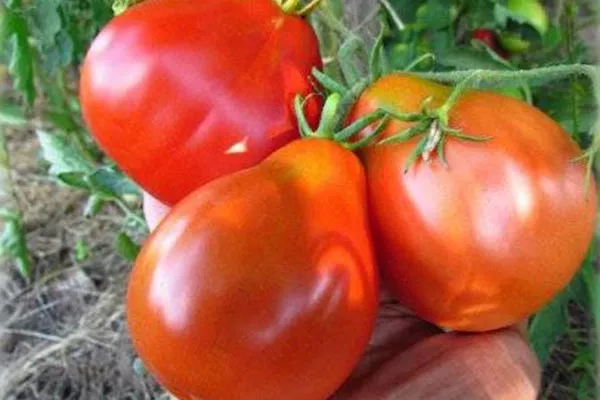
The yield is high – 8.5-9 kg per square meter. In open ground, fruiting begins 2-3 weeks later than in a greenhouse.
Required climatic conditions and regions
The plant successfully produces fruit even under unfavorable climatic conditions, including short-term cold spells. The bushes are undemanding and can survive without cover during temporary temperature drops.
The variety is versatile and suitable for cultivation in various regions. It is planted outdoors in the Central Black Earth Region, the North Caucasus, the Krasnodar and Stavropol Krais, and the Middle and Lower Volga regions. In cooler zones, plastic greenhouses are used to protect the plants.
Possible problems
Gardeners note that the bushes rarely get sick. Long fruiting indirectly indicates the plant's high hardiness, but preventative treatments are a good idea.
- ✓ Tendency to fruit cracking with irregular watering.
- ✓ Need for additional branch support due to large fruits.
Large tomatoes on the lower trusses are prone to cracking, especially if watered inconsistently. This can also lead to blossom-end rot and growths on the largest tomatoes. Double flowers are possible, but due to their unusual shape, such fruits don't look ugly, but simply very large and distinctive.
Growing Guidelines for the Sto Pudov Tomato Variety
This variety is grown using traditional seedling methods. It's important to obtain high-quality seedlings to ensure consistent and long-lasting harvests.
Preparing seeds and soil
Seeds purchased from specialist stores don't require any complicated pre-sowing treatment. Simply wrap the seeds in a damp cloth and leave them for 1-2 days to germinate.
If you collected the seeds yourself, do some preliminary preparation:
- Selection. Place them in a saturated salt solution. Discard any that float to the surface, and rinse those that settle to the bottom with clean water.
- Disinfection. Soak the grains in a weak solution of potassium permanganate for 30 minutes, then rinse again.
- Germination. Wrap the seeds in damp gauze until whitish sprouts appear.
For Sto Pudov tomato seedlings, use store-bought soil or prepare your own. Be sure to disinfect homemade soil before use: preheat in the oven at 180°C for 30 minutes (or water with a weak solution of potassium permanganate).
Sowing seeds and caring for seedlings
To obtain seedlings, sow the seeds two months before transplanting them into a greenhouse or open ground. Follow these steps:
- Fill the prepared containers with the nutrient solution.
- Place the seeds at a depth of about 1 cm.
- Moisten the soil with a spray bottle.
- Cover the containers with plastic wrap to create a greenhouse effect and place in a warm place.
- When the first shoots appear, remove the covering.
- Move the containers to a well-lit place to prevent the seedlings from stretching.
Water carefully, using a watering can with a shallow spout, to avoid disturbing the soil. When the first two true leaves emerge, transplant the seedlings into individual pots. Feed with a solution of complex mineral fertilizer—this promotes the strength and growth of young tomatoes.
Subtleties of landing
Proper planting of the Sto Pudov tomato is crucial for the successful growth and maturation of the bushes. Therefore, it's important to consider all the specifics and nuances of planting this variety.
Working with the site
Choose a well-lit location where the seedlings will receive adequate sunlight (about 8 hours per day). The soil should be fertile, well-drained, and rich in organic matter.
- ✓ The optimal soil temperature for planting seedlings should be at least 15°C.
- ✓ The distance between plants when planting in open ground should be at least 50 cm to ensure sufficient air circulation.
Since this variety can produce large fruits, provide a support system for the plants. Use stakes, stakes, or trellises to ensure stability and prevent damage from the weight of the tomatoes.
Preparing seedlings
Before planting seedlings in the ground, take several important steps. Follow these recommendations:
- Seven to ten days before planting, begin hardening off the seedlings. To do this, take the plants outside or onto the balcony daily, gradually increasing the time spent outdoors. Start with 1-2 hours, gradually increasing the time to a full day.
This will help plants adapt to changes in temperature and sunlight. - A couple of weeks before planting, prepare the soil: add organic fertilizer (humus) and mineral fertilizers (superphosphate and potassium). The soil should be loose and well-drained.
- Make sure the chosen planting site is sunny and protected from strong winds. Ideally, choose a location that hasn't previously grown tomatoes, eggplants, or potatoes to avoid diseases and infestations.
- Dig holes 40-50 cm apart (if the plants will be planted in a row). The holes should be large enough to accommodate the seedlings' roots.
- The day before planting, water the seedlings thoroughly to make it easier to remove them from the container and to avoid damaging the roots.
- Carefully remove the seedlings and place them in the prepared holes. Dig them deep to the first true leaves to encourage additional root formation. Cover with soil and compact firmly. Be sure to moisten the soil after planting.
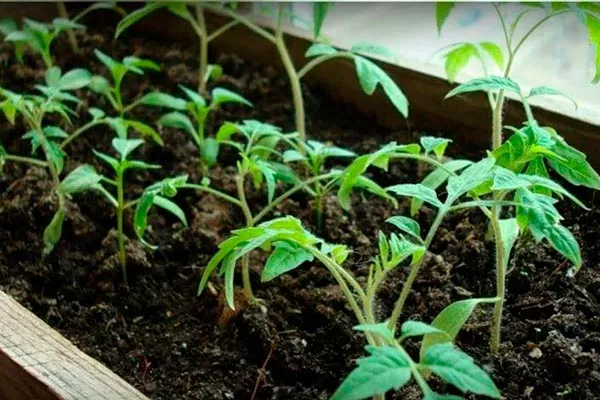
Transplanting tomato seedlings into a greenhouse
Prepare the soil thoroughly before transplanting seedlings to the site. Follow these guidelines:
- In the fall, remove the top layer of soil and replace it with a new nutrient-rich substrate consisting of humus or compost, river sand, and wood shavings. Dig over the soil and prepare the beds.
- In spring, loosen the soil and add complex mineral fertilizer.
- Plant seedlings in mid- to late May when the weather has stabilized.
When planting, maintain a distance of at least 50 cm between bushes, and leave a width of about 60 cm between rows. Place no more than 3 plants per 1 square meter.
Into open ground
Plant seedlings in outdoor beds between May 10 and 15. Space them 35-45 cm apart, and row spacing should be 65-75 cm.
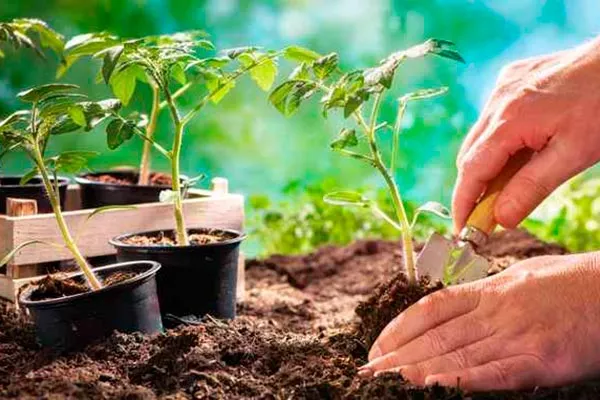
Follow the recommendations:
- Water the soil with a hot solution of potassium permanganate.
- Place the plants carefully to avoid damaging the roots. Fill the holes with soil and gently compact it to eliminate any air pockets.
- After planting, moisten the seedlings with a watering can, mulch the soil with sawdust or humus and apply a complex fertilizer.
In the future, water moderately as the soil dries out.
Further care
Caring for Sto Pudov tomatoes involves several key steps that promote healthy plant growth and ensure a high yield. Standard agricultural practices are essential.
Watering
Water tomatoes only with warm water in the evening, which is key to their normal growth, as cold water slows development. Watering during the day, especially in hot weather, can cause sunburn on delicate plants.

Water the bushes once a week, but thoroughly. After each watering, loosen the soil around the roots to allow air to circulate and remove weeds.
Top dressing
After transplanting, fertilize the seedlings with a solution of 60 g of mullein and 2.5 g of copper sulfate dissolved in 10 liters of water. Fertilize the bushes several more times throughout the season:
- 15 days after picking – 200 g of mullein and 20 g of nitrophoska per 10 liters of water.
- A month after picking – 20 g Superphosphate and 40 g Wood Ash per 10 L of Water.
If the shoots are weak and thin before planting, after two weeks, foliar spray the foliage with a solution of 20 g of urea per 10 liters of water. This will help the plants strengthen and prepare for fruit formation. Once the ovaries appear on the branches, feed them with magnesium sulfate.
Pinching out side shoots and garter
To ensure seedlings grow into full-fledged fruiting bushes, train them properly. Leave 1-2 stems, and remove or trim off any remaining side shoots. This will help the plants grow stronger and the tomatoes ripen.
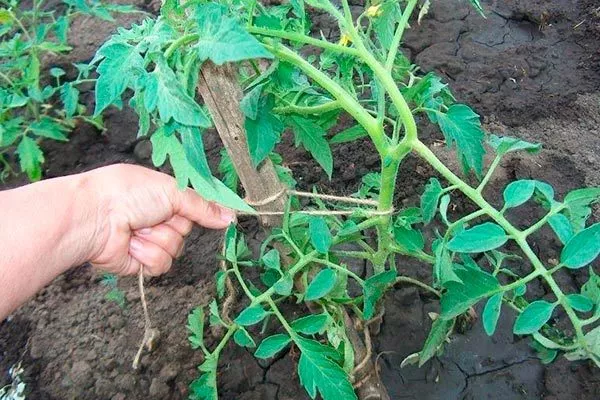
Please complete the requirements:
- Remove lower leaves every 10 days to improve air circulation and prevent the spread of diseases.
- If more than 3-4 flowers appear on a cluster, remove the excess. This is important because large flowers can damage weaker branches.
After planting the seedlings, tie the bushes to prevent them from breaking under the weight of the fruit. As the fruit ripens, secure each shoot. This will help maintain the plants in good condition and ensure a higher-quality harvest.
How to harvest properly?
Sto Pudov tomatoes ripen 70-80 days after planting or emergence. Ripe tomatoes are red and have a soft texture. They should separate easily from the vine.
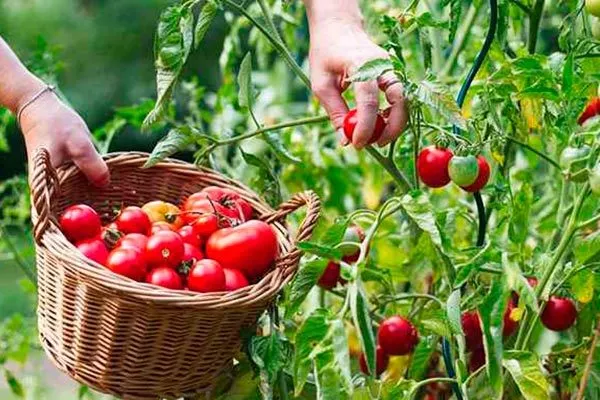
Check your plants regularly and pick ripe tomatoes to extend the harvest period. Use clean scissors or a knife, leaving a small stalk to help the tomatoes last longer.
Control of diseases and pests
To effectively combat diseases and pests, combine various preventative methods and regularly inspect your plants. The plant may suffer from the following problems:
- Mosaic virus. It causes yellowing and mosaic-like discoloration on leaves. Prevention through proper sanitation and control of insect vectors is the best option.
- Gray rot. A fungal disease that causes a gray, fluffy coating on the fruit. To prevent this, ensure good air circulation and dry conditions.
- Mole cricket. Damages tomato stems, which can lead to plant death. Use barriers and traps for protection.
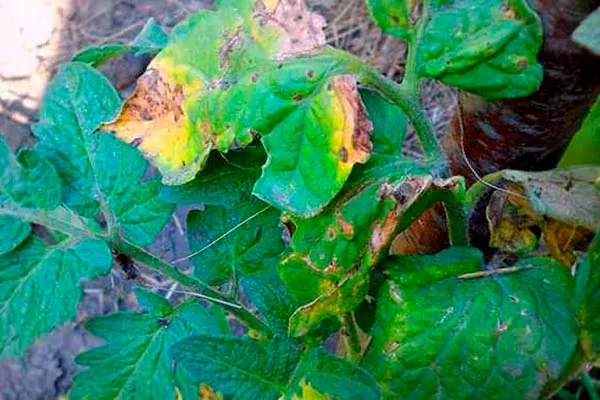
Despite the generally good immunity to diseases, gardeners recommend following several preventative measures:
- Avoid overcrowding when planting.
- Do not plant tomatoes in soil where carrots, cucumbers, cabbage, onions or turnips were previously grown.
- Do not water in conditions of high humidity.
- Water the plants only at the roots.
Use potassium-phosphorus fertilizers for top dressing to increase resistance to diseases and pests.
Varieties similar to the Sto Pudov tomato
| Name | Growth type | Fruit shape | Fruit color |
|---|---|---|---|
| One hundred poods | Indeterminate | Pear-shaped | Bright red |
| Italian-American Goldman | Determinant | Rounded | Yellow |
| Cuneo giant pear | Indeterminate | Pear-shaped | Pink |
| Liguria | Determinant | Rounded | Red |
| Pot-bellied house | Indeterminate | Ribbed | Red |
| Tlacolula red | Determinant | Rounded | Red |
Among the similar varieties to Sto Pudov, several variants stand out. All share similar characteristics and boast good productivity:
- Italian-American Goldman;
- Cuneo giant pear;
- Liguria;
- Pot-bellied house;
- Tlacolula ed.
Reviews of tomatoes include the following features:
- Tendency to fruit cracking.
- Average disease resistance.
- The need for careful shaping of the bush and garter.
- There may be a small white area in the stalk area in mature fruit.
- Not all flowers develop into ovaries.
However, by planting several similar varieties at the same time, you will be able to obtain generous harvests of high-quality tomatoes throughout the season.
Pros and cons
The Sto Pudov tomato variety has no significant drawbacks. The only requirement for successful growth is proper shaping and tying of the bushes, which for some gardeners is a standard part of care.
Despite being easy to care for and undemanding, this variety delights with vegetables with excellent flavor and aroma. Tomatoes are indispensable in salads, used to make thick sauces, and when preserved, they retain their unique properties.
Reviews
Sto Pudov is a tomato variety that combines excellent flavor and ease of cultivation. It's ideal for those who appreciate quick results and delicious vegetables. The harvest is used not only in salads but also for preserves. The taste of these tomatoes is sure to leave a lasting impression.