
The Spasskaya Bashnya F1 tomato is a super-yielding hybrid with classic red fruits. This large-fruited hybrid variety has excellent flavor and excellent agronomic characteristics, allowing it to be grown in virtually any climate.
Who developed the Spasskaya Tower variety?
The Spasskaya Bashnya hybrid was developed by a group of Russian breeders in 2018. This tomato was approved for cultivation in 2020. Authors: T. V. Steinert, N. S. Teplova, A. V. Aliluyev, L. M. Avdeenko, V. Yu. Poldnikova. Originator: Chelyabinsk company "Heterozinskaya Selection".
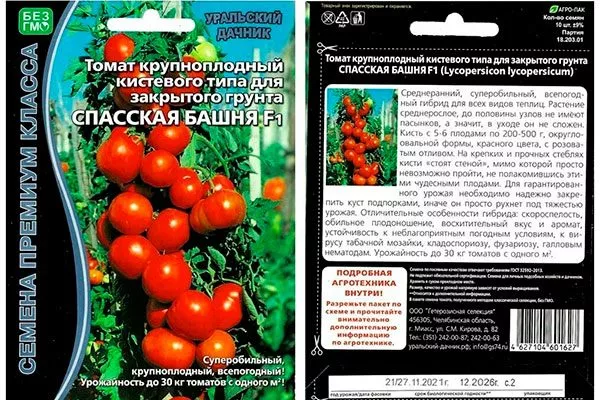
Description of the plant
The bushes are medium-sized, standard, with unlimited growth vigor and a semi-spreading crown. They are indeterminate. When grown in greenhouses, they reach a height of 1.5 m. Their stems are strong and sturdy, and the leaves are light green and medium-length. In the open ground, they grow up to 1 m tall.
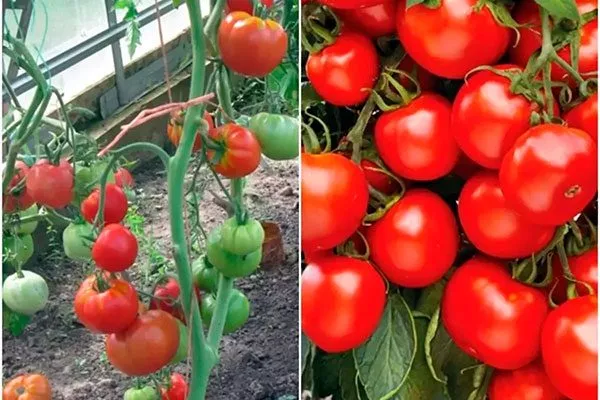
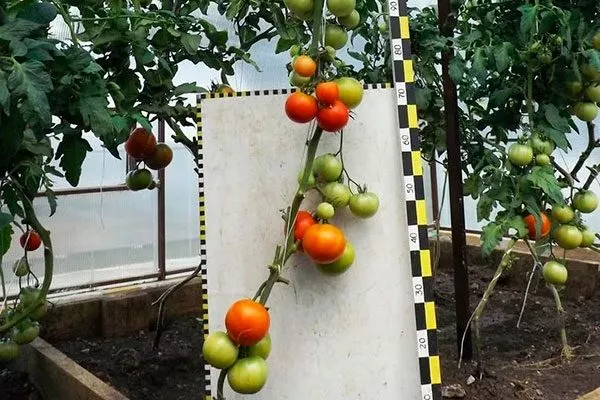
The bushes are heavily foliated, partially shielding the fruit from the sun. The Spasskaya Tower variety produces single-flowering inflorescences, beginning at the 7th leaf. Subsequent inflorescences are spaced every 1-2 leaves. Up to 8 clusters form on the main stem. The peduncles are articulated.
Description of fruits
The fruits of the Spasskaya Tower tomato are quite large, collected in clusters - 5-6 pieces in each.
Brief description of fruits:
- Unripe fruit color: light green, with a spot near the stalk.
- Color of ripe fruit: red.
- Form: rounded, slightly ribbed.
- Weight: 250 g
Taste and purpose
The fruits have a sweet taste, and the pulp has a consistency similar to tomato paste with a characteristic rich aroma.
These versatile fruits are suitable for fresh consumption and all types of processing. These tomatoes are delicious in salads, pickled, and salted.
Characteristics
The Spasskaya Tower tomato is an early-ripening variety. It takes 100-105 days from germination to ripening. It is a high-yielding variety, yielding approximately 30 kg/sq. m.
The hybrid is resistant to most common nightshade diseases, including cladosporiosis, fusarium wilt, and tobacco mosaic virus. The Spasskaya Tower F1 tomato is drought- and cold-resistant, and tolerates cold snaps well, including recurrent frosts, making it suitable for growing in a wide range of climates.
Pros and cons
Before planting the Spasskaya Tower hybrid on your property, it's helpful to familiarize yourself with all of its advantages and disadvantages.
Landing features
The hybrid tomato "Spasskaya Bashnya" is grown using seedlings. You can grow the seedlings yourself—in a heated greenhouse or indoors.
Next, the finished seedlings are planted in open ground - primarily in the south; in other regions, growing under cover is preferable.
Selecting a site
The Spasskaya Tower tomato prefers warm, sunny, and well-lit areas. For normal growth, the plants require 11-12 hours of daylight. The area should be free of drafts and gusty, cold winds.
Tomato beds should not be located in lowlands or areas with high groundwater levels. Planting should be done according to crop rotation rules—after squash, legumes, cabbage, onions, garlic, and greens. Poor predecessors include all nightshade crops (potatoes, peppers, eggplants, etc.).
Soil preparation
The Spasskaya Tower tomato can grow in almost any soil, but it produces best in light loam. In a greenhouse, you can also prepare a soil-sand mixture consisting of 20% sand, 30% garden soil, 20% peat, and 30% humus.
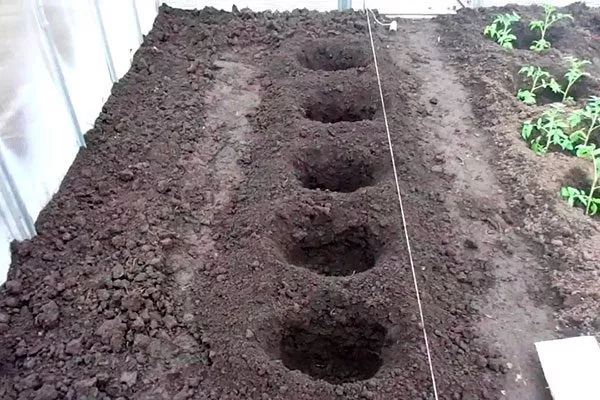
Tomato soil should be loose, permeable to moisture and air, nutritious, and well-drained. The soil, both indoors and outdoors, is prepared in the fall by digging deeply, adding any organic matter and mineral complexes as needed.
The soil acidity should be neutral or weak; if it is too acidic, in addition to compost or humus, deoxidizing components are also added during digging – lime (slaked), dolomite flour, wood ash.
Seed preparation
The Spasskaya Tower tomato is a hybrid, so only store-bought seeds are used for planting. Harvesting the tomato does not ensure the transmission of varietal traits. Seeds from the manufacturer are usually disinfected and ready for planting.
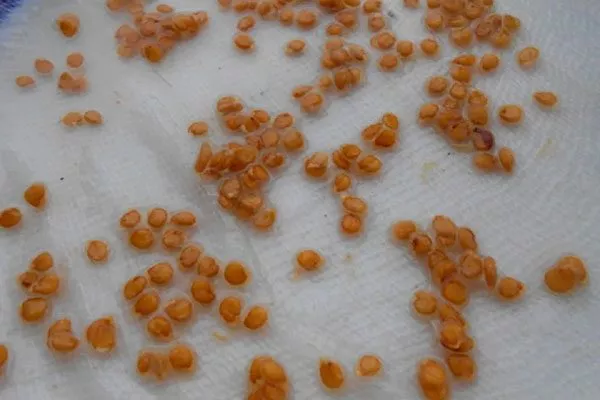
To boost their vitality, seeds can be treated with liquid fertilizers, such as Effecton or Agricola-Vegeta, a solution of wood ash, or nitrophoska. Seeds can also be hardened in the refrigerator and germinated in damp cheesecloth at an ambient temperature of at least 25°C.
Sowing seedlings
Sowing for seedlings is done taking into account the local climate. Tomatoes are sown two months before planting outdoors. This period usually falls between early April and May. If the seedlings are to be planted indoors, sowing occurs a couple of weeks earlier. In the south, tomatoes are sown even earlier—from late February to mid-March.
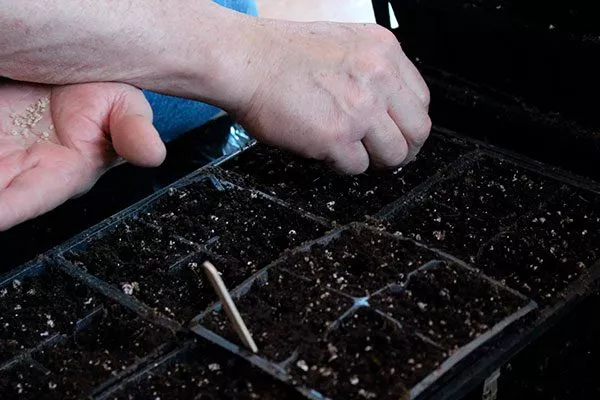
Features of growing tomato seedlings Spasskaya Tower F1:
- For sowing, use either shared or individual containers. The latter is usually used when growing seedlings without transplanting. If transplanting is planned, it's more convenient to sow them in larger containers, from which the seedlings are then transplanted into individual cups (350-500 ml).
- Peat pots can be used for growing seedlings; in this case, there's no need to buy potting soil. Empty containers should be filled with a potting mix—either store-bought or homemade. Prepare a potting mix of humus, peat, and sand, filling the pots 2/3 full.
- The soil is moistened, leveled, and the germinated seeds are sown. Planting depth is 1 cm. The distance between adjacent seeds is 2 cm. If sowing in containers, shallow rows are prepared, spaced 4 cm apart.
- The crops are covered with transparent film and left in a warm, bright room. The cover is removed daily to ventilate the greenhouse. The optimal air temperature at this stage is 24 to 26°C.
It's important to remove the film as soon as the seedlings begin to emerge. After this, place the seedlings near a window, closer to the light, and turn down the heating. The room temperature should be maintained at 14–16°C. Artificial cooling helps slow the seedlings' growth and prevent them from stretching.
Caring for seedlings
After germination, seedlings require careful care for 60-65 days. During this period, any mistake can lead to a decrease in seedling quality or even death.
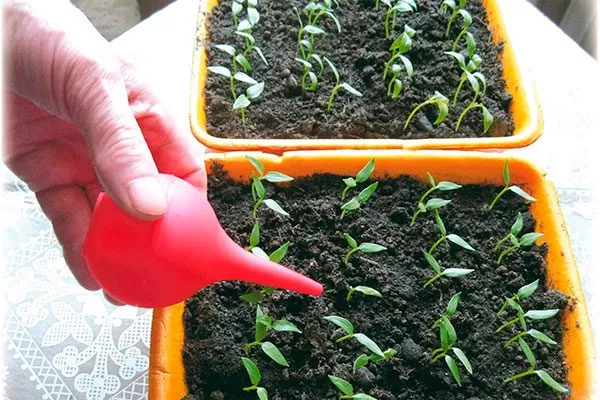
Features of caring for Spasskaya Tower tomato seedlings:
- For the first 3-5 days after germination, lighting should be provided 24 hours a day. Gradually, daylight hours are reduced, reaching 11-12 hours starting at one month of age. Grow lights are used for supplemental lighting.
- After a week, the temperature is raised to +22…+23 °C. Night temperatures should be a couple of degrees lower.
- After 2 weeks, when the seedlings have two true (not cotyledon) leaves, they are pricked out, pinching the central root.
- Before transplanting, water the seedlings sparingly—once or twice a week, as the top layer of soil dries out. Water using a spray bottle, gently wetting the soil. Avoid allowing water to drip onto the seedlings, as this can encourage fungal diseases.
- After watering, when the soil dries out a little, loosen it with a wooden stick or fork.
- After transplanting, the watering schedule changes—the seedlings are watered 2-3 times a week. A couple of weeks after transplanting, fertilizers are introduced—complex mineral compounds designed specifically for seedlings.
- If seedlings are to be planted outdoors, they must be secured. This begins two weeks before transplanting: they are taken outside daily, initially for half an hour, then for half a day, gradually increasing the time spent outdoors to 18 hours.
Transplanting
By the time of planting, 60-day-old seedlings should have 5-6 true leaves and a strong, not elongated stem.
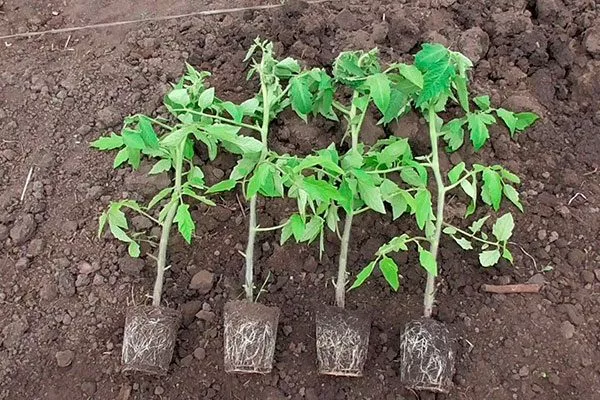
Features of planting seedlings:
- For tomato plants, dig holes 15-20 cm deep and the same diameter. The holes are arranged in a checkerboard pattern or rows.
- Plant 3 or 4 bushes per square meter. The optimal planting pattern is 40 x 50 cm.
- The best time for planting is evening or a cloudy day.
- Add two handfuls of compost, wood ash, and superphosphate to the bottom of the holes. Mix everything together and cover with soil to prevent the plant roots from touching the fertilizer.
- Pour 1 liter of warm, settled water into each hole.
It is not recommended to add fresh manure to tomato plants, as it causes rapid growth of green mass, while the fruits turn out small due to a lack of nutrients.
Care Features
The Spasskaya Tower tomato is low-maintenance, but its super-yielding performance depends largely on it. To grow a bountiful, high-quality harvest, you need to provide the tomato plants with everything they need—water, nutrition, and protection from diseases and insects.
Watering and loosening
Use only warm, settled water for watering. Watering frequency is up to twice a week. During dry and hot weather, increase to three to four times a week. Water only after the soil is completely dry.
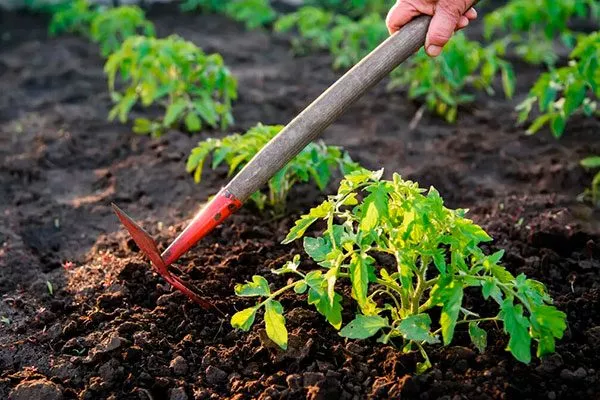
Tomato plants are loosened once a week. Weeding is carried out simultaneously with loosening. To reduce the need for watering and weeding, the area around the tree trunks is mulched.
Fertilization
The first feeding is recommended a couple of weeks after planting. During this period, apply a mineral complex with microelements or some organic matter, such as diluted chicken manure (1:10).
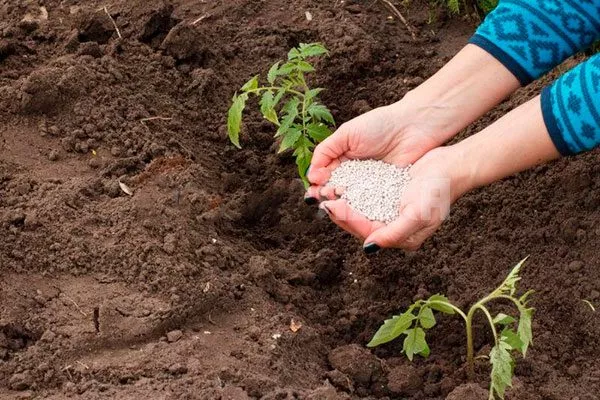
Potassium sulfate is added to the biweekly fertilization at 10 g per 10 liters of solution, along with 1 teaspoon of humate. During the period of ovary formation and fruiting, plants require increased amounts of potassium and phosphorus, and their dosage is gradually increased. Fertilize tomato plants after watering or rainfall.
Shaping and garter
The Spasskaya Tower F1 tomato plant grows tall, requiring staking. This applies not only to the stems but also to the clusters, otherwise they may break under the weight of the fruit. This hybrid also requires pinching—removing shoots growing in the leaf axils—to increase yield.
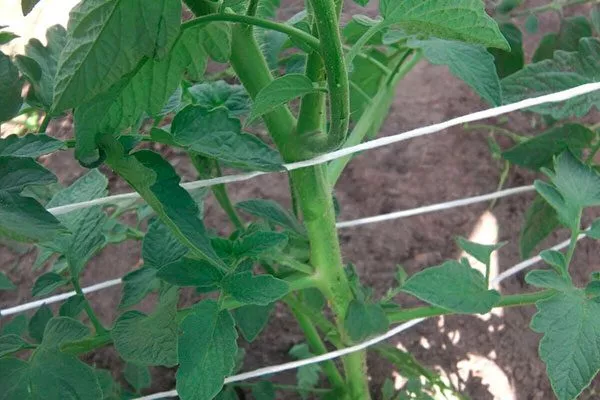
Bush formation begins after the first shoot appears under the first flower cluster. This shoot is left in place, as the plant is being trained into two stems. All other side shoots are pruned before they reach a length of 4 cm.
Diseases
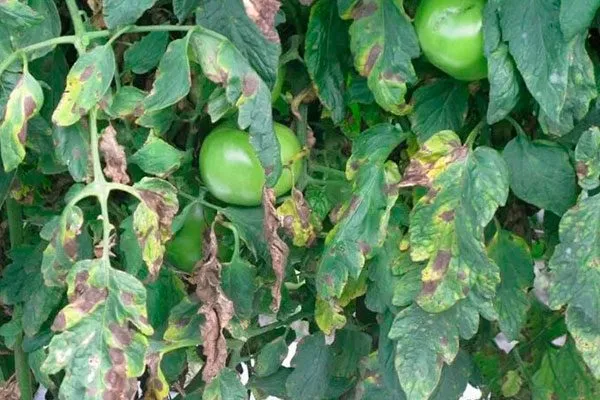
The greatest danger to the hybrid is late blight, which occurs when the beds are overwatered. To prevent fungal diseases, the bushes are sprayed with copper oxychloride (30 g per 10 liters of water), which promotes growth and development and boosts immunity.
Pests
The most dangerous insect pests for the Spasskaya Bashnya hybrid are aphids, whiteflies, and spider mites. The latter is especially common in greenhouses. Daily ventilation of greenhouses and plastic structures is recommended—this disrupts the pests' natural habitat and helps control them.
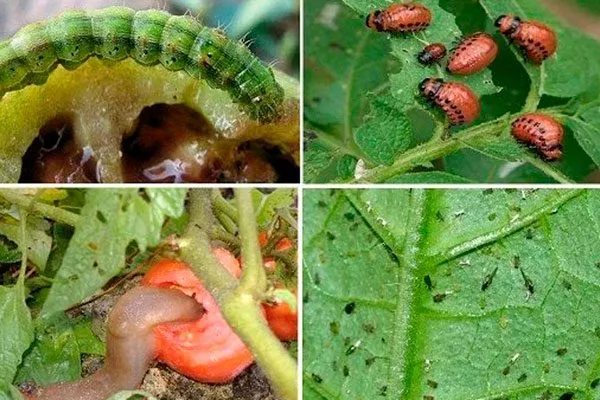
In open ground, the most common pest of tomato plants is the whitefly. Fragrant herbs help combat this pest, so planting marigolds and calendula near the beds is recommended. Spraying tomatoes with a decoction of onion skins is also beneficial.
Harvesting and storage
The first fruits of the Spasskaya Tower tomato are harvested in late July or early August, depending on the climate, soil type, and other growing conditions. Harvesting is best done early in the morning, on a clear day, when there is no dew.
This hybrid ripens uniformly; all the fruits on the bunch ripen almost simultaneously, allowing for large harvests. The tomatoes, especially the unripe ones, can be stored for a long time. The fruits retain their marketable appearance and aroma for a long time.
Reviews
The Spasskaya Tower tomato is an excellent choice for lovers of classic, versatile varieties. This hybrid combines the most valuable qualities of the crop, prized by both professionals and amateur gardeners.