
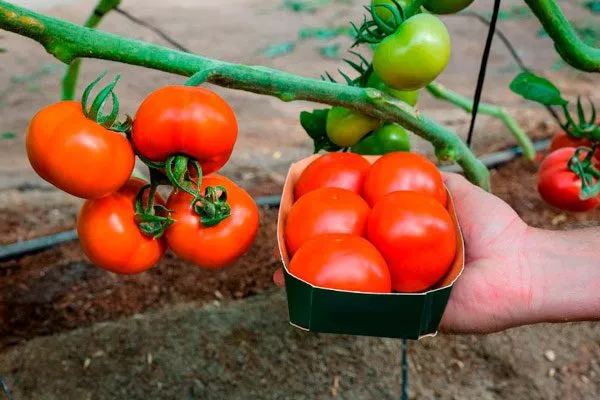
Neighbor's Envy is a high-yielding and easy-to-grow tomato variety, ideal for both greenhouses and open fields. It is characterized by early ripening, excellent flavor, and strong immunity. The tomatoes are sweet, firm in texture, and have good marketability. They are small and suitable for canning.
Features of the variety, description of the bush and fruits
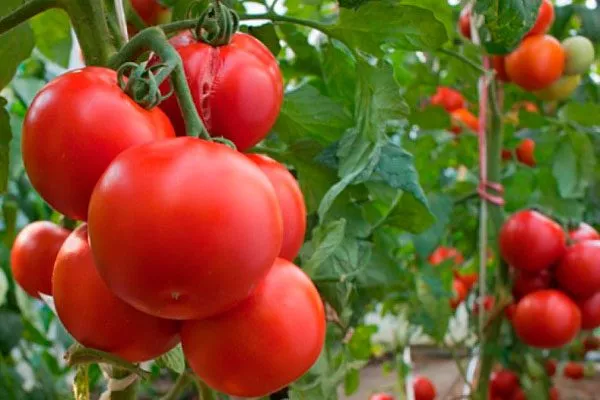
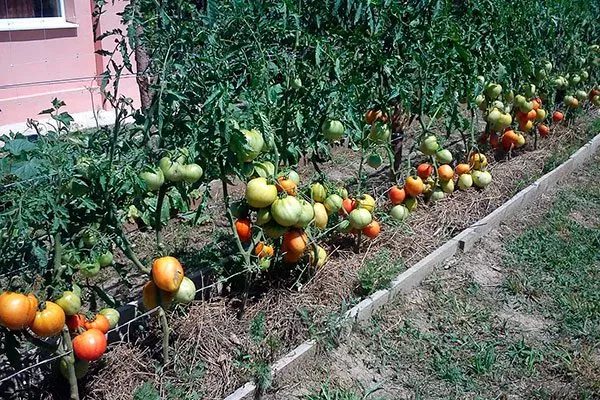
A tall indeterminate plant can grow up to 180 cm. Without the formation and removal of side shoots, its growth continues, so the main shoot is pinched at the level of the 6th to 8th cluster.
Distinguishing features:
- stems – powerful, but due to the high load of fruits they require garters;
- leaves - small, medium-sized, rich green hue;
- inflorescences – simple, formed starting from the 6-7th leaf, then every 2 pieces;
- tomatoes - bright red, medium, weighing from 85 to 110 g;
- form - round or flat-round, without pointed ends, and the surface is slightly flattened at the stalk;
- skin – smooth, dense;
- pulp – juicy, fleshy, with a distinct sweetness.
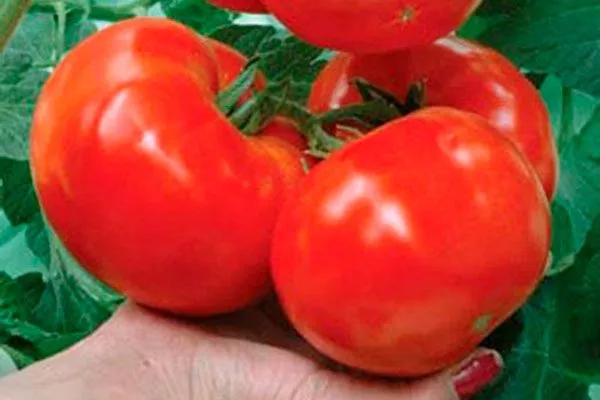
The tomato is distinguished by its cluster fruiting – about 12 ovaries develop in one cluster.
Main characteristics
Neighbor's Envy is suitable for growing in various regions. It grows successfully both outdoors and in protected ground. It has a universal purpose.
Ripening time and yield
The first tomatoes are harvested 90-100 days after germination, usually by July. Gardeners recommend planting the first batch in the garden in May, and then placing the seedlings in a greenhouse in midsummer, allowing for two harvests per season.
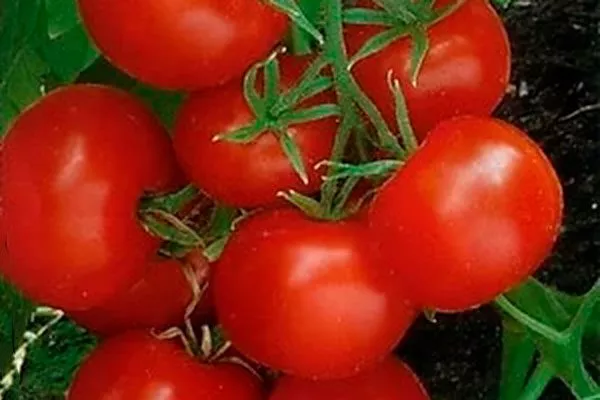
With proper care, a single bush can yield 3-3.5 kg of fruit. However, productivity depends on many factors, including growing conditions and agricultural practices.
Areas of application of fruits
Tomatoes are versatile: they're eaten fresh, added to salads, and used as a garnish for hot dishes. Their thick skin makes them ideal for canning and pickling.
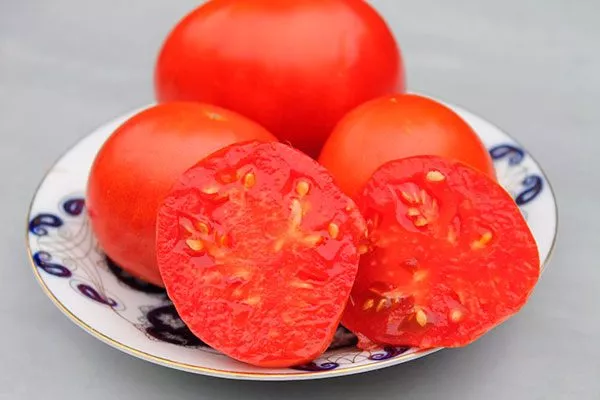
When heat-treated, the skin does not crack, but becomes softer and easier to peel. Its excellent shelf life and resistance to damage allow the harvest to be transported over long distances without loss of quality or flavor.
Resistance to diseases and pests
The Neighbor's Envy tomato is characterized by a strong immune system—it's virtually immune to diseases. However, among insects, the Colorado potato beetle and the mole cricket pose a particular threat.
Colorado potato beetles are easy to spot on leaves and remove by hand. The mole cricket, on the other hand, works stealthily, damaging the root system underground, making its presence difficult to detect immediately.
Features of planting and growing
Seeds for seedlings are sown in the last weeks of March. The seedlings should be 55-60 days old when planted in the ground. With proper care, you'll grow strong plants that will produce bountiful harvests throughout the season.
Seed preparation
Hybrid tomato seeds do not retain their parental properties, so using them for subsequent plantings is not advisable.
Purchased seed material usually doesn't require disinfection, as it's processed by the manufacturer. However, to improve germination, soak it in growth stimulants:
- Epin;
- Kornevin;
- Zircon.
Folk remedies such as aloe or potato juice and melted snow are equally effective. Experience shows that the germination rate is the same for both home remedies and specialized ones. Soak the seeds in a germination stimulator for 10-12 hours.
Container and soil
Next, prepare the containers and soil. For the potting mix, combine garden soil, peat moss, humus, and river sand. The peat provides the nutrients the seedlings need to grow, while the sand makes the soil looser.
Follow the recommendations:
- After thoroughly mixing, pour a hot dark solution of potassium permanganate over the mixture to destroy pathogenic microorganisms that could harm the seedlings.
- Before sowing the seeds, treat the containers with potassium permanganate. You can use a shared wooden box or individual containers.
If you sow seeds in peat pots, you won't need to transplant them, as they decompose in the soil, nourishing the young roots. This is a convenient, but more expensive, option for growing seedlings.
Be sure to make small drainage holes in the bottom of the planting containers. This prevents waterlogging, which can lead to the development of blackleg, a dangerous disease affecting seedlings. It causes darkening and narrowing of the lower stems and can destroy the entire planting.
Sowing
Place the seeds in furrows at a depth of 1.5-2 cm. If they are placed too shallowly, the seedlings may emerge with the seed coat still attached, which will slow plant growth.
Follow these steps:
- Level the soil and compact it lightly.
- Moisten the soil with warm, settled water using a spray bottle.
- Cover the containers with film and place in a bright place at a temperature of +23°C.
Remove the cover periodically for ventilation and to moisten the top layer of soil as needed.
Growing and caring for seedlings, hardening them off
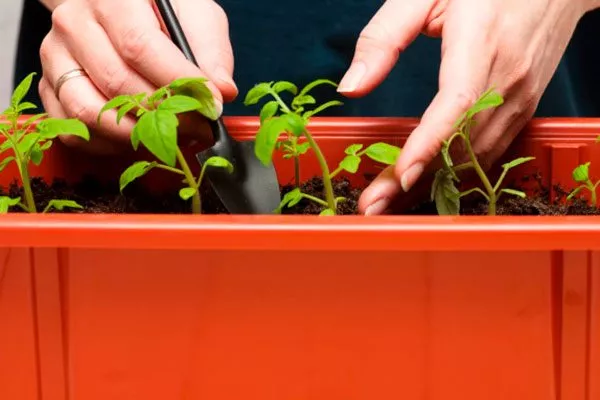
Once the seedlings emerge, move them to a windowsill to ensure adequate light. A minimum of 13 hours of daylight will help the plants grow faster and stronger.
Helpful tips:
- Water the sprouts with warm, settled water as the top layer of soil dries out, using a shallow watering can. After moistening, loosen the soil slightly.
- When 2 true leaves appear, transplant the seedlings into separate cups, removing the weak specimens.
- If growth is slow, feed the plants with liquid fertilizer for tomato seedlings 2 weeks after transplanting.
Ten days before transplanting to the garden beds, begin hardening off the seedlings: first, take them outside for 1 hour, then increase the time by 30-40 minutes daily. Gradually reduce the nighttime temperature to 13°C.
Transplanting seedlings into a greenhouse or open ground
Transplant seedlings indoors in late April or early May, and into the garden no earlier than mid-June. By this time, the plants should have at least six true leaves and one flower cluster.
Planting pattern:
- distance between seedlings – 40 cm;
- interval between rows – 50 cm;
- accommodation per 1 sq. m – no more than 4 pcs.
For planting, prepare holes 20 cm deep. Add some wood ash or sawdust to the bottom of each hole, then fill with warm water.
After planting, gently compact the holes, moisten them, and leave the plants for 10 days to adapt to the new conditions. Avoid watering during this period, as the roots cannot absorb moisture.
Further care of tomatoes
Caring for Neighbor's Envy tomatoes is crucial for a bountiful harvest. Regular cultivation promotes robust plant development and improves the quality of the vegetables, ensuring consistent fruiting and preserving all the hybrid's qualities.
Watering, fertilizing
The Neighbor's Envy tomato requires regular watering and nutrition to maintain growth and health. To ensure strong, tall plants, water the root system with warm water in the evening.
For convenience, you can pour water into tanks or deep containers so that it warms up to the desired temperature by evening. Throughout their development, plants require various fertilizers:
- At the initial stage, in open ground or a greenhouse, phosphorus-containing substances are necessary for the full formation of the root system, which affects the nutrition and development of the plant.
- When replanting, add compost or ash to the holes, which enrich the soil with minerals and promote growth.
- After planting, use the decoctions for watering – they act as fertilizer.
- For normal growth, bushes require nitrogen and potassium supplements. If the root system is not yet developed, micronutrients will not be absorbed properly.
- ✓ To increase the effectiveness of phosphorus-containing fertilizers at the initial stage, it is recommended to add 1-2 drops of iodine per 10 liters of water to the solution.
- ✓ Compost or ash in the holes during transplantation should be mixed with soil in a ratio of 1:3 to prevent root burns.
The optimal fertilizing method is a combination solution containing all essential elements. Fertilize the bushes once every 14 days, with the amount depending on the soil quality and the condition of the plants.
Pinching out side shoots, tying up
This is an important procedure for tomatoes, involving the removal of excess shoots that don't contribute to fruit formation but merely hinder the development of the main stems. These shoots rob the plant of resources—water and minerals—that could otherwise be used for tomato growth.
Proper conduct of the event includes the following recommendations:
- Remove side shoots regularly to prevent the formation of large, unnecessary shoots.
- Choose a sunny day to allow exposed areas to heal quickly and not become vulnerable to diseases and pests.
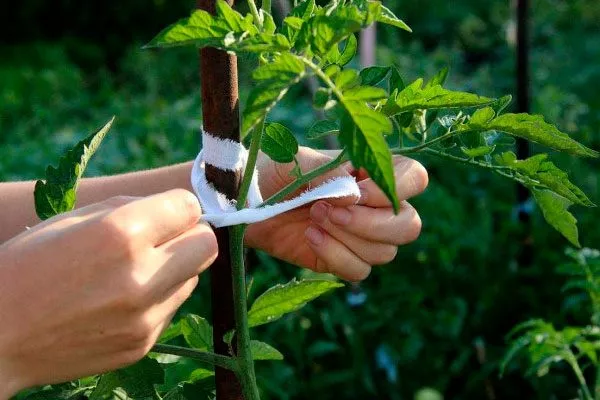
Once the bush reaches the desired height, begin staking it. This is done in several stages:
- For greenhouse plants, use a frame support to which you attach the trunk and shoots.
- In open ground, install tall individual stakes next to the main stems of each bush.
- The tying material should be soft and tear-resistant. Choose fabric cut into long strips to secure the plant neatly.
- Tie the material in a figure eight shape just above the middle of the stem and tie the fabric in a knot.
Bush formation
The Neighbor's Envy tomato requires special attention when structuring. It can be grown in several ways, depending on preference:
- In 1 stem. This method involves constantly removing all side shoots. Carefully inspect each leaf axil to promptly remove any unwanted shoots. This approach is relatively easy to implement, as it doesn't require a strict removal schedule.
- In 2 barrels. This method is widely used for this variety. Keep the shoot that emerges from the first inflorescence, as it is the strongest. Pinch off all the others. Watch for new shoots to emerge—don't let them grow.
This type of shaping helps to optimally distribute plant resources, improve access of light and air to each tomato, and increase productivity.
Disease prevention and pest control
The crop is characterized by strong immunity, especially in greenhouse conditions. However, despite this, the bushes may be subject to certain difficulties requiring urgent action:
| Disease/Insect | Signs | Methods of control |
| Colorado beetle | A large, brightly colored parasite, often found on plants. It lays brown eggs on the underside of leaves. It appears in August, when the foliage dries out. | Hand-picking beetles isn't always effective. Kill larvae with a solution of ash and laundry soap. Additionally, use chemical treatments such as Prestige, Iskra, and Aktara. |
| Mole cricket | A large insect that moves underground. A sign of its activity is the blackening and drying of the bush. | To protect seedlings, install a fine mesh or rubber ring around the roots. Effective repellents include fish, garlic, onion peels, pine needles, and eggshells. To control mole crickets, use Grizzly, Grom, and Medvetox. |
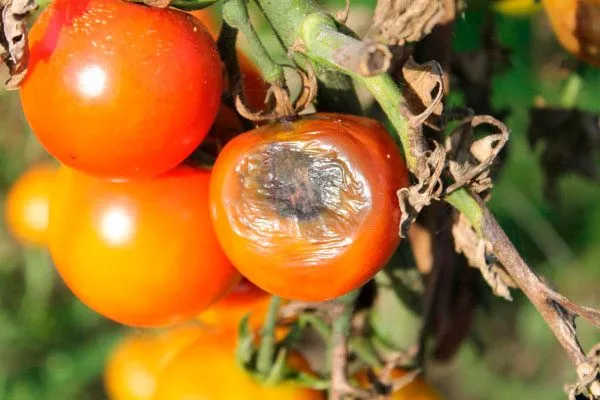
| Late blight | Blackening of leaves and fruits. This is a dangerous disease caused by a variety of pathogens. | At home, prepare whey (1:1 with water). Kefir in the same ratio will do. Chemical method: treatment with a Furacilin solution (10 tablets per 10 liters of water). |
| Bacteriosis | Rapid wilting of plants, which can occur overnight. The disease is difficult to treat in its later stages. | Remove and burn affected plants. For prevention, spray with a 1% solution of potassium permanganate. For control, use Fitolavin (20 ml per 10 liters of water) and Baikal-EM for soil disinfection. |
The nuances of growing for open ground and greenhouses
To grow Neighbor's Envy in garden beds, it's important to choose sunny, draft-free areas. Prepare the soil in advance by digging it over and fertilizing it with compost.
Follow these other recommendations as well:
- The staggered planting pattern of the bushes ensures optimal sunlight exposure, preventing shading and improving ventilation, which reduces the risk of fungal diseases.
- Tomatoes grow tall. To ensure resources are spent on fruiting rather than on foliage, pinch the top of the plant to determine its final growth point.
Pros and cons
To avoid any difficulties in the future, carefully study the advantages and disadvantages of each variety. Neighborly Envy has many advantages:
Among the negative qualities, gardeners note the need for constant pinching, tying and structuring of bushes.
Reviews
Neighbor's Envy is a tomato that combines excellent flavor, consistent ripening, and good resistance to adverse conditions. This tomato is worth the investment of time with positive results. It's ideal for gardeners who value high yields and want delicious fruits for a variety of uses.