
The "Sun" tomato lives up to all gardeners' expectations. Its low maintenance and weather resistance make it a favorite. It's an excellent choice for those who want delicious and beautiful tomatoes with minimal effort. This variety is suitable for regions with a wide range of climates, providing a reliable harvest every season.
History of creation, description of the bush and fruits
It was bred by the originator at the Research Institute of Agriculture in Orlov and included in the State Register in 1977. However, this variety has currently been excluded from the State Register.
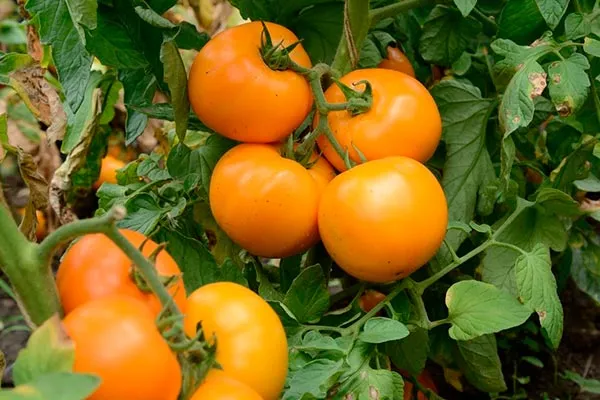
Solntse is a hybrid, determinate variety. Features:
- The bushes reach a height of up to 150 cm, have medium foliage and a powerful root system.
- The leaves are dark green in color, the stem is strong and stable.
- The first inflorescence is formed above the 5-6 leaf, and the subsequent ones – after 1-2 leaves.
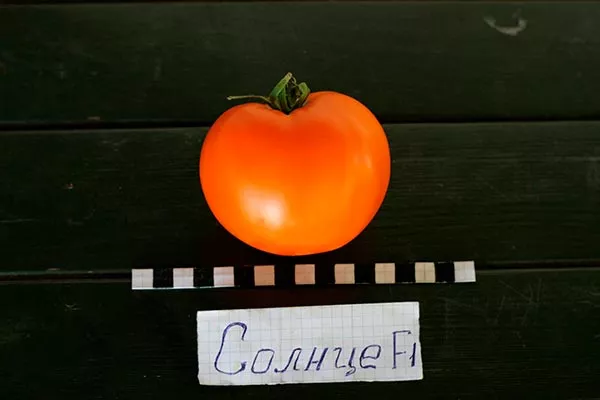
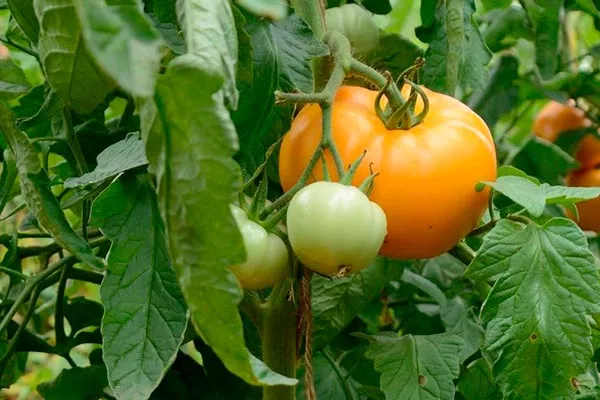
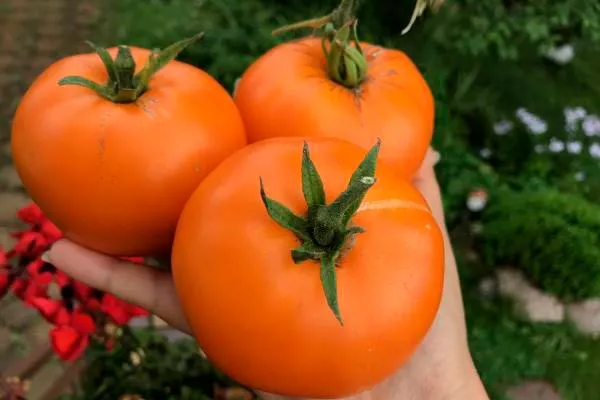
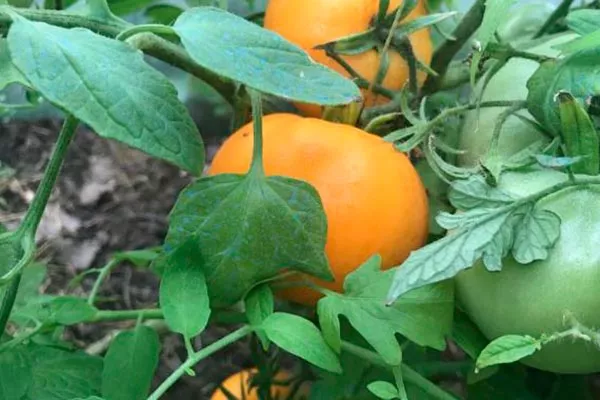
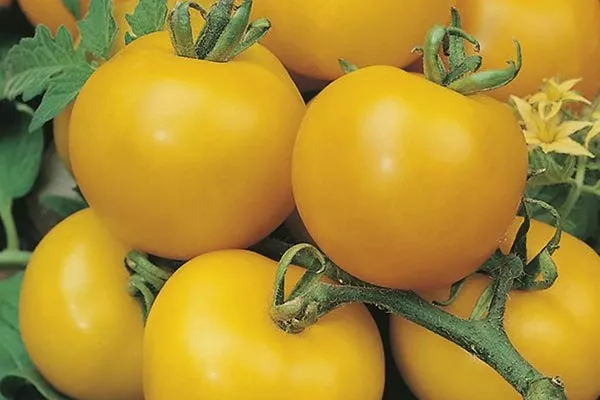
- The tomatoes have bright orange skin, a round shape and large size.
- The weight of one fruit varies from 200 to 220 g.
Key characteristics of the variety
The Solntse tomato is ideal for those who appreciate juicy and sweet fruits. This hybrid is renowned for its excellent appearance and its ability to be transported over long distances. The cultivar boasts many other positive qualities.
- ✓ High resistance to temperature fluctuations, which makes the variety suitable for growing in regions with unstable climates.
- ✓ The fruits have a bright orange color and a sweet taste, which distinguishes them from other varieties.
The taste, purpose, and beneficial properties of the Sun tomato
Tomatoes have an excellent taste—sweet, aromatic, with firm yet tender flesh—making them especially appealing to fresh vegetable lovers. They are used in salads and other culinary dishes.
The sun is a real treasure trove of vitamins and minerals that are beneficial for health:
- Vitamin A – promotes healthy skin, hair and nails, improves vision.
- Vitamin C – strengthens blood vessels and increases the body's resistance to infections.
- Vitamin K – Essential for healthy bones and normal blood clotting.
- Potassium – supports heart function and regulates water balance.
- Magnesium – strengthens muscles and bones.
- Folic acid - important for immunity and normal development of the fetus during pregnancy.
Ripening, fruiting and productivity
This early-ripening variety ripens approximately 80-85 days after transplanting the seedlings into open ground. This allows for the first fruits to be harvested as early as mid-July. Ripening occurs gradually and evenly, ensuring a consistent harvest.
This variety is characterized by high yields. With proper care, up to 6.9 kg per square meter can be harvested during the first two harvests. The total yield of marketable vegetables at the end of the harvest is 18-19 kg per square meter.
Weather resistance and regions
The hybrid is resilient to climate change, making it a versatile choice for cultivation in various regions of the country. It can withstand both summer heat and cool conditions, maintaining high fruit productivity and quality.
This variety easily tolerates temperature fluctuations and adapts to stress factors. It continues to produce fruit even during heavy rainfall, without suffering from tomato rot. This characteristic makes it especially popular in regions with high humidity or significant rainfall.
The crop is successfully cultivated in hot southern regions and in areas with moderate and cool climates. The main growing regions are the Far East, Central and Southern Russia, the Northwest, the Urals, and Siberia.
Varieties
| Name | Growth type | Fruit color | Fruit weight (g) |
|---|---|---|---|
| Sun Aliko | Determinant | Red | 200-220 |
| Summer sun | Indeterminate | Orange | 20-30 |
| Magic | Determinant | Orange | 150-180 |
| Sun Giant | Determinant | Orange | 400-500 |
There are several subspecies of the Sun tomato. Each has unique characteristics:
- Sun Aliko - A large-fruited variety with a rich red color. The fruits have a smooth texture and a sweet, slightly tart flavor. It pairs beautifully with greens and vegetables in salads.
- Summer sun – A tall, mid-season cherry variety with an incredible yield. The vibrant tomatoes, seemingly glowing from within, have a sweet and juicy flavor. The bushes reach a height of up to 4 m and require training with 4-5 stems, good support, and regular fertilizing.
- Magic - Bright orange vegetables with a sweet, spicy flavor. They're perfect for fresh salads and tomato juice.
- Sun Giant – A variety with huge fruits, weighing up to 500 g. They are sweet, juicy, and used for soups, sauces, and ketchups.
All these varieties are renowned for their juiciness, sweet flavor, and high yields. They are an excellent choice for gardeners who value the ease and versatility of their plants.
Growing Sun seeds at home
To obtain a good harvest, it is recommended to use seedling cultivation, especially in regions with temperate or cool climates. Direct sowing of seeds in garden beds is only advisable in southern regions where weather conditions permit.
Preparation, sowing
Prepare the soil in advance. Use a store-bought vegetable mix or make your own by mixing sand, humus, and peat moss.
- ✓ The optimal soil temperature for sowing seeds should not be below +15°C.
- ✓ The distance between adult bushes when planting should be at least 50 cm to ensure sufficient ventilation and lighting.
After preparing the soil, begin sowing the seeds. Place the seeds about 1 cm deep, leaving 5 cm between them. To ensure successful germination, maintain consistent soil moisture and provide adequate light.
Secrets of caring for Sun seedlings
After the sprouts emerge, transplant them into separate containers when they have 5-7 leaves. This will ensure sufficient space for root development and overall plant growth.
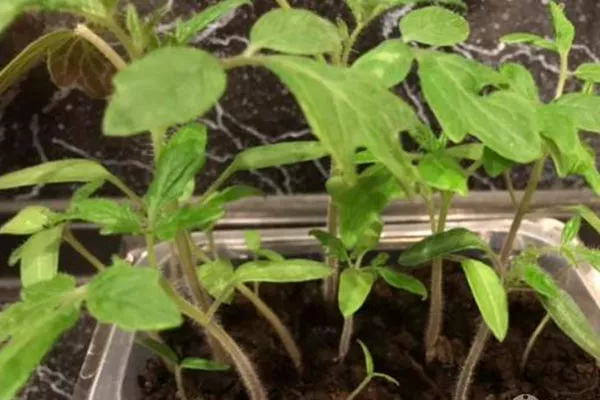
During the growing process, regularly water and feed the seedlings. Use warm, settled water for watering and fertilizer designed for tomatoes for feeding. Install supports to secure the stems.
With proper care and the right conditions, the Sun tomato will begin bearing juicy, flavorful tomatoes within a few months of sowing. Each stage of care affects the final yield, and with the right approach, you'll get a bountiful harvest of delicious tomatoes.
Selecting a suitable location and transfer
Choose the right growing site. This variety thrives in full sun, so choose a spot with good light. However, too much sun can cause overheating, so a bed with light or partial shade is ideal.
When transplanting seedlings, pay attention to their condition and growth:
- The stems should not be too thin and tall.
- The height of the plants should be about 25-30 cm.
- The first flower inflorescences should appear on the seedlings.
When replanting, add a mixture of phosphorus and potassium to the soil; if necessary, add humus to improve the quality.
Proper watering
One of the key aspects of caring for this plant is regular watering, especially during periods of drought. It's important not to overwater, as excess moisture can lead to root and stem rot. Water the plants at the roots, avoiding drips on the leaves and fruit.
To maintain optimal soil moisture and prevent weed growth, use mulch. Cover the soil around plants with a layer of sawdust, bark, straw, or peat to retain the desired moisture level and maintain a stable soil temperature.
Top dressing
To ensure healthy growth and development, ensure proper and regular feeding. Before planting, add organic fertilizers such as humus or compost. During active growth and development, add additional mineral fertilizers.
To improve flowering and fruiting, use substances containing phosphorus and potassium. General-purpose vegetable fertilizers are effective, helping to increase yields and improve fruit quality.
Treatment and prevention of diseases and pests
The crop is susceptible to various diseases and insect attacks. Here are some of the main problems you might encounter, along with methods for controlling them:
| Disease/Pest | Description | Treatment |
| Late blight (phytophthora) | One of the most dangerous diseases, it manifests as dark spots on leaves and stems, and rots tomatoes. It develops in high humidity and warm weather. | Use Topaz or Ridomil Gold fungicides. Remove affected leaves and tomatoes. Maintain good ventilation in the greenhouse and avoid overwatering. Treat the bushes with copper sulfate or Bordeaux mixture. |
| Powdery mildew | A fungal infection that appears as a white coating on leaves. It most often occurs during low temperatures and high humidity. | Treat plants with Serka or Topaz fungicides. Maintain a regular watering schedule and remove infected plants. |
| Spider mite | The pest attacks leaves, causing them to turn yellow and fall off. The insect is especially active in dry conditions. | Regularly spray the plantings with acaricides, such as Akarin or Fitoverm. Use a soapy solution (5 ml of detergent per 1 liter of water). Maintain optimal air humidity. |
| Aphid | It is one of the most common tomato pests. It sucks the sap from the plant, causing deformation and weakening of the crop. | Insecticides such as Aktara and Karbofos are effective. Folk remedies such as garlic infusion and soap solution will also help. Attract ladybugs, aphids' natural enemies. |
| Slugs and snails | They cause damage to leaves and vegetables, leaving traces of slime on them. | Use slug traps (flat plates filled with beer or ammonia solution). Scatter pheromone granules around the area – they attract and kill pests. Pick them up by hand regularly. |
| Whitefly | The small pest sucks the juices from plants, causing yellow spots on leaves and stunted growth. | Use insecticides, such as Inta-Vir or Fitoverm. Treat the bushes with a soapy solution. Inspect the plantings regularly and remove any infested parts. |
General preventive measures:
- compliance with crop rotation;
- soil and seed treatment before planting;
- proper watering and maintaining optimal conditions for growth.
With proper care and timely control of diseases and pests, the Sun tomato will delight you with healthy and tasty vegetables.
Harvesting and storage
Early-ripening tomato varieties begin bearing fruit as early as July, and harvesting usually continues until fall. To extend the shelf life of tomatoes, pick them with the stems intact, avoiding damage. Their thick skin prevents them from cracking.
Pros and cons
To avoid potential difficulties when growing tomatoes, carefully study the characteristics of the variety. The Sun variety has many advantages:
Among the disadvantages, some vegetable growers note the need for watering, sensitivity to excess moisture, average drought resistance, and susceptibility to certain pests if not properly cared for and without preventative treatments.
Reviews
The Solntse tomato is a popular variety, attracting gardeners with its good productivity and strong immune system. It adapts well to various climates, producing large, sweet fruits with excellent taste and appearance. It is chosen for its easy care and low maintenance, but it does have some drawbacks.