
The Solnechny tomato will appeal to lovers of low-growing, early-ripening varieties. Its dense structure allows for successful transportation over long distances. It's ideal for pickling, canning, and eating fresh. This variety produces high-quality produce even in cool climates.
Description of the bush and fruits
This determinate, universal tomato variety produces compact plants 30-40 cm tall. Key characteristics:
- Oval-shaped tomatoes, cocktail size, weighing 35-55 g.
- When ripe, the vegetables are bright red in color with a glossy sheen.
- The taste is classic tomato – sweet with a slight sourness.
- The pulp is juicy and aromatic.
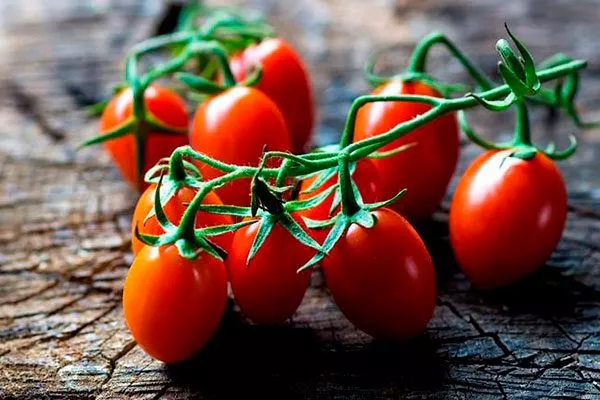
The fruits of this variety are versatile: suitable for fresh consumption, pickling, whole-fruit canning, drying, and curing. This diversity makes them an excellent choice for home preserves.
Main characteristics
Solnechny was added to the State Register in 1977. The variety has many positive qualities:
- Ripens in 92-112 days after full germination, which can be obtained both in a greenhouse and on a windowsill.
- The variety is successfully grown in the non-chernozem zone of Russia and even in more northern regions, producing a stable harvest.
- The dense skin makes the fruits resistant to transportation and ensures their long-term storage.
- Productivity is about 5 kg per 1 sq. m, which is considered a good indicator.
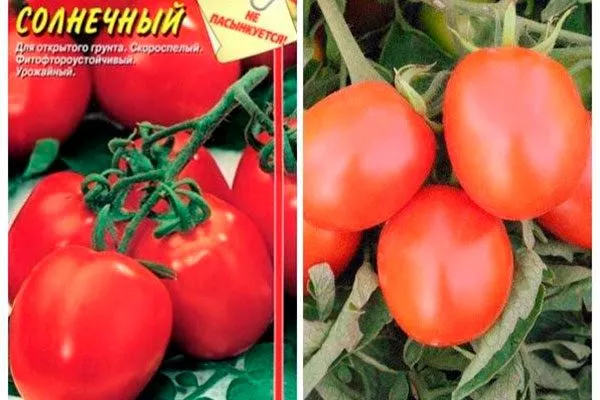
The manufacturer claims the variety is highly resistant to late blight, but gardeners report weak immunity. Mature plants are susceptible to late blight, viral mosaic, and gray mold. The most serious pest threat is the Colorado potato beetle, which damages the leaves, mistaking them for potato ones.
Growing seedlings
A crucial step in cultivating the Solnechny tomato variety is obtaining high-quality seedlings. This requires careful attention and adherence to certain conditions. By following these simple steps, you can ensure good germination and lay the foundation for a future harvest.
Requirements
Although tomatoes of this variety are most often grown outdoors, they are also suitable for greenhouse conditions. However, sowing seeds directly into garden beds is not recommended, except in southern regions. The best option is to use seedlings.
Helpful tips:
- Sow seeds approximately two months before transplanting to a permanent location, usually in late February or early March.
- To grow seedlings, you can use either store-bought soil or homemade soil. Ready-made mixtures are convenient because they are already balanced and require no additional processing.
To create nutritious and loose soil yourself, mix turf, humus or compost, and peat in a 2:1:1 ratio. Add 0.5 parts river sand or vermiculite.
Sowing seeds
Solnechny is a hybrid, so no growth stimulant treatment is required. Simply follow these steps:
- Calibration. This helps weed out unsuitable seeds. Place them in a warm salt solution (20 g of salt per 1 liter of water) for 30 minutes. Empty seeds will float, while healthy ones will sink to the bottom. After this, rinse the good seeds with clean water and dry them.
- Disinfection. Reduces the risk of disease. Soak the seeds in a weak solution of potassium permanganate, then rinse again and let them dry.
Sow the prepared seeds into the soil, making furrows 0.5-1 cm deep at intervals of 1-2 cm. Moisten the soil with a spray bottle, cover with plastic wrap, and leave in a warm (25-28°C) bright place for a week. Ventilate the seedlings periodically.
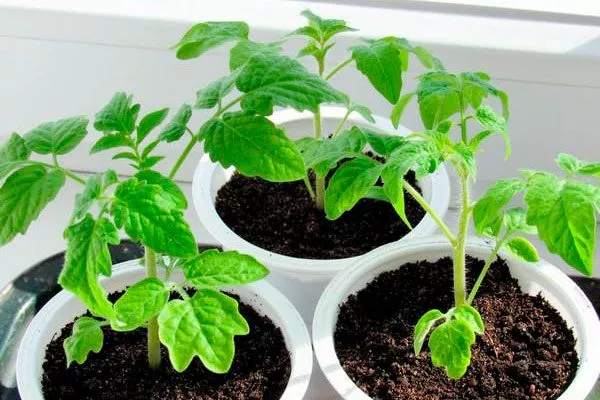
When the seedlings emerge, place the containers on a windowsill and reduce the temperature to 22°C. If there is insufficient light, use phytolamps. When the seedlings have 2-3 true leaves, transplant them into individual cups. Two weeks before planting, harden them off by placing them outdoors, gradually increasing the time spent outdoors.
Agricultural technology
Growing tomatoes requires following certain guidelines, including preparing the seedlings, transplanting them into the ground, and caring for them throughout the season. These steps determine not only the yield but also the health of the plants.
Transplanting
Prepare the beds in advance: dig the soil in the fall and add organic fertilizer (humus, compost) or minerals. In the spring, before planting, add a little ash and loosen the soil.
Follow these recommendations:
- Choose sunny areas where seedlings will receive at least 6-8 hours of light per day.
- Begin planting when the outside temperature reaches a stable temperature of at least 15°C and the soil warms to 12°C. This typically occurs in late May or early June, depending on the region.
Step-by-step algorithm:
- Dig holes at a distance of 40-50 cm from each other, and the interval between rows should be 60-70 cm.
- Add a little humus or compost to each hole and moisten thoroughly.
- Plant the plants deep down to the first true leaves. This will stimulate the formation of additional roots and improve rooting.
- Water the seedlings with warm water.
During the first weeks, carefully monitor the condition of the seedlings and tie them to supports if necessary.
Plant care and formation
To ensure a bountiful harvest, take care of your tomato plants, providing them with comfortable conditions for growth and fruiting. Key agricultural practices include:
- Watering. The plant prefers moderate but regular moisture. Water the roots, avoiding contact with the leaves to reduce the risk of fungal diseases. The optimal watering frequency is 1-2 times a week, depending on the weather. In hot weather, water more frequently, but in small amounts.
- Weeding and loosening. Loosen the soil after each watering or rain to ensure oxygen reaches the roots and prevent crusting. Hill up the plants 1-2 times per season to strengthen the root system. Weed the beds, removing weeds that rob the tomatoes of nutrients.
- Mulching. This measure is necessary to conserve moisture, reduce weed growth, and protect the roots from overheating. Use straw, peat, hay, grass, compost, or wood chips. The mulch layer should be 3-5 cm thick.
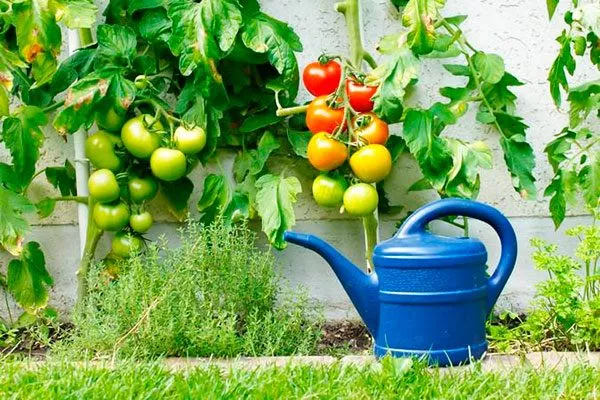
Fertilize your bushes to maximize yield. Apply fertilizer 3-4 times per season:
- 10-14 days after planting – Add nitrogenous substances, such as mullein or bird droppings infusion, to promote active growth of green mass.
- during the flowering period – Use phosphorus-potassium fertilizers (superphosphate, ash) to form ovaries.
- during fruiting – Use potassium fertilizers (potassium sulfate, ash infusions) to improve the quality of fruits and taste.
Proper pruning helps increase productivity, improve ventilation, and reduce the risk of disease. Train bushes into 2-3 trunks. Leave the main stem and 1-2 of the strongest side shoots.
Lateral shoots grow in the leaf axils. Remove them by hand when they reach 4-6 cm in length, either by pinching them off with your fingers or by cutting them with scissors. Perform this procedure in the morning to allow the cuts to dry faster.
Diseases and pests
Solnechny (Solny) has low resistance to late blight and the Colorado potato beetle, and is susceptible to attacks by whiteflies, ants, and aphids. To prevent this, disinfect the seeds before sowing, practice crop rotation, and avoid overwatering.
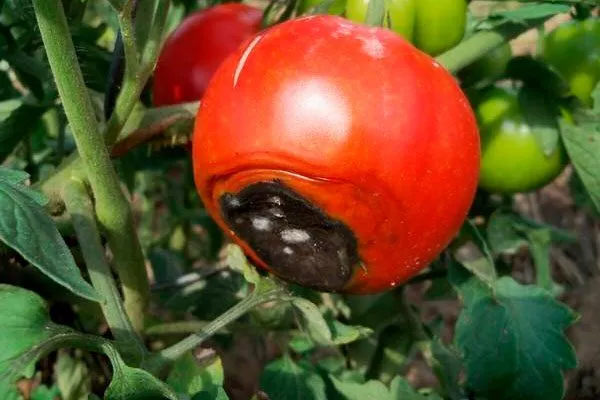
If signs of disease appear, treat the plants with fungicides. Use Taboo to control Colorado potato beetles, sticky traps for whiteflies, and bitter infusions of garlic and nettle to kill ants and aphids.
Pros and cons
Before planting tomato seedlings in your garden, carefully consider the advantages and disadvantages of the crop. Solnechny has many advantages:
Gardeners did not find any significant shortcomings in the variety.
Reviews
The Solnechny tomato is a reliable choice for those looking for early, easy-to-grow plants with good yields. Its versatility, excellent flavor, and decent productivity make it popular. With proper agricultural practices, vegetable growers won't have to deal with challenges like pests and diseases.