
The Sofa tomato is a modern hybrid variety that quickly gained popularity thanks to its excellent characteristics and high productivity. Its combination of early ripening, disease resistance, and excellent flavor makes it an excellent choice for both professional farmers and amateur gardeners. Proper care ensures bountiful harvests.
History of selection
Created by breeder V. I. Blokin-Mechtalin, the first successful specimens appeared in 2019 thanks to research conducted at the Partner agricultural firm. In 2021, the Sofa tomato was officially added to the State Register of Breeding Achievements of Russia, paving the way for mass seed sales.
This variety is currently grown throughout the country, except in regions with permafrost. Because it is a hybrid, the seeds harvested from the cultivated fruits are unable to germinate and are not suitable for further propagation.
Description of the tomato variety Sofa F1
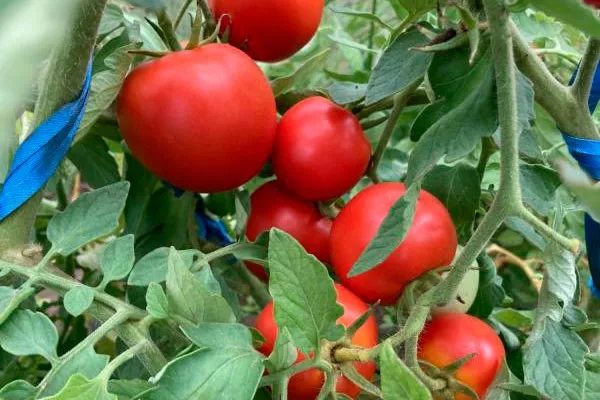
Sofa is a variety with a determinate growth habit and cluster-shaped tomato formation. This versatile variety is suitable for a variety of purposes. The bushes are successfully grown both in open ground and in greenhouses.
Appearance of bushes
The plants are medium-sized, reaching a height of up to 1 m. They are compact, with moderate foliage density. Distinguishing characteristics:
- Leaves - colored green, without any distinct distinguishing features.
- Inflorescences – simple, the first brush is formed after the 7th leaf, and the subsequent ones - at intervals of two leaves.
- Peduncle – characterized by the presence of a noticeable articulation at the stage of fruit ripening.
- ✓ The first brush is formed after the 7th leaf.
- ✓ The peduncle has a noticeable articulation at the stage of fruit ripening.
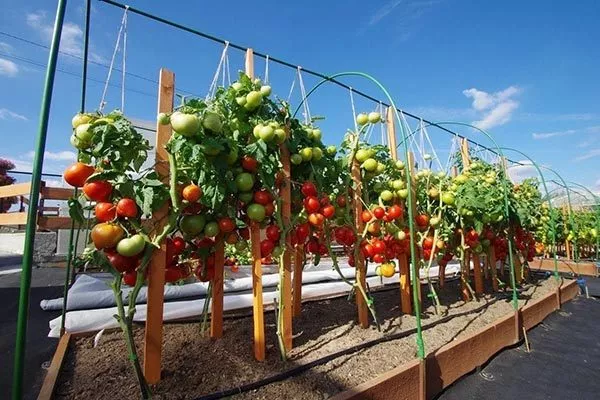
The hybrid bushes are squat, with strong branches that remain stable even in strong winds, especially when securely supported.
Description of the Sofa variety of fruits
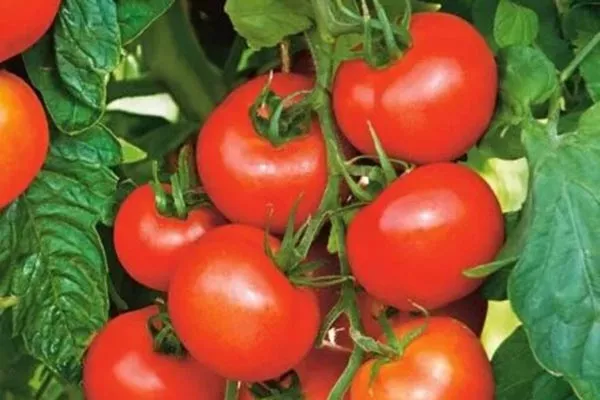
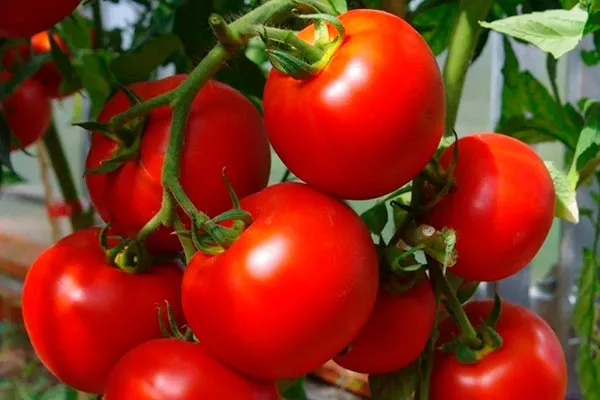
Most tomatoes weigh 80-100 g, placing them in between cherry and cocktail tomatoes in size. Larger specimens weighing 120-150 g are occasionally found. Their skin is glossy, thin, yet firm and elastic, with a deep red color that is uniform in tone, without a light spot near the stem.
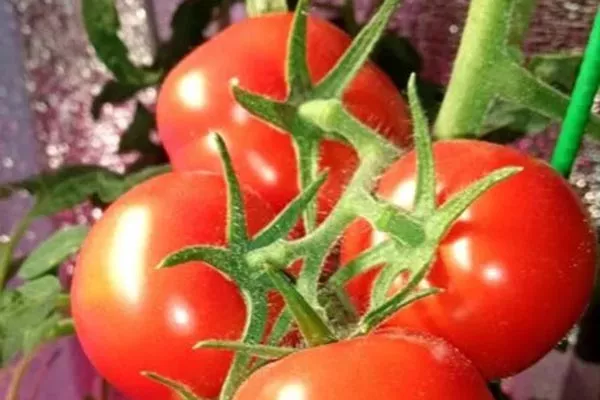
Sofa fruits are resistant to cracking. Each tomato contains 3-4 seed chambers with a small number of tiny seeds that are barely noticeable when eaten.
Characteristics of the Sofa tomato
The plant has impressive characteristics. It's important to study them before growing seedlings and transplanting them into the ground.
Taste qualities
Tomatoes have a sweet taste thanks to their high sugar content, but a slight tartness adds a piquant flavor. The flesh is juicy and tender, fine-grained when cut, with a rich tomato aroma.
Useful properties of the hybrid tomato Sofa
This hybrid stands out among other varieties for its beneficial qualities and unique characteristics. It is rich in essential vitamins and minerals, including vitamin C, vitamin A, potassium, and iron. Tomatoes contain antioxidants that help protect the body from free radicals and strengthen the immune system.
One of the key benefits of this vegetable is its ability to lower blood cholesterol. Its high fiber and nutrient content improves metabolism and helps prevent cardiovascular disease.
Regular consumption of Sofa tomatoes has a positive effect on skin and vision. Vitamin A, found in them, maintains skin elasticity and hydration, promoting visual health.
Ripening and fruiting
This is an ultra-early variety. It takes only 83 days from the first shoots to full ripening. Harvesting typically begins in July and continues until September, depending on the region's climate.
Tomato yield Sofa
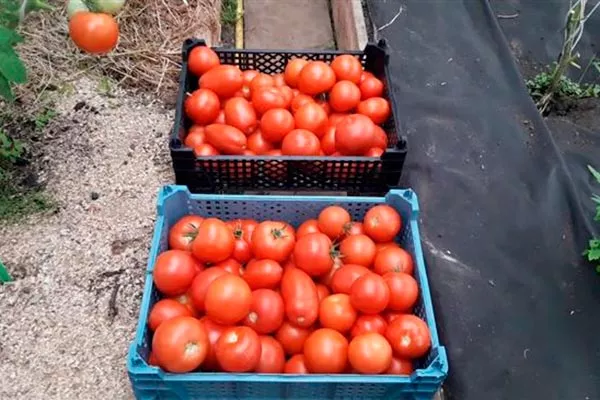
The hybrid is characterized by good productivity, averaging 10.7 kg per square meter. Approximately 5 kg of ripe tomatoes are harvested from one bush.
Methods of application
Tomatoes are versatile in cooking due to their size and flavor. Tomatoes that are too sweet and not suitable for pickling are used in pizzas or salads. Tomatoes that are too tart are pickled or used to make fresh juice.
Very large tomatoes, which are difficult to preserve whole, are cut into pieces and frozen. These vegetables are ideal for various preserving, processing, and other culinary purposes.
Planting tomato seeds for seedlings
Planting material must first be processed and quality checked. This preparation involves several key steps:
- Calibration (seed rejection). This step allows you to determine which seeds are suitable for planting. Take a glass of warm water and dissolve 5 grams of salt in it. Place the seeds in the solution for 30 minutes: good seeds will sink to the bottom, while unsuitable ones will float to the surface.
Remove the rejected specimens, and rinse the good ones with water and dry them. - Disinfection. Despite their high disease resistance, prevention is never a bad idea. Dissolve potassium permanganate in water until the solution turns light pink. Soak the seeds in the solution for 30 minutes. Rinse with water and dry thoroughly.
- Germination. Sofa seeds are already treated with special substances during production, so no additional stimulation is required. Speed up the germination process: soak a cotton pad or cloth in warm water and spread the seeds on it. Cover with a second layer of cloth and place in a warm place for 2-3 days.
Moisten the material as needed.
While the seeds are germinating, prepare the soil:
- Independent method: Mix equal parts of garden soil, river sand and peat (or compost).
- Ready mix: Buy ready-mixed soil from a gardening store – it's already balanced and ready to use.
You'll need a container for planting the seeds—a wooden or plastic box with drainage holes. Wash the container thoroughly with hot, soapy water or treat it with potassium permanganate.
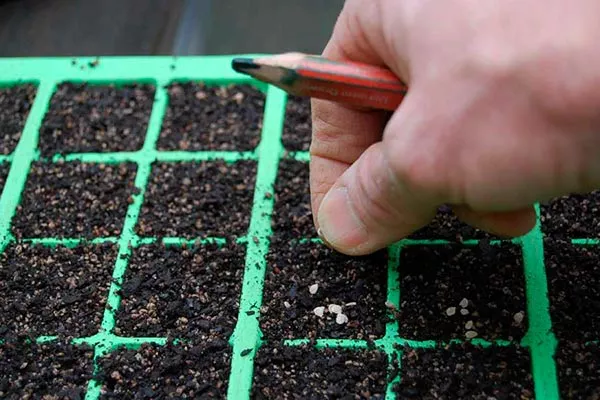
Step-by-step algorithm:
- Pour the prepared soil into the container, leaving 2-3 cm from the edge.
- Make shallow grooves about 1.5-2 cm deep.
- The distance between seeds should be about 1 cm. The distance between rows is approximately 2 cm.
- Sow the seeds in furrows and cover them with a layer of soil.
- Moisten the soil, cover the container with film or glass and place it in a warm place (for example, in a boiler room or the warmest room).
The seedlings will germinate in about 10 days. Periodically open the film for 1 hour to allow the soil and seeds to breathe. Once the seedlings emerge, move the container to a bright location, such as a windowsill.
Ideal conditions for growing the hybrid tomato Sofa
To ensure proper growth and development, provide the plant with sufficient sunlight. Plants thrive in bright areas, so an open area with good sun exposure is the ideal location.
Proper watering is also key to successful tomato cultivation. Water the plants moderately: avoid drying out or overwatering. Watering frequency depends on weather conditions and soil moisture levels. Monitor the condition of the plants and adjust the watering schedule accordingly.
- ✓ The optimal soil pH should be in the range of 6.0-6.8.
- ✓ The soil should be well-drained, with a high content of organic matter.
Pay special attention to soil quality. Successful growth requires fertile soil enriched with nutrients. Before planting, cultivate the soil and add organic fertilizer to create optimal conditions for crop development.
Transplanting seedlings into a greenhouse or open ground
If you plan to plant seedlings in your garden, choose warm and fertile soil. The optimal temperature for their growth is considered to be between 15 and 18°C.
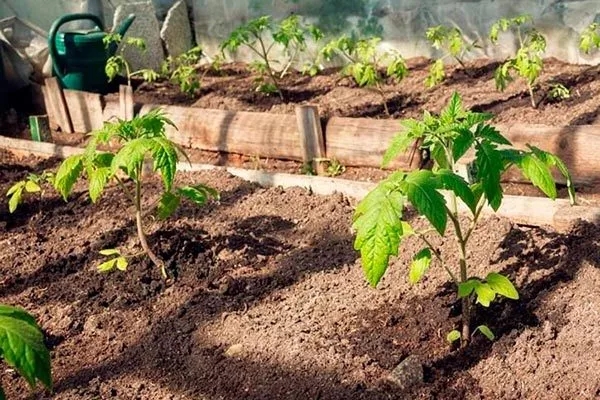
Follow these recommendations:
- Before planting, dig up the area, remove all debris from the previous season, and disinfect the soil with a hot solution of potassium permanganate.
- Prepare the holes, water them with warm water, add fertilizer, and begin planting the seedlings—no more than four plants per square meter.
Transplanting into a greenhouse involves similar steps, but with a few differences. First, prepare the room: replace the soil, fertilize it, and thoroughly clean both inside and out. If necessary, fumigate the greenhouse with tobacco smoke to protect the plants from pests.
After transplanting, immediately tie up the tomatoes, water them, and leave them alone for a couple of weeks to allow them to adapt to the new conditions.
Further care of tomatoes
The Sofa tomato is easy to care for. To ensure a good harvest, regularly carry out standard agricultural practices.
Watering
Water the soil regularly, about every 2-3 days, but moderately, using about 3 liters of water per plant. Allow the surface layer of soil to dry out between waterings. When growing outdoors, take natural precipitation into account. The watering method isn't particularly important, but water should be avoided from getting on the leaves.
Trimming
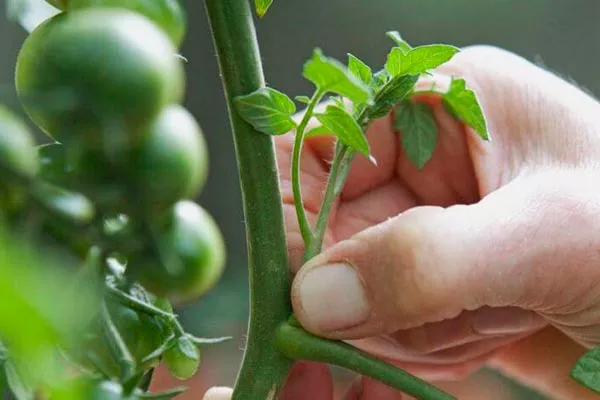
Sofa tomato plants don't require any complicated training, as they naturally grow into standard trees with minimal intervention. All you need to do is remove side shoots.
Garter
The bushes have strong stems, but the fruit clusters are also quite heavy. Therefore, it is recommended to tie them up for support and prevent damage.
Top dressing
The crop is characterized by high yields and therefore requires regular fertilization. When preparing the bed in the spring, add humus and a complex fertilizer containing essential macronutrients (nitrogen, potassium, and phosphorus) to the soil.
After 1.5-2 weeks of planting, water the bushes with a solution of any mineral nitrogen fertilizer. Then, every 15-20 days, feed the plants with specialized fertilizers for tomatoes or nightshades.
Pest and disease control
The Sofa tomato is a popular and sought-after variety. Despite its strong immune system, it is susceptible to various insects and diseases. Understanding their characteristics, control methods, and prevention will help maintain healthy plants and ensure a stable harvest.
Sustainability
The crop is resistant to many common diseases and pests, making it much easier to grow and care for. The hybrid demonstrates resistance to:
- Fusarium - a fungal disease that causes plants to wilt and die.
- Verticillium wilt – another dangerous fungal disease that affects the root system and stems.
- Bacteriosis and other infections - characterized by leaf spotting and other symptoms.
Thanks to its natural qualities, the Sofa variety can thrive even in conditions of high humidity and a tight planting slope, but this does not eliminate the need for preventative measures.
Methods of control
If you detect pests and diseases on your bushes, use effective and timely control methods. Depending on the nature of the problem, use the following methods:
- Chemical. Use systemic and contact fungicides to combat fungal infections, particularly fusarium and verticillium wilt. Apply acaricides and insecticides to control pests such as spider mites and aphids.
- Biological. Treat your bushes with Trichodermin and Bacterin. They effectively control pathogens without negatively impacting the environment. Attract natural enemies of pests (such as beneficial insects).
- Mechanical. Regularly remove weeds that can harbor pests. Manually remove insect pests from leaves and stems.
Practice crop rotation and alternate crops to prevent the accumulation of pathogens in the soil. Properly shape and tie shoots to improve air circulation and reduce the potential for fungal and bacterial growth.
The effectiveness of control methods directly depends on their timely and correct application. A comprehensive combination of chemical, biological, and agronomic measures minimizes damage and preserves the health of the plants.
Prevention
Preventative measures are key to preventing pests and diseases on Sofa tomatoes. Following preventative measures minimizes the likelihood of infection outbreaks and reduces the need for chemical treatments:
- Treat the soil before planting: sterilize or spray with antiseptics to kill pathogens. Fertilize the soil with organic fertilizers to improve its structure and composition.
- Remove all plant debris after harvesting and dispose of it properly to prevent pests and diseases from spreading.
Regularly inspect your bushes for the first signs of pests and diseases. Regularly applying preventative measures can significantly reduce the likelihood of pests and diseases.
Harvesting and storage
The fruits in the cluster fill out and ripen almost simultaneously. After picking, process ripe tomatoes immediately or use them in salads and other dishes. Storing them at room temperature doesn't keep them fresh for long, so it's best to refrigerate them.
Methods of reproduction
The Sofa hybrid attracts gardeners due to its high yield, disease resistance, and excellent fruit flavor. There are several propagation methods, each with its own characteristics:
- Seed method. You can purchase seeds at specialty stores or harvest them yourself from ripened fruits. Use plastic pots or containers filled with fertile soil. Sow the seeds to a depth of about 1 cm and moisten the soil thoroughly.
Once the seedlings emerge, transplant them into individual pots and grow them until they are fully established and vigorous. Growing from seed takes more time, but it allows you to obtain healthy seedlings and grow into full-fledged saplings. - Transplantation by cuttings. This is a quick and effective propagation method that allows you to quickly obtain a new plant. Select healthy, vigorous specimens and cut off the top with a few leaves. Place the cutting in a glass of water or prepared seedling soil.
After a few weeks, the cutting will begin to form roots, after which you can transplant it into the soil.
The second method is especially convenient if you need to quickly get new seedlings without waiting for germination.
Pros and cons
The Sofa hybrid tomato is characterized by excellent adaptation to various growing conditions and many other advantages, making it popular among those who like to experiment with new varieties.
Advantages of culture:
Despite its impressive list of benefits, Sofa has several drawbacks: the need to purchase seeds annually and limited availability of grains.
Reviews
The Sofa tomato is a good choice for those looking for a stable, high-yielding variety with excellent flavor and minimal care. Its early fruiting, genetic resistance to disease, and attractive appearance make it an excellent choice for both novice and experienced gardeners. It's important to ensure proper agricultural practices for the crop.