
Snegopad is a hybrid that combines high disease resistance and excellent productivity. It is characterized by a long fruiting period, large, tasty tomatoes, and good marketability. The variety adapts well to various climates and requires minimal maintenance. With proper care, you can harvest high-quality tomatoes throughout the season.
Breeding history, regions
The first-generation hybrid was created in the late 1990s at the Transnistrian Research Institute of Agriculture in Moldova. Its development was carried out by a group of breeders, including L. I. Guseva, L. A. Myazina, M. D. Nikulaesh, V. F. Pivovarov, M. I. O. Mamedov, V. P. Dvornikov, and V. A. Zhavoronkov.
In 1997, it was included in the state register and approved for cultivation in the following areas, regions and districts:
- Northern;
- Northwestern;
- Central;
- Volga-Vyatka;
- Central Black Earth;
- North Caucasian;
- Ural;
- West Siberian;
- East Siberian;
- Far Eastern.
The culture is found in the Middle Volga and Lower Volga regions.
Description of the bush and fruits
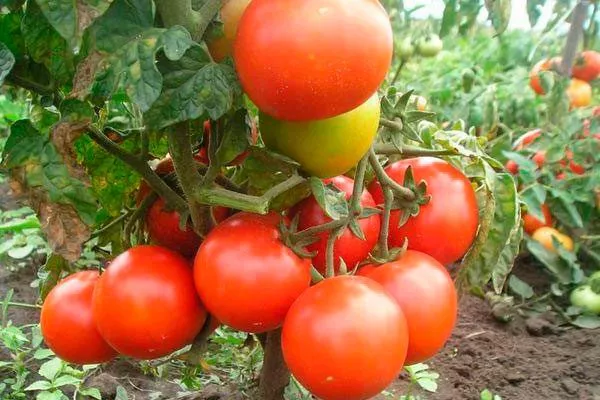
The plant has an indeterminate growth habit and is not a standard variety. The bush reaches 2 meters in height, with extensive branching and medium foliage.
Other distinctive characteristics:
- The leaves are large, of the usual type, dark green, with pronounced corrugation and stipules.
- The first simple, loose inflorescence forms above the 8th or 9th leaf, with subsequent inflorescences appearing every three leaves. The plant develops 7-8 clusters, each containing 8-10 fruits that ripen simultaneously.
- The stem is thick, green, with subtle edges. This variety is characterized by a high fruit set rate.
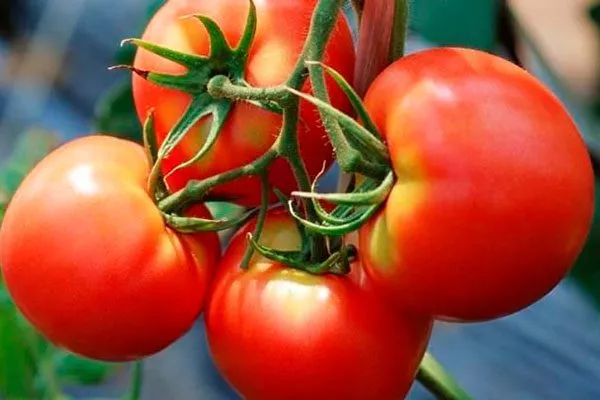
- The tomatoes have a smooth, round shape and a shiny surface. When ripe, they are green, with a noticeable dark spot near the stem, which disappears as they ripen, turning bright red.
- The weight of the vegetables varies from 58 to 72 g, but individual specimens can reach 130 g. Inside there are 2-3 seed chambers, and light ribbing is observed at the base of the tomatoes.
- ✓ The hybrid has high resistance to temperature fluctuations, which makes it ideal for growing in regions with unstable climates.
- ✓ The fruits of the Snegopad hybrid have the unique ability to retain their taste and marketable appearance during long-term storage (up to 2 months at room temperature).
Varietal indicators
Snowfall is easy to grow, resistant to cracking, and has a long shelf life. It has strong disease resistance, is rarely attacked by insects, and boasts many other positive qualities.
Ripening and fruiting, productivity
This late-ripening variety is renowned for its long ripening period. Tomatoes ripen 121-129 days after germination, and harvesting begins in July-August and continues until the weather gets colder.
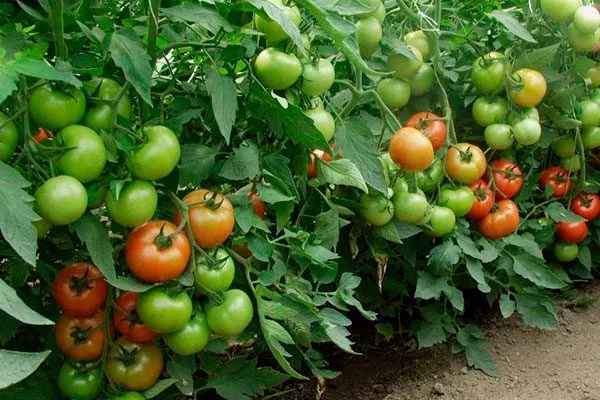
Gardeners value this crop for its high yields. A single bush can yield 3.7-4.3 kg, and 12-15 kg per square meter.
Scope of application
The flesh is dense, meaty, and juicy, with a rich sweetness and subtle aroma. Tasters highly praise the fruit's flavor.
Tomatoes are suitable for fresh consumption, salads, sauces, and hot dishes. They retain their properties well when frozen and canned.
Composition per 100 g of product:
- dry matter – 5.4-6.0%;
- total sugar – 2.0-2.5%;
- ascorbic acid – 11.9-13.1 mg.
Due to their high sugar content, the fruits are often included in baby food.
Resistance to diseases and pests
Hybrid varieties typically have high immunity, and the Snegopad tomato is no exception. It is resistant to most fungal diseases and tobacco mosaic virus (TMV). In rare cases, it can be affected by anthracnose and early blight.
Bushes are virtually immune to insect attacks, but if improperly cared for or preventative measures are not taken, pests can infest the plant. It's important to inspect the plants regularly to take appropriate action.
How to grow?
The Snegopad hybrid is grown using the standard method common to most varieties. The main differences concern the timing of seedling planting and the formation of mature plants, while other cultivation requirements remain the same as for other varieties.
Optimal conditions, sowing and growing seedlings
Tomatoes are grown by seed or transplant. To ensure successful seed germination, create the right environment:
- loose soil with good air permeability;
- temperature above +22°C;
- regular soil moistening.
- ✓ The optimal soil temperature for sowing seeds should not be below +22°C, but should not exceed +25°C to avoid overheating the seeds.
- ✓ To prevent fungal diseases, before sowing, seeds must be treated with a solution of potassium permanganate (1%) for 20 minutes.
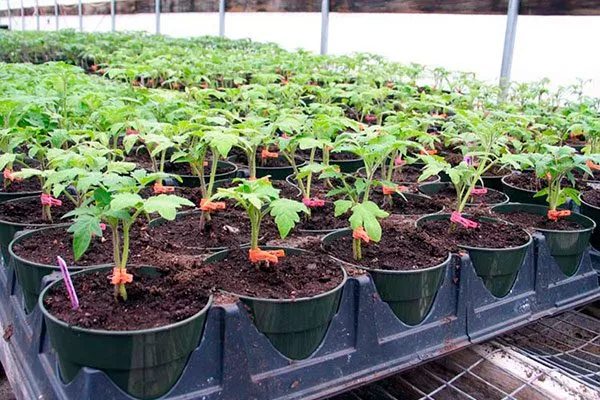
To obtain strong, high-quality seedlings, sow seeds in mid- to late February for cold climates and greenhouse cultivation, and in mid-March for open ground. The soil should be nutritious and neutral in pH.
Optimal composition:
- garden soil, humus and river sand (in equal parts);
- earth and sand (2 parts each), peat (1 part).
Disinfect the seedlings in a solution of potassium permanganate or hydrogen peroxide. Sow the seeds in containers (1.5-2 cm furrows, 5-6 cm apart) or in peat pots (1-2 cm deep holes, 2 seeds per pot). After sowing, cover them with soil, moisten, and cover with plastic wrap.
Provide proper care:
- Until seedlings appear, keep the containers in a warm, dark place.
- Remove the film when the sprouts emerge, transfer the seedlings to a lighted room and reduce the temperature by 3-5°C.
- When two true leaves appear, fertilize the seedlings with a complex composition.
Repeated feeding is possible 10 days before moving into the ground or greenhouse.
Transplanting seedlings
Plant seedlings in a greenhouse in the second ten days of May, and in garden beds in early June. Follow these guidelines:
- In garden beds, plant seedlings at intervals of 50x60 cm. In greenhouses, a single- or double-row layout is recommended, with a distance of 70-80 cm between plants. The distance between beds should be less than 1 m.
- Harden off the plants before transplanting. During the first week, place them outdoors or in a greenhouse, starting with a few hours a day, then increasing the time until midday, and then leave them there all day for the last two days. Bring the seedlings indoors at night.

Carry out the procedure on a cloudy day or in the evening. After transplanting, compact the soil thoroughly and water the seedlings thoroughly.
Caring for Tomatoes Snowfall
Caring for crops is essential for achieving a high yield. Standard agricultural practices promote plant health, improve fruiting, and enhance productivity.
Watering and fertilizing
Tomatoes, as members of the nightshade family, require adequate moisture for normal growth. Young plants require more water and nutrients than mature plants.
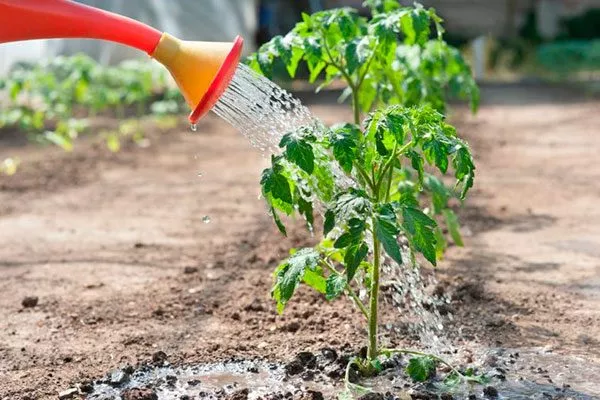
As the plant develops, reduce watering—once a week is sufficient. Overwatering can cause the fruit to crack or the plant to rot. The hybrid can survive for long periods without water, making it particularly resilient.
The crop responds well to complex mineral fertilizers. Use organic mulch: hay, sawdust, or straw. This provides an additional source of nutrition for the plants.
Formation, pinching and tying
A properly maintained tomato plant consists of a root system, a main stem, and branches with leaves. The main stem produces shoots that can draw nutrients from the plant, weakening it.
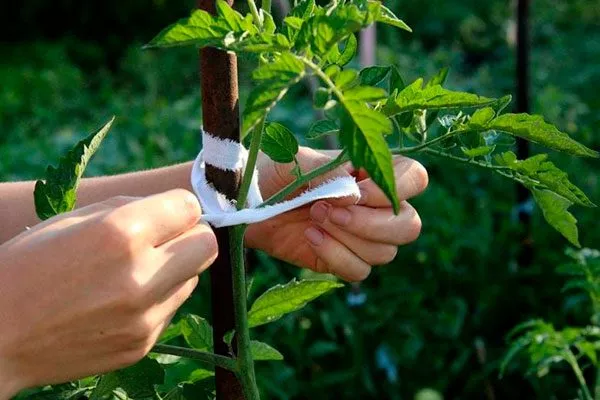
To ensure all the energy goes to the right parts, remove side shoots promptly. If the bush is structured with multiple stems, this can lead to smaller fruit or no harvest.
The stem supports branches with heavy leaves and tomato clusters, so without support, the plant may break. Staking is especially important during the first snowfall, as the secured branches will withstand even this load, preventing damage.
The nuances of growing in a greenhouse
Plant the plants under cover in the first ten days of May. The soil should be warm enough, but not dry.
Provide suitable conditions:
- In the greenhouse, renew the top layer of soil annually. Mix garden soil with humus and a small amount of washed river sand.
- Place the seedlings at a distance of 40-50 cm from each other, and add 20 g of superphosphate or wood ash to each hole.
- After transplanting, immediately tie the seedlings to stakes, metal rods, or trellises. The supports should be sturdy and tall, as the plants grow quickly.
- For better growth, form bushes into 1-2 stems, promptly removing lateral shoots.
- Three weeks after planting, water with a liquid complex fertilizer rich in potassium and phosphorus. Avoid overusing nitrogen-rich fertilizers, such as urea, as they promote foliage growth and inhibit fruit set.
- Tomatoes don't like excess moisture, so provide moderate watering twice a week. Increase the frequency and amount during the hot summer months.
- Avoid overhead irrigation – plants thrive when watered at the roots. After watering, ventilate the greenhouse to prevent the development of gray mold and blackleg.
- Loosen the soil, breaking up the crust to ensure air access to the roots.
- The hybrid responds well to foliar feeding. Spray the bushes with a superphosphate solution once or twice per season.
- To protect against pests, mulch the soil with peat, sawdust, or sunflower seed hulls. If aphids infest the plants, treat them with warm, soapy water, and an ammonia solution will help repel slugs.
Begin harvesting at the end of July. Pick tomatoes when they reach technical maturity to stimulate new fruit production. Remove any misshapen or deformed flowers—the plants need to focus their energy on developing quality fruit.
Protection from diseases and pests
Late blight is one of the most common problems faced by gardeners. However, this hybrid is highly resistant to this disease, as well as other typical nightshade diseases.
For prevention, follow a few simple rules:
- Remove dead leaves and weeds to prevent infection;
- Feed the plants with mineral fertilizers to strengthen them;
- Use folk remedies: spraying with decoctions of onion peel or bread infusion.
Compliance with recommendations guarantees effective protection of crops from diseases and insect attacks.
Pros and cons
The Snegopad tomato has several advantages, making it a popular choice for gardeners. Among its key advantages are the following:
The only drawback is the need for regular feeding to achieve maximum results.
Reviews
The Snegopad hybrid is the ideal choice for those who value a reliable harvest without unnecessary worries. Its high immunity, excellent taste, and good resistance to adverse weather conditions make it indispensable for gardeners. This variety guarantees reliable results, regardless of climate conditions.