
Yellow Plum is a striking example of a tomato variety and hybrid that produces small-fruited cherry tomatoes. Its hallmark is the advantageous combination of a beautiful appearance, a miniature size, and a rich vitamin content. It pleases gardeners with its good productivity and resistance to diseases and pests.
Description of the bush and fruits
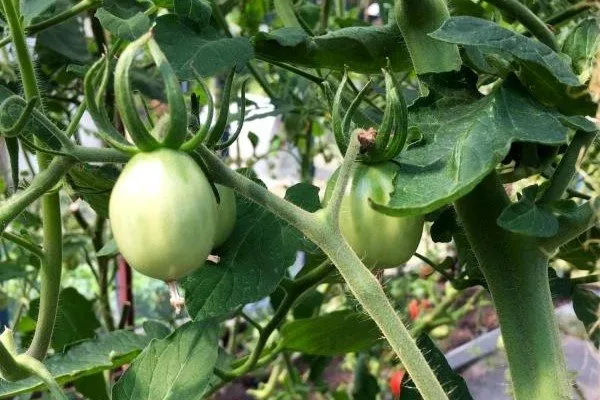
This yellow-fruited variety is indeterminate. Plants grow to a height of 1.4-1.5 m in open gardens and 1.8-1.9 m in greenhouses. They are moderately branched and covered with medium-sized green foliage.
They are prolific: each cluster contains 20 tomatoes (up to 25 pieces). They require support.
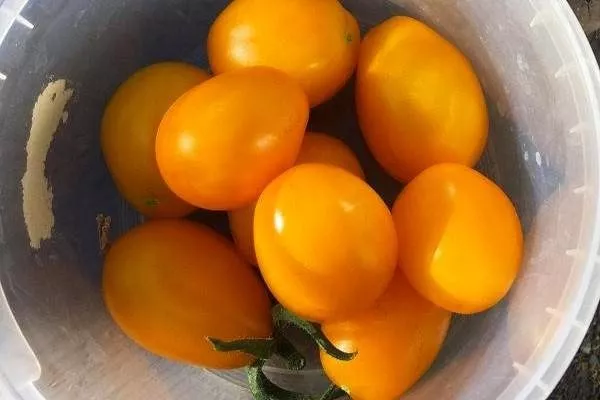
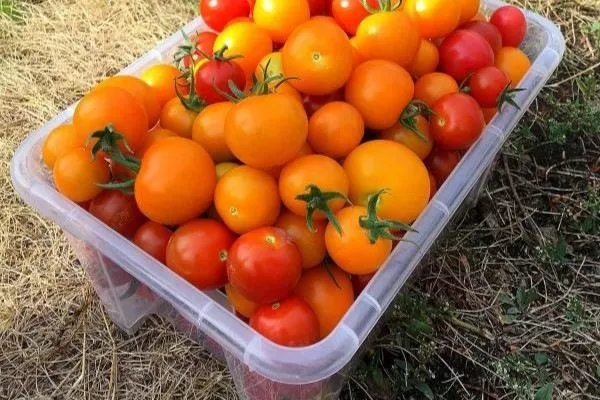
The fruits of this tomato variety are miniature and attractive, possessing high consumer qualities. They are characterized by the following external characteristics and parameters:
- oval shape, visually reminiscent of an egg or a plum;
- bright amber-yellow color;
- weight - 15-18 g;
- diameter indicator - 2-3 cm;
- skin: dense, strong, with a glossy sheen, not prone to cracking;
- pulp: juicy, medium-dense, characterized by a high content of dry and vitamin substances, in particular carotene.
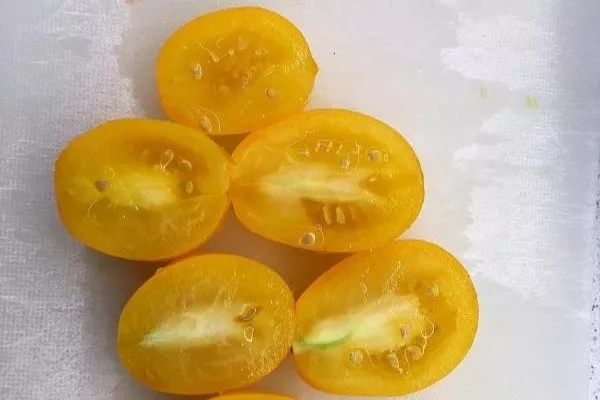
The tasting qualities of the Yellow Cream harvest are excellent. The flesh has a rich flavor, combining sweetness with a slight tartness (read about other sweet varieties). HereCherry tomatoes are good for fresh consumption, pickling, whole-fruit canning, and garnishing. They are easy to transport and keep for a long time.
Characteristics and history
A type of vegetable crop that produces miniature, sunny-colored fruits was developed by employees of the Semena Altaya agricultural firm.
The authorship belongs to Russian scientists:
- Kudryavtseva G. A.;
- Fotev Yu. V.;
- Altunina L. P.;
- Kotelnikova M.A.;
- Kondakov S. N.
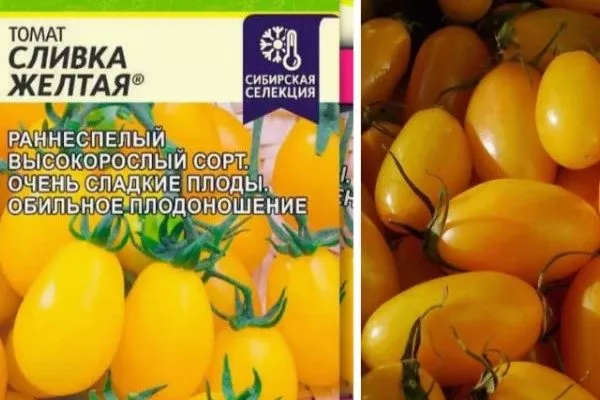
In 2009, this variety was approved for use in the Russian Federation. It is intended for cultivation in open-air garden plots and under plastic covers. It is characterized by early fruiting, beginning 88-98 days after germination. Harvesting continues until frost.
Yellow plum has many excellent characteristics that add to its appeal to gardeners and farmers growing vegetables for sale:
- yield rate: 3.3-3.5 kg/sq.m (in greenhouse conditions);
- simultaneous ripening of fruits in clusters;
- resistance to diseases of nightshades and pest attacks.
In which regions of Russia can tomatoes be grown?
Thanks to the excellent adaptability of tomato plants to life under artificial cover, gardeners successfully cultivate them almost everywhere. Yellow plum is suitable for cultivation in the following regions and districts of the country:
- Northern;
- North-West;
- Central;
- Volga-Vyatka;
- Central Black Earth Region;
- North Caucasian;
- Middle Volga;
- Lower Volga;
- Ural;
- West Siberian;
- East Siberian;
- Far Eastern.
In the Urals, where the climate is harsh and unstable, cherry tomatoes are grown primarily in greenhouses. Seedlings are transplanted indoors in May. They are "transplanted" to the open garden in the first ten days of June. In Siberia, however, the variety is grown exclusively indoors, where the tomatoes are transplanted after the 10th day of the last month of spring.
Gardeners in the Moscow region and central Russia achieve good fruiting not only in greenhouses but also in open-air plots. Seedlings are transplanted to the garden at the end of May. In the south, however, it's acceptable to cultivate yellow plum without transplanting. The seeds are sown in the last days of April, while the soil is still moist.
Planting tomatoes with seeds
Grow cherry tomato varieties using seedlings for an earlier harvest. Sow in March. Transplant the seedlings to their permanent location after the soil has warmed and the risk of frost has passed.
- ✓ Optimum temperature for seed germination: +25°C, for seedling growth: +20-22°C.
- ✓ Required soil moisture: 70-75% during the growth period, 80% during the fruiting period.
Seed preparation
If you have any doubts about the quality of your seeds (for example, if you collected them yourself), pre-treat them with the following procedures:
- culling (review the seeds, get rid of empty, damaged, spoiled ones);
- calibration (set aside small specimens, leave large and full-weight ones for sowing);
- etching (soak the seeds for half an hour in a pale pink solution of potassium permanganate, then rinse and dry them);
- germination (on a saucer with damp gauze in a warm room).
Sowing for seedlings
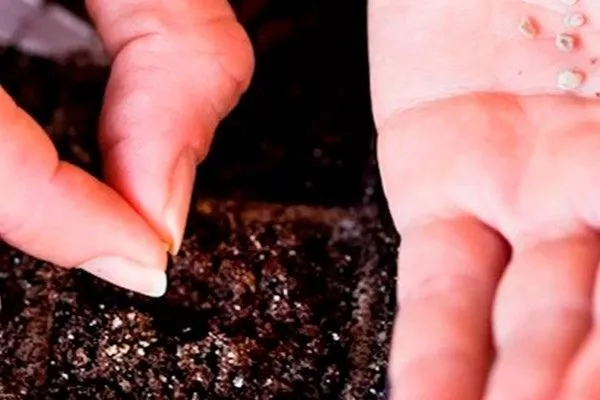
In March, plant the tomato seeds. Sow them in a tray filled with a general-purpose, store-bought potting mix. Plant them 1-1.5 cm deep, leaving 3 cm between them. Water the seeds with lukewarm, settled water through a strainer. Cover them with plastic wrap and keep them in a warm place (25°C).
As soon as sprouts appear, remove the covering material. Move the containers with the Yellow Plum seedlings to a sunny window. The room temperature should be between 20-22°C. Carry out the following care for the young tomatoes:
- moderate watering;
- careful loosening of the soil;
- supplementary lighting with phytolamps;
- application of fertilizers.
Hardening and picking seedlings
Once the tomato seedlings have developed two true leaves, they will need to be transplanted from the box into individual containers (peat pots, plastic cups). To make it easier to remove the plants from the shared container, water them 1-1.5 hours before transplanting. Follow the procedure step by step:
- Carefully remove the seedling from the moist substrate.
- Pinch the root lightly.
- Make a hole 5-6 cm deep in the nutrient-rich potting mix you filled the pot with.
- Place the seedling in the hole.
- Sprinkle its root with soil.
- Moisten the soil under the plant.
Before planting seedlings in the garden, harden them off. This helps increase their hardiness. Begin hardening them off 10 days before transplanting them to the garden. For the first couple of days, leave them in an open window for two hours. Then, increase the time they spend in the open air.
Planting in the ground and further care
Once the Yellow Plum seedlings have developed 9-10 true leaves, transplant them to their permanent location. By this point, they will be 50-60 days old. Follow this procedure correctly to ensure the plants establish quickly in your garden.
Preparing seedlings
Carry out procedures for amber-yellow cherry tomato seedlings that will help them more easily transfer to their permanent location and adapt to the new environment:
- watering (wet the soil mixture in the pots with seedlings thoroughly to reduce the risk of damaging the roots and stems when removing them);
- treatment with a stimulating drug such as Epin to increase the endurance of vegetable crops.
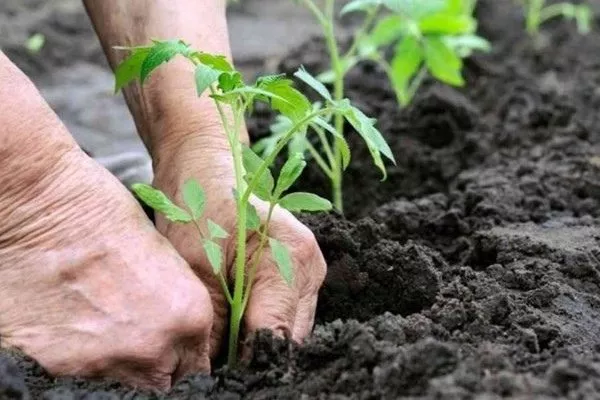
If you're growing tomatoes in peat pellets or pots, plant them directly in the "wrapper." As it gradually decomposes, it will enrich the garden soil with nutrients.
Rules for transplanting into open ground
Tomatoes are a heat-loving crop. Begin transplanting them to their permanent location once the soil in your garden has warmed to a depth of 10 cm, reaching 12-15°C, and the threat of frost has passed. The location for your tomato bed should meet the following requirements:
- be well-lit by the sun throughout the day;
- windless and protected from drafts;
- not flooded by groundwater.
The best soil for growing yellow plum is sandy or loamy soil, loose and rich in humus. Its pH is 6.0-6.8.
To keep your cherry tomato plants healthy and thriving in your garden, follow crop rotation guidelines. Plant them where you previously had vegetable crops:
- pumpkins;
- beans;
- cabbage;
- Luke;
- garlic;
- beets.
Avoid planting a bed where you grew nightshades last season. They are considered unfavorable precursors for tomatoes.
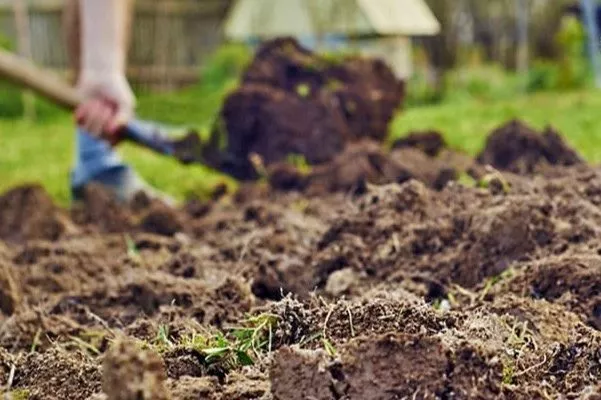
If you didn't apply fertilizer during the fall garden digging, do so in the spring. A few weeks before transplanting the seedlings to their permanent location, improve the soil fertility by enriching it with humus or mature compost. Apply 7-10 kg per square meter. Universal mineral fertilizers are also suitable.
Place no more than 3 seedlings per square meter of plot. Transplant them into the garden bed, without disturbing the root ball. Maintain the distance between plants recommended by the Yellow Plum seed manufacturer:
- in the greenhouse: 40–45 cm — between bushes, 100–120 cm — between rows;
- in an open garden bed: 80–90 cm — between planting holes, 100 cm — width between rows.
Mulching and watering
Irrigate the yellow-fruited cherry tomato variety bred by specialists at the Semena Altaya agricultural firm, following the rules and advice of experienced gardeners:
- Perform the procedure 1-2 times every 7 days.
- To determine whether your plants need watering, check the soil beneath them. If the topsoil is dry, it's time to water them.
- Don't let the soil in the bed dry out or become waterlogged. Try to keep it constantly moist to a depth of 3–5 cm.
- To avoid disease, avoid using cold water to irrigate tomato transplants. Let the water settle and warm in containers in the sun beforehand.
- Pour water at the roots. Avoid splashing on the stems and foliage.
- Adjust the watering regime taking into account the weather and amount of precipitation.
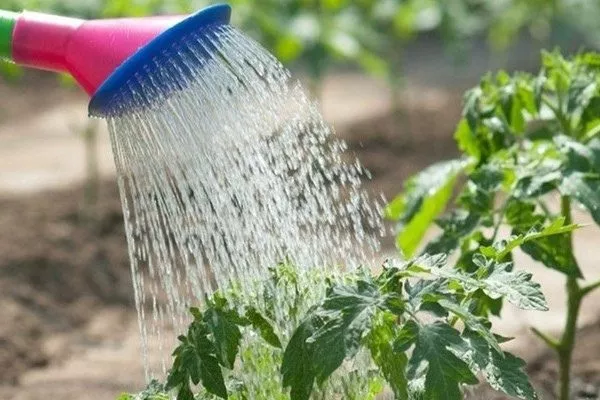
Maintain the soil where your Yellow Plum tomato plants grow. This involves procedures that promote healthy growth and maintain the health of your tomato plants:
- LooseningLoosen the soil under your tomato plants to ensure better oxygen access to the root system. Loosen the soil at least once every 10–12 days. Ideally, do this after every rain and watering.
- Removing weedsBy promptly removing harmful plants, you can prevent crop diseases and pest infestations. Combine this procedure with soil loosening.
- MulchingTo retain soil moisture and prevent grass from growing on the bed, cover it with a layer of organic matter (sawdust, peat, straw).
Bush formation and pinching
Tall tomatoes, which produce miniature, amber-colored fruits, benefit from shaping treatments. These ensure maximum productivity and simplify care. These include:
- 1-2 barrel guidance;
- pinching out stepsons;
- removing lower leaves and those that shade the brushes;
- pinching the main stem (the procedure is carried out when the shoot reaches the ceiling of the greenhouse).
Another essential step is tying the plants to supports or trellises. This is to prevent the stems, which are long and laden with a large number of plum tomatoes, from breaking.
Top dressing
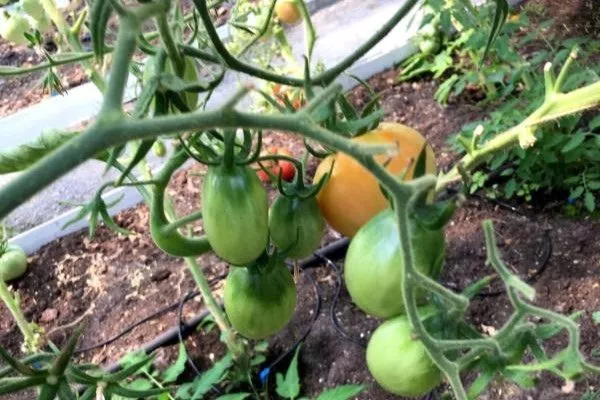
To ensure abundant and high-quality harvests of yellow cherry tomatoes, don't limit yourself to adding nutrients to the garden soil just before planting. After transplanting the tomato plants to the garden bed, fertilize them at least three times. Follow the following fertilization schedule:
- 7-10 days after transferring the seedlings to a permanent location, water them with a mullein solution;
- during the flowering period of the crop, apply a liquid mineral composition rich in phosphorus (for example, Superphosphate);
- After the first fruit ovaries appear on the plants, feed them with potassium humate.
Growing the variety in a greenhouse - features
| Parameter | Greenhouse | Open ground |
|---|---|---|
| Daytime temperature | +17-19°С | Depends on the weather |
| Temperature at night | +12-14°С | Depends on the weather |
| Air humidity | 60-70% | Depends on the weather |
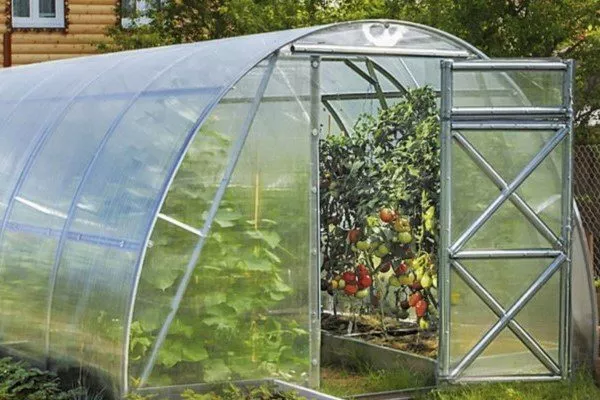
Yellow plum, like most indeterminate varieties, is best grown indoors. The process is somewhat different from growing cherry tomatoes in the open and has its own nuances:
- plant the variety in a greenhouse after cucumbers or green manure crops (rape, mustard, phacelia);
- If possible, replace the top layer of soil with fresh, fertile soil with the correct structure before transferring the seedlings to the shelter;
- add fertilizers to the greenhouse soil to increase its fertility: mullein or humus (4-6 kg/sq. m), ammonium nitrate (8 g/sq. m), superphosphate (30 g/sq. m), potassium magnesium sulfate (10 g/sq. m);
- maintain the air temperature inside the greenhouse at +17-19°C during the day and +12-14°C at night;
- the optimal soil humidity in a film shelter is 70-75% (during the fruiting period - 80%), air - 60-70%;
- regularly ventilate the interior space so that tomato bushes do not suffer from heat and stuffiness;
- Grow tomatoes on trellises (stretch a wire under the ceiling, tying twine to it, which you use to vertically secure the long shoots of the crop);
- Use magnesium fertilizers for greenhouse tomatoes; during the fruit ripening period, add potassium compounds;
- Set up drip irrigation in the shelter to prevent over-watering of the soil and rotting of plants in the garden bed.
Treatment against diseases and pests
Breeders have grafted the Yellow Plum tomato with excellent resistance to major nightshade diseases and pest attacks. Deteriorating health is caused by care errors, often made by inexperienced gardeners.
Due to poor agricultural practices, plum tomato plantings can be susceptible to pests. Aphids, cutworms, and Colorado potato beetles are the most common pests. Commercial insecticides (such as Confidor or Fitoverm) can help control pest attacks.
Pros and cons
This yellow-fruited variety is a favorite among gardeners and farmers who grow vegetables for sale. This cherry tomato variety boasts many advantages that make it popular among gardening enthusiasts:
The vegetable variety bred by the Semena Altaya agricultural firm also has several significant drawbacks. Gardeners cite the following:
Reviews
The Yellow Plum variety is a marvel of domestic breeding, winning the hearts of gardeners and farmers. It is prized for its uniform ripening, excellent marketability and taste, high productivity, and disease resistance. It's an excellent choice for those who love cherry tomatoes or grow them specifically for whole-fruit canning.