
Many gardeners dream of growing sweet tomatoes. They're delicious fresh, especially in salads, with their honey- or berry-like flavor. To reap such a harvest, you first need to select sweet tomato varieties, which we'll explore below.
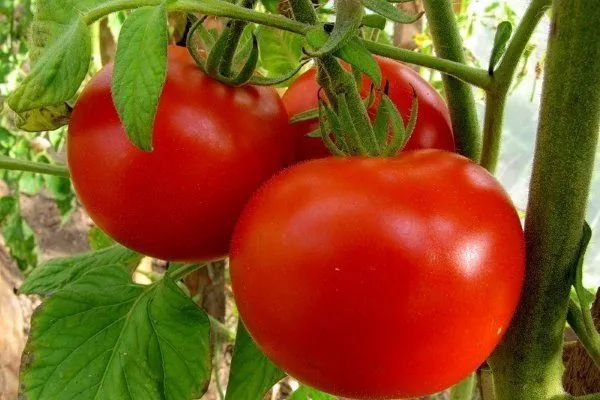
Popular sweet tomatoes
Among the many varieties, there are some that stand out as having the most pronounced sweetness and unique aroma.
| Variety | Fruit weight | Bush height | Productivity | Sustainability |
|---|---|---|---|---|
| Pink honey | 600-1500 g | 0.8-1.5 m | High | Low resistance to fungi |
| Golden Königsberg | up to 300 g | 1.2-1.8 m | 5 ovaries/brush | Average |
| The Tsar Bell | up to 600 g | 1.0-1.5 m | 4 brushes/bush | High |
| Honey drop | up to 30 g | 1.5-2.0 m | 15 fruits/bunch | Average |
| Raspberry Giant | up to 700 g | 1.0-1.5 m | 5-6 kg/bush | High |
Pink honey
This is one of the most delicious tomatoes grown in many countries. Its taste is reminiscent of honey—it has a tart flavor without the slightest sourness, even where the seeds are. The yield is high, even on the lower branches. Each tomato weighs 600 grams, but some growers grow giant tomatoes weighing up to 1.5 kg. In the open field, the height reaches up to 80 cm, but in a greenhouse, the stems can stretch up to 1.5 meters. Even if the plant doesn't grow very tall, this won't affect the yield.
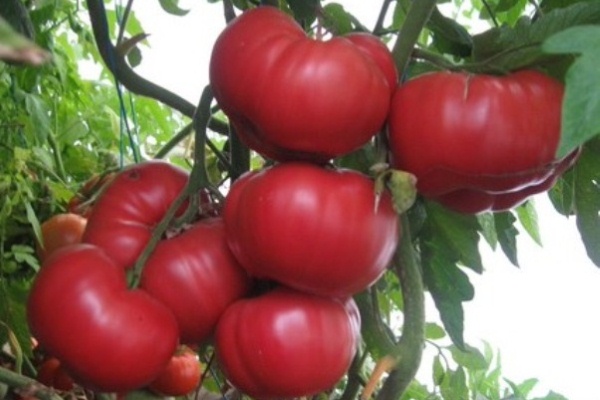
The downside of this variety is that its representatives are often affected by various fungal diseases.
Golden Königsberg
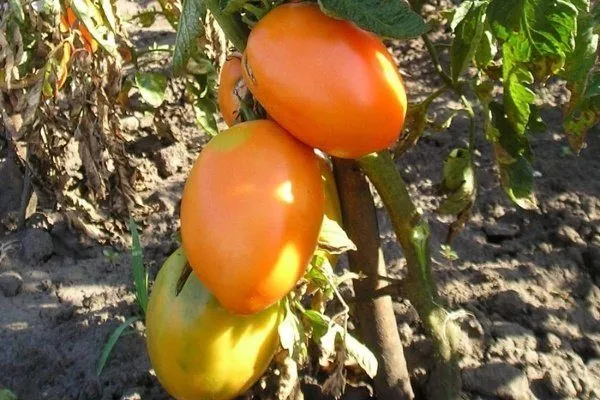
This is another of the best mid-season varieties. The tomatoes have an elongated plum shape and are sweet, fleshy, and juicy. They have a thick skin, allowing for long shelf life. They grow well in open ground, but don't reach very high heights, whereas in a greenhouse they grow much taller. This variety is highly productive—each cluster has five ovaries. Tomatoes can weigh up to 300 g.
The Tsar Bell
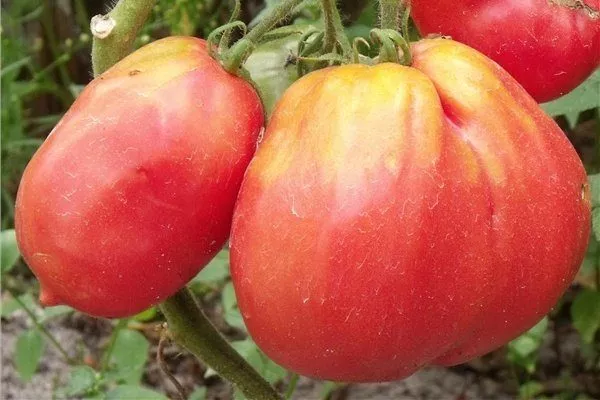
This variety grows well outdoors and is considered mid-season in terms of ripening. It adapts to a variety of climates and is primarily considered a salad tomato. The fruits grow large—up to 600 g—and are red and heart-shaped. When cut, the tomato resembles the sugary flesh of a watermelon. Up to four clusters ripen over the summer.
nobleman
This tomato was previously known as the "Budenovka" variety. It is prized for its pleasantly sweet flavor and high yield. The fruits are raspberry-colored and heart-shaped. In open ground, they reach a height of up to 1.3 m, and when grown in a greenhouse, they reach 1.8 m.
Fruit weight varies—on average, from 130 to 250 g, but the first bunch can weigh up to 600 g. This variety is considered a salad variety, but is also suitable for making tomato paste and juice. The plant is resistant to late blight.
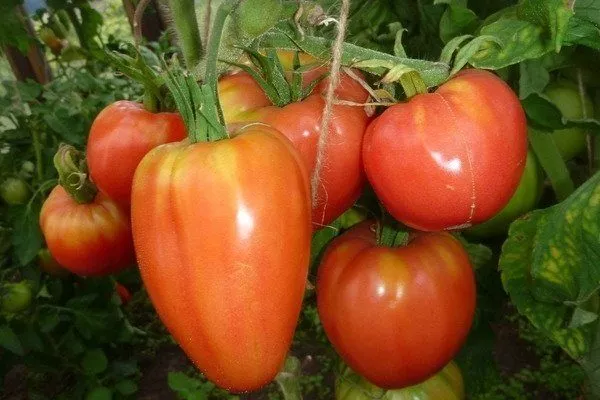
Honey drop
This is the name given to early-ripening cherry tomatoes. They are yellow, so they truly resemble drops of honey. They grow small—up to 30 g—but are gathered in clusters, each containing up to 15 tomatoes.
This variety produces a high yield, but the bushes also grow tall. In open ground, the main stem reaches 1.5 meters, while in greenhouses they can grow 50 cm taller. They are eaten fresh, preserved, and even used to make jam. Once ripe, they cannot be stored for long periods.
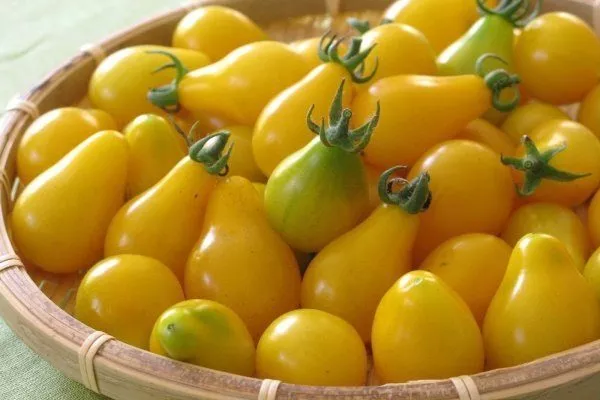
Mystery
This red tomato variety has a firm texture and fleshy texture, covered with a light silvery bloom. They are considered ultra-early, with fruits weighing around 100 g. They reach a height of only 40 cm, but are known for their high yield. The plant does not require staking, but it is best to remove side shoots. This variety is rarely susceptible to disease. These tomatoes are easy to transport and can be preserved whole in their own juice.
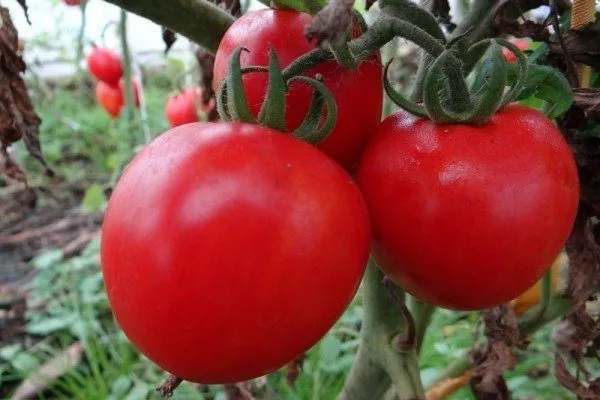
Raspberry Giant
This is a hybrid variety renowned for its high sugar content. It is pink in color, slightly flattened, and weighs approximately 700 g. It is highly resistant to various diseases and is rarely affected by late blight. It is most often eaten fresh; it is not suitable for canning.
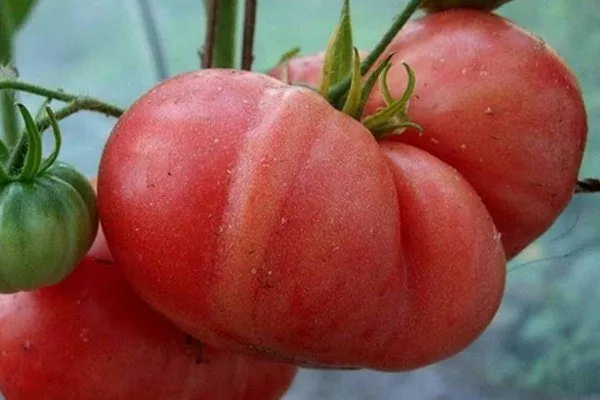
Roma
This variety bears fruit for a long time—almost two months. It's considered a Dutch hybrid. The fruits are small, weighing only 80 grams, but a cluster can contain up to 20. This variety is also known for its high yield. These tomatoes are sweet as candy. They can be used in salads, pickled, and salted, making them versatile. The bushes don't grow tall—usually about a meter.
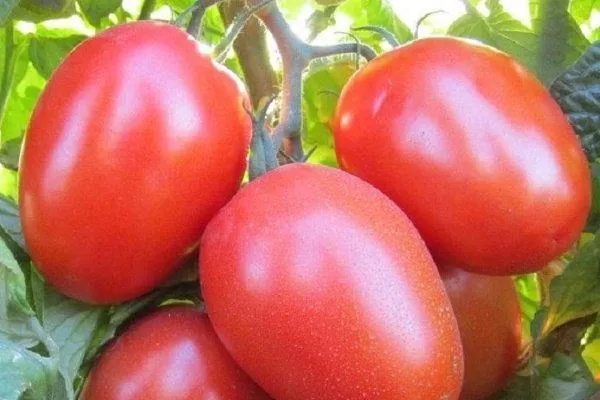
Appetizing
It boasts a high sugar content. This variety is considered a mid-early variety. The bushes grow to about 80 cm tall, are very neat and compact, and produce a high yield. The tomatoes weigh up to 400 grams and are burgundy in color. They are very juicy, with a slightly whitish color due to the high sugar content of the pulp. They are primarily eaten fresh, but are also used for preserves and jams.
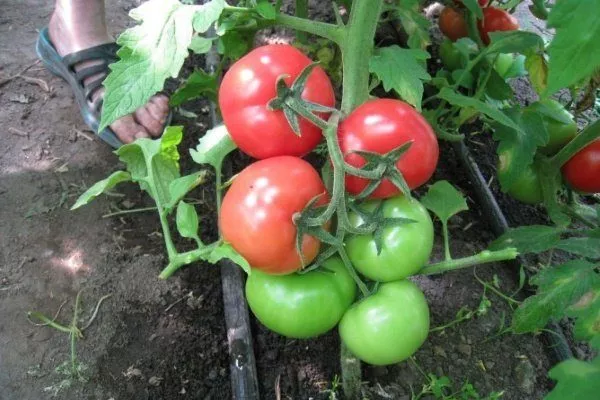
Orange pear
This is a domestic mid-season hybrid. The tomatoes grow up to 1.5 m tall in open ground, and can reach around 2 m in greenhouses. The fruit is orange, pear-shaped, and light in weight—approximately 65 g. This variety is highly productive, especially in greenhouses, but is susceptible to fungal diseases, including late blight. The tomatoes have a beautiful ornamental appearance and are suitable for fresh eating and pickling.
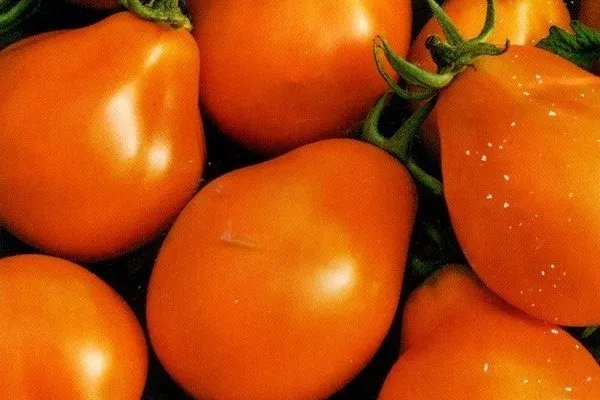
Staroselsky
This tomato is early ripening. It's considered an easy-to-grow plant, growing well in greenhouses and open ground. The bushes reach a height of about 1 m, producing clusters of up to 8 tomatoes each.
The tomatoes are red, slightly flattened, and weigh 300 g. They are fleshy, aromatic, and have few seeds. They are most often eaten fresh.
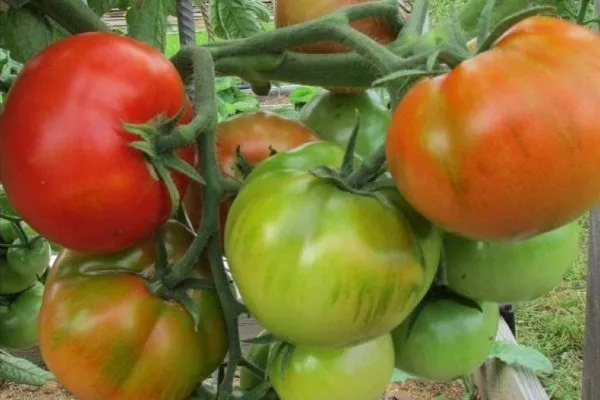
The plant is resistant to various diseases, but does not tolerate sudden changes in air temperature.
Sugar giant
This tomato variety was developed by breeders in Russia. Its bushes reach a height of 1.5-1.8 meters. It is a versatile plant, so it can be grown both outdoors and in greenhouses. It is characterized by high yields, as a single well-cared-for plant can yield approximately 6 kg of tomatoes. They are large (400-600 g) and suitable for fresh consumption, but not for canning.
A positive aspect of this variety is that it's not particularly sensitive to temperature fluctuations and is resistant to late blight. Its drawbacks include its need for nutrient-rich soil and the need to tie up weak branches.
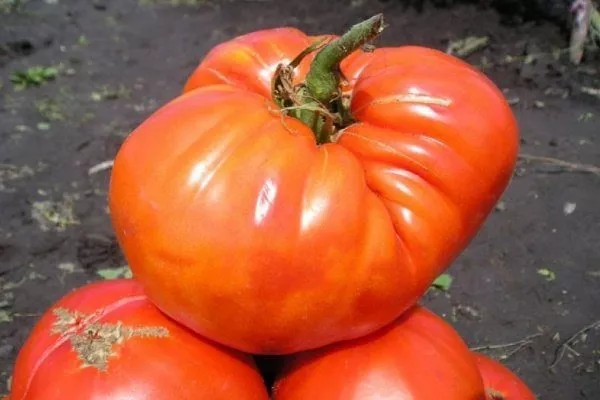
Carbon
This mid-season variety was bred in America. Plants can be grown both outdoors and in a greenhouse. The bushes reach a height of 1.5 meters. Although the stems are strong, they still require support. For maximum yield, only two stems are left.
This variety is highly disease-resistant, high-yielding, and ripens slowly. Cherry-colored with brown stripes, slightly flattened, and weighing approximately 300 g, the flesh is sweet, aromatic, and juicy. These tomatoes are not suitable for canning; they are best eaten fresh.
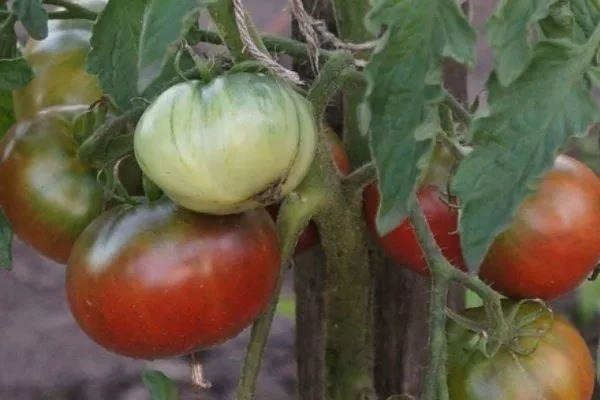
Tea rose
This variety, developed by Russian breeders, is characterized by a sweet flavor and a beautiful aesthetic appearance. The plant resembles a vine, reaching 2 meters in height. A single cluster can contain up to six tomatoes. They are a soft pink color and quite large, weighing approximately 400 grams. They have slight ribbing near the stem and a spherical shape. The tomatoes have fleshy flesh and a pleasant aroma.
This variety thrives in greenhouses, so it can only be grown outdoors in the south. It is resistant to temperature fluctuations and diseases. The only downside is that it requires regular removal of side shoots, tying it to a trellis, and timely fertilization.
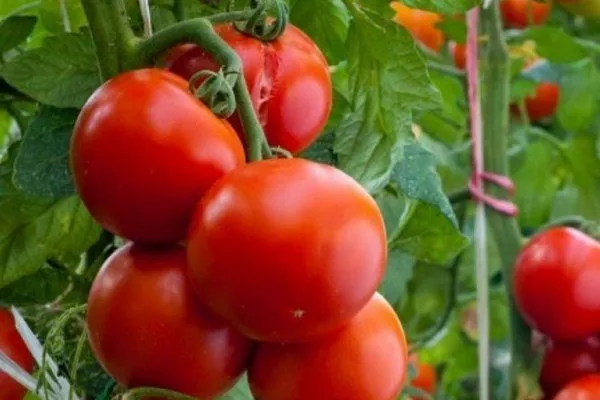
Honey salute
This tomato is prized not only for its excellent taste but also for its beautiful appearance. It can be grown both outdoors and in greenhouses. The stems reach up to 1.8 m in height. The plant is disease-resistant, but requires staking to ensure proper bush formation. It is considered a late-ripening variety, requiring at least four months for the tomatoes to ripen. It is a high-yielding variety—with proper care, a single plant can yield up to 7 kg of tomatoes.
The tomatoes are round, slightly flattened at the stem. They are distinguished by their distinctive coloring: spotted with predominantly red and yellow hues. They are large, weighing 300-450 g. They are eaten fresh and also used in salads, as they are virtually seedless.
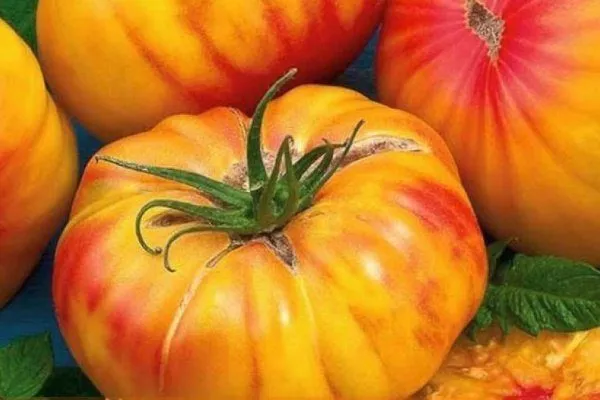
This variety has a long shelf life. In the refrigerator, the tomatoes will retain their firm flesh and freshness for up to 1.5 months.
The largest sweet varieties
Large tomato varieties are attractive due to their productivity and large weight (from 300-800 g).
These include:
- Sugar PudovikThis tomato captivates everyone with its exquisite flavor and fruit weighing up to 600 g. It's a versatile plant, suitable for both greenhouse and open-field cultivation. In greenhouses, the bushes reach a height of up to 18 m, while in open-field cultivation, they reach about 80-100 cm. It boasts a high yield—up to 5 tomatoes per cluster. A single bush can yield up to 11 kg of tomatoes.
- Sugar buffaloThis tomato is distinguished by its high sugar content. The fruits are pink and heart-shaped. They are mainly grown in protected soil. The bush reaches a height of 1.8 meters. The tomatoes themselves weigh up to 300 g. A single plant can produce up to 9 kg of fruit.
- Meaty and sugaryThis variety's name is well-deserved, as it boasts fleshy, sweet, and pink fruits. They typically weigh 250-280 g, but with proper care they can reach up to 500 g. The bushes can reach a height of approximately 1.8 m. Overall, this is a versatile plant, growing well in both greenhouses and open ground.
- Sugar NastasyaThis variety is characterized by high yields—each cluster produces 8 tomatoes weighing up to 400 g. The tomatoes are fleshy and heart-shaped. The plant is considered mid-season and reaches a height of 50 cm. It is recommended for growing in protected soil.
- Kibo F1This Japanese hybrid is known for its stress tolerance. A cluster produces approximately 5-6 tomatoes at a time. They are pink, round in shape, slightly flattened at the stem, and have an attractive appearance, weighing approximately 350-400 g.
- SugarThis variety has received only positive reviews and is suitable for fresh eating and salads. It is grown in a greenhouse. The tomatoes weigh up to 450 g, are red, and round. The stems are quite tall—up to 1.8 m.
- Brown sugarThis versatile plant grows and produces fruit well both in open and protected ground. The fruits are a pinkish-chocolate color. A single cluster can contain up to five tomatoes. The bushes are very tall and can reach up to 2.5 m in greenhouse conditions. This is a productive, late-ripening variety. A single bush can yield up to 8 kg of tomatoes.
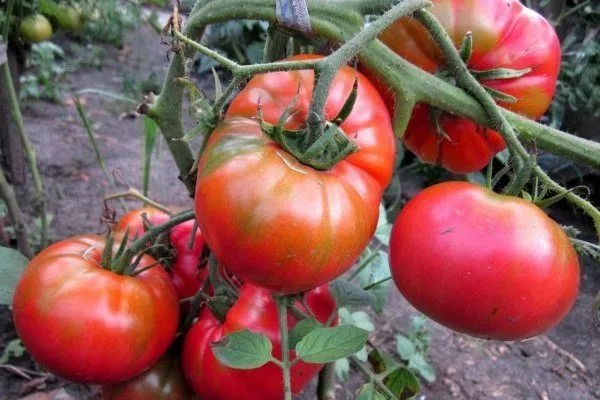
Tomato "Sugar Pudovichok"
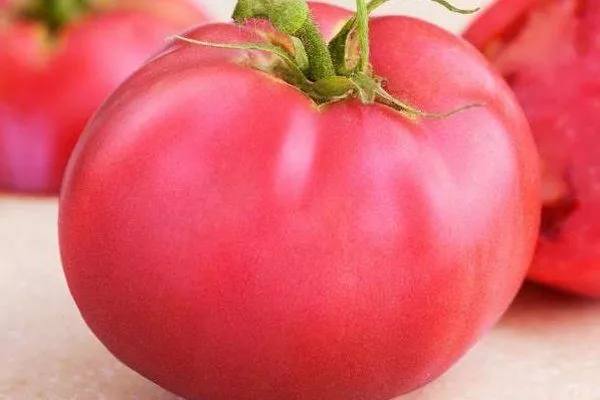
Sugar Bison variety
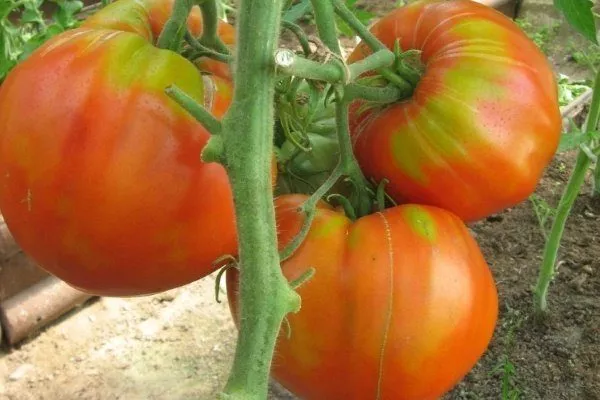
"Fleshy-sugary" tomato
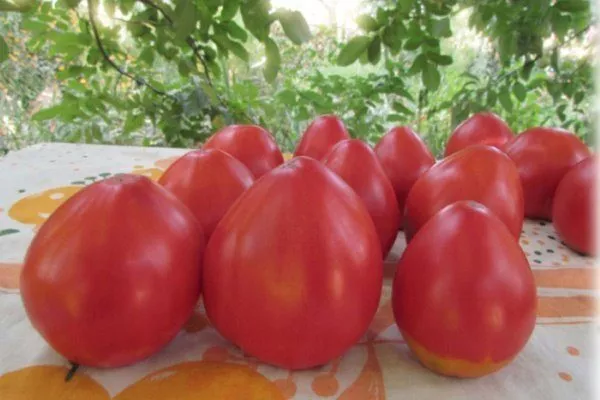
Variety "Sugar Nastasya"
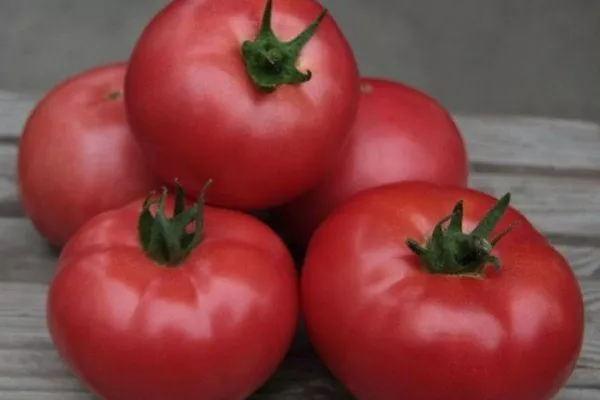
Tomato variety "Kibo F1"
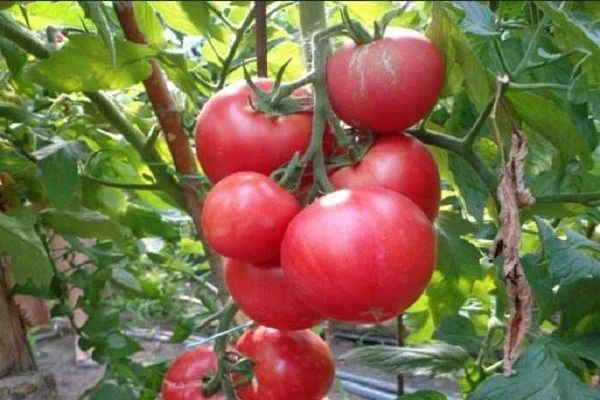
Tomato "Sugar"
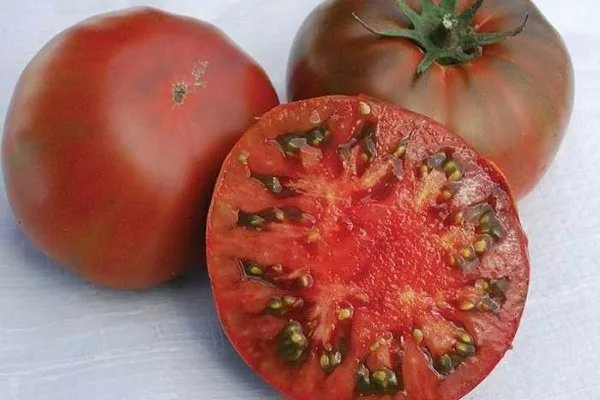
Tomato variety "Brown Sugar"
Recommended varieties for people prone to allergies
| Variety | Color | Lycopene content (mg/100g) | pH of the pulp |
|---|---|---|---|
| Honey-sugar | Yellow | 0.5-0.8 | 4.3-4.5 |
| White sugar | Cream | 0.3-0.5 | 4.6-4.8 |
| Sugar-coated cranberries | Red | 2.1-2.5 | 4.2-4.4 |
| Octopus F1 | Red | 3.0-3.5 | 4.1-4.3 |
There are sweet tomatoes that are low in carotene but rich in antioxidants, making them recommended for people with allergies. They often come in a variety of colors and are also suitable for decorating dishes. These include the following varieties:
- Honey-sugarThe fruits are yellow and weigh up to 300 g. This mid-season variety grows up to 1.5 m. It produces well both in open ground and in greenhouses. It is characterized by a high yield of up to 7 ovaries. The tomatoes are very sweet, hence their name.
- White sugarThese delicious tomatoes have an unusual creamy-white color. They grow up to 2 m tall in greenhouses, weighing up to 300 g, and are very productive. They are distinguished by their long fruiting period.
- Sugar plum raspberryThese tomatoes grow well in greenhouses. They grow up to 1.4 m tall, requiring two stems. The fruits are delicious and sweet, raspberry-colored, and light in weight (only 25 g). Up to nine plants can be planted per square meter. With proper care, you can harvest up to 8 kg from this plot.
- Sugar-coated cranberriesThese tomatoes have small fruits weighing up to 15 g. They can even be grown indoors on a windowsill. They are round and red. Yields reach up to 3 kg per square meter. A significant advantage of this variety is its resistance to late blight.
- Sweet kissThis tomato variety is a favorite, especially among young children, due to its small fruits (weighing up to 20 g) and sweet flavor. The plant is grown in greenhouses and can reach a height of up to 1.5 m. It is suitable for canning.
- Octopus F1The plant resembles a tomato tree, growing up to 5 meters tall and with extensive branches. Hydroponics is used in greenhouses, where the tomatoes are grown in a special nutrient solution. This variety is very productive, yielding up to 10 kg per plant.
- Masha the dollThis early tomato variety is grown exclusively in greenhouses. The fruits are pink and round. The bushes reach 1 m in height, with clusters containing 4-6 tomatoes weighing up to 250 g. They have a long shelf life. A single bush can yield up to 8 kg of tomatoes.
- Russian happinessThis variety is considered a mid-season hybrid. It grows up to 2 m in protected soil. Each cluster contains up to 5 tomatoes weighing up to 300 g. The yield is high—up to 8 kg per plant. It is resistant to many diseases.
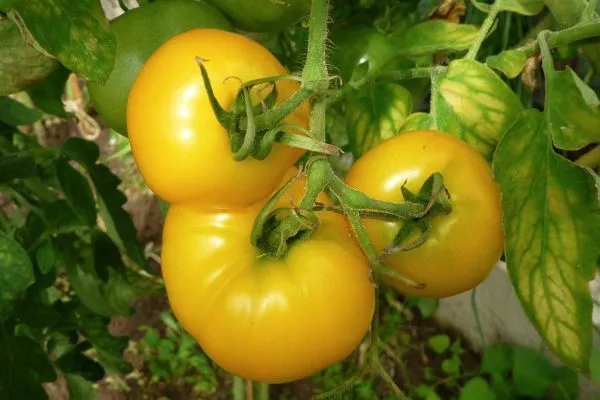
Tomato variety "Honey-sugar"
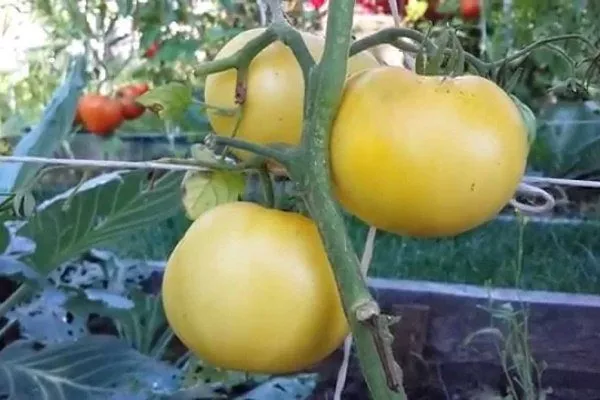
Tomato "White Sugar"
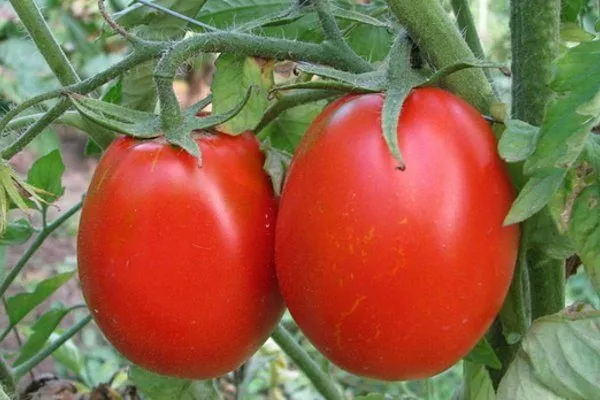
Tomato "Sugar Plum Raspberry"
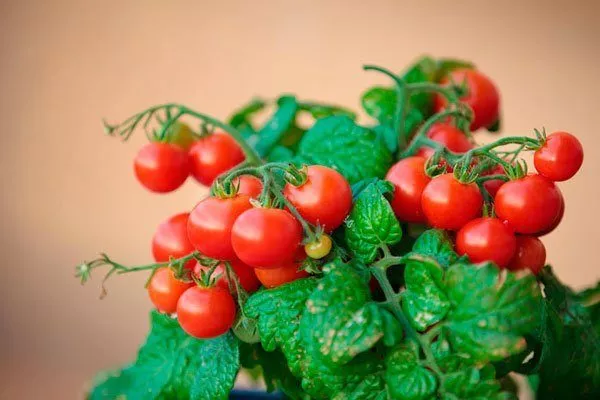
Tomato variety "Cranberry in sugar"
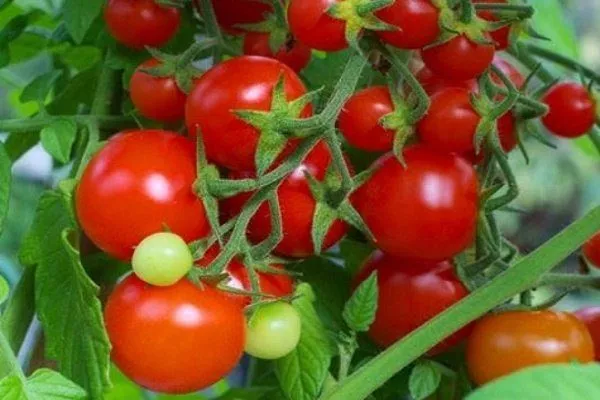
Tomato "Sweet Kiss"
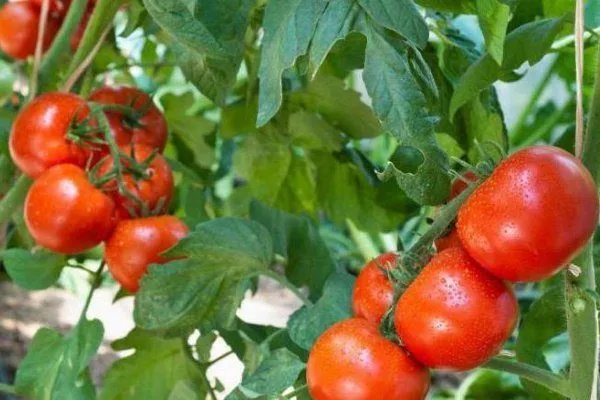
Variety "Octopus F1"
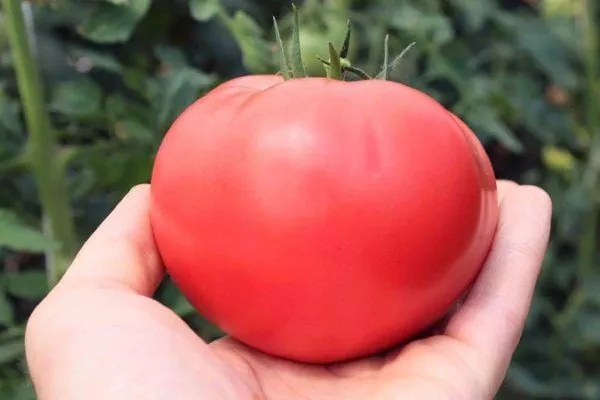
Tomato variety "Masha Doll"
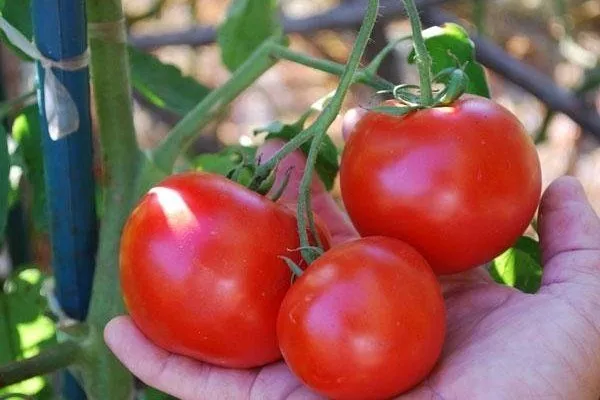
Tomato "Russian Happiness"
For growing in open ground conditions
In open ground conditions it is recommended to grow:
- Malachite box;
- Emerald honey F1;
- Hazel May;
- Raspberry Giant;
- Riddle;
- nobleman;
- Tsar Bell;
- Persimmon;
- Red target;
- Grandmother's;
- Pink banana.
The criteria for choosing tomatoes for open ground are:
- stress resistance to various temperatures;
- drought resistance;
- growth and fruiting in various soils;
- excellent sweet taste;
- resistance to various diseases;
- versatility of cultivation.
For growing in greenhouses
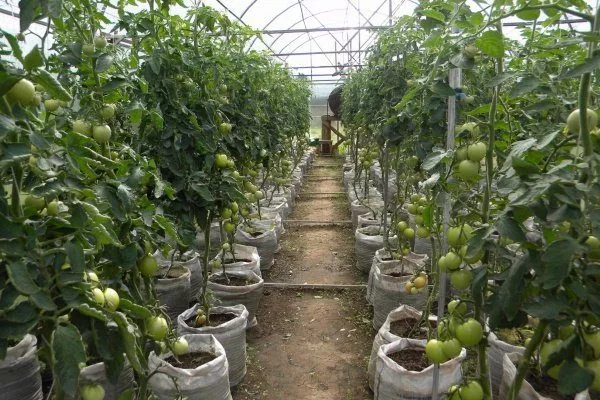
Almost all tomato varieties grow in greenhouses, but there are certain varieties that can only bear fruit in protected soil. These include:
- Honey salute;
- Pink honey;
- Qingdao;
- Gold;
- Sweet miracle;
- Sweet Million;
- Black Crimea.
Tips for increasing the sugar content of tomatoes
The sugar content of tomatoes is determined by the ratio of sugars to acids in the fruit. It's important to know that most of the acids are found in the seed chamber. The fewer seeds, the sweeter the tomato. Therefore, before choosing tomato varieties, it's important to pay attention to the seed content.
There are some tricks that can affect the sweet taste of tomatoes:
Fertilizing schedule for sugar content
- 3-leaf phase: calcium nitrate (20g/10l)
- Flowering of 1 brush: potassium monophosphate (15 g / 10 l)
- Fruit filling: magnesium sulfate (10g/10l)
- Ripening: ash infusion (1 l/bush)
- Sunlight is essential for sweet tomatoes. Tomatoes should be grown in a sunny location.
- It is necessary to water tomatoes moderately, that is, abundantly, but not often, so as not to dilute the sugar in the fruit.
- The water temperature should not fall below 22-24 degrees Celsius. You can add compost or a little manure to the water.
- Fertilizing is very important. When watering, it is recommended to add 4 drops of iodine, as well as boric acid and copper sulfate.
- You can increase the sugar content by watering the plants with 1 cup of ash and a tablespoon of salt added to a bucket of water. Apply 0.5 liters of the solution to each plant.
Among the wide variety of tomatoes, everyone tries to choose sweet varieties, as they make the most delicious dishes. Moreover, sweet tomatoes are very pleasant to eat fresh. It's important to note that the sugar content of tomatoes doesn't raise blood sugar levels, making them suitable for diabetics.