
The beef tomato Skvorets is a worthy representative of domestic selection. It requires little maintenance but produces consistent, high yields. This hybrid is both short and large-fruited, a rare trait.
Who and when bred the Starling tomato?
The Skvorets tomato was developed by Russian breeder V. I. Blokin-Mechtalin. This hybrid was developed in 2017, and in 2019, it was added to the State Register and approved for use.

Recommended for cultivation both in private gardens and on large plantations on an industrial scale.
Description of the Starling variety
The Skvorets tomato plant grows as a standard, medium-sized bush with strong, sturdy stems. The crown is branched but not spreading. It is a determinate plant. Outdoors, it reaches a height of 0.5 m, while indoors, it reaches 1-1.2 m. Its leaves are medium-sized and green.
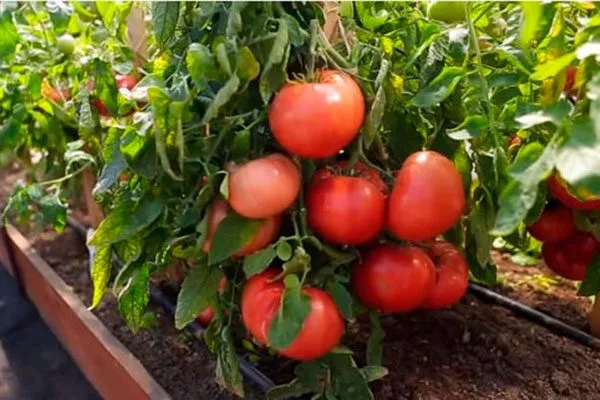
The Starling tomato has simple inflorescences and articulated peduncles. The first inflorescence appears above the 5th to 7th leaf, with subsequent inflorescences appearing one to two leaves apart. The root system is short and well-developed.
Brief description of fruits:
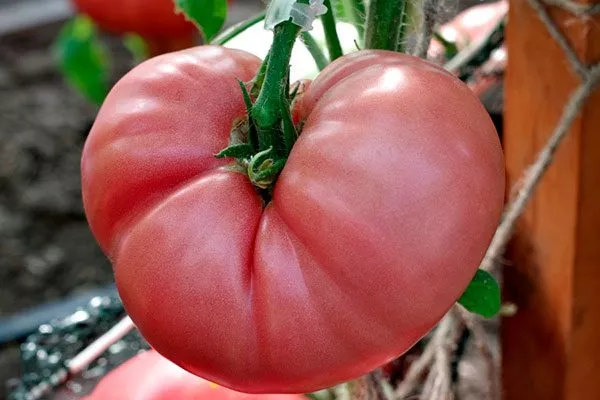
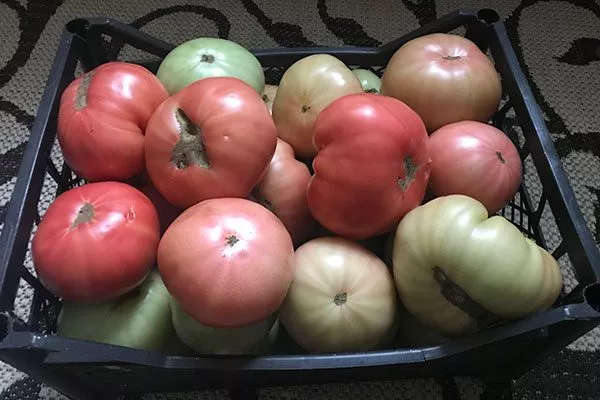
- Color of unripe fruit: light green.
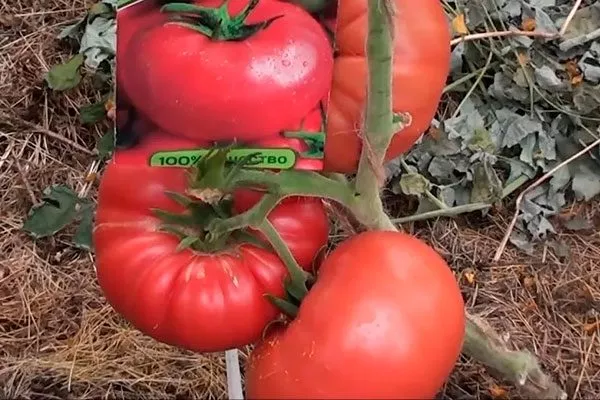
- Colour of ripe fruit: pink (without green spot at the base);
- Shape: flat-round, strongly ribbed.
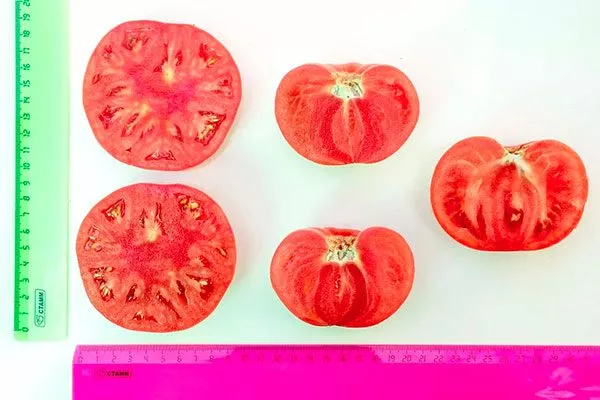
- Pulp: dense, fleshy.
- Skin: dense, glossy.
- Weight: 250-300 g.
Taste and purpose of fruits
The Skvorets tomato's fruits are rich in sugar, juicy, and sweet, with a mildly acidic flavor. The pulp is slightly watery. These versatile fruits are eaten fresh, used in salads, juices, and more.
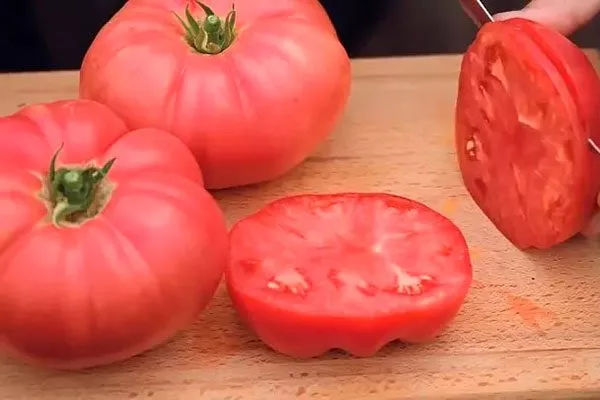
Starling tomatoes are also suitable for pickling, salting and whole-fruit canning.
Characteristics
The Skvorets tomato, as befits a hybrid, has excellent agronomic characteristics, allowing it to be successfully grown in various regions, both outdoors and indoors.
Productivity
The Tomato hybrid is a high-yielding variety. A single bush can yield 4-5 kg of ripe tomatoes. Yields in open ground range from 12 to 14 kg/sq. m, and indoors from 16 to 18 kg/sq. m.
Ripening time
Starling is an early-ripening variety, and when grown in greenhouses, it's even considered a very early one. From germination to ripening of the first fruits, it takes 95 to 100 days.
Resistance to cold, drought and disease
The tomato is drought-resistant and heat-tolerant. It has typical cold tolerance and good immunity. Specifically, it is resistant to blossom-end rot, bacterial leaf spot, and tobacco mosaic virus.
Pros and cons
The beefsteak tomato "Skvorets" has virtually all the qualities prized by tomato lovers. But before planting this variety in your garden, be sure to familiarize yourself with both its advantages and disadvantages.
Landing
The Skvorets hybrid is recommended to be grown using seedlings. This method allows for the production of ready-to-use planting material that will bear fruit within a month. This approach allows for an early harvest and protects young plants from adverse effects (weather, pests, etc.).
How to prepare and sow seeds?
Seeds for planting are purchased from a specialist store. Self-collected seeds are not suitable, as they will produce plants that will not retain their varietal qualities. Store-bought planting material is sold ready for planting – disinfected and treated with all necessary compounds.

If the seeds are untreated, they are rinsed with warm water, then soaked in a weak (pink) solution of potassium permanganate or aloe vera juice. They are then thoroughly dried. The seeds can also be tested for germination in a saline solution and then hardened in the refrigerator using standard techniques.
Features of sowing tomato Skvorets for seedlings:
- To plant, you'll need a store-bought seedling substrate or a homemade potting mix. There are many recipes for creating such mixtures; for example, you can mix peat with humus and sand, adding ash.
- The soil mixture is poured into planting containers—containers or individual cups. These must have drainage holes to allow water to drain. You can also grow seedlings in peat pots. This option is more expensive, but it allows you to transplant the seedlings into the ground without stress, along with the container.
- Seedlings are planted in March, or earlier in the south—at the end of February. When choosing a planting time, consider the expected planting dates, which vary by region.
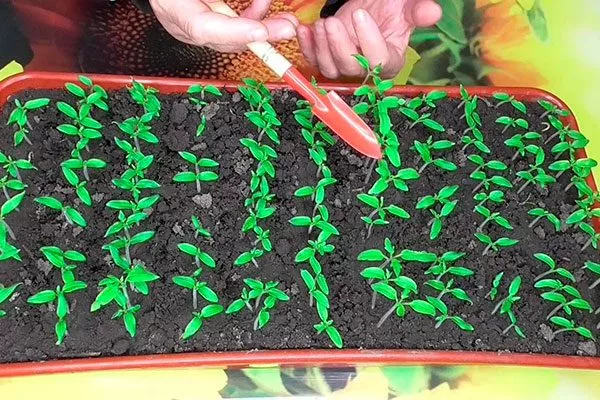
- The soil is leveled and moistened with a spray bottle. Furrows are dug for planting—in containers, in cups, make depressions. The planting depth is 1.5 cm. The distance between seeds is about 2-3 cm. The intervals between rows are 3-4 cm. The planted seeds are covered with a thin layer of soil.
- The planting containers are covered with a transparent material—glass or plastic film. The seeds are placed in a warm, well-lit room, free from drafts.
How to grow seedlings?
Tomato seedlings appear in about a week. This is a crucial time to take root. As soon as the first sprouts appear, remove the cover and lower the temperature to prevent the seedlings from stretching, as they begin to grow in the warmer temperatures. Keep them at a temperature of 14 to 15°C for about a week. At night, lower the temperature a few more degrees, but not below 10°C.
Features of growing seedlings:
- Before transplanting, water the seedlings no more than once a week. Overwatering at this stage is extremely dangerous, as it can trigger fungal diseases, including the incurable blackleg.
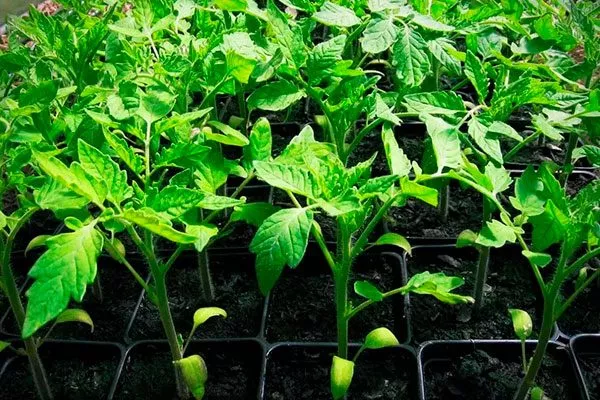
- When the seedlings develop two true leaves, transplant them from their containers into individual containers, pinching the roots. If they were sown in individual cups, transplant them into larger individual containers.
- After transplanting, water the seedlings more frequently, 2-3 times a week. Use warm, settled water. Pour it under the roots, making sure no water drips onto the leaves.
- Two weeks after transplanting, the seedlings are fed with a complex fertilizer. This promotes the development of the above-ground part of the plant and the root system. Fertilize again after 10-12 days; by this time, the seedlings should have 2-3 true leaves. The third feeding is done 8-10 days before transplanting into the ground or greenhouse.
Selecting a site
Choose a well-drained, warm, sunny, draft-free site for planting. Low-lying areas are not recommended, as they collect rainwater, as dampness and waterlogging can cause fungal diseases in tomatoes.
Other site requirements:
- The optimal soil pH is between 6.0 and 6.8. It should be nutritious and disinfected. It is recommended to apply potassium permanganate to the soil before planting.
- In open ground, protection from the wind is desirable - tomatoes should not be exposed to strong winds.
- Shade is contraindicated, as is high groundwater levels. If the groundwater is close to the surface, it is recommended to construct raised beds.
- Good predecessors for the Starling tomato include onions, garlic, peas, watermelon, melon, lentils, all types of cabbage, cucumbers, zucchini, and pumpkins. Bad predecessors include potatoes, peppers, tobacco, and eggplant.
How to prepare the soil?
The plot is dug over in the fall, after first testing the soil's acidity. This can be done using special litmus strips. If the soil is found to be acidic, slaked lime is added along with the fertilizer during the digging process.
To increase the soil's nutritional value, add humus, compost, or manure. A few weeks before planting, water the soil with a copper sulfate solution to disinfect it.
Planting seedlings in the ground
Skvorets tomato seedlings are planted in mid-May (the exact timing depends on soil type and climate conditions). When planting without cover, the soil and air temperatures should be between +12°C and +14°C and +16°C and +18°C, respectively.
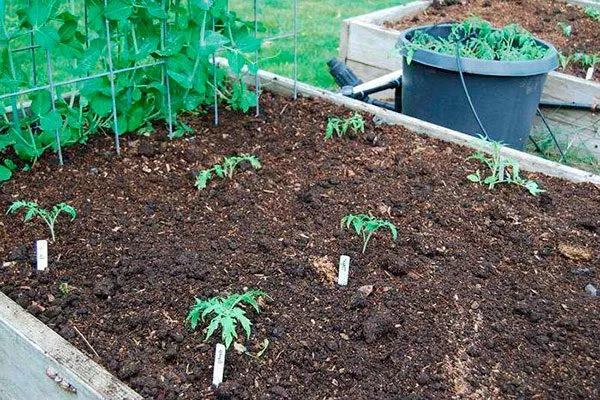
Features of planting tomato seedlings Skvorets:
- The hole size is 15 x 20 cm. Four plants are placed per square meter: in open ground, three in closed ground. The optimal planting pattern is 70 x 60 cm.
- Add a small amount of humus and wood ash to the hole. You can also add 20 grams of superphosphate, then top with regular soil to prevent the seedling's roots from burning the fertilizer. Add 3 liters of water and let the soil settle for half an hour to an hour.
- The seedling is moved into the hole along with the soil from the planting container. The roots are covered with soil and gently compacted. Then, water with warm, settled water. After planting, the seedling should be buried 3-4 cm deeper than in the planting container.
Care
The Starling hybrid requires standard care, including a full range of measures provided for by the crop's agricultural technology.
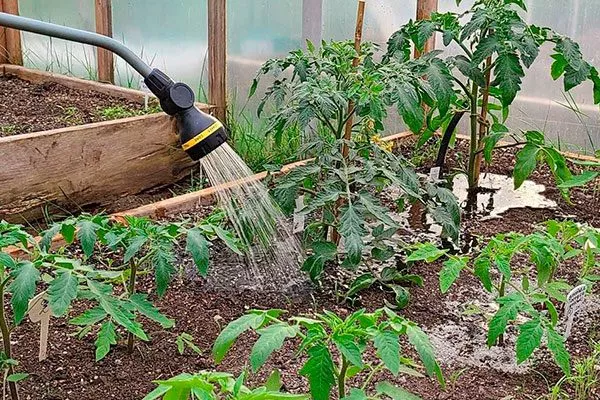
Watering mode
The Starling tomato is quite drought-tolerant, so it doesn't need to be overwatered. Water only after the top layer of soil has completely dried out. On average, watering is 1-2 times a week, depending on the weather and soil conditions.
Top dressing
The Starling tomato is fertilized at least three times per season. The first feeding is done two weeks after transplanting the seedlings into the soil. Organic fertilizer or nitroammophoska is used to promote active foliage growth.
For the second feeding, use superphosphate or potassium sulphide, which promotes the growth and filling of fruits.
Loosening and weeding
It's recommended to loosen the soil in tomato beds after each watering or heavy rain. Loosening ensures oxygen reaches the root system.
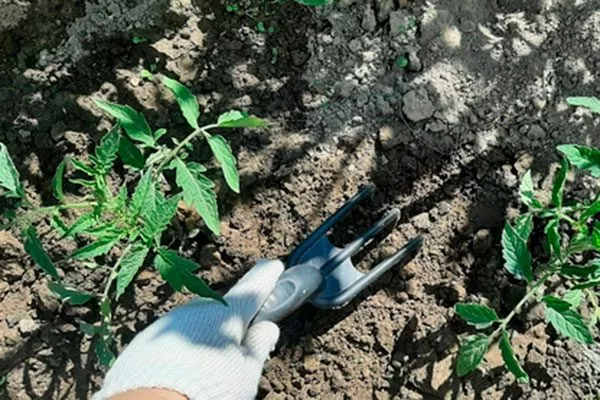
Weeds are also removed throughout the summer. The soil is loosened to a depth of 5-6 cm, being careful not to damage the plant roots.
Garter and shaping
Skvorets tomato bushes need to be tied up, otherwise the weight of the fruit will weigh them down. The bushes are tied to pre-installed individual supports. They are trained into single or double stems. This method ensures maximum yield.
When growing the Skvorets tomato in a greenhouse, it's recommended to leave a side shoot under the first flower cluster; this is used to form the second stem. The remaining side shoots are removed, leaving a stump about 5 cm long. To improve ventilation and increase yield, it's recommended to remove the lower leaves from the bushes.
Diseases and pests
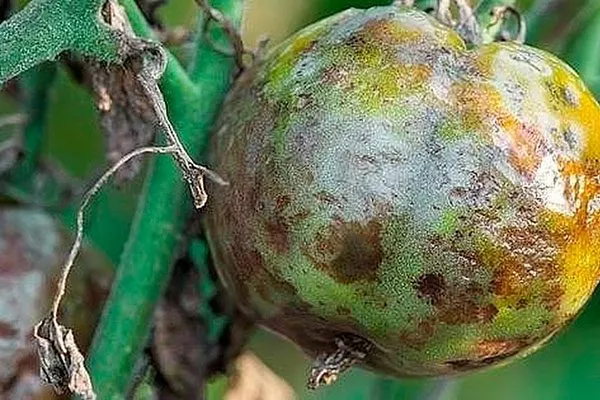
Under unfavorable growing conditions and poor agricultural practices, the Skvorets tomato can become infected with late blight. To prevent this, spray with Previkur Energy, Provizor, or similar products. Biological preparations such as Fitosporin-M can also be used.
Harvesting
The Skvorets tomato harvest begins in mid- to late July, depending on the local climate and growing conditions. This hybrid produces fruit over a long period, with harvesting lasting approximately a month on average.
Reviews
The Skvorets tomato is a truly promising hybrid, deserving of the utmost attention from gardeners. This hybrid beefsteak tomato is sure to appeal to lovers of large, pink, productive, and easy-to-grow tomatoes.