
Skazka is an early-ripening tomato variety. This variety is beloved by gardeners for its good productivity, tolerance to temperature fluctuations, and uniform ripening, allowing for cluster harvesting. The compact bushes grow no more than half a meter tall and require little care. The round, medium-sized fruits are ideal for canning.
Description of the bush
Ukrainian breeders worked to create a unique variety, which was introduced in 2011. Since then, it has gained popularity among gardeners not only in Russia but also abroad, spreading from northern to southern regions.
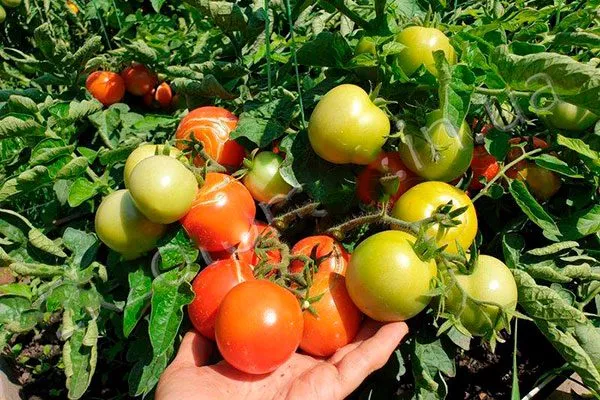
Distinguishing features:
- plant - low-growing with a determinate growth type, reaching a height of up to 50 cm;
- leaves - dark green, large;
- stem – erect, covered with light pile.

Characterized by good branching, a compact root system, and simple inflorescences, the first fruit cluster appears above the 6th or 7th leaf and contains 4 to 6 fruits.
Fruits and their taste qualities
The weight of tomatoes usually does not exceed 90-100 g. Other features:
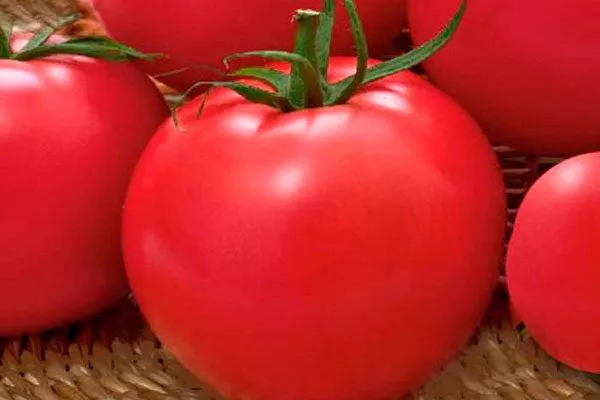
- The vegetable has a rounded shape, sometimes slightly flattened, and a perfectly smooth surface.
- When ripe, the tomato acquires a bright red color; when unripe, it is light green.
- The skin is dense and glossy, which gives the fruit an attractive commercial appearance.
- All tomatoes grow the same in shape and size.
Main characteristics
Skazka is a variety that tolerates temperature fluctuations. It's ideal for both greenhouses and open ground. To ensure a good harvest, it's important to consider the crop's characteristics and select the right planting conditions.
Taste and application
Many gardeners and experts praise the tomatoes' excellent taste—a combination of classic tomato notes with a slightly sweet aftertaste and a spicy aroma. When cut, the flesh is bright red, without any light veins. It is dense, meaty, with minimal seeds and excellent juiciness.
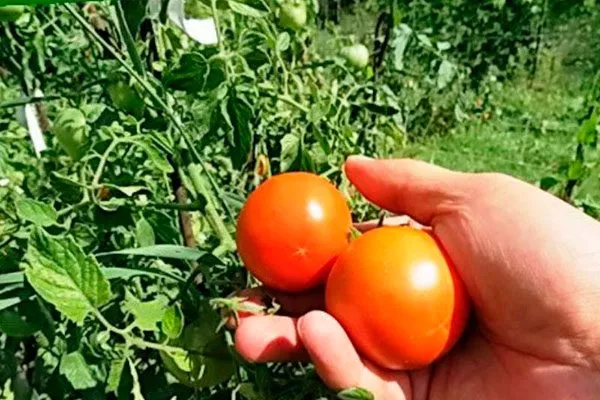
The small size of the fruits makes them ideal for whole-fruit canning. They are excellent for pickling, marinating, adding to vegetable platters, and various winter preserves. They are eaten fresh and used in salads, but their best flavor is revealed during processing.
Productivity, ripening time
This variety is ultra-early, making it especially prized by gardeners and agronomists. Distinguishing characteristics:
- From the emergence of seedlings to the full ripeness of the fruits it takes only 85-95 days, that is, about 3 months.
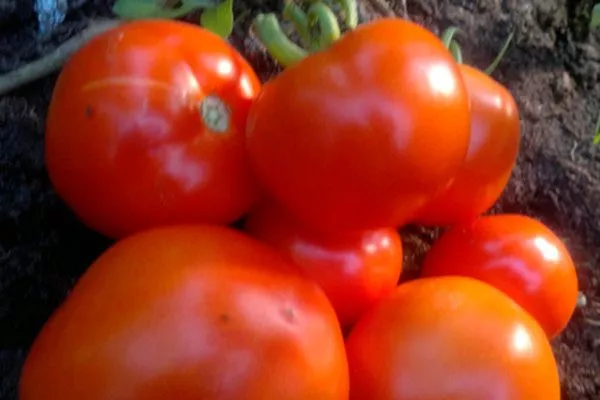
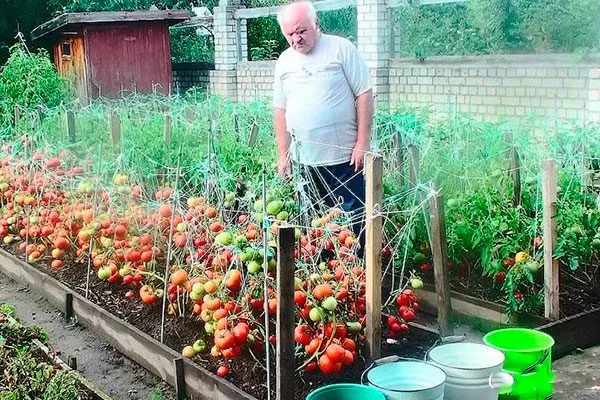
- The first tomatoes are ready for harvest as early as mid-June. Ripening occurs simultaneously, so the vegetables can be harvested whole bunches. Active fruiting continues for about a month.
- The variety's yield is impressive. When standard agricultural practices are followed, 8-10 kg of ripe tomatoes can be harvested per square meter.
Climate requirements and growing regions
This is a stress-resistant plant. It can bear fruit in partial shade, withstand lack of moisture, sudden temperature changes, and even short-term frosts.
Thanks to these traits, the variety is successfully cultivated in various regions, including central and southern Russia, Siberia, the Urals, and the Far East. In the south of the country, the tomato is grown in open ground, while in areas with harsher climates, it is grown in greenhouses or under temporary shelters.
Landing
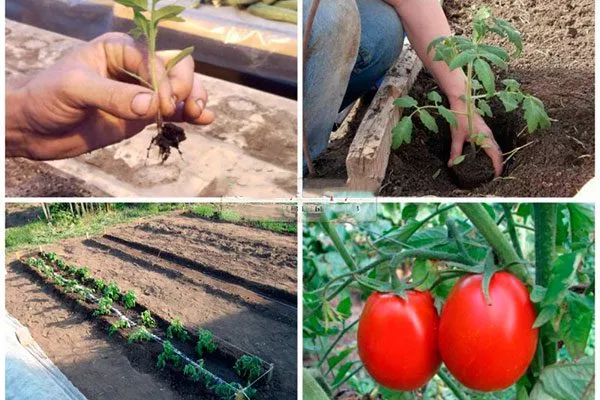
The crop is grown using seedlings. Follow these recommendations:
- Before sowing, disinfect the seeds in a weak solution of potassium permanganate, then treat them with a growth stimulant, such as Zircon.
- Sow the seeds in a light, fertile soil. Prepare a soil mixture of soil, humus, and sand, adding 500 g of wood ash per 10 kg.
- ✓ The optimal soil temperature for planting seedlings should be at least +15°C.
- ✓ The distance between bushes when planting should be at least 40 cm to ensure sufficient air space.
If you're carrying out the event in winter, provide additional illumination for the seedlings with phytolamps or fluorescent lights. To ensure strong seedlings, maintain the following temperature regime:
- under the film during germination – +23-25°C;
- after emergence – +20-22°C;
- night indicators – +14-15°C;
- daytime conditions – +19-20°C.
When the seedlings reach 25-30 cm in height, you can begin transplanting them to open ground or a greenhouse. The key is to prevent them from becoming overgrown, which will reduce yield. Plant the seedlings in pits at a rate of 3-5 per square meter. After planting, be sure to water them with warm water.
Further cultivation
To improve productivity, implement important maintenance procedures. Key agricultural practices:
- Watering. Water the bushes 1-2 times a week with warm, settled water, avoiding getting moisture on the leaves.
- Fertilizers. Apply nutrients 3-4 times per season – first nitrogen, then phosphorus-potassium solutions. You can use ash, mullein infusion, or complex mineral fertilizers.
- Mulching. Cover the soil with straw, peat or humus to retain moisture and reduce weed growth.
- Weeding and loosening. Loosen the soil after each watering and remove weeds to ensure the roots receive more oxygen.
- Formation and pinching out stepsons. Plants do not require mandatory structuring, but removing lower lateral and thickening shoots is an important step.
The crop has good immunity, but under unfavorable conditions it can be affected by diseases and pests. Follow proper agricultural practices and take timely measures:
- Late blight. It manifests itself as dark spots on leaves and fruits. For prevention, spray with Bordeaux mixture, Fitosporin, or HOM.
- Gray and white rot. They attack stems and foliage, forming a coating. Remove infected parts and treat with a copper sulfate solution.
- Mosaic. It causes light green patterns on the leaves and slows growth. Destroy affected plants and irrigate the soil with a potassium permanganate mixture.
- Aphids and whiteflies. They suck the sap from the leaves, weakening the bushes. Spray with garlic or ash infusion, or use insecticides (Aktara, Fitoverm).
- Spider mite. It leaves a fine web and dries out the leaves. A soap solution or Akarin is effective for controlling the pest.
- Colorado beetle. It eats leaves and stems, slowing growth. Pick by hand or use products like Corado.
To protect your tomatoes, inspect the plants regularly, ventilate the greenhouse, practice crop rotation, and avoid overcrowding. At the first sign of damage, begin treatment immediately to preserve the harvest.
Pros and cons
Skazka is characterized by high resistance and rapid adaptation to various conditions. With proper care, the crop is virtually immune to diseases and pests.
The variety has minimal disadvantages, but in regions with cool climates, additional fertilization of plants is recommended to improve growth and fruiting.
Reviews
Skazka is a variety prized for its low maintenance, uniform ripening, and excellent flavor. These tomatoes are versatile, suitable for salads, preserves, and processing. The compact bushes are easy to grow even in small plots, and their resistance to extreme weather conditions makes them an excellent choice for most regions.