
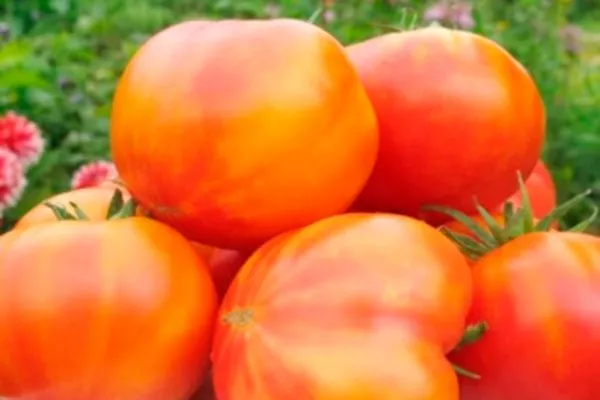
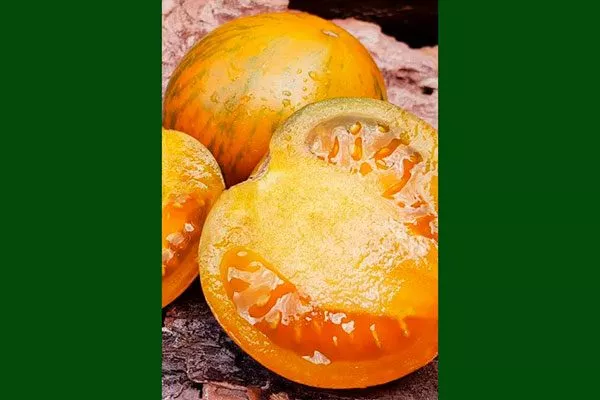
The Siyanie tomato is a versatile variety with high yields and excellent flavor. The tomatoes are large, firm, and a rich orange color, with juicy and slightly sweet flesh. The bushes are compact and resistant to adverse conditions and diseases. They are successfully grown in greenhouses and open beds.
Description of the bush and fruits
This variety was bred by Lyubov Myazina. It belongs to the determinate type with limited growth. Features and distinguishing characteristics:
- plant - has a compact crown and can reach a height of 50 to 130 cm;
- leaves - small, green, with a glossy surface;
- flowers – white or slightly yellowish, about 2 cm in diameter, located on short peduncles in the axils of the leaves;
- tomatoes - when fully ripe they acquire a bright orange color;
- weight - one tomato weighs on average 250 g;
- form - rounded, slightly flattened on the sides.
Main characteristics
One of the advantages of this variety is its rapid ripening: in a greenhouse, the fruits ripen in 80-85 days after germination, and in 95-100 days when grown outdoors. The yield is 5-6 kg per bush.
The crop is resistant to the main diseases of nightshades:
- late blight;
- Cladosporiosis;
- blossom-end rot.
Sowing and growing
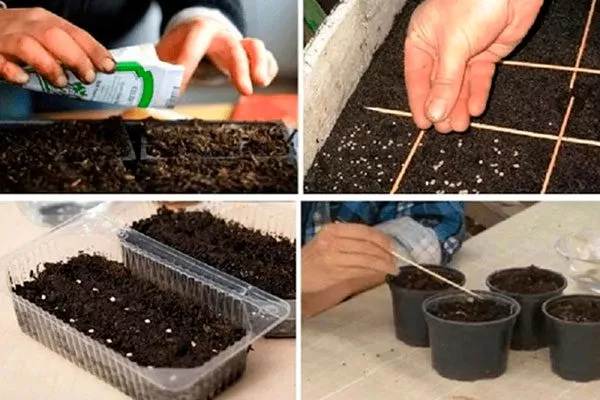
Sow the Siyanie tomato seedlings 50-60 days before planting. Prepare the seeds first: soak them for 12-24 hours in a growth stimulant or a weak solution of potassium permanganate to disinfect, then rinse with clean water.
Key recommendations:
- The soil for seedlings should be light and fertile. Place the seeds in moist soil at a depth of 1-1.5 cm, keeping a distance of 2-3 cm between them.
- Cover the containers with plastic or glass to create a greenhouse effect and place them in a warm location (22…25°C). Once the seedlings emerge, remove the cover and reduce the temperature to 18…20°C.
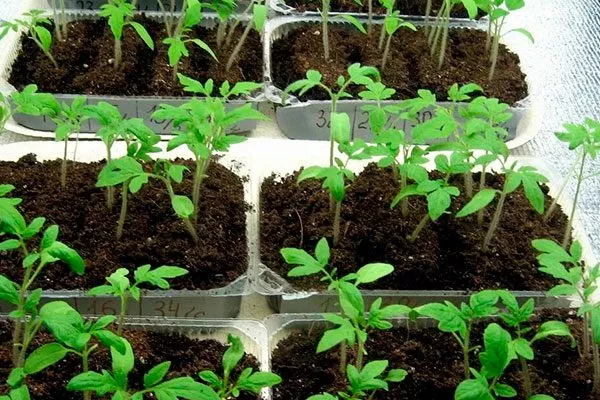
- When 2-3 true leaves appear, transplant the seedlings into separate pots.
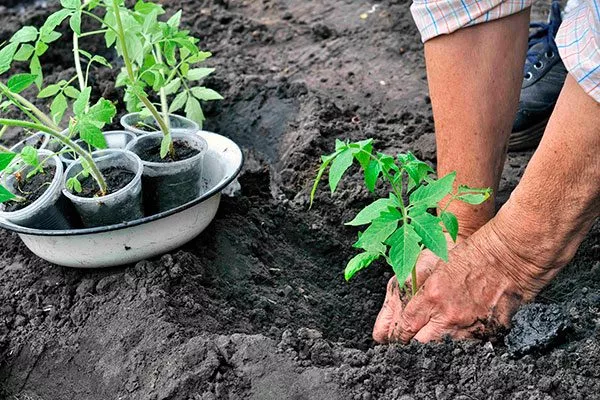
- Transplant the seedlings into the garden beds or greenhouse when the soil warms to 15°C and the danger of frost has passed. By this point, the plants should be 20-30 cm tall and have 6-8 true leaves.
- Before planting, prepare the area: dig up the soil, add humus or compost, and add mineral fertilizers.
- Leave a gap between the bushes of 50x50 cm or 40x60 cm so that they have enough space to grow.
- Plant the seedlings deep down to the lower leaves to form additional roots.
- After planting, water with warm water and shade.
Care
To obtain a stable harvest, follow basic agricultural practices:
- Watering. Excessive moisture can trigger late blight and other fungal diseases, so water the plants only after the top layer of soil has dried out, directing the water to the roots to avoid burning the leaves.
- Loosening and mulching. After each watering, loosen the soil and remove weeds. To retain moisture and prevent weed growth, use mulch – a 5-10 cm thick layer of straw, sawdust, grass, or compost.
- Structuring the bush. To increase yield, remove side shoots before the first fruit cluster. As the vegetables mature, tie the stems and branches to supports to prevent them from bending under the weight.
- Top dressing. For active growth and abundant fruiting, apply fertilizer several times per season:
- 2 weeks after landing – organic substances (a solution of mullein or chicken manure in a ratio of 1:10) or ammonium nitrate (15-20 g per 10 l of water);
- 14-20 days after the first feeding – mineral compositions, for example, superphosphate (30 g per 10 l of liquid) and potassium salt (10-15 g per 10 l of water).
- during the fruiting period – complex fertilizers containing nitrogen, phosphorus and potassium (for example, nitroammophoska).
Pests, diseases
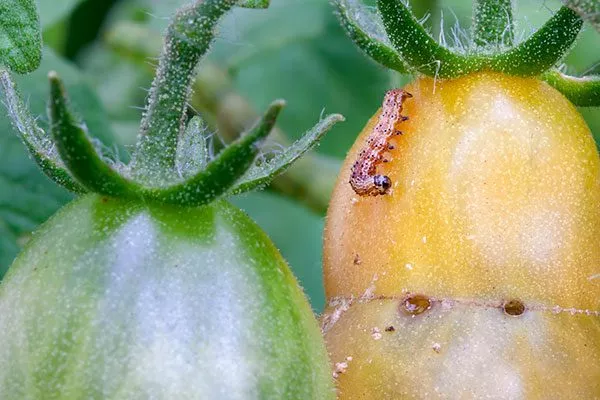
The culture is characterized by strong immunity, but with improper care or unfavorable conditions it can be subject to various difficulties:
| Disease/Pest | Signs | Methods of control |
| Late blight | Dark brown spots all over the bush, including tomatoes, whitish coating on the underside of the leaf. | Spraying with fungicides (Fitosporin, Ridomil Gold), ventilation of the greenhouse. |
| Gray mold | Watery brown marks on all areas, grey fluffy coating. | Treatment with Fundazol, reduction of humidity, improvement of ventilation. |
| Mosaic | Light green and yellow marks on the leaves, their deformation, slow growth of the bush. | Disinfection of instruments, use of Fitosporin-M. |
| Whitefly | Sticky secretions on the green mass, yellowing, and curling. When shaking the plant, small white insects fly into the air. | Use of insecticides (Aktara, Confidor), installation of sticky traps, planting marigolds next to tomatoes. |
| Colorado beetle | Larvae and beetles on the leaves, eaten edges, rapid damage to the entire bush. | Manual collection of pests, spraying with Corado and Aktarofit, planting calendula or garlic nearby. |
| Spider mite | Fine webbing on the underside of leaves, marbled coloration, yellowing and drying out. | Treatment with acaricides (Fitoverm, Akarin) or soap solution, regular air humidification. |
| Thrips | Silvery stripes and dots on foliage, yellowing, bud drop. | Insecticides (Karate Zeon, Iskra), garlic infusion, and removal of affected parts will help. |
| Blackleg | The stem at the base darkens, becomes thinner, the plant falls over and rots. | Use Fitosporin, moderate watering, disinfect the soil before planting. |
Reviews
Radiance is an excellent choice for those who value consistent productivity, low maintenance, and rich flavor. Thanks to its high resistance to disease and weather stress, this variety is suitable for both beginner and experienced gardeners. The fruits store well, retain their juiciness and flavor, and resist cracking.