
Blue Pear is a unique tomato that attracts attention not only with its distinctive color but also with its excellent characteristics. Its excellent flavor and versatility make it ideal for both amateur and experienced gardeners. The tall bushes require staking, but the generous yield is well worth the effort.
Breeding history, climate and growing regions
The variety was developed in 2015 by Ukrainian breeder Ruslan Dukhov. From an early age, he began collecting rare seeds from around the world, and today his family business, Dukhov Seeds, successfully sells high-quality planting material for a variety of crops.
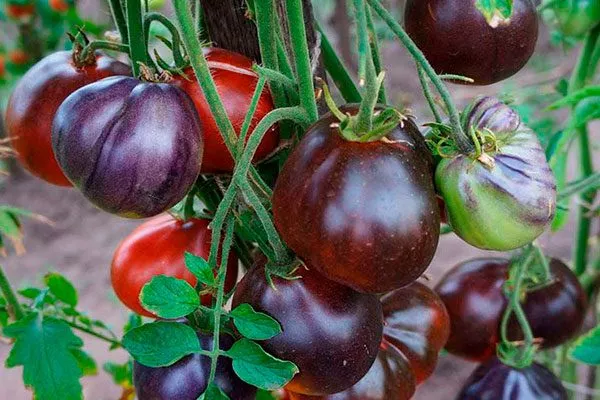
The Blue Pear is a cross between the Black Pear and Blave P-20 (USA) subspecies. This beautiful, tasty, and easy-to-grow variety quickly gained popularity in Ukraine, Europe, and Russia.
This variety is successfully grown in various regions of our country. Due to its low maintenance and ability to produce fruit even in hot conditions, it is suitable for cultivation in the Central, Central Black Earth, East Siberian, and Volga-Vyatka regions.
Description of the bush and fruits
The bushes are tall, reaching up to 2 m in height, and have sparse foliage. The variety has the following distinctive features:
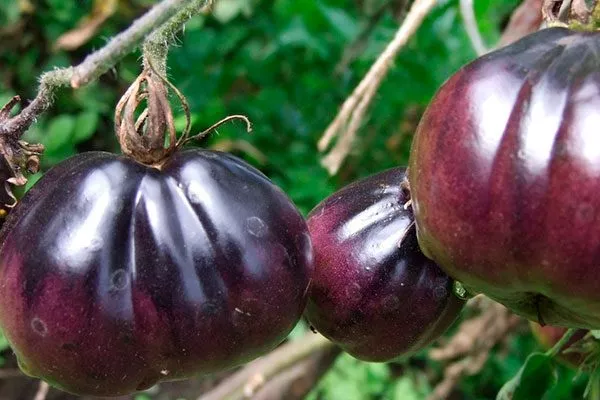
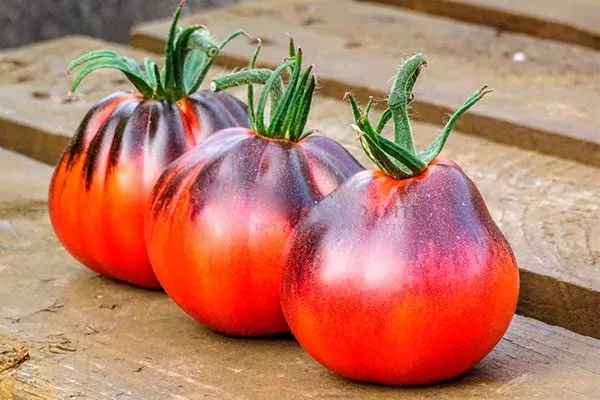
- Pear-shaped tomatoes with slight ribbing.
- The vegetables' hue is due to their anthocyanin content, a pigment found in blueberries, eggplant, and red cabbage. This component strengthens blood vessels and has antioxidant and antibacterial properties.
- The tomatoes have an unusual color: from light green with a dark “crown” to red-brown with a bluish spot near the stem.
- The fruits reach 10 cm in diameter, and their weight varies from 120 to 200 g, with an average of 150 g.
- The skin is soft and elastic, not prone to cracking.
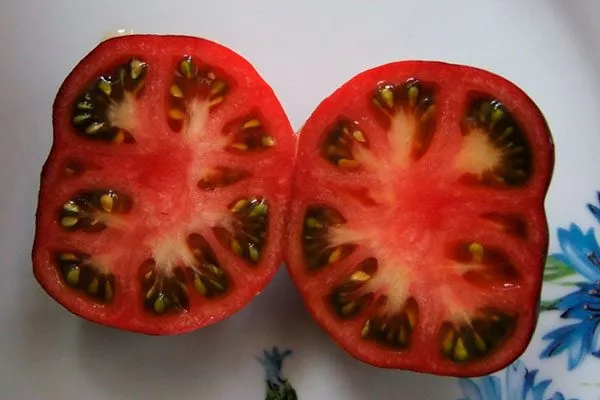
- The pulp is fleshy, juicy, with a rich red-cherry hue and a small number of seeds.
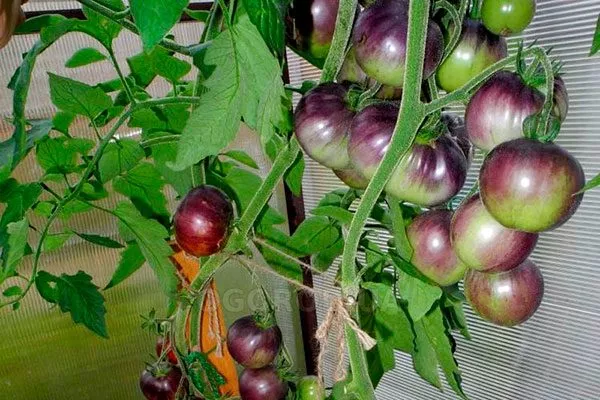
The Blue Pear's delicacy consistently garners high praise from consumers. It boasts a harmonious blend of sweetness and subtle tartness, complemented by a spicy aftertaste, making it particularly appealing for fresh consumption and in gourmet dishes.
What are anthocyanins and what are their benefits?
The Blue Pear tomato has a distinctive deep purple hue, thanks to the high anthocyanin content in its skin. Regular consumption of the fruit helps reduce the risk of cardiovascular disease, maintain healthy skin, and improve vision.
Benefits of anthocyanins:
- They have antioxidant properties, the ability to protect cells from damage by free radicals and strengthen the immune system.
- The compounds have a positive effect on cardiovascular health, help reduce inflammation in the body, and slow down the aging process.
Vegetables are especially valuable for people who lead an active lifestyle or live in poor environmental conditions, as anthocyanins help eliminate toxins and boost the body's defenses.
Main characteristics
The Blue Pear variety is not used in the food industry and is not grown commercially on farmland. It is not available for sale on the seed market. Planting material is available only from the original cultivar or from collectors interested in exotic varieties.
What is the yield of the Blue Pear tomato and what influences it?
This is a tall variety. Six or more fruit clusters form on a single stem, ensuring good productivity. On average, 1 square meter yields approximately 20 kg, and in greenhouses, this figure increases by 3-5 kg.
For stable fruiting in greenhouses it is important:
- observe the watering regime;
- apply fertilizer regularly.
In open beds, yield depends on adequate light and the absence of stagnant water in the soil. To improve yields, remove:
- brushes from which the harvest has already been collected;
- old leaves.
Ripening time and fruiting characteristics
This mid-season variety can be harvested approximately 110 days after sowing seedlings. Ripe tomatoes appear on the vines as early as early July, with peak fruiting occurring in the second half of the month.
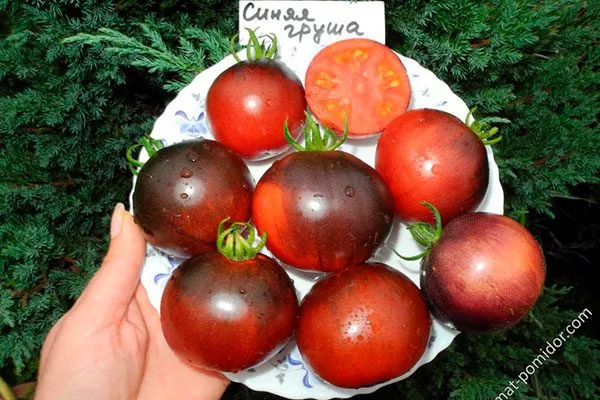
Vegetables ripened directly on the vine have the most intense flavor. The ripening season continues until early October, allowing you to enjoy tomatoes for a long time.
Resistance to diseases and pests
The cultivar is highly resistant to infections. With proper care and preventative treatments in a greenhouse, the plant is virtually disease-free.
However, in open ground, diseases such as tobacco mosaic and late blight are possible. It is crucial to implement timely protective measures and follow agricultural recommendations.
Application of fruits
Tomatoes of this variety are versatile. They are added to fresh salads, incorporated into vegetable platters, and processed into juice, puree, or ketchup.
Thanks to their compact size, the fruits are ideal for whole canning. They withstand heat treatment well, maintaining their shape and integrity.
Planting and care features
Blue Pear tomatoes are grown from seedlings. Seeds collected from these plants remain viable for up to three years, and the variety is not susceptible to degeneration. Before sowing, treat the seeds with an antifungal agent or a potassium permanganate solution for 2-3 hours.
Growing seedlings:
- Sowing occurs in April.
- Fill the containers with fertile calcined substrate.
- Place the seeds in furrows 1.5 cm deep at a distance of 1 cm from each other, cover with soil and moisten.
- Cover the containers with film, which you remove after the seedlings appear.
- When the plants have formed three leaves, transplant them into separate cups.
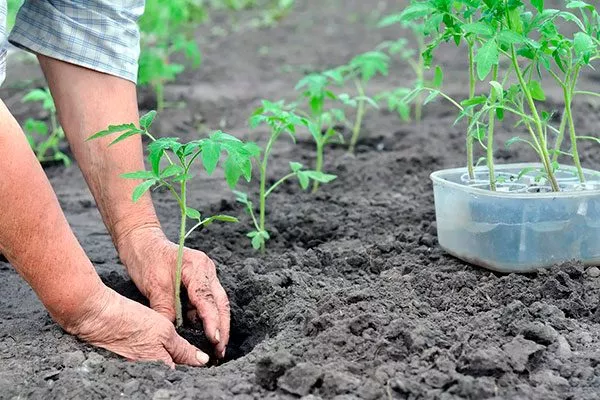
- Plant seedlings when the soil warms up to +17°C, usually in May, and in a greenhouse – at the end of April.
- Dig up the soil, add compost and complex mineral fertilizers.
- Plant seedlings in holes or furrows at a distance of 40 cm from each other.
- Place the seedlings at an angle, cover the stems with soil up to the level of the lower leaves, and water generously.
- When buds appear, hill up the bushes, shape and mulch the soil.
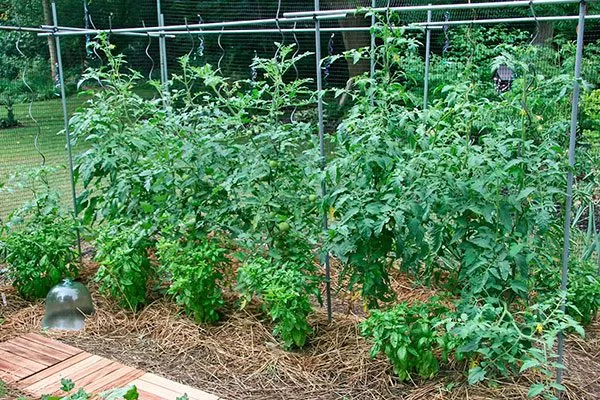
Provide the crop with comprehensive care. Follow standard agricultural practices:
- Remove weeds in the early stages of growth.
- If you don't use mulch, loosen the soil regularly.
- From budding until the end of fruiting, apply fertilizer every 20 days, alternating superphosphate, potassium, and phosphorus fertilizers. Apply liquid organic matter weekly.
- Water the bushes at the roots every evening, with 7 liters. Do not overwater the plants to avoid root rot.
- Regularly tie up the stems and remove side shoots, lower leaves and empty brushes.
By following these recommendations, you can achieve high yields and stable fruiting of Blue Pear tomatoes.
Methods of pest and disease control
To protect against fungal infections, treat plants with copper sulfate after hilling. Follow these guidelines:
- During the fruit set period, spray tomatoes with Bordeaux mixture. Continue spraying until the fruit reaches the milky stage.
- Adjust your watering schedule at the first signs of disease. Use Fitosporin to prevent late blight, and Novosil is effective against tobacco mosaic virus. Cut off heavily affected areas and remove them from the garden bed.
- If spider mites appear, use the insecticide Actellic. If you spot aphids, remove the damaged leaves containing the insects and treat the entire plant with Actara.
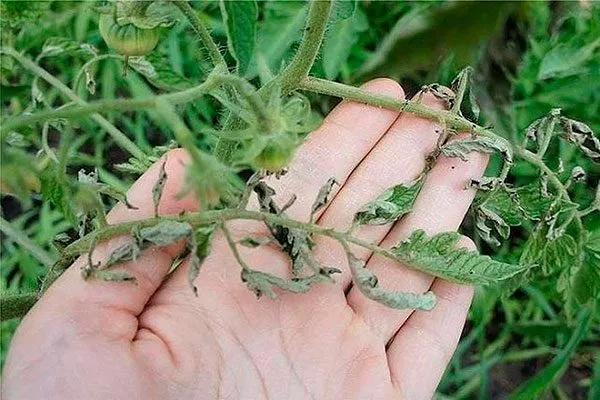
These measures will help maintain plant health and ensure a good harvest.
Pros and cons
This variety is in many ways similar to popular indeterminate tomatoes with a simple fruit cluster structure. Its advantages include:
This variety has one drawback: tomatoes can crack if overwatered, so it is important to control watering.
Reviews
Blue Pear is a unique variety with many advantages. It adapts well to a variety of growing conditions and easily tolerates temperature fluctuations. These delicious tomatoes are ideal for preparing various dishes and winter preserves. With proper care, they can increase productivity and strengthen the plant's immunity.