
The Siesta F1 tomato is a Russian-bred hybrid whose fruits have excellent flavor and are ideal for whole-fruit canning. These beautiful, vibrant tomatoes look stunning in jars, and their sweet fruit is delicious in any form—fresh or processed.
Who and when developed the Siesta tomato?
The hybrid variety Siesta was developed by specialists at Agrofirma Partner. The variety was released in 2023.
Description of the bush
Siesta tomato plants grow compactly and sparsely foliated, reaching a height of 0.7-0.8 cm. The first inflorescence appears above the sixth or seventh leaf, with subsequent inflorescences appearing one or two leaves apart. Each cluster produces approximately 10-15 fruits.
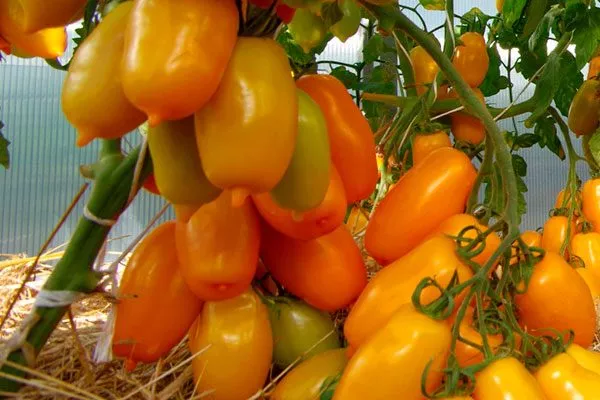
Description of fruits
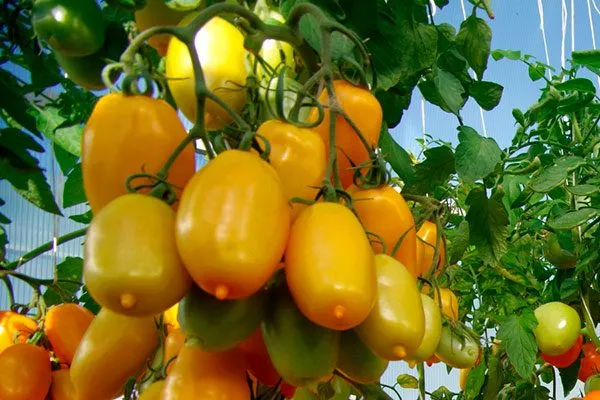
The Siesta tomato produces small fruits, resembling cream in appearance. The clusters in which they are collected resemble large grapes. The bushes are literally covered with tomatoes at various stages of ripeness.
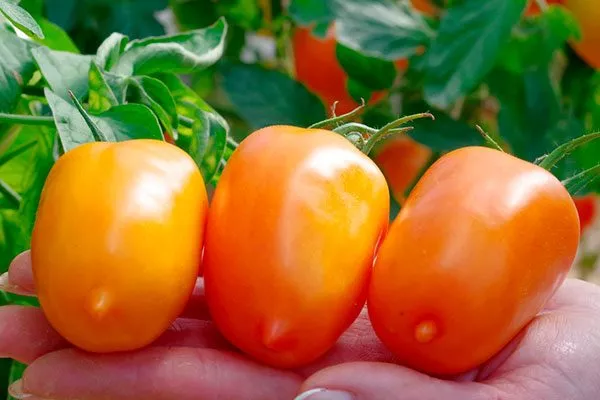
Brief description of fruits:
- Color of unripe fruit: light green.
- Colour of ripe fruit: bright orange.
- Shape: cylindrical with a spout.
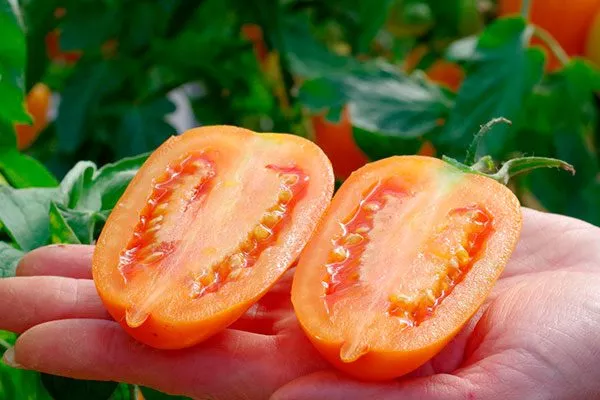
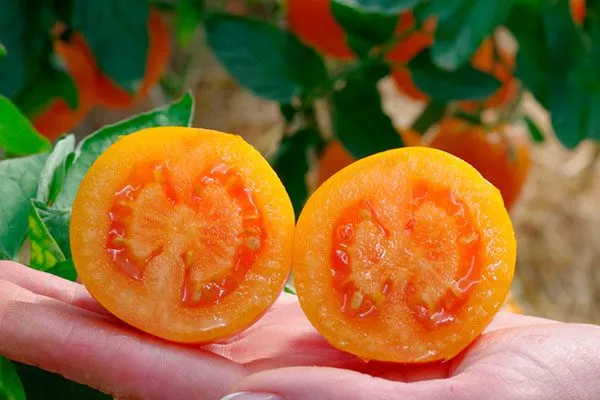
- Pulp: dense, fleshy.
- Skin: dense, glossy.
- Weight: 60-70 g.
The taste of fruits and their purpose
Siesta tomatoes have excellent flavor. A distinctive feature of these tomatoes is their sweet aftertaste.
Characteristics
The Siesta F1 tomato is an early-ripening variety. It takes 95-100 days from germination to ripening of the first fruits. This variety is highly productive, yielding 15 kg per square meter in open ground and 20 kg in closed ground.
It is resistant to major diseases and has the standard crop resistance to cold, drought, and heat.
Pros and cons of the Siesta tomato
Before planting a tomato in your garden, it's helpful to familiarize yourself with all its advantages and disadvantages. This will help you determine how suitable the variety is for your intended purposes.
No particular disadvantages have been found in the Siesta variety.
Landing
Siesta tomatoes, like most varieties, are grown using seedlings. It's important to obtain healthy and strong seedlings, otherwise a good harvest will be impossible.
Preparing containers
Prepare containers for planting. They shouldn't be too tall; if they don't have drainage holes in the bottom, they should be drilled. Large plastic containers, basins, buckets, or any suitable container can be used for sowing seedlings.
The most convenient option is to sow tomatoes in peat pots. These containers are placed into the planting holes along with the seedlings, which helps prevent stress. Peat pots have one drawback: they are more expensive than standard containers.
Soil mixture
Planting containers can be filled with commercially available seedling growing medium. If you need a large amount of soil, you can prepare it yourself.
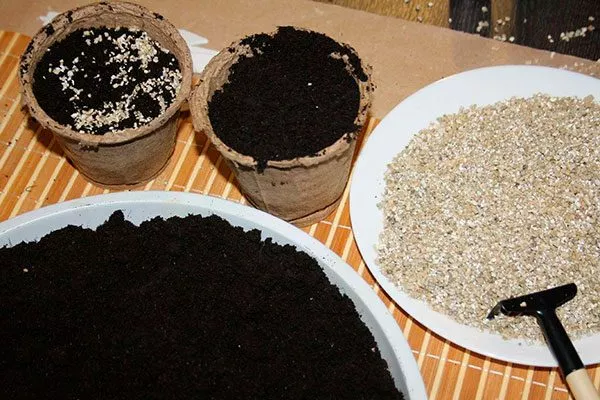
There are many recipes for preparing soil mixture, here is one of them:
- Mix equal parts peat, sand, and humus (or compost). Add wood ash and shavings (1 liter of each for every 30 liters of mixture).
- The resulting mixture is poured with boiling water and left for a day to cool and settle.
Seeds
If the seeds are purchased from a reputable producer, they don't require any special preparation. Considering that hybrids aren't propagated by home-grown methods, all you have to do is find high-quality seeds and germinate them according to standard technology.
The seeds should be soaked in warm water (wrapped in a cloth, napkin, etc.) and kept in a room with a temperature of +20…+25 °C. As soon as the seeds sprout, they are immediately planted in prepared containers.
Growing seedlings
Sowing for seedlings occurs 55-60 days before the expected transplanting into the ground or under plastic. On average, tomatoes are sown for seedlings in March. The exact timing depends on the regional climate and the type of soil (open or closed).
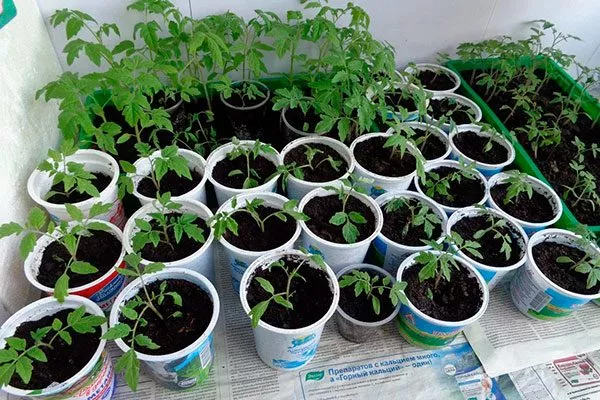
Features of growing seedlings:
- The soil in the planting containers is watered with warm water, then shallow furrows are made at intervals of 3-4 cm. The depth of the furrows is 1 cm.
- If sowing in individual cups, place 2-3 seeds 3 cm apart and lightly press them into the soil. When seedlings emerge, leave the strongest sprout and discard the others.
- The seeds are covered with a thin layer of soil, no more than 1 cm, and covered with a transparent material such as glass or plastic film. The seeds are placed in a warm room with diffused light. Seedlings usually appear in 4-5 days. Until the tomatoes sprout, the cover is removed regularly to allow air to air the seeds.
When seedlings emerge, the covering material is immediately removed. The seedling containers are moved closer to the light. At the same time, the room temperature is reduced to prevent the seedlings from becoming too tall. Otherwise, the plants will be spindly and weak.
How to care for seedlings:
- The watering schedule is influenced by the stage of seedling development. Initially, before transplanting, water them very sparingly to prevent the development of fungal diseases. After transplanting, watering frequency increases to 2-3 times a week. A week before transplanting, water daily, ensuring the soil does not dry out.
- Once the seedlings have developed two true leaves, they are pricked out and transplanted into larger individual containers. When transplanting, pinch off the central root by about a third of its length.
- Seedlings are also fertilized only after transplanting. Special complex formulations are used for this purpose, such as "Agricola," "Kristalon Tomato," and others.
- Shortly before planting, seedlings begin hardening off by taking them outside every day. The time spent outdoors is gradually increased to several hours.
Site selection and soil preparation
The Siesta tomato will thrive in a sunny location, free from shade and drafts, and protected from gusty northerly winds. The soil should be loose and nutritious, with a pH of 6.2-6.8. Tomatoes should avoid lowlands and waterlogged soils.
The plot is dug in the fall, after spreading organic fertilizers such as compost and humus, as well as mineral fertilizers such as ammonium phosphate or nitroammophoska. In the spring, the beds are loosened to a depth of about 10 cm, and a loosening agent such as rotted sawdust, sand, or peat is added. The soil is watered with Fitosporin for disinfection.
Transplanting
Planting times depend on the region's climate and weather conditions, especially when growing tomatoes outdoors.
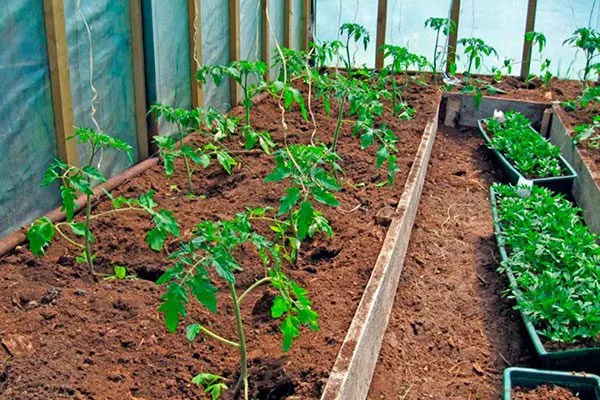
In most regions of Russia, seedlings are planted in the ground around late May or early June. It's important for the air and soil to warm up and for the threat of recurrent frosts to pass.
Features of planting seedlings:
- Water the seedlings generously the day before transplanting. By the time of planting, the seedlings should have 8-10 true leaves.
- Water the seedlings thoroughly two hours before planting. Water can be poured directly into the holes, which should be approximately 15 cm deep. Also, add a handful of humus and wood ash if the soil is poor, and add a small amount of superphosphate—about 20 g.
- The optimal planting pattern is 50 x 50 cm. Plant them in rows or in a staggered pattern. Three or four tomato plants are planted per square meter.
- The seedlings are carefully moved into the holes, along with a lump of soil or a peat container. The empty space is filled with soil, compacting it lightly. The lower pair of leaves should be flush with the soil surface after planting.
- Planted tomatoes are watered with warm, settled water. The soil in the beds can be mulched with straw, freshly cut grass, peat, humus, etc.
Care Features
The Siesta F1 tomato is easy to care for. Growing it requires no special experience, and even inexperienced gardeners can easily reap a bountiful harvest.
Watering and loosening
The Siesta F1 tomato requires moderate watering. On average, the plants are watered 1-2 times a week, depending on the weather. In hot weather, tomatoes require more frequent watering. They especially need moisture during flowering and fruiting. It's important to avoid allowing the soil to dry out or become overwatered.
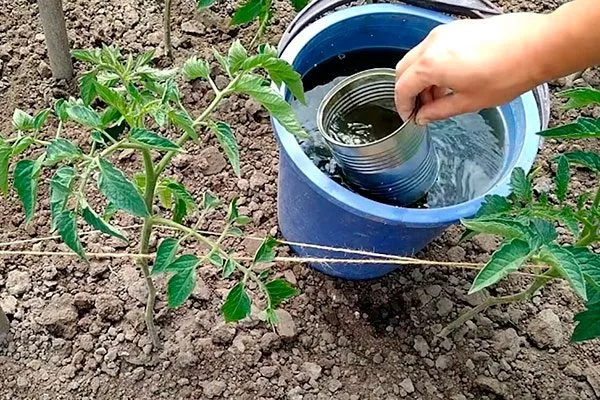
The soil around tomatoes is loosened after heavy rains and the day after watering. Loosening prevents the formation of a hard soil crust, which impedes proper air circulation. The depth of loosening varies depending on the stage of development: after planting, the soil is loosened deeply, to a depth of 10-15 cm, and after a month, to a depth of 4-5 cm.
Top dressing
It is recommended to feed the Siesta hybrid with complex fertilizers. These provide optimal nutrition for the plants and promote vigorous growth.
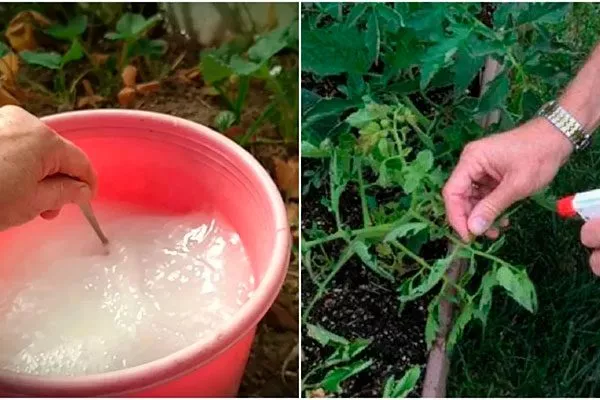
In open ground, three applications are sufficient: one two weeks after planting, with the next two applications spaced 10-14 days apart. First, apply nitrophoska, then potassium sulfate, and the third application is superphosphate and a wood ash solution.
In a greenhouse, tomatoes are fertilized with organic matter—humus and compost—and mineral fertilizers such as superphosphate, potassium sulfate, urea, ammonium nitrate, nitroammophoska, and calcium nitrate. Organomineral mixtures containing humus and mineral additives are also used.
Shaping and garter
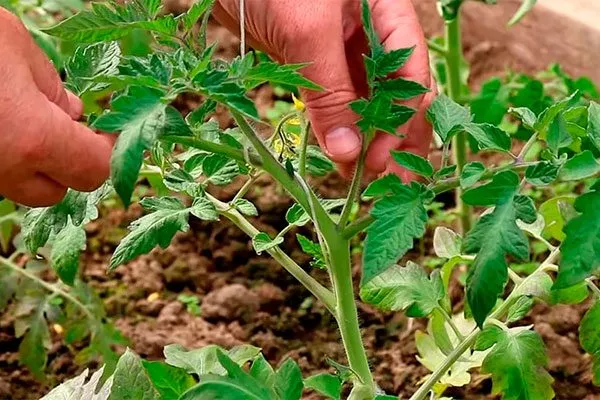
The Siesta tomato also requires pinching. This is done in 3 or 4 stems—this method ensures large, healthy fruits. Staking is not necessary for this hybrid.
Diseases and pests
The Siesta tomato has good immunity, but under unfavorable growing conditions, with improper care and gross violation of agricultural technology, the risk of damage increases.
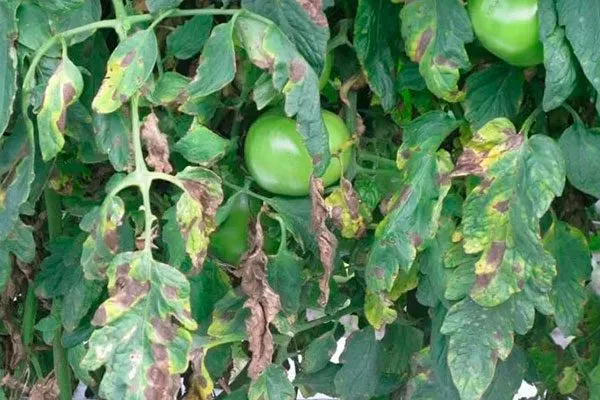
Bushes can be susceptible to late blight, brown spot, anthracnose, and other diseases of nightshade crops. To combat these infections, use Kuprozan, Skor, Hom, Ridomil Gold, Bordeaux mixture, etc.
The hybrid is not susceptible to pests, but attacks are possible if they become widespread. If whiteflies, spider mites, and cutworms appear, spray the bushes with Actofit, Metarizin, Verticillin, or similar products. To combat the Colorado potato beetle, the biological products Bitoxibacillin or Actarofit are recommended.
Harvesting
Harvesting occurs as the fruit ripens and can last from July to September. When the fruit turns a rich yellow, they are ideal for whole-fruit canning. Later, when they turn a bright orange, they are eaten fresh.
Fruits picked at technical ripeness are stored at +10 to +12°C, and biological ripeness at +1 to +2°C. Tomatoes can be stored in a basement or refrigerator. To prevent spoilage, it is recommended to wrap them in paper.
Reviews
The Siesta hybrid is an excellent choice for lovers of sweet tomatoes and whole-fruit preserves. If you're looking for a productive, easy-to-care-for tomato with versatile fruit, then the Siesta hybrid variety is for you.