
Varieties and hybrids from Siberia are always highly regarded among gardeners. One of the most popular is the Sibiryak variety, which boasts increased disease resistance and the ability to produce large, sweet fruits. Its development was aimed at ensuring a productive harvest in adverse weather conditions.
Description of the bush and fruits
This hybrid tomato has advantages over conventional varieties: it tolerates less favorable conditions (it can withstand both low and high temperatures), grows quickly, and promises a bountiful harvest. Sibiryak F1 is an indeterminate variety.
If the weather is not too favorable, the hybrid is moved to a greenhouse, while in the south of the country, the Sibiryak successfully produces fruit in an open field.
The characteristics of the Siberian fruit are as follows:
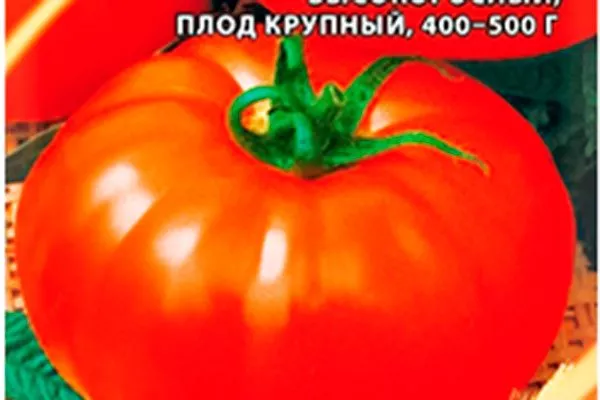
- the weight of one tomato varies from 300 to 400 g, but fruits weighing up to 550-600 g are also harvested;
- tomatoes have slight ribbing;
- the skin of the fruit is hard, shiny and does not burst;
- the pulp is rich in aroma and meaty in texture;
- There are few seeds and the taste is described as sour with sweetness.
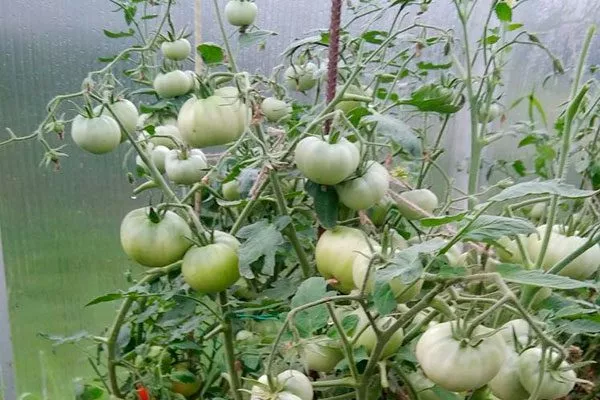
The Siberian tomato bush has the following characteristics:
- leaves with a deep green tint;
- the height of the main stem reaches 160-180 cm;
- fruits are formed every 3-4 leaves;
- about 8-11 racemose inflorescences appear on the bush;
- Up to 6 fruits are localized on them.
Main characteristics
Sibiryak is a tomato variety renowned for its generous yields, large fruits, and impeccable flavor. To achieve the best results, it's important to familiarize yourself with its characteristics and care guidelines.
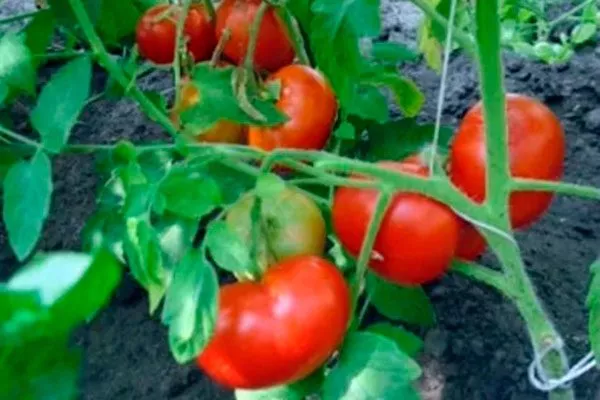
Sibiryak was created through the breeding efforts of S. F. Gavrish, V. V. Morev, E. V. Amcheslavskaya, and O. A. Volok. The hybrid is indeterminate, making it versatile.
Siberian cherries are ideal for both fresh consumption and canning. Their flavor perfectly complements salads, first and second courses, and also makes an excellent side dish for vegetable and meat dishes. Siberian cherries can also be used to prepare:
- delicious juices and sauces;
- aromatic ketchups and pastes;
- assorted assortments.
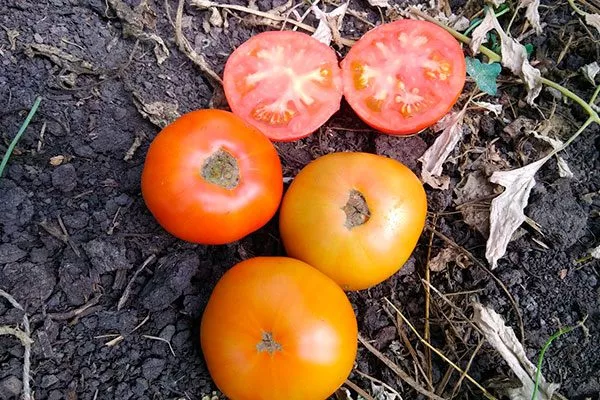
Sibiryak is a late-ripening hybrid tomato variety and begins bearing fruit three months after transplanting the seedlings to their permanent location. This variety produces a good yield—up to 4-5 kg per plant. However, to achieve these results, you'll need to monitor the plant and create suitable conditions for its growth and development.
How to grow seedlings?
Sowing seeds for seedlings usually begins in late March, approximately two months before the plants are scheduled to be transplanted into their permanent soil. You can purchase special soil for this purpose at a gardening store or prepare your own. It's crucial to create a drainage layer in the seedling containers using expanded clay, etc.
Seed preparation
Before sowing, the planting material undergoes a disinfection process. To do this, it is placed in a 1% potassium permanganate solution for 20-30 minutes, then thoroughly rinsed under running water and treated with a growth stimulant such as Heteroauxin, Epin, or Kornevin.
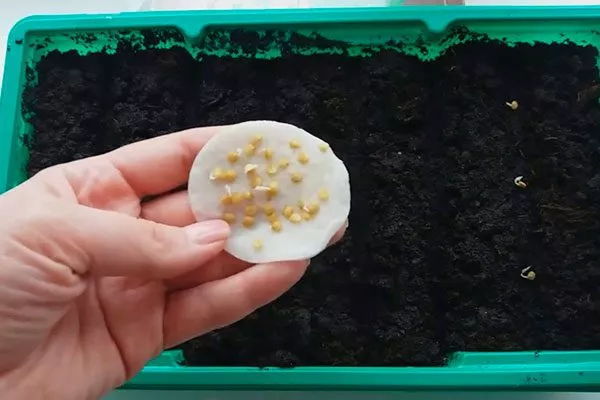
To speed up germination, place the seeds on a damp cotton cloth two days before sowing and cover with the same material. Store the container in a warm, dark place. Moisten the cloth periodically, but ensure the seeds are not completely submerged.
Container and soil
To ensure healthy and strong seedlings, they are grown in wooden boxes or special containers with cells. Some vegetable growers use cut-down juice or milk cartons, although most gardeners prefer store-bought peat pellets or cups.
It is important to use high-quality soil:
- You can buy ready-made soil mixture for seedlings;
- Prepare the substrate yourself by mixing garden soil, organic matter, sand and wood ash in a ratio of 2:1:1:1.
Before use, the soil must be disinfected by rinsing with boiling water or treating it with a 1% potassium permanganate solution. This will kill all pathogenic microorganisms and larvae that can cause disease in tomatoes.
Sowing, growing and care
The seeds are planted 2-3 cm apart, 8-10 mm deep. Several holes are made in the bottom of the containers to drain excess water. They are then covered with plastic wrap or transparent material and placed in a room with a temperature of 25°C for several days.
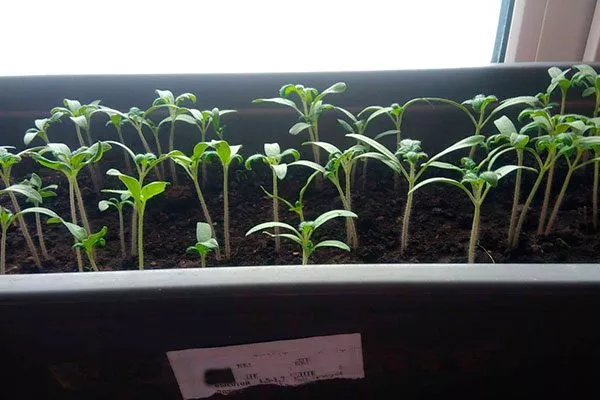
Care features:
- After the shoots appear, the seedlings are transferred to a bright place, for example, to a windowsill or a veranda, and if there is not enough light, artificial lighting is used, placing phytolamps evenly above the plants;
- During this period, water the plants with warm water without sudden temperature changes, avoiding excessive waterlogging or drying out the soil;
- when the seedlings have 2-3 true leaves, the young bushes are transplanted into separate containers;
- 7-10 days after transplanting, the plants are fertilized using specialized products, for example, Biohumus or Baikal EM1, following the manufacturer's recommendations indicated on the packaging;
- Two weeks before final planting in a permanent location, the seedlings are acclimatized - the tomatoes are taken outside or onto a balcony for a short time, gradually increasing the period of exposure to the fresh air.
Transfer
Plants are moved to their final location when weather conditions are favorable. To prepare for unexpected cold snaps, vegetable growers use protective covers made of polyester film or spunbond. Although the crop is resistant to many diseases, treat the area with a weak solution of potassium permanganate to prevent problems.
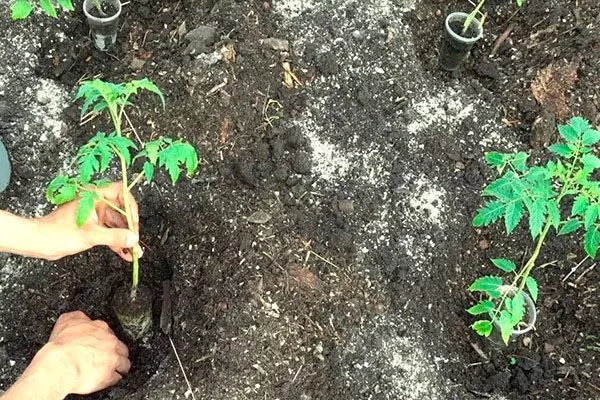
Peculiarities:
- When planting tomatoes, start by preparing the area in the fall – dig it up, fertilize it with compost or humus;
- plant the plants at intervals of 40-50 cm between each other, and leave a gap of 60-65 cm between rows;
- Place a small layer of ash and compost in the planting holes, then water generously and leave for several hours;
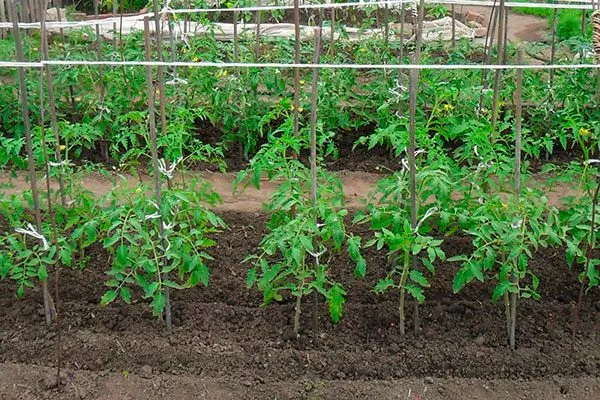
- After replanting, water again in the standard manner and install supporting structures.
Care
Tomatoes need to be watered once a week, but in high temperatures, the frequency can be increased to twice a week. Ideally, water in the morning or evening, focusing on the root system to prevent drips from settling on the leaves. Use room-temperature water, settled water, or rainwater.
It's important to pay attention to deep irrigation to stimulate root growth. The watering volume per plant should be approximately 10 to 15 liters per week. Avoid overwatering the soil to prevent root rot.
It is also necessary to carry out other care measures:
- After watering, loosen the soil around the tomatoes and clear away weeds that compete with the plants for nutrients.
- It is useful to cover the soil with a layer of hay or grass, which helps retain moisture and prevents weed growth.
- Two weeks after planting tomatoes, add fertilizer. You can use an infusion of mullein or fermented herbs.
The second feeding should be done after the ovaries have formed, adding mineral complexes containing potassium and phosphorus. All mixtures are applied to the soil after rain or watering, while it is still damp. - In greenhouses where this crop is grown, install a ventilation system or open doors/windows daily to ensure fresh air flow. This is necessary to reduce humidity, which helps prevent rot in plants.
- When shaping the bushes, leave only one stem. As the plants grow, they need to be tied to supports. Regularly removing side shoots and yellowing leaves is also important.
This variety is distinguished by its good cold tolerance, making it suitable for growing even in northern regions, but only under cover or in greenhouses. Growing the Sibiryak hybrid is not particularly different from growing other tomatoes.
The nuances of growing in open ground and in a greenhouse
Siberian tomatoes are highly adaptable to various soil types, but to achieve a full harvest, agronomists must adhere to a crop rotation strategy. Good predecessors for tomato cultivation include:
- beet;
- turnip;
- green onions;
- legumes;
- pumpkin;
- squash;
- zucchini;
- cucumber.
Avoid growing tomatoes in areas previously occupied by potatoes, tomatoes, and other nightshades for at least 3-4 years. Otherwise, the risk of soil contamination by various diseases and pests increases.
Thanks to its resistance to low temperatures and cold, this variety promotes rich harvests in open ground, and when grown in a greenhouse, the productivity of Sibiryak increases significantly.
Pest and disease control
The Siberian tomato is resistant to common nightshade diseases, such as cladosporiosis, tobacco mosaic, and fusarium wilt. However, it is not immune to pest attacks, particularly spider mites, Colorado potato beetles, and slugs.
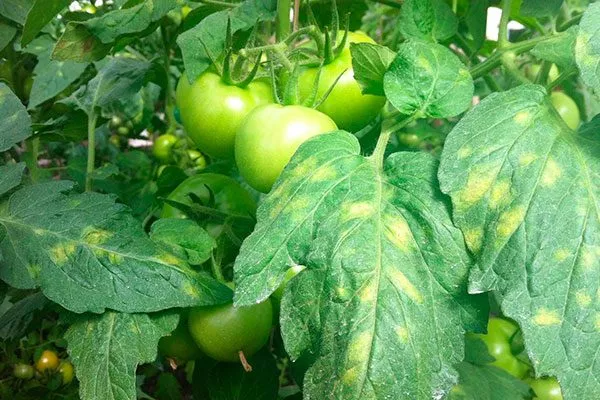
Like most greenhouse-grown tomatoes, Sibiryak requires preventative measures to protect against diseases and pests. These include:
- disinfection of seeds and soil for seedlings;
- disinfection of greenhouses, including walls, equipment and soil;
- compliance with crop rotation rules;
- treatment with Fitosporin and other means for disease/pest prevention;
- ventilation of greenhouse structures to reduce air humidity levels.
Pests are collected by hand or folk remedies are used, such as wormwood decoctions and infusions of onions, garlic, and hot peppers. In case of a large infestation, insecticides are used.
Additionally, there are pests that can damage the root system of plants. These include wireworms and cockchafer larvae. They can be discovered during pre-planting soil digging or if the plant is already dying:
- To prevent larvae from getting into the soil, it is necessary to carefully inspect the compost when adding it to the holes before planting.
- To combat wireworms, dig the soil in the fall using dolomite flour or lime.
Pros and cons
The Sibiryak tomato is distinguished by its unique ability to produce fruit after most other varieties have finished fruiting. This hybrid, distinguished by its resistance to cold climates, can even produce fruit later in a greenhouse.
The key advantages of the Siberian include:
Some gardeners consider the need for staking and shaping the bush a drawback, but these methods are used when growing all varieties of tall tomatoes. The only serious drawback of the Sibiryak is the inability to collect seeds from its own crop due to its hybrid origin.
What varieties are most often confused with?
Tomatoes developed by Siberian breeders represent a unique group of varieties distinguished by exceptional reliability and seed quality. The main advantage of these regionalized tomatoes is their ability to provide a stable and guaranteed harvest even in challenging climatic conditions.
Mamin Sibiryak
This variety was developed by Siberian breeders and is distinguished by its elongated fruit shape and high yield. Characteristics:
- mid-season – the time from sowing to harvest is 110-115 days;
- determinate plant, the height of the bush reaches 120-150 cm;
- the first inflorescence appears above the 7-8 leaf;
- the fruits are cylindrical in shape, red in color, and have a slight thickening at the bottom;
- Tomatoes have excellent taste qualities and are suitable for various types of processing, including canning, stuffing and salad preparation;
- on one brush there are 5-7 fruits weighing 60-150 g;
- You can harvest up to 20 kg of crops from 1 square meter.
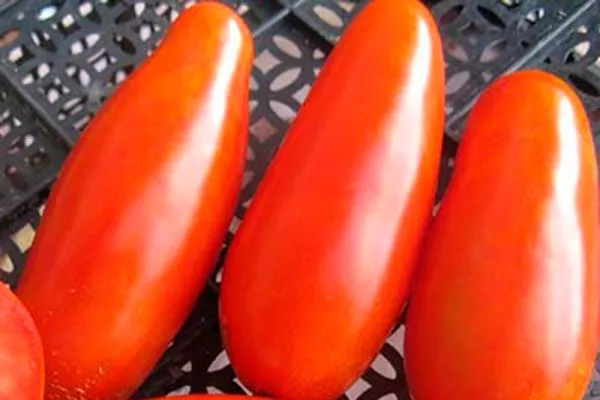
This variety is characterized by excellent commercial and consumer qualities, which allows it to be cultivated both indoors and outdoors.
Siberian
This early-ripening and high-yielding tomato variety is easy to care for. Its fruits have excellent consumer qualities. Sibiryachok grows both indoors and outdoors, making it a versatile choice for vegetable growers.
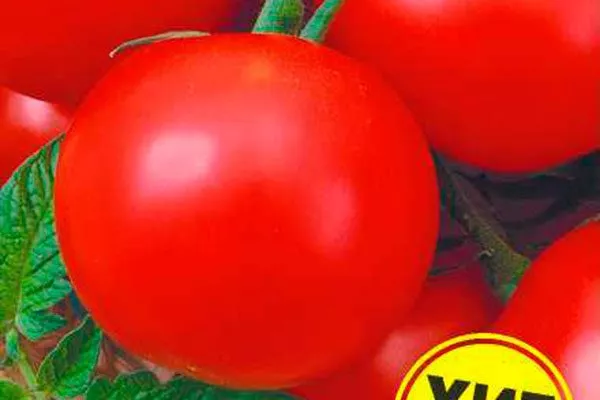
Description of the variety:
- ripens early – from planting to harvesting it takes only 105-110 days;
- the plant has a determinate growth type, stopping development after the formation of 4-5 flowers;
- the bushes are low, compact, and do not require support or treatment;
- the first fruits are formed above the 5-7 leaf;
- tomato fruits are round, smooth, have a strong skin of a bright red hue, weighing approximately 90-100 g;
- the pulp of the fruit is dense, yet juicy, with an excellent taste;
- Tomatoes have good shelf life and are suitable for freezing and canning, as well as for making salads, purees and juices.
Rapid ripening is especially valuable in short summers. However, the use of agricultural techniques can speed up the harvesting process.
Reviews
The Sibiryak hybrid is an ideal solution for those just beginning to master gardening. This variety has strong disease resistance, making it easy to grow. It produces a bountiful harvest even in cold climates and boasts an attractive appearance and a long shelf life.