
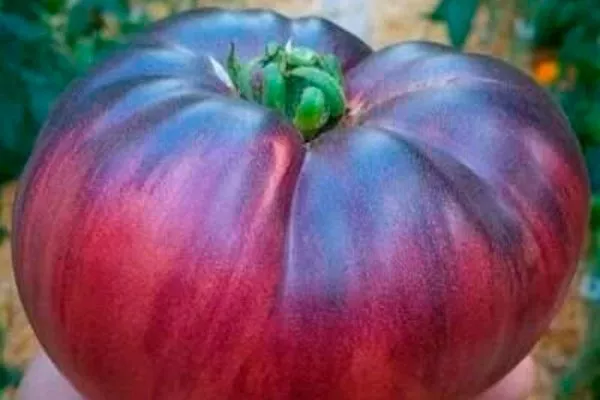
Siberian Tiger tomatoes attract attention with their unusual coloring and unique shape—they are spherical or flattened, pink with blue-violet spots. Large, flavorful tomatoes are ideal for culinary experiments, both fresh and for preserves. This variety produces fruit successfully throughout the season with proper care.
Selection, appearance of the plant and fruits
Siberian Tiger is a unique result of the work of American geneticists, who introduced a new, unusual nightshade variety in 2015. Its striking and striking appearance can impress even experienced gardeners. It was created by hybridizing the Blue and King of Beauty varieties.
Distinguishing characteristics:
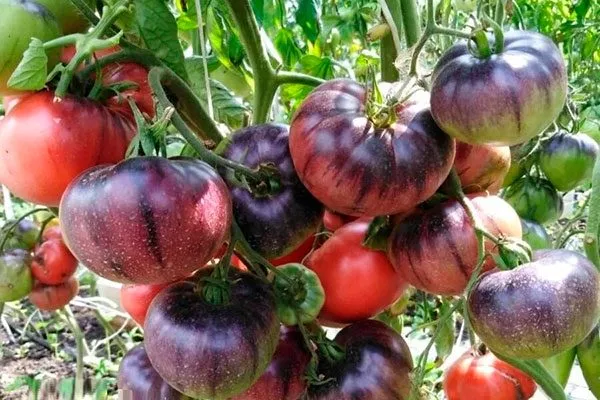
- This tall hybrid is an indeterminate variety. The main stem reaches 150-180 cm in height, and can reach up to 200 cm in greenhouse conditions.
- The plant has moderate foliage. Large, rich green leaves are characterized by a deep shade.

- The inflorescences are of an intermediate type. Four to seven ovaries form on a single stem, and under favorable growing conditions, up to eight fruit clusters are formed on each shoot. On average, one cluster contains about five ovaries.
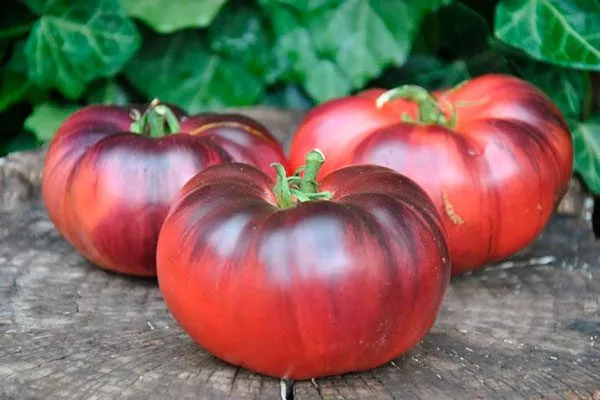
- Unripe tomatoes are a standard green with a light green tint. As they ripen, they acquire a dark pink hue with dark purple highlights, which is where the variety gets its name.
- The weight of tomatoes is about 150 g, but on the first brushes you can often find specimens weighing up to 300 g.
- The vegetables have a round, slightly flattened shape, with faint ribs sometimes visible on spherical specimens.
- The flesh is bright red, dense, juicy and sweet when cut.
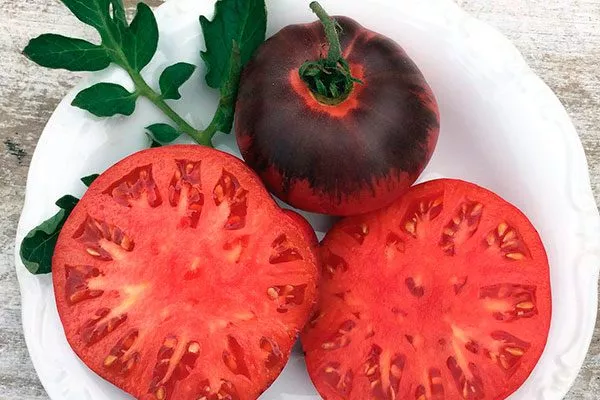
This variety is resistant to cracking and fruit drop. Seed nests containing abundant seeds form inside, and the thin skin reliably protects the fruit.
Main characteristics
Varieties with distinctive fruit coloring and other unique characteristics stand out among the many vegetable crops. One of the most striking examples is the Siberian Tiger tomato.
Features and unique qualities:
- Ripening time and yield. This is a mid-season hybrid. It takes 110-120 days from the first shoots to ripening. Despite the impressive weight of the tomatoes and the abundance of ovaries, this variety demonstrates good productivity.
A single plant yields approximately 2 kg of vegetables. Under optimal growing conditions, this figure can be significantly higher.
- Taste and scope of use. Tomatoes are intended for fresh consumption. Their distinctive color and long ripening period enrich them with nutrients.
Tomatoes have a fruity flavor, making them suitable for children's diets. However, their thin skin and large size make them unsuitable for canning. - Resistance to diseases and pests. The Siberian tiger is characterized by strong immunity to diseases, which allows it to be raised without the intensive use of protective drugs.
The cultivar is rarely attacked by pests, so it is often chosen by novice gardeners.
Agricultural technology of the variety
Siberian tiger rhododendron is grown from seedlings. The seedlings are kept indoors for 60-65 days. They can be sown in either shared or individual containers, such as peat pellets or reusable containers. Containers previously used for planting must be disinfected.
Preparing seedlings
For sowing, use fertile, light soil, disinfecting it along with the seeds with a fungicide solution. Pre-moisten the soil and compact it lightly. Space the seeds slightly apart, then mulch with peat or coconut coir.
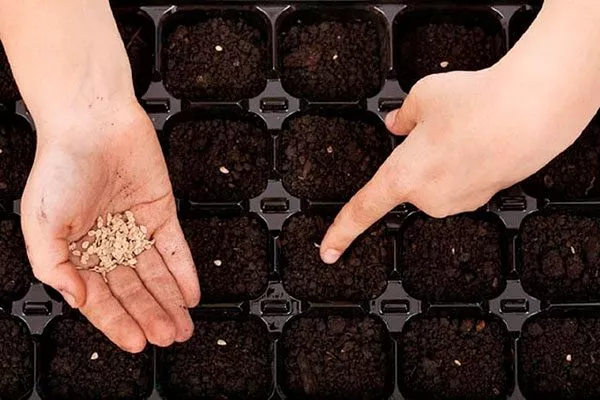
Follow these recommendations:
- Treat the planting containers and soil with boiling water containing potassium permanganate, covering the soil with a cloth to enhance disinfection. Alternatively, bake the soil in the oven at 50°C for 30 minutes.
- Submerge the seeds in a saline solution for 10 minutes to discard any empty seeds (they will float). Rinse the selected seeds with warm water and disinfect them in a weak solution of potassium permanganate for 10 minutes. After treatment, spread the seeds on a napkin and leave them to dry completely.
- Fill the prepared containers with soil, moisten, and distribute the tomato seeds over the surface. Cover them with a thin layer of soil (no more than 1.5 cm) and cover with plastic wrap or glass to create a greenhouse effect.
- Place the containers in a warm, sunny spot, such as a south-facing windowsill. Once the seedlings emerge (4-6 days), remove the cover and reduce the temperature to 18°C for a week. This promotes root development. Grow the plants at a daytime temperature of 22°C, with a slight drop at night.
After two true leaves appear, pick the seedlings and transplant them into separate containers.
Transplantation and care in the ground
Two weeks before moving the seedlings to a permanent location, harden them off: take the plants outside every day, gradually increasing the amount of time they spend outdoors.

A sign that the seedlings are ready for transplanting is the appearance of a purple-blue tint on the stems. This usually occurs two months after sowing, when the plants have formed five true leaves. The optimal time for planting is the first half of May or June, when the soil has warmed up well.
Follow these steps:
- Dig planting holes 50x50 cm apart. Disinfect the holes by watering them with a weak solution of potassium permanganate.
- Pour warm water into each hole. If necessary, add mineral or organic fertilizer, mixing it into the soil, adding a little substrate on top to prevent the roots from coming into contact with the fertilizer.
- Transplant the seedlings by transshipment, preserving the root ball. Place the plants vertically, filling the gaps with soil. If necessary, shade the transplanted seedlings to protect them from the sun.
- After 10 days from planting, water the bushes again to stimulate root development and strengthening.
- Place no more than 4 bushes per square meter. Crowding can reduce yield and impair air circulation between plants.

The Siberian Tiger variety requires little care. Follow standard agricultural practices:
- Watering. Keep the soil moist. During hot periods, when temperatures are high and drought is possible, water the plants daily. Experienced gardeners recommend watering three times a week. Stop watering during the fruit ripening period to prevent fungal infections.
- Loosening and weeding. Regular soil loosening and weed removal are essential to improve water and air permeability, especially after watering. These measures prevent water stagnation and ensure comfortable growing conditions.
- Top dressing. Tomatoes don't require constant fertilization if growing conditions are optimal: sufficient light and no excessive rainfall. During rainy seasons, apply additional nutrients.
During the growing season, nitrogen-containing fertilizers are useful, and with the beginning of flowering – potassium nitrate and superphosphate. - Trimming. To ensure good sunlight and air circulation, thin the bushes. Remove wilted, dry, or damaged leaves, as well as those located below the first fork.
Carry out the first treatment two weeks after planting the seedlings, when they are well-rooted and can more easily withstand the treatment. Remove leaves and side shoots carefully to avoid damaging the stems. - Formation. Tomatoes require structuring to ensure a good harvest. In greenhouses, train the plant with 1-2 stems; in open ground, you can leave up to 3 shoots. To train the plant with 2 stems, leave the strongest shoot under the first flower bud. Stake it and trim off any excess leaves and side shoots.
Disease and pest control measures
The Siberian Tiger variety is characterized by good resistance to most infectious, bacterial, and viral diseases. However, if agricultural practices are not followed, problems such as powdery mildew and insect attacks, including aphids and whiteflies, may occur.
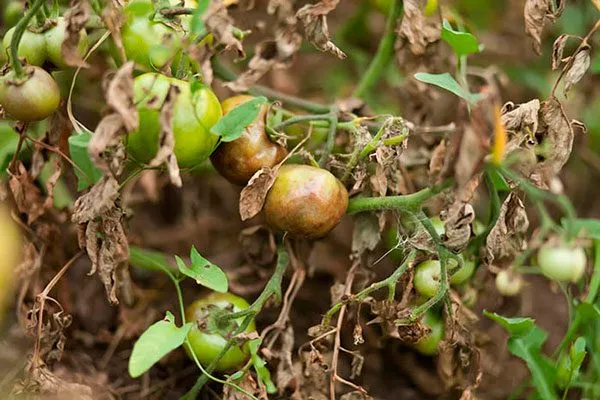
To combat pests, use a special product called Confidor:
- Dissolve 1 ml of the product in 10 liters of water.
- Spray the plants with the resulting solution, evenly covering the leaves.
Pros and cons
It's important to carefully study the characteristics, advantages, and disadvantages of the crop before starting to grow seedlings. The Siberian Tiger has many advantages:
Some gardeners note the disadvantages of this crop as the need to pinch and tie up the plants, the inability to use whole tomatoes for canning, and difficulties with transporting and storing them for long periods. In cold climates, plastic covers are required.
Reviews
The Siberian Tiger tomato is an excellent choice for experienced gardeners and beginners just starting out in gardening. Its tolerance to temperature fluctuations, large fruits, and pleasant flavor make this variety ideal for growing in greenhouses and open garden beds. With proper cultivation practices, you'll enjoy bountiful harvests throughout the season.