
The Siberian Early-ripening tomato is one of the most popular early-ripening varieties, ideal for growing outdoors and in greenhouses. It boasts excellent flavor, resistance to major diseases, and a stable yield. The fruits have excellent flavor, do not crack, and are ideal for pickling and canning.
History of creation, description of bushes and fruits
Registered in 1959, it was developed by scientists at the Federal Scientific Center for Vegetable Growing at a time when varietal improvement technologies were not as advanced as they are today. Therefore, it is inferior to many modern varieties. Nevertheless, it is still valued for its excellent taste and consistent yield.
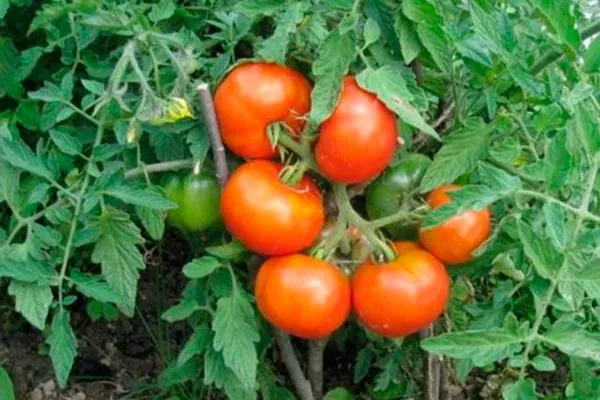
Distinctive characteristics of the variety:
- The bushes form strong stems that are quite stable and can grow without staking or support in open ground. However, in a greenhouse, the plant will likely need staking.
- The leaves are of medium density, standard shape, green or dark green in colour.
- Numerous flower clusters develop on the shoots, each containing up to 8 buds, 4-5 of which become ovaries. The first flower cluster forms above the 8th leaf, the others – 1-2 leaves apart.
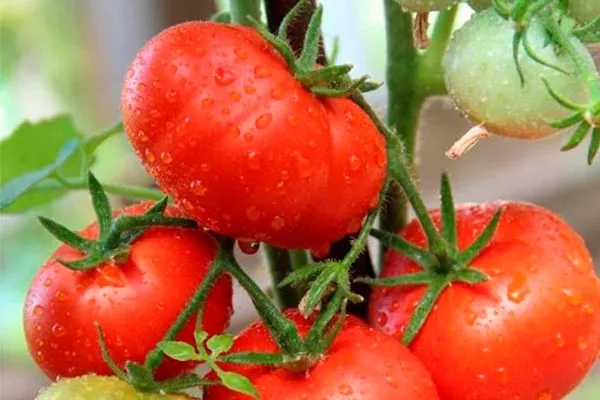
- Ripe tomatoes are characterized by slight but noticeable ribbing. The first cluster bears fruit especially abundantly.
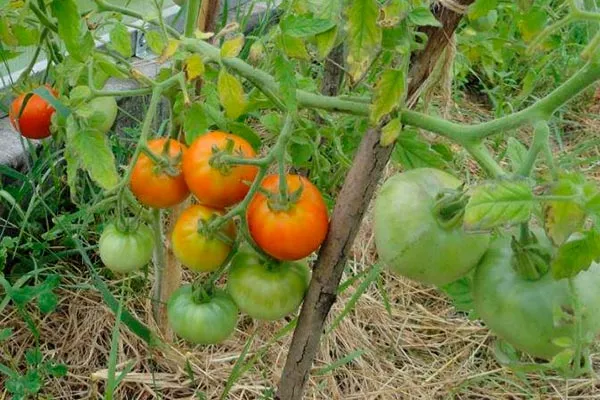
- Unripe fruits are green with a dark green spot at the stalk, while ripe fruits are red.
- The weight of tomatoes varies from 60 to 120 g. The shape is round or flat-round, with slight ribbing.
Dry matter content can reach almost 6%.
Key characteristics of the variety
Despite this variety's long history and time-tested quality, its reliability remains competitive with new tomato hybrids developed in recent years. Siberian Early Ripening continues to be popular among both experienced and novice gardeners.
Taste and area of use of tomatoes, productivity
Tomatoes are sweet and sour or exceptionally sweet, with a bright, rich aroma. They are ideal for a variety of purposes: fresh consumption (sliced or in salads), canning (sliced), and cooking.
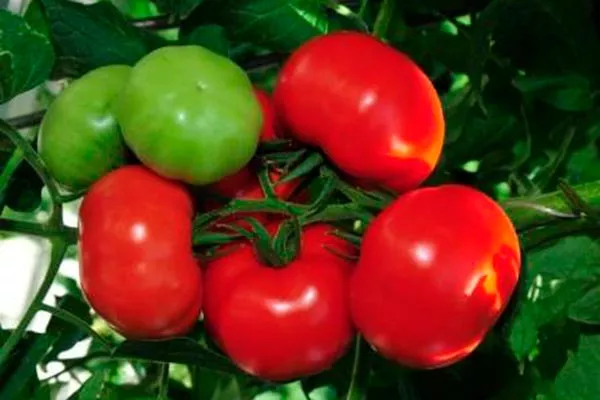
A single greenhouse tomato plant yields nearly 1.5 kg, or about 10 kg per square meter. In garden beds of the same area, the yield reaches 6-7 kg, and each plant yields up to 600 g.
Ripening and fruiting
This is an early-ripening variety. The tomatoes reach full maturity in light indoors, while also transporting well, without cracking, and maintaining their quality.
Fruiting in open beds is later but more abundant, while in greenhouses it lasts longer, which is especially important during cold and rainy summers. A single bush produces 3-4 inflorescences, each bearing up to 5 fruits.
Weather resistance and regions
The Siberian Early Ripening variety is highly prized by vegetable growers in northern regions for its early ripening and good yield in cool, short summers. Not every tomato can ripen in such unfavorable, and sometimes extreme, weather conditions.
This variety is widely cultivated in various regions of Russia, including the Northern, Northwestern, Central, Volga-Vyatka, Middle Volga, Far Eastern, and Siberian regions. However, it is not suitable for southern regions, as it does not tolerate extreme heat and was bred specifically for cool climates.
Optimal timing for sowing seeds and planting seedlings
The crop is well adapted to cold climates, so the planting time differs slightly from that of heat-loving hybrids. It is recommended to sow the seeds 60 days before the expected planting of seedlings.
Since Sibirsky Skorospelny is an early-ripening variety, the optimal sowing period for most regions of Russia is from March 20 to 30. However, the exact timing may vary depending on the region's weather conditions. In colder climates, sowing and planting can be delayed by 5-7 days.
How to grow seedlings?
Siberian mid-season is grown using seedlings. Seeds are sown in late March or early April, 60-65 days before planting.
- ✓ Check the expiration date of the seeds; the optimal storage period is no more than 4 years.
- ✓ Pay attention to the manufacturer, give preference to proven brands.
- ✓ Consider the climatic conditions of your region when choosing a variety.
Seed preparation
Fans of this variety report instances of seed mismatch or substitution, so many prefer to harvest their own from previously grown tomatoes. High-quality planting material can be purchased from reputable producers such as SeDeK, Aelita, and Fazenda.
Pre-treat the seeds:
- Calibration. Soak the grains for 10 minutes in a salt solution (1 teaspoon of salt per 200 ml of water). Discard any grains that float to the surface, and rinse any that remain at the bottom with warm running water.
- Warming up. If the seeds were stored in the refrigerator, warm them up 1.5 months before sowing. To do this, place the seeds in a linen bag and place them on a radiator for 6-7 days.
- Disinfection. Treat the seeds in a 1% solution of potassium permanganate (30 minutes) or in a 2% solution of hydrogen peroxide (15 minutes).
- Improving germination. Soak the grains in preparations such as Radipharm, Epin, Immunocytophyte, Heteroauxin or Biostim, then dry.
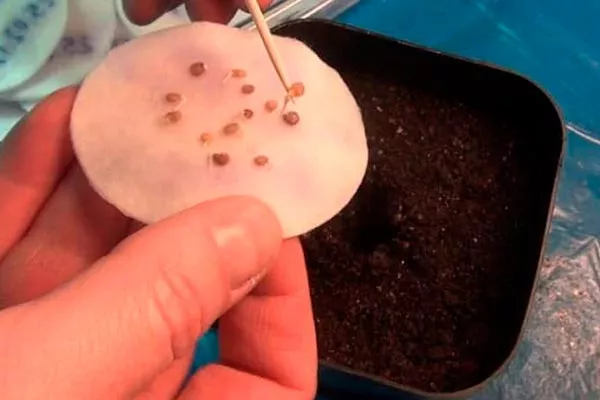
- Germination. Fold the damp cheesecloth into several layers, spread the seeds on it, and cover. Keep it moist, but not too wet.
To boost the plant's immunity, place the sprouted grains on the bottom shelf of the refrigerator overnight and remove them in the morning. Repeat this procedure for 3-4 days in a row.
Container and soil
Regular plastic containers, trays, boxes, or cassettes, as well as 5-7 cm high Tetra Paks, are suitable for growing seedlings. You can buy seedling soil at a specialty store or prepare it yourself by mixing equal parts of turf, river sand, and humus.
Before use, disinfect the soil by heating it in the oven, steamer, or microwave. You can also treat it with a strong solution of potassium permanganate or Fitosporin.
Sowing
Fill the seedling growing containers with moist soil and plant the seeds in 1 cm deep furrows. Follow these recommendations:
- Sprinkle the grains with a layer of peat on top and cover with plastic, creating a greenhouse effect.
- Place the containers in a warm place, protected from direct sunlight.
Seeds planted without pre-sprouting begin to germinate in 4-5 days at a temperature of +25°C. If the seeds are pre-sprouted, the sprouting time is cut in half.
Seedling care, picking and hardening
Once the first shoots appear, remove the plastic film and move the containers with the seedlings to a south-facing windowsill. The optimal daylight hours for tomatoes are 16 hours. If natural light is insufficient, supplement the seedlings with fluorescent lamps.
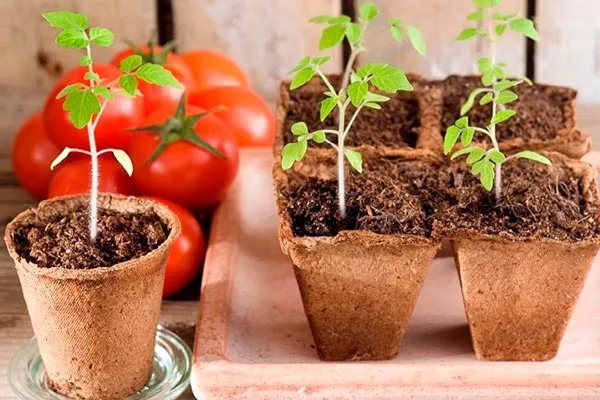
When the seedlings have 2-3 true leaves, transplant them into individual 300 ml containers. Water them moderately once the top layer of soil has dried. A week before transplanting, stop watering and place the seedlings outside for 30-60 minutes to harden off.
For fertilizing, use ready-made mineral fertilizers, such as Agricola, Effecton, or Universal. Fertilize the seedlings twice before transplanting them into the garden beds.
Agrotechnical techniques
Growing tomatoes outdoors and indoors is a standard process, but it directly impacts yield. It's important to follow simple maintenance procedures to maximize productivity.
Transplanting into a garden or greenhouse
When preparing the bed, consider the soil condition. If it's acidic, reduce the acidity with slaked lime or dolomite flour. Fertile soil is equally important, so add organic fertilizer.
Choose open, well-lit locations. Avoid planting tomatoes after nightshade plants, such as peppers or eggplants. They share common pests and diseases.
The process of planting seedlings:
- When preparing the holes, add 20 g of wood ash and 40 g of humus to each.
- Moisten the holes, then plant the seedlings. As a preventative measure, treat the roots with a solution of Fitosporin.
- If the seedlings have outgrown, lay them horizontally, covering the part of the stem with leaves with soil.
- After repotting, water the plants thoroughly. Mulch the soil around the seedlings and cover them with spunbond or other non-woven material to prevent sunburn and speed up adaptation. Once the seedlings begin to grow and new leaves appear, remove the covering.
The weight of Siberian early-ripening tomatoes depends on planting density and growing conditions. If planted too densely, the plants will stretch in search of light, which will impact their development.
Top dressing
7-10 days after transplanting, plants begin to actively develop, and vegetative mass increases. Fertilizer application guidelines:
- At this time, apply the first fertilizer. Use a solution of mullein or bird droppings that has been steeped and fermented. If organic fertilizers are unavailable, you can use a urea mixture.
- After 12-15 days, apply the next fertilizer containing phosphorus and potassium, such as monopotassium phosphate. Apply up to 500 ml of the fertilizer under each bush.
When choosing fertilizer for tomatoes, avoid those containing chlorine. If minerals are unavailable, use wood ash, dissolving 200 g in 10 liters of water. Mix and water the plants.
Pinching, gartering, molding
These are important agricultural practices that help increase yields, improve plant health, and simplify plant care. Follow these recommendations:
- Pinching out stepsons – This is the removal of side shoots (side shoots) that appear in the leaf axils of the main stem. This procedure ensures that the plant focuses its energy on the growth of the main stem and fruiting, rather than on the formation of extra shoots.
Remove side shoots when they reach 3-5 cm in length, carefully pinching or cutting them off. This stimulates growth of the main stem and improves ventilation, reducing the risk of disease. Pinching out side shoots improves light access to the lower parts of the plant and promotes better fruiting. - Garter Plants can be supported to keep shoots upright and prevent damage due to their weight. Use ropes, nets, or special trellises. Carefully secure the stem to the support, leaving room for growth.
Staking prevents tomatoes from coming into contact with the ground, reducing the risk of rot and contamination, and also improves ventilation. - Formation Bushes are pruned and side shoots removed to optimize growth and fruiting. Depending on your goals, form the bush into one or two stems. To do this, leave the main stem and one or two strong side shoots. Remove all other side shoots.
The procedure helps improve illumination of all parts of the plant and promotes more uniform ripening of the fruit.
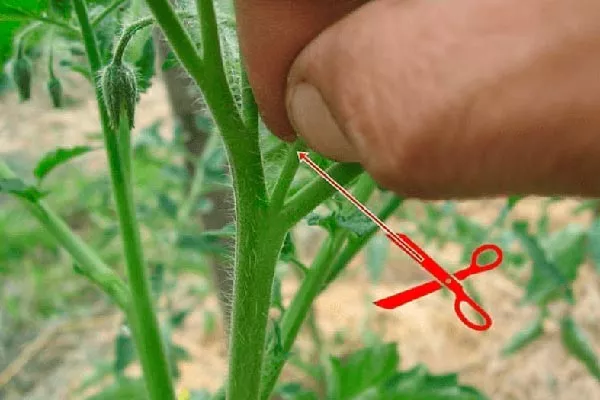
Compliance with these procedures significantly increases the yield and quality of vegetables, making crop care more convenient and effective.
Watering, mulching
Provide ample moisture during hot and dry weather, especially during flowering and fruit set. Insufficient moisture at this time can cause both blossom drop and fruit drop.
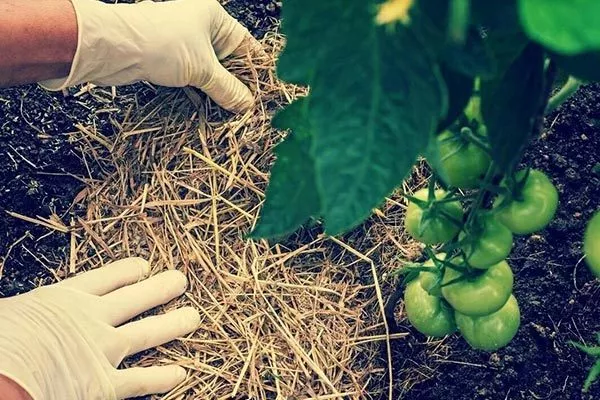
Avoid watering your bushes with cold water; use only warm water, which you should fill a container with in advance and let warm up throughout the day before watering in the evening. To conserve soil moisture, mulch it with rotted sawdust, dry grass, or other organic materials.
Possible problems
Under normal conditions, tomatoes self-pollinate perfectly, but in hot weather, the pollen becomes more sticky. In such cases, gently shaking the bushes can improve pollination, which will significantly improve fruit set.
Cool and rainy summers increase the risk of late blight, which begins on the lower leaves. Poor ventilation and high humidity promote the spread of the disease. To combat it, treat with copper-containing fungicides, such as Bordeaux mixture. Repeat after 10 days.
Collection and storage
Due to its early maturity, the first fruits of the Siberian Early Ripe variety are harvested just 75-85 days after germination. The full harvest begins in late July-August. Harvest the vegetables when they reach a reddish-pink color. Do this in dry weather, carefully cutting them off with the stems attached.
Place tomatoes in wicker baskets or boxes, alternating layers with paper or linen napkins. Remove any damaged or unripe tomatoes. Store the harvest in a cellar, basement, or other cool area with a temperature of 2 to 5°C and a humidity of 80-85%.
Tomatoes can be preserved—frozen whole or as juice, paste, or sauces. Under the right conditions, these vegetables will retain their marketable quality and flavor until the next season.
Resistance, treatment and prevention from diseases and pests
The Siberian Early-Ripening tomato is renowned for its strong immunity to major diseases, but under unfavourable growing conditions it can be susceptible to various fungal and bacterial infections.
Common diseases:
- Late blight. It manifests itself as brown spots on stems and leaves, and damage to the tops and tomatoes. High humidity promotes the disease's development. Use fungicides for prevention.
- Alternaria. It causes dry, brown spots and sunken ulcers on vegetables. Treatment of already infected plants is ineffective, so prevention is crucial. Use biological fungicides.
- Verticillium wilt. It is accompanied by yellowing and wilting of the leaves. Brown vascular bundles are visible on the stem cut surface. To combat the disease, it is important to maintain crop rotation, treat the seeds, and spray with fungicides.
Preventive measures for fungal diseases include:
- compliance with crop rotation rules;
- moderate watering;
- covering the soil with mulch;
- soil disinfection before planting;
- disinfection of seeds before sowing;
- treatment of greenhouses with sulfur checkers;
- frequent loosening and weeding;
- maintaining optimal humidity levels.
Among pests, the Colorado potato beetle, greenhouse whitefly, and spider mite cause the most damage to crops. To protect against them, use insecticides, observing the appropriate timeframe before harvesting. Folk remedies, including decoctions of garlic, onion peels, and tomato tops for spraying, are also effective.
Pros and cons
The variety boasts numerous advantages, including uniform fruit ripening. Siberian Early Ripening also boasts a host of other benefits:
Among the shortcomings, gardeners note the absence of a number of new, improved characteristics inherent in modern hybrids and varieties.
Reviews
Siberian Early is a reliable choice for those who value an early harvest and excellent flavor. This variety produces excellent results with minimal care and is suitable for cultivation in a wide range of climates. It produces delicious and juicy tomatoes for any purpose, from fresh salads to preserves.