
The Sibirskie Shan'gi tomato is a mid-early ripening variety developed for both garden and greenhouse cultivation. It is particularly popular in Siberia and the Urals, as it was developed to adapt to the harsh climate of these regions. Despite weather fluctuations, yields remain high.
Description of the bush and fruits
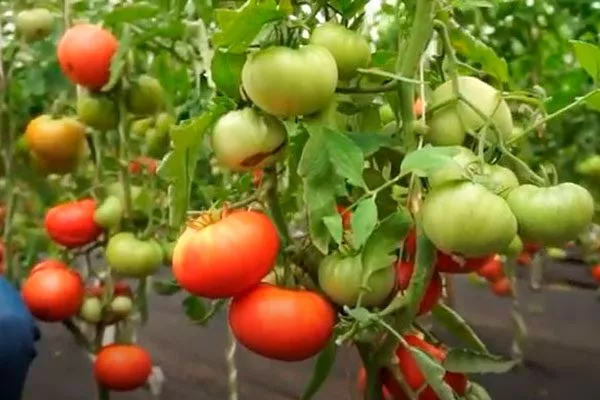
The Sibirskie Shan'gi variety is a tall, determinate tomato crop that can reach a height of 150 cm in open fields and up to 180 cm in greenhouse conditions.
Other indicators and signs:
- The plant is characterized by a powerful bush with medium-density foliage, a strong central stem and branches, and a well-developed root system that provides complete nutrition to the plant.
- One bush usually produces 4 to 6 fruit clusters, each containing 3-5 fruits.
- To successfully grow Siberian Shan'gi tomatoes, it is recommended to train the bushes into a single stem, regularly remove side shoots, and provide support, as the fruits are quite heavy and can damage the stem and branches.
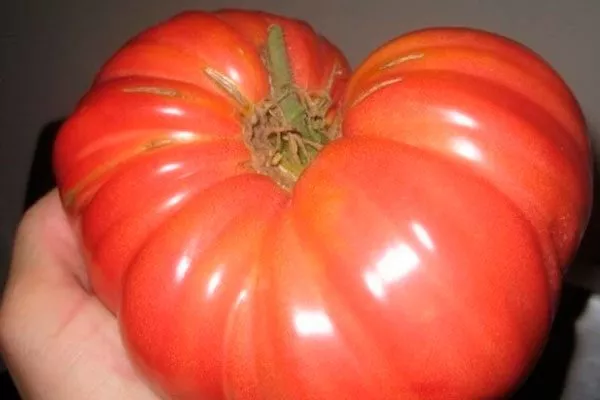
Experienced gardeners recommend removing excess leaves below the first and second fruit clusters to improve ventilation and illumination of the bush. - This tomato belongs to the large-fruited variety. The average fruit weight is 155 g, but in practice, tomatoes can reach 300-800 g.
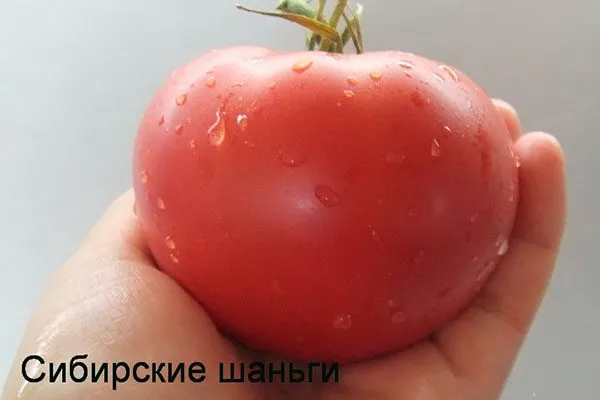
- The vegetables have a flat-round shape with a slightly ribbed surface, a beautiful raspberry color when ripe, and a dense, shiny skin that is not felt when eaten.
- When unripe, tomatoes are light green with a dark spot at the base. They are highly resistant to cracking, transport well, and can be stored for long periods without losing their flavor or marketability.
- Tomatoes are characterized by a distinct flavor. The flesh is fleshy, medium-firm, juicy, and sweet, with minimal seeds. The flavor profile is predominantly sweet, with a vibrant aroma.
- ✓ The maximum weight of the fruit can reach 800 g.
- ✓ High resistance to fruit cracking.
- ✓ Sweet taste with minimal sourness under favorable conditions.
Main characteristics
Siberian Shan'gi tomatoes are distinguished by their good tolerance to heat, temperature fluctuations, and short-term droughts. Thanks to their strong immunity, these plants are resistant to diseases such as fusarium wilt, early blight, and late blight. They don't suffer from overheating in greenhouses and rarely lose buds or fruit sets.
History of selection and regionality
Siberian Shan'gi is the result of many years of work by Russian breeders led by O. V. Postnikova, working at the Siberian Garden agrofirm. This variety was developed in 2015, and in 2017, it was included in the State Register of Breeding Achievements of Russia and approved for use.
The tomato was named after the ancient Siberian city of Shangi, known for its fertile fields and abundant harvests. The variety was created by crossing two well-known tomato varieties—Uralskiy ranniy (Ural Early) and Pridonskiy rozovskiy (Don Pink)—and thus combines the benefits of both parents.
It is successfully cultivated throughout the country, including the Far East, Central, Lower Volga, Ural, East Siberian, Northwestern, Volga-Vyatka and Central Black Earth zones.
Ripening and fruiting, productivity
The Sibirskie Shan'gi tomato variety is a mid-season crop. It takes 105 to 110 days from the moment the seeds begin to germinate until the fruits are ripe. Tomato ripening occurs gradually, and you can first enjoy the sweet taste of these vegetables as early as July. Most of the harvest is collected in July and August.
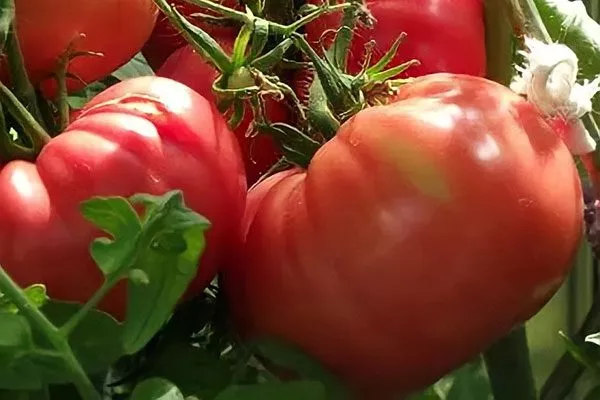
This variety is characterized by good yields thanks to its large fruit size. You'll get an average of 5.3-5.9 kg per square meter. Under ideal conditions, a single bush can yield up to 10 kg of fruit.
Use and storage of Siberian Shan'gi tomatoes
Tomatoes can be used in salads or as sandwich slices. They are also great for seasoning soups and hot dishes, making tomato juice, adjika, paste, and more.
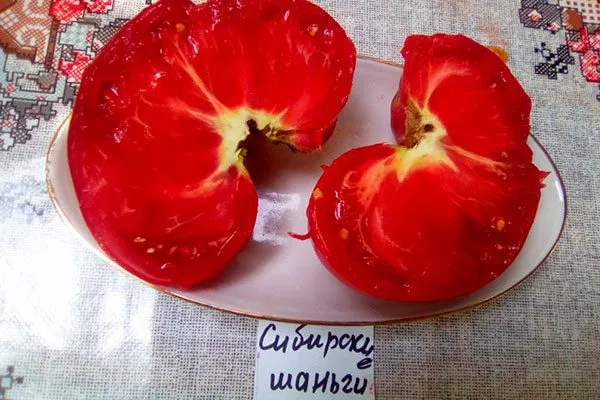
Canned tomatoes are also delicious, but their pink flesh may not be rich enough, so it is recommended to mix them with brightly colored varieties.
Features of sowing and transplanting
Two months before the planned transplant, you should sow the seeds. If you're choosing a new variety, you can purchase tomato seeds at the store.
To use your own planting material, it is recommended to save the largest and ripest tomato, which should be cut and the seeds removed for drying.
Sowing seeds and growing seedlings
You can sow your own seeds as early as next spring. This will improve the flavor of your tomatoes and increase their size compared to previous generations. To begin sowing, count back approximately 60 days before the expected planting date:
- Soak the seeds in a growth stimulator, following the instructions on the package.
- Plant the seeds 1.5-2 cm deep, using individual peat tablets or cups for each seed. For soil, use a general-purpose seedling substrate, available at any gardening store.
- Cover the seedlings with plastic film or glass to create a greenhouse effect. Maintain a temperature of 22–25°C for optimal seedling growth.
- When you see the first sprouts, remove the film and move the containers closer to bright windows.
- ✓ Optimum temperature for seed germination: +22…+25°C.
- ✓ Seeding depth: 1.5-2 cm.
- ✓ Distance between plants when planting: 40-50x60-70 cm.
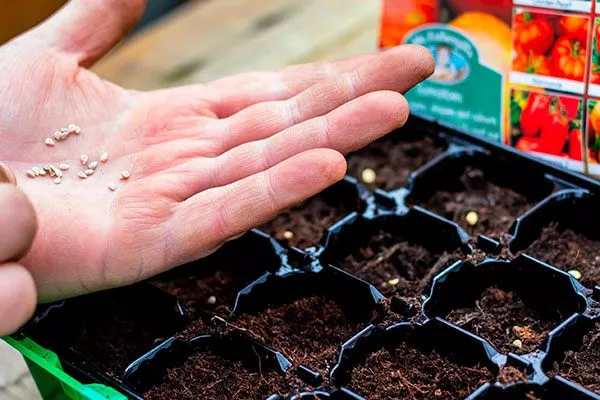
Once the sprouts emerge, begin regular watering and misting. Tomatoes love moisture, but avoid overwatering to avoid root disease. If you sowed them in a common container, you'll need to transplant them into individual pots. This should be done carefully to avoid damaging the plants.
Tomatoes should be transplanted into a greenhouse in the first days of May, when the weather has stabilized and the seedlings have established themselves. Before planting them in open ground or a greenhouse, water the seedlings thoroughly to prevent a dry crust from forming.
Planting in the ground
Two weeks before transplanting, acclimate the plants to light and cold. Place the seedlings in sunlight every day, starting with 20-30 minutes, gradually increasing the time spent outdoors.
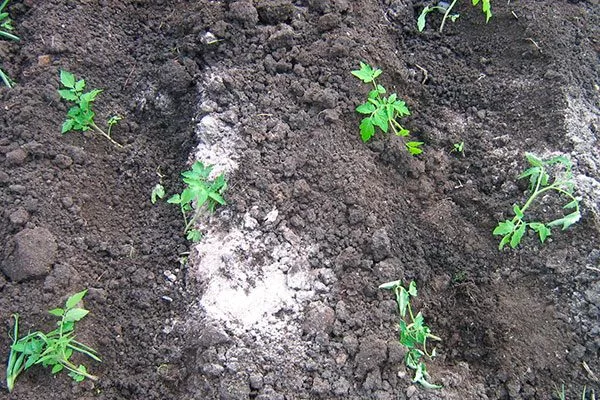
A few days before planting, the plants should be left outside overnight. To ensure optimal air circulation, no more than three plants should be planted per square meter.
The process of transferring plants is simple:
- Dig over the area where the beds will be and remove all plant debris, trash, and other material. If you didn't add organic matter during the fall digging, do so now, but keep in mind that manure and similar materials must be well-rotted. 5-8 kg of organic matter is sufficient for 1 square meter.
- Dig holes according to the scheme 40-50x60-70 cm.
- Place a thin layer of drainage material (stones, red brick fragments, pebbles, etc.) on the bottom.
- Fill the hole halfway and place the seedlings in the center.
- Sprinkle the substrate, compacting it lightly, and immediately moisten the plantings.
It's advisable to mulch the tree trunk area with peat, humus, or straw. If cold temperatures are expected at night, cover the seedlings with plastic.
Caring for Siberian Shan'gi Tomatoes
The Siberian Shan'gi tomato is renowned for its resilience to a variety of growing conditions. It can tolerate elevated temperatures without affecting its growth. The main care requirements are regular watering and appropriate pest control.
Watering and fertilizing
After transplanting, tomatoes need frequent watering, but be mindful of how dry the soil is. Key requirements:
- watering is done approximately once a week using about 10 liters of water per bush;
- If you irrigate more often, the amount of water should be reduced;
- Excess moisture can lead to a deterioration in the quality of tomatoes - the sugar content of the fruit depends heavily on the amount and frequency of watering, and when grown outdoors during cool periods, they can acquire a sour taste;
- In greenhouse conditions, drip irrigation is optimal, as it allows you to save time and effort when caring for plants, and also reduces the risk of late blight.
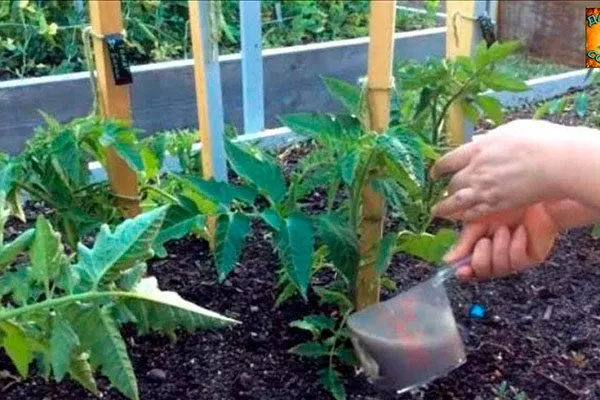
Fertilizing the soil can improve the appearance of plants, give leaves a rich green color, and enhance the flavor of fruits. However, care should be taken when applying fertilizers to avoid harming plants. Follow the instructions on the packaging of mineral fertilizers precisely.
Recommendations:
- Begin fertilizing as early as seven to ten days after repotting to allow the plants to establish roots and adapt to their new environment. Any mineral fertilizer can be used for this purpose. 500 ml of solution is sufficient for each plant.
- Apply the second feeding after the plant begins to bloom. This time, each tomato requires 1 liter of superphosphate and potassium nitrate solution.
It is recommended to repeat the procedure at 15-day intervals. On average, mineral fertilizers are applied five times during the growing season.
Working with bushes and soil
This tomato variety, whose trunk reaches almost 2 m in height and each fruit weighs almost 100 g, requires staking. This procedure should be performed approximately 3-4 weeks after transplanting.
Other events:
- Weed regularly to allow the variety to develop without interference;
- Plant formation should be aimed at preserving one or two main stems, while it is necessary to remove all lateral shoots so as not to lose yield;
- start removing leaves from the first fruiting cluster, which will promote better ventilation of the bush and, as a result, increase the yield;
- Dig the soil periodically to ensure proper root development.
How to grow big fruits?
Reviews of the Siberian Shan'gi tomato claim that there are several tricks to getting large, juicy fruits:
- Start sowing seeds 60 days before you move them to their permanent location;
- Immediately after replanting the plants, do not forget to fertilize the soil with mineral components;
- If some fruits do not have time to ripen before the end of the season, move them to a box in one layer and leave them in a dark place for a few days;
- To ensure that your harvest is rich and the fruits are large, you should follow all agricultural recommendations;
- fertilizing with mineral fertilizers should be carried out 5-6 times during the season;
- watering with water heated to a comfortable temperature should be done 2-3 times a week;
- Loosening the soil should be done after each watering;
- Weeding should be done when weeds are just beginning to appear;
- To increase the yield, it is important to remove side shoots in a timely manner.
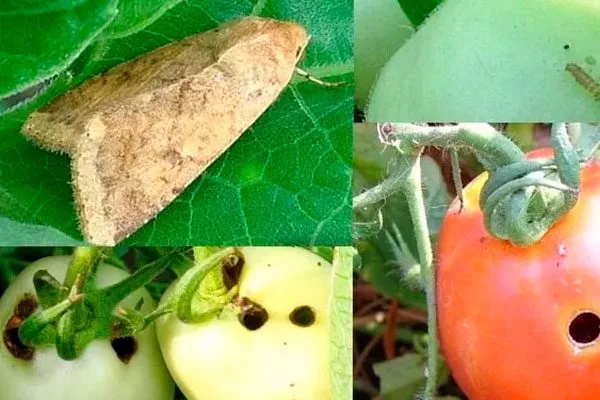
Pest and disease control
Despite good disease resistance, it is important to take preventative measures:
- After harvesting, that is, in the fall, thoroughly clear the beds of all plant debris and be sure to burn it;
- use seeds that have been disinfected;
- organize crop rotation correctly;
- plant in beds where legumes, carrots, cabbage or herbs for spice were previously grown (planting after peppers, eggplants or potatoes is not recommended);
- avoid overloading crops;
- Do not add fresh manure and young compost to the beds, use only humus and well-rotted compost;
- During the period of growing bushes, carry out treatment with copper-containing agents;
- To combat plant diseases and pests, use fungicides and insecticides.
Pros and cons
Siberian Shan'gi tomatoes deserve attention among other varieties due to a number of excellent characteristics:
Reviews
The Siberian Shan'gi tomato stands out for its large size and rich flavor. The flesh is sweet and plump. This variety is not intended for commercial cultivation, but is ideal for private gardens. It promises a bountiful harvest, sufficient for both personal consumption and small-scale sales.