
The Siberian Troika is a high-yielding tomato variety renowned for its resistance to disease and adverse conditions. It requires little care, quickly adapts to a variety of climates, and produces sweet, fleshy fruits. It has good stress tolerance and consistently produces excellent yields in a variety of climates.
Features of selection
Created by breeders from the Siberian Garden company in Novosibirsk: O. Postnikova, V. Dederko, and A. Yabrov. These specialists are actively developing regionalized varieties, but the varieties they've developed also thrive in other climates.
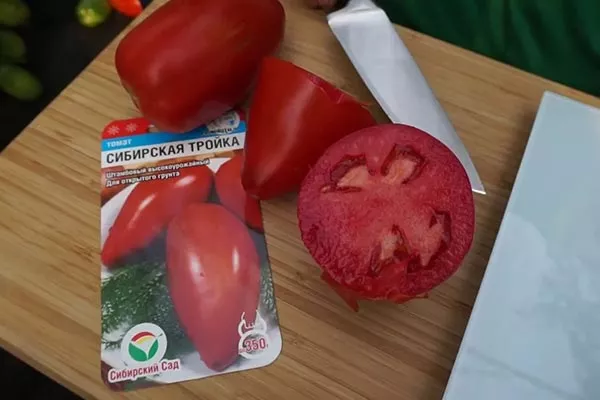
The Siberian Troika tomato variety was included in the State Register in 2004. It is intended for cultivation in private farms and small farm plots.
Description of plants
This low-growing standard bush reaches a height of about 60 cm. In greenhouse conditions, it can grow to 70-90 cm. This determinate plant is distinguished by dense dark green foliage, a strong, stable stem, a developed root system that provides nutrition, and simple inflorescences.
- ✓ Bush height in open ground: about 60 cm, in a greenhouse: 70-90 cm.
- ✓ The first fruit cluster is formed above the 9th leaf.
The first fruit cluster appears above the ninth leaf and produces 5 to 10 fruit clusters. A healthy bush typically develops 5 to 6 fruit clusters.
Characteristic features of fruits and taste
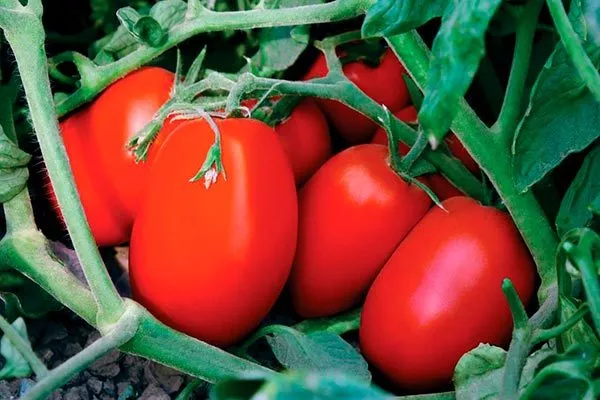
This is a large-fruited variety with cylindrical tomatoes with a distinctive spout at the top. Distinguishing features:
- The average weight is about 200 g, and the length reaches 13-15 cm. Tomatoes from the first fruit cluster are usually larger than subsequent ones.
- Ripe fruits are a deep red, while unripe ones are light green without spots at the base. As they ripen, they go through shades of brown and red.
- The skin is smooth, with a slight shine, has moderate density and elasticity, which prevents cracking and ensures good transportability.
- The pulp is dense, fleshy, with a small number of seeds, moderately juicy, light scarlet in color.
- The flavor is dominated by a pleasant sweetness, complemented by a spicy aroma. Tomatoes are rich in vitamin C, lycopene, and other beneficial substances. However, with excess moisture, the sugariness can give way to a slight tartness and wateriness.

Resistance of the variety to diseases
It is characterized by high immunity to most diseases and pests. However, the Siberian Troika can be affected by late blight, which poses a serious threat. The disease develops under favorable conditions, such as prolonged rainfall or sudden temperature changes.
Experienced farmers recommend carrying out preventative measures several times per season to ensure additional protection. Biological products or proven folk remedies are suitable for this purpose.
Productivity, fruiting and ripening time
This is a mid-season variety. It takes 110-115 days from germination to ripening. Fruiting occurs gradually. The main harvest occurs in July and August. In areas with warm, long summers, the fruits can ripen on the bush until early fall.
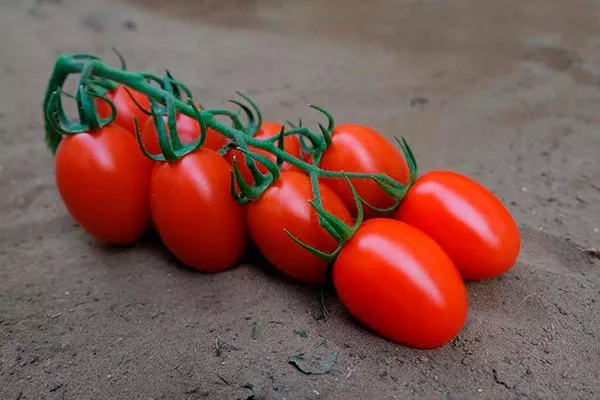
The variety is considered high-yielding. With proper cultivation practices, up to 6 kg of sweet vegetables can be harvested per square meter.
Purpose
Tomatoes are highly prized by housewives for their versatility. They are used to make ketchup, juice, and puree thanks to their ease of grinding with a blender, juicer, or meat grinder. However, their primary use is as a fresh table tomato.
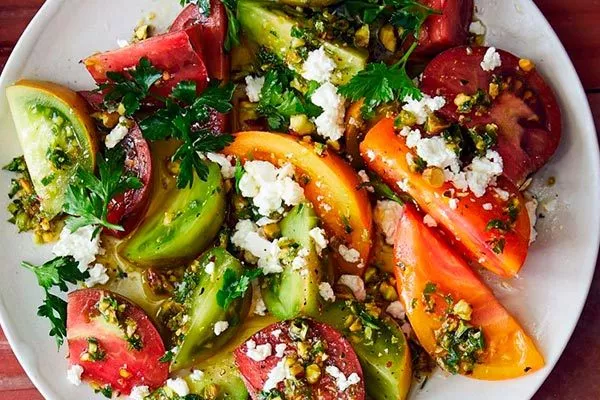
Thanks to their distinct sweetness, tomatoes are often eaten without added salt. They're ideal for salads, vegetable appetizers, and sandwiches.
The vegetables retain their excellent flavor even after heat treatment, while the flesh remains firm and the skin does not crack. These qualities make the Siberian Troika ideal for whole-fruit canning.
Required climatic conditions and regions
The plant tolerates drought, heat, sudden temperature fluctuations, and short-term shade. Short periods of heavy rainfall do not harm the bushes. However, drafts and gusty winds, which can damage them, are unfavorable growing conditions.
The Siberian Troika tomato is suitable for cultivation in virtually all regions of Russia. It is successfully cultivated in the Ural, Far Eastern, Central, Northern, Middle Volga, North Caucasus, East Siberian, and Central Black Earth regions.
- ✓ Optimum soil temperature for sowing seeds: +12-15°C.
- ✓ Distance between plants when planting: 40-50 cm for seedlings, 30-40 cm for seeds.
Landing features
It's recommended to sow tomato seeds for seedlings two months before planting in the ground. In Siberia, the ideal time to transplant seedlings into garden beds is early June, and into greenhouses as early as late May.
Growing seedlings
Before sowing, treat the seeds by soaking them successively in a potassium permanganate solution and then in a growth stimulator. Then, place them in nutrient-rich soil to a depth of about 1 cm. If using a shared container, maintain a distance of at least 1.5 cm between the seeds.
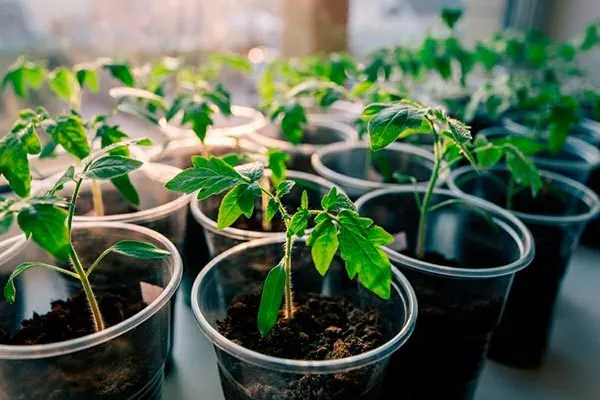
When the plants have developed two strong true leaves, transplant them into individual containers. Before transplanting, feed the seedlings with phosphorus and potassium fertilizers.
During the growing season, fertilize the seedlings 2-3 times using organic and mineral fertilizers. By the time they're ready to be transplanted to their permanent location, the seedlings should be 20-25 cm tall, have 10 bright green leaves, and be well-developed.
Transplanting seedlings into open ground
Transplant the seedlings into the garden beds when warm weather sets in and the threat of frost has passed—usually in the first half of June. Then follow these recommendations:
- Choose a sunny location with well-drained soil. Before planting, dig the soil, add organic fertilizer (humus or compost) and mineral fertilizers, and add ash to improve the soil quality.
- A few days before planting, harden off the seedlings, gradually increasing the time they spend outdoors. This will help them adapt to the outdoor conditions.
- Dig holes 40-50 cm apart. The hole should be slightly deeper than the height of the seedling cup. Plant the seedlings down to the first true leaves.
- Carefully remove the plants from the container, being careful not to damage the roots. Place them in the prepared hole, fill with soil, and compact lightly.
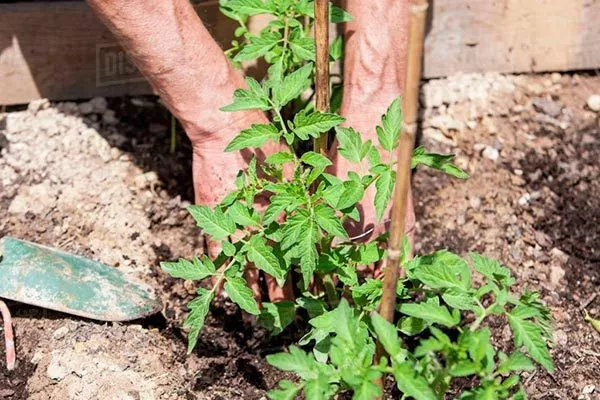
After planting, water the seedlings with warm, settled water.
Growing tomatoes in open ground from seeds
Choose a sunny location with fertile, well-drained soil. Tomatoes don't like standing water, so it's important to ensure good drainage. Follow these guidelines:
- Sow seeds when the soil warms up to +12-15°C and the threat of frost has passed (in the middle zone this is usually the end of May-beginning of June).
- To plant seeds, prepare furrows or small holes 1-2 cm deep, keeping a distance of 30-40 cm between them and 70 cm between rows.
- Place 2-3 seeds in each hole, cover them with soil, and compact them lightly. You can also moisten them slightly.
Once seedlings emerge (usually within 7-10 days), keep only the strongest plants, removing weak and unwanted ones. Maintain a spacing of 30-40 cm between seedlings.
Further care
To achieve bountiful harvests, it's important to follow standard agricultural practices. Generally, caring for the bushes is simple, so even novice gardeners can handle growing the crop.
Irrigation regime
Water the bushes regularly, but not too frequently. Do this 1-2 times a week, depending on weather conditions. On hot days, especially in open ground, increase watering to prevent the plants from suffering from a lack of moisture.
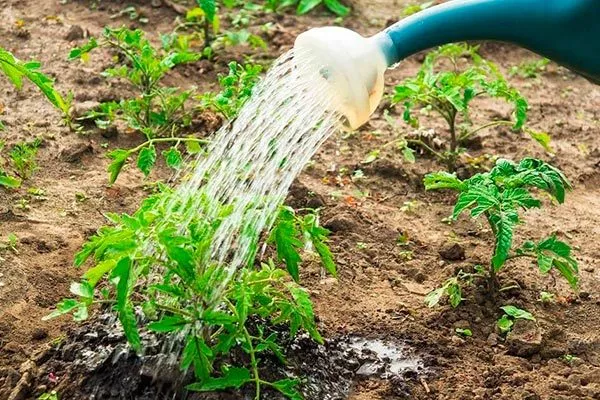
Provide sufficient water to keep the soil moist to a depth of 20-30 cm. Avoid standing water near the roots to prevent rot. Apply water at the roots, avoiding drips on the leaves and stems to prevent fungal diseases. Drip irrigation is ideal.
Loosening and weeding
Loosen the soil around the plants to improve air and moisture permeability in the root system. Loosening the soil helps break up the crust on the soil surface. Do this carefully to avoid damaging the roots, especially near the stems. Perform this procedure after watering, when the soil is soft and moist.
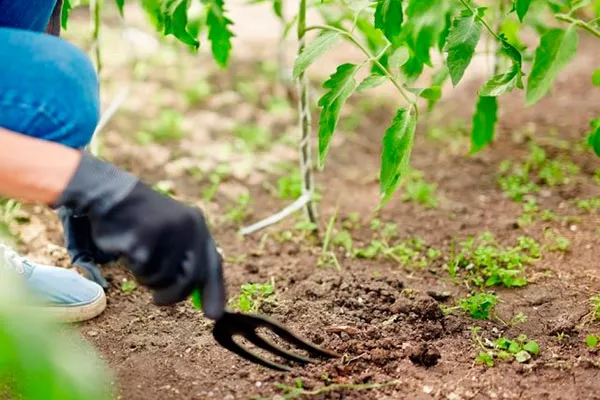
Regular weeding is critical. Weeds drain the nutrients and moisture needed for tomato growth and can become a source of disease. Weed during the early stages of growth and before fruiting, when the bushes begin to thicken.
Top dressing
Two weeks after planting the seedlings in the ground, the plants are actively developing, so it's important to stimulate root and leaf growth. Apply organic fertilizer—an infusion of mullein or chicken manure. This will enrich the soil with nitrogen, essential for plant growth.
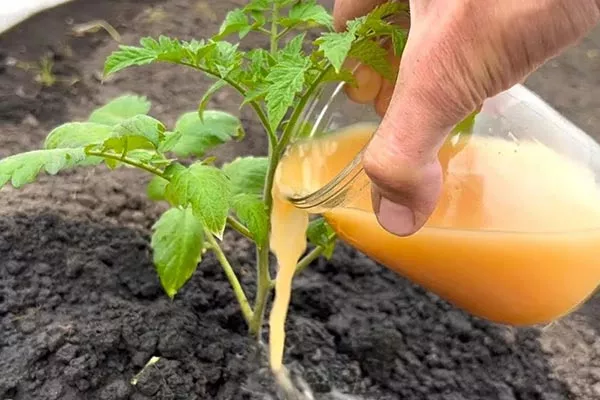
When the bushes begin to form fruit, use additional minerals containing phosphorus and potassium. These promote more vigorous flowering and fruit set. Use superphosphate and potassium supplements.
Fruit harvesting and storage
Pick ripe tomatoes in the morning when temperatures are still cool to minimize skin damage. For long-term storage, pick the tomatoes slightly underripe so they ripen at room temperature.
When storing vegetables at home, choose a cool, dark, well-ventilated place to prevent rotting. Store them in boxes, stacking them in a single layer to prevent them from colliding with each other.
Treatment and prevention of diseases and pests
Despite the Sibirskaya Troika variety's high resistance to diseases, it's important to take a number of preventative measures. The crop may be susceptible to the following problems:
- Late blight. One of the most dangerous diseases. To prevent its development after rains or during temperature fluctuations, spray the bushes with copper sulfate or biological agents, such as Trichodermin. Folk remedies such as a solution of iodine and milk are also effective.
- Powdery mildew. May appear at high temperatures and excessive humidity. To control it, use copper sulfate or specialized fungicides.
- Aphids and whiteflies. Common pests. To control them, use insecticides or folk remedies such as garlic infusion, tobacco dust, or soap solution.
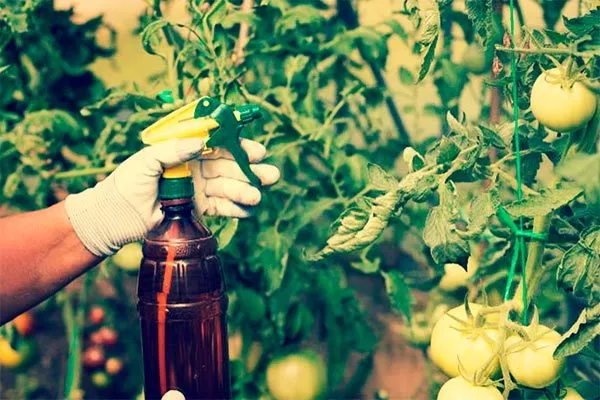
Regularly remove plant debris and inspect your crops for damage. Begin treatment at the early stages of the disease. Calcium sprays will help strengthen your plants and increase their resistance to disease.
Pros and cons
Tomatoes can be grown with minimal care and in a variety of conditions. Here are the main advantages of this variety:
The culture has no disadvantages, which is confirmed by positive reviews from experienced farmers.
Similar varieties
| Name | Ripening period | Disease resistance | Bush type |
|---|---|---|---|
| Parsley the gardener | Early ripening | High | Determinant |
| Pepper-shaped strongman | Early | High | Standard |
| Mamin Sibiryak | Mid-season | High | Determinant |
The Siberian Troika has several analogues with similar characteristics. The following similar varieties are distinguished:
- Parsley the gardener. This early-ripening, determinate variety reaches a height of up to 60 cm. Its pepper-shaped, pink fruits average approximately 180 g in weight. Yields up to 5 kg per bush. It requires no pinching or staking and is highly disease-resistant.
- Pepper-shaped strongmanAn early standard variety characterized by compact bushes reaching 40 cm in height. The tomatoes are pink, weighing approximately 150 g. The yield is 4 kg per square meter. This is an excellent choice for areas with challenging growing conditions.
- Mamin SibiryakA mid-season determinate variety, it reaches a height of 1.2-1.5 m in greenhouses. Pepper-shaped tomatoes are red, weighing up to 170 g. Yields up to 20 kg per square meter. In Siberia, it grows outdoors until frost, but may not fully ripen. It is highly disease-resistant.
This list of varieties is not exhaustive, but the options listed are the most suitable for growing in cold climates.
Reviews
The Siberian Troika is deservedly popular among gardeners due to its excellent taste and low maintenance. It's an excellent choice for growing in open beds and greenhouses, as well as for canning and salads. This variety is characterized by stable yields, shelf life, and disease resistance.