
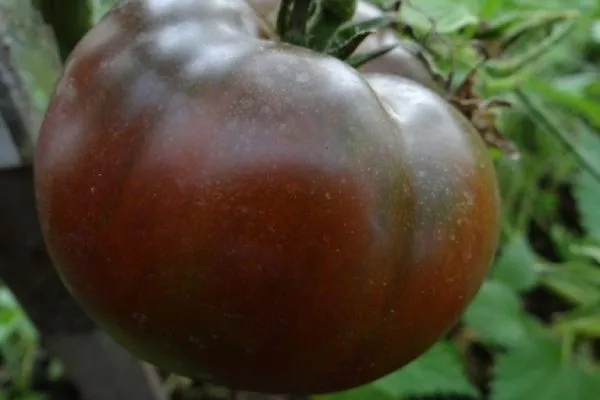
Chocolate is the name of a tomato variety with an unusual color and stunningly sweet flavor. Domestic gardeners have come to love it not only for its interesting fruit appearance but also for its high yields and resistance to diseases, especially blossom-end rot. It is grown both in plastic greenhouses and in open garden beds.
Origin
The Chocolate Tomato is the brainchild of Moscow breeder L.A. Myazina, who holds a Doctor of Agricultural Sciences degree. It was born relatively recently. In 2007, it was added to the Russian Federation State Register.
Where can it be grown?
This tomato variety can be grown almost anywhere, thanks to its well-adapted nature. It thrives and produces fruit in the following regions of the Russian Federation:
- Northern;
- North-West;
- Central;
- Volga-Vyatka;
- Central Black Earth Region;
- North Caucasian;
- Middle Volga;
- Lower Volga;
- Ural;
- West Siberian;
- East Siberian;
- Far Eastern.
What does the bush look like?
Chocolate bushes are medium-sized, semi-determinate, with an intermediate branching pattern. Their height ranges from 1.4 m to 1.8 m. Due to their moderate height, they perform well in both greenhouses and open ground. Their structure allows for space savings in greenhouses.
Plants are characterized by external data:
- low degree of foliage;
- dark green color;
- large sizes of leaf blades.
Although there are few leaves on tomato bushes, they are large enough to protect the fruits from direct sunlight.
Appearance and taste of fruits
Tomatoes of this variety are renowned for their unique appearance and excellent consumer characteristics. They possess the following characteristics:
- large size - 200-400 g (with enhanced agricultural technology, the fruit weight can reach 500 g, but it cannot be kept on the bush for too long due to its tendency to crack);
- rounded shape, slightly flattened at the top;
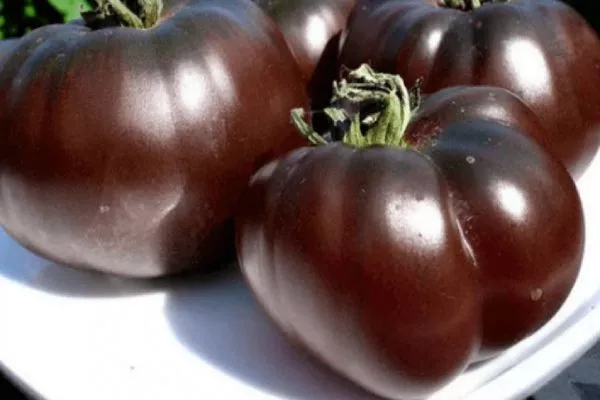
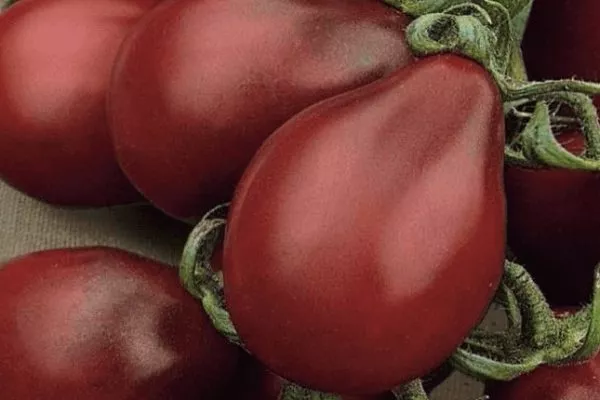
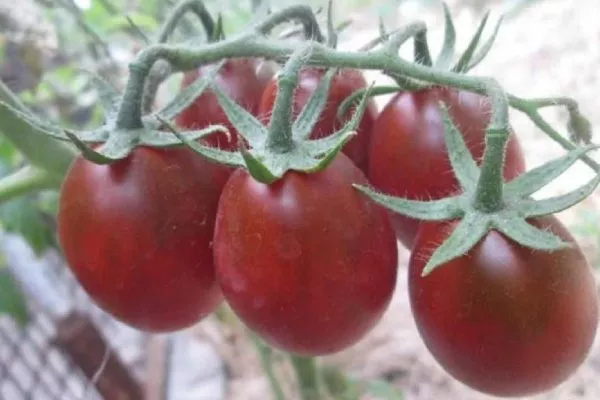
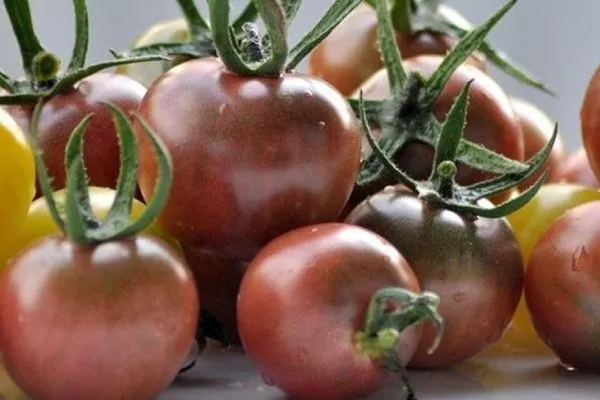
- smooth, glossy skin with an unusual reddish-brown color (as it ripens, its color changes from greenish-yellow to red, and then gradually acquires a chocolate hue);
- number of internal chambers (sockets) - 4 pcs.;
- The flesh is orange-brown in color, has a dense and rather tender texture, juicy and meaty.
- ✓ High content of anthocyanins in fruits.
- ✓ Resistance to blossom-end rot.
- ✓ Unusual chocolate shade of the fruit.
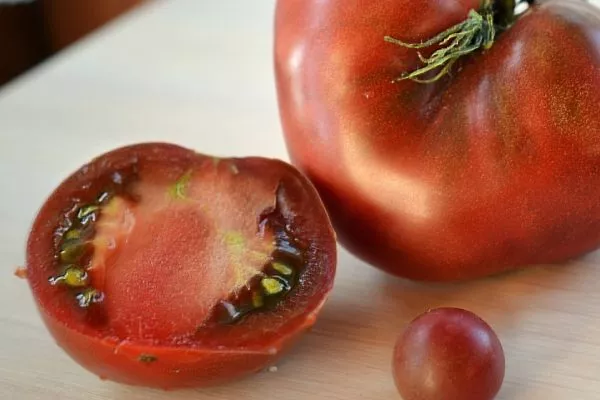
The variety owes its name to the interesting reddish-brown color of its fruits. The chocolate hue is due to a substance called anthocyanin, which is found in large quantities in the pulp and skin.
The taste of this variety of tomatoes will leave no one indifferent. It can easily be called a dessert:
- it is very sweet due to the high sugar content in the pulp;
- has an interesting aftertaste, somewhat reminiscent of a chocolate delicacy for gourmets.
Features of use
The Chocolate tomato harvest is versatile. The sweet, fleshy, and juicy fruits are eaten fresh and added to summer vegetable salads. They are also delicious cooked.
Housewives prepare various dishes from brown tomatoes:
- lecho;
- jam;
- tomato soup;
- casseroles;
- garnish;
- various sauces, ketchup.
They are stuffed with cheese and herbs, baked in the oven with pork or fish, and used as a pizza or pie filling. They are also suitable for canning and freezing for the winter. The fruits are also processed into juice, which has an unusual brown hue.
Please note that this variety does not keep well. Ripe tomatoes should be eaten or cooked as soon as possible after picking. Despite their softness, they hold their shape well. The skin cuts smoothly and neatly.
Ripening time and yield
Chocolate is a mid-early vegetable variety. Its fruits ripen in 95 to 115 days, depending on growing conditions and local climate. The variety is considered high-yielding. Its characteristics are as follows:
- 4.2 kg/sq. m is the minimum amount of tomatoes that gardeners get when growing Chocolate bushes in an open bed;
- 6 kg/sq.m – average yield of the variety;
- 8-12 kg/sq.m is the maximum yield that can be collected with enhanced agricultural practices in a greenhouse (with the application of fertilizers, adherence to the irrigation regime, and proper bush formation).
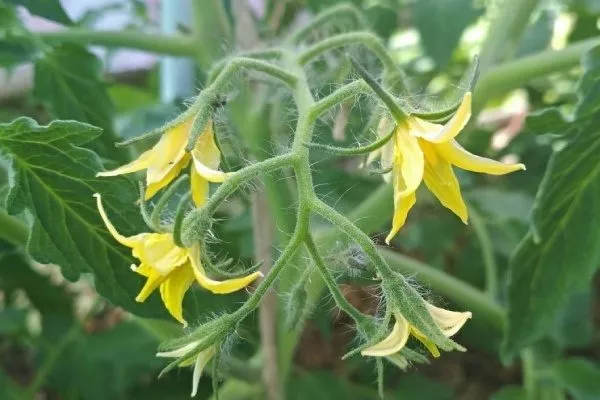
The first inflorescence forms above the eighth leaf. Each cluster on the bush produces an average of 5 tomatoes.
Resistance to adverse weather conditions
This exotic-looking tomato, created by a Moscow breeder, boasts excellent adaptation to the country's harsh climate. It tolerates cool and rainy weather, although it does slow down the ripening process. Under favorable growing conditions, the bushes demonstrate high productivity, and the fruits are extremely sweet.
Similar tomato varieties
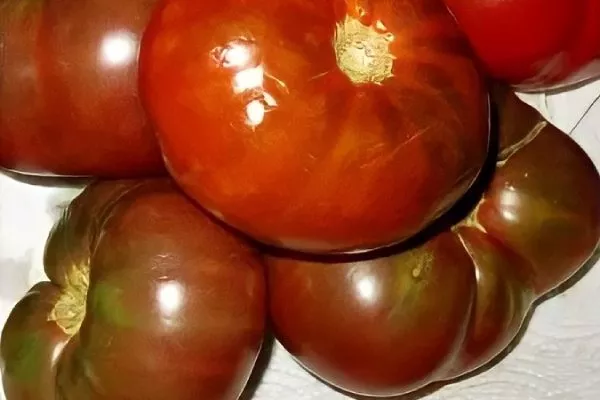
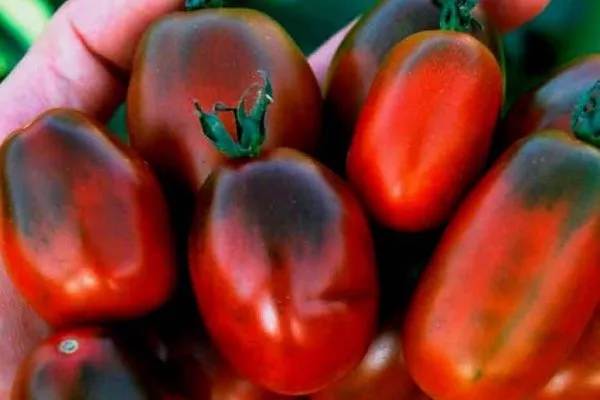
The Chocolate Tomato has many similar varieties that are equally popular with gardeners. They are also distinguished by their unusual dark fruit color. Check out the characteristics of the best brown varieties:
- Chocolate Bunny TomatoThis variety is an early-ripening vegetable. It is grown in greenhouses and open garden plots. The bushes reach a height of 1.8 m.
The fruits are flat-round, firm, and delicious. They weigh 320-350 g. When ripe, they are a rich brown. The yield does not exceed 9 kg per square meter.

- Chocolate Miracle TomatoThis variety is considered mid-season, frost-hardy, and resistant to diseases such as late blight, gray rot, and black rot. It is suitable for both open and closed ground. The height of the bushes does not exceed 1.5 m.
The fruits are round, fleshy, and delicious. Their pulp is predominantly sweet, with a slight tartness. The color of the ripe fruit resembles milk chocolate. They weigh 180-250 g. The yield is 4 kg per bush.
- Tomato Black Moor — a mid-season, all-purpose variety, suitable for cultivation in open beds and under plastic cover. The bushes are indeterminate and require shaping into a single shoot and support.
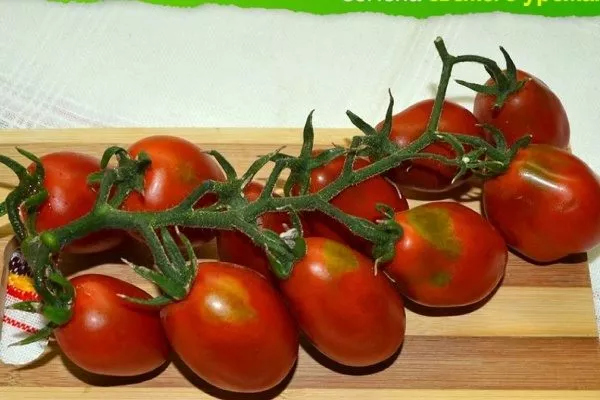
The fruits are ovoid and small (40-45 g). When ripe, they are brown in color and very sweet in taste. Yield: 4.8-5.5 kg per square meter.
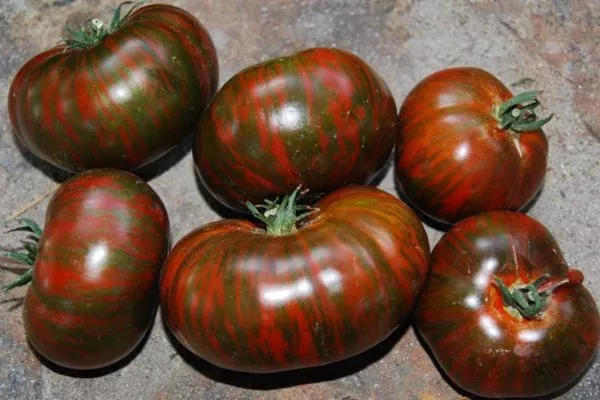
- Striped Chocolate TomatoThis variety belongs to the category of early, large-fruited vegetable crops. It is grown in greenhouses and open garden plots. The bushes are indeterminate.
The fruits are brown with marsh-colored stripes. They weigh 300 g and have a pleasant flavor. The yield is 16.8 kg per square meter. - Tomato Black Prince — a mid-season variety intended for greenhouse cultivation. Its bushes are tall and require shaping and support.
The fruits are flat-round and brownish-purple in color. They weigh 170 g and have good flavor. Yields reach up to 7.1 kg per square meter. - Black Pear TomatoThis is a mid-season variety. Its bushes reach a height of 1.2-1.5 m and require training into two stems.
The fruits are pear-shaped, maroon-brown in color, have excellent flavor, and are small in size. They weigh 50-80 g. Yields reach 10 kg per square meter. - Tomato De Barao black — a late-ripening variety, suitable for growing in the garden and greenhouse. Its bushes are tall and require support.
The fruits are purple-brown in color, ovoid in shape, and have a good flavor. They weigh 60 g. The yield is 8 kg per square meter. - Tomato Black Pearl - A hybrid vegetable variety suitable for cultivation in greenhouses and open gardens. The bushes are indeterminate.
The fruits are purple-brown in color, round in shape, and have a good flavor. They weigh 30-40 g. Yields reach up to 7.3 kg per square meter.
Features of planting and growing the Chocolate tomato variety
Grow a variety of vegetable crop using seedlings. Opt for greenhouse cultivation, which ensures maximum yield and earlier ripening of the fruit. This is especially recommended for northern regions, where summers are cold and short.
- ✓ Check the expiration date of seeds before purchasing.
- ✓ Pay attention to the manufacturer, give preference to proven agricultural firms.
- ✓ Consider the climatic conditions of your region when choosing a variety.
Preparing for growing seedlings
Chocolate tomato seeds require some preparatory work before planting. Follow these steps:
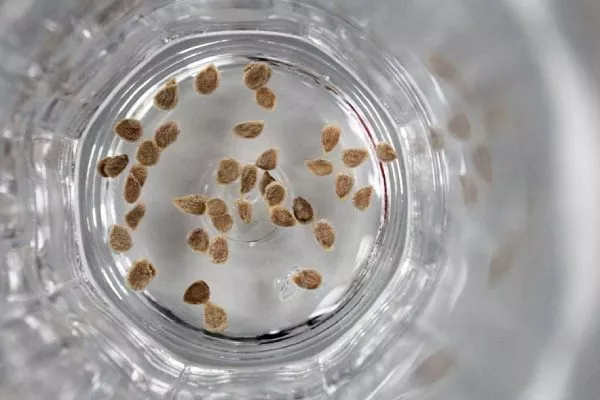
- Rejection of specimens unsuitable for sowingPlace the seeds in water. Collect any that float to the surface. You won't need them. They won't germinate.
- Soak Soak the seeds for several hours in water with vermicompost or another growth stimulant. This will accelerate seed germination and strengthen the plant's immunity.
Hardening and disinfection of this variety's seed material is not required. It has already been treated by the manufacturer.
Seedlings of the variety
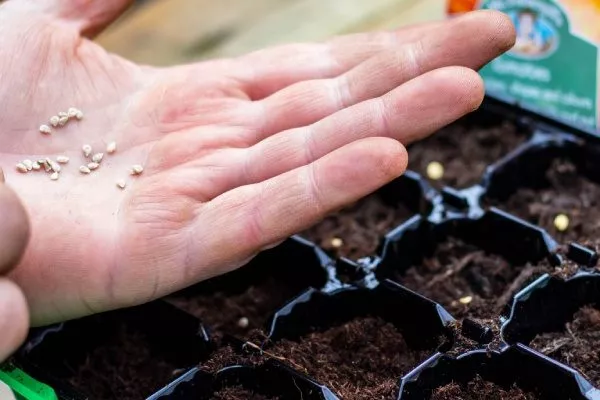
Sow the seeds in a container filled with a suitable growing medium. First, water the soil. Then, make furrows in it (1.5 cm deep). Space the seeds 3 cm apart. Cover them with soil. Cover the seeds with plastic wrap or glass. Place them on a sunny windowsill.
Keep the Chocolate Tomato planting warm at 24-26°C. Once the sprouts emerge, remove the film. Move the container to a cooler location (18-20°C). Provide the plants with plenty of light. Water them moderately with warm water. At 20 days old, transplant them into individual pots.
Soil for seedlings
To grow seedlings, use suitable soil:
- bought at a flower shop (universal substrate for growing seedlings);
- homemade (to obtain it, combine 2 parts of non-acidic peat with 1 part of compost, 1 part of garden soil, and sand taken in the amount of 20% of the total volume of the soil mixture).
If you're making your own potting soil, be sure to disinfect it before sowing: heat it in a frying pan or water it with a potassium permanganate solution. Store-bought potting soil doesn't require this treatment.
Preparing seedlings and soil for planting
When the seedlings reach 50-55 days of age, transfer them to the garden bed. By this time, the plants should have developed at least 6 leaves. Shortly before transplanting, harden them off:
- Take them out into the fresh air every day;
- gradually increase the time the seedlings spend outdoors;
- On her last night, let her spend the night outside the house, covering her with plastic wrap.
The garden soil also requires pre-planting preparation. Chocolate tomatoes grow and produce well in loose, nutrient-rich soil with a neutral pH. Before transplanting the seedlings to the garden bed, carry out the following steps:
- dig up the area;
- add humus (it is acceptable to enrich the soil with a mineral composition rich in phosphorus, potassium and nitrogen);
- add sand if the soil in your garden is heavy;
- Add chalk, ash or dolomite flour if the soil acidity is high.

Planting Chocolate Tomato in the Soil
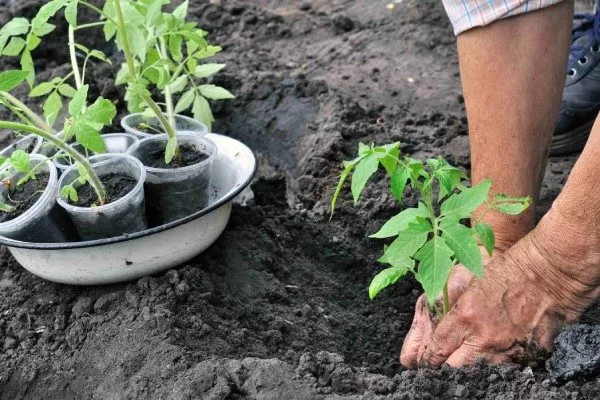
Transplant the Chocolate seedlings to the garden in late May. The soil should already be warm to 16°C. Choose a warm, but not sunny, day for planting.
Plant tomato bushes according to the following scheme:
- the distance between plants is 40-50 cm;
- row spacing is 70-80 cm.
Place no more than three seedlings per square meter of garden space. Vegetables don't tolerate close proximity. If you neglect this rule, they won't receive enough nutrition for normal development and abundant fruiting.
Further care of tomatoes
To ensure a bountiful harvest of Chocolate tomatoes, carefully care for them. Pay particular attention to watering and fertilizing. These care factors affect not only the productivity of the plants but also their health.
Watering
Water your tomato planting according to the following rules:
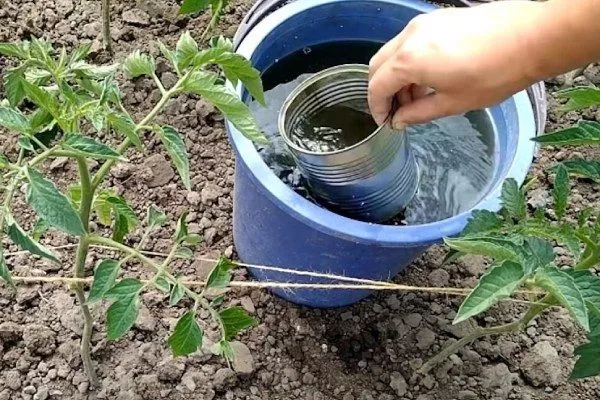
- Use warm, settled water to moisten the soil under tomato bushes (using cold water increases the risk of developing fungal infections);
- water the bed in the morning or evening;
- saturate the soil under the plants to a depth of 40 cm;
- determine the frequency of watering taking into account the air temperature and the age of the bushes (on average, water the Chocolate tomato 2-3 times every 7 days);
- start watering after the top layer of soil has dried out;
- do not waterlog the tomato bed to prevent the plants from getting sick;
- Do not over-water, as over-watering of the soil will cause the fruits to grow watery and tasteless;
- After watering, be sure to loosen the surface of the soil (do this carefully, avoiding damage to the root system of the tomatoes).
Top dressing
The key to a bountiful harvest of high-quality tomatoes is an abundance of nutrients in the soil where the plants grow. If you planted Chocolate seedlings in poor soil, apply fertilizer 3-4 times during the season. Follow the schedule:
- First time Fertilize the seedlings 15-20 days after transplanting them to the garden. Water them with ammonium nitrate dissolved in water (20 g per 10 liters). Use 0.5 liters of the nutrient solution per plant. Use it after watering the garden bed.
- Second time Fertilize the plants 20-25 days after the first feeding. Use the same fertilizer. It's acceptable to supplement with superphosphate.
- Third time Fertilize the tomatoes 20-25 days after the second application of fertilizer. Use a 1:10 superphosphate solution, left to infuse for 24 hours, or potassium monophosphate (5 g per 10 l).

Pinching out stepsons
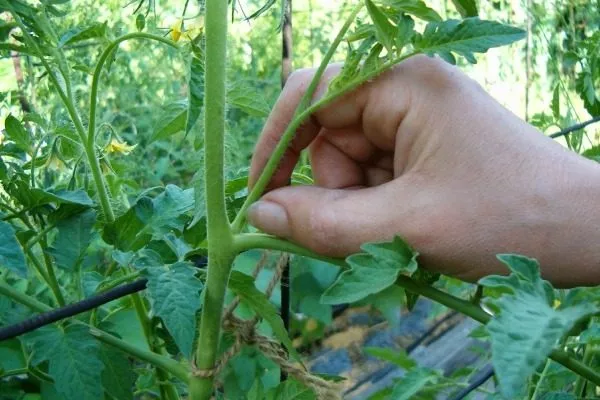
Chocolate tomatoes tend to form additional shoots, which thicken the plant. If these are not removed, this will negatively impact the yield of the vegetable.
Experienced gardeners train varietal plants into three shoots. This variety handles this load well. The remaining side shoots are promptly removed (by hand or with scissors). Lower branches are removed as they grow to prevent them from robbing the plant of nutrients.
Mulching
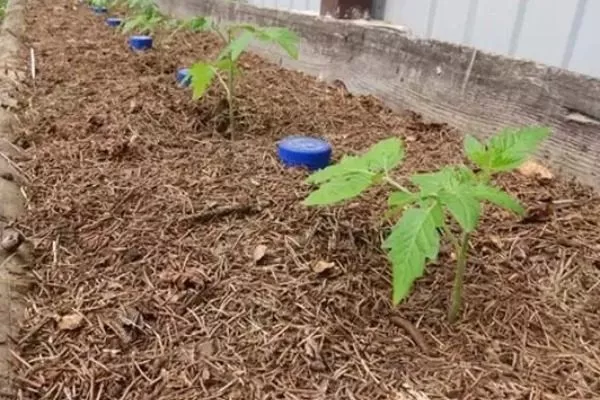
Using mulch in a tomato bed is an effective agricultural technique aimed at increasing the yield of the plants. Cover the soil under the Chocolate plants with agrofibre or organic materials:
- peat;
- sawdust.
The mulch layer should be at least 15 cm thick. Its use eliminates the need for frequent watering and weeding of the tomato bed.
Weeding
Remove weeds from the garden bed at least once every 7 days. Do this before watering. Pull out harmful plants carefully to avoid damaging the roots of the tomato plants. Weeding will loosen the soil and increase oxygenation, which will positively impact the productivity of the crop.
Harvesting and use of the crop
Harvest the fruits as they ripen (approximately every 3-5 days). Avoid overripening them, as the Chocolate tomato is prone to cracking when overripe. Follow these vegetable harvesting guidelines:
- pick fruits in dry weather;
- start collecting them in the morning;
- cut the tomatoes with scissors along with the stem, being careful not to damage their skin;
- Sort the harvested crop immediately, setting aside damaged specimens (they will need to be processed as quickly as possible).
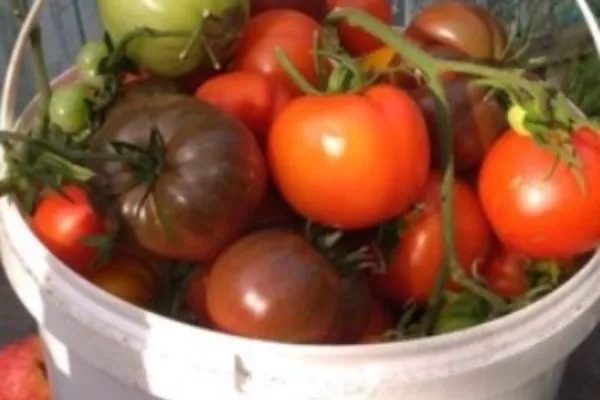
Use the harvest for fresh consumption, juice, and various dishes. Due to its large size and thin skin, it's especially good for canning for the winter. The fruits often crack when preserved whole. However, they make delicious lecho and adjika.
Diseases and pests
The variety's main advantage is its resistance to the main infections that affect nightshade crops. Chocolate tomato plants are particularly resistant to blossom-end and root rot. Under unfavorable growing conditions, they can be affected by late blight, which, like other diseases, requires prevention.
Tomato crops aren't particularly resistant to pest attacks. They are threatened by cotton bollworms, spider mites, aphids, Colorado potato beetles, and other pests that affect all vegetable crops.
Take preventative measures to maintain the health of your Chocolate bushes and protect them from pests:
- regularly inspect the planting to detect the first signs of plant diseases and the presence of parasites;
- Apply Ridomil Gold at the stage of rapid bush growth and development of green mass to prevent bushes from being affected by late blight (4 treatments will be required);
- use Revus or Quadris for preventative spraying of plantings to prevent them from being affected by alternaria;
- Water your plants properly to avoid rot;
- loosen the soil in the garden bed;
- Weed regularly and remove plant debris from the area;
- Feed your tomatoes (a lack of nutrients in the soil not only reduces yields, but also weakens the plant's immunity and makes them more susceptible to disease);
- do not allow the planting to become too dense;
- observe crop rotation on the plot;
- Take timely measures to destroy pests (use insecticides such as Aktara, Vermitek, Lirum).

Advantages and disadvantages of the variety
The Chocolate tomato variety has many advantages that make it popular among domestic gardeners:
Vegetable growers highlight the following disadvantages:
Farmers' reviews
Chocolate is an excellent variety of sweet brown tomatoes, beloved by domestic gardeners for its large, high-quality yields, robust vines, and ability to be grown both indoors and outdoors. Its fruits are often eaten fresh, but they are also used for processing and culinary delights.