
Shapka Monomakh is a popular variety that attracts attention with its plump, sweet tomatoes. They are ideal for processing and offer a rich flavor and pleasant aroma. The plants have a strong immune system and are resilient to variable climate conditions. They show good productivity with proper agricultural practices.
Description of the bush and fruits
The variety was developed by Ugarova S. V., Dederko V. N. and Postnikova T. N. In 2007 it was officially approved for use.
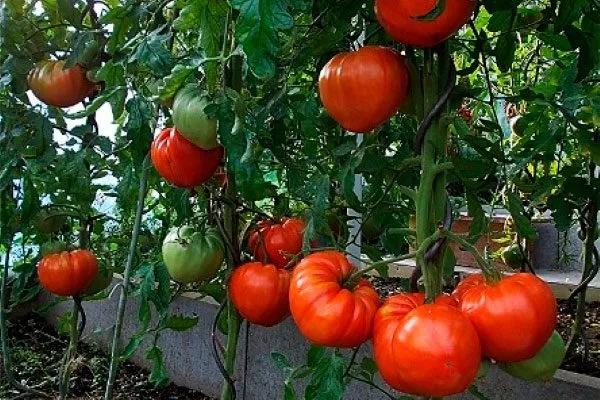
Distinguishing characteristics:
- It forms a vigorous, determinate bush, reaching a height of 90-130 cm, after which it stops growing. During this period, it produces 5-6 clusters, each containing several fruits.
- The main stem is strong, the foliage is moderate, and the compact plant requires support due to the massive clusters of vegetables.
- The leaves are large, bright green, and have a shape typical of tomatoes.
- The tomatoes are large. The largest specimens can weigh up to 1 kg, and even the last fruits on the bush rarely weigh less than 250 g.
Ripe vegetables acquire a rich dark crimson color, with fleshy and dense pulp, practically without voids.
Key characteristics of the variety
The Shapka Monomakh tomato is a high-yielding variety successfully grown in various regions of the country. Its many advantages have earned it widespread popularity among vegetable growers.
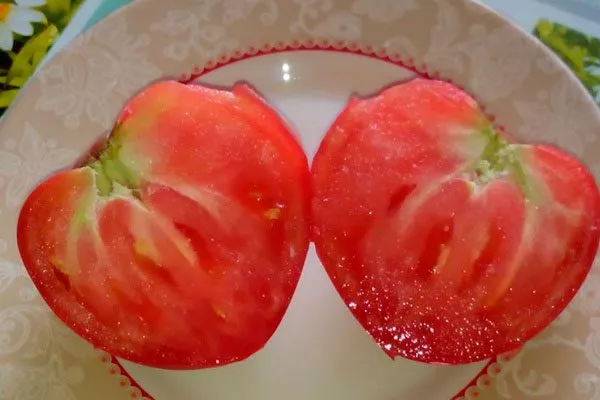
This is due to the following features:
- Taste and area of use of tomatoes. Ripe vegetables are ideal for eating fresh thanks to their rich aroma and distinct flavor. They make a wonderful addition to salads, and their sweet flesh makes them ideal for sauces, soups, and winter preserves.
Because of their large size, whole tomatoes are difficult to preserve. However, they are perfect for pickling and barrel fermentation. - Ripening, fruiting and productivity. Shapka Monomakh is a mid-season variety. The fruits reach full maturity in 90-110 days, and the harvest can be done from July to August. This variety is characterized by high yields.
With proper care, you can harvest up to 7.1 kg of tomatoes from 1 square meter of planting, and one bush can produce 6 to 8 kg of high-quality fruit. - Resistance to adverse weather conditions. The plants are not affected by temperature fluctuations and successfully tolerate frosts and short periods of drought.
The crop was originally bred for cultivation in Siberia and regions with cold climates, but is also well suited for warmer areas.
How to grow seedlings?
Seeds are sown two months before transplanting the seedlings into the ground. Growing seedlings is a responsible process that requires attention, but even a beginner can handle it.
Seed preparation
Since Shapka Monomakh is a cultivar rather than a hybrid, you can harvest the seeds yourself, but careful preparation and processing of the seeds is essential before planting. Follow these steps:
- Place the seeds in the salt solution. Viable seeds will sink to the bottom within 20 minutes. Discard any that float to the surface.
- If the seeds were stored at room temperature, stratify them. Place them in a paper envelope and refrigerate for 3-7 days.
- Leave the seeds at room temperature to warm up, then place them on a hot radiator for several hours.
- Pour a pink solution of potassium permanganate or a biofungicide (for example, Baktofit or Fitoverm), prepared according to the instructions, onto the seeds.
- ✓ The optimal soil temperature for sowing seeds should not be below +12°C.
- ✓ The distance between rows when planting should be at least 70 cm to ensure sufficient ventilation.
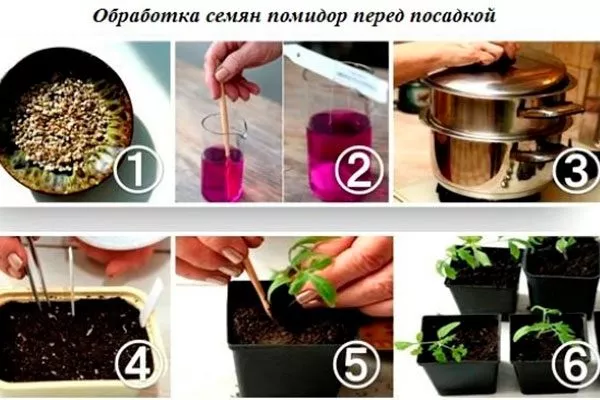
If you're unsure when to harvest the seeds, soak them overnight in a solution of a stimulant (Epin, Zircon). After they've swelled, gently dry them until they're free-flowing to make sowing easier.
Container and soil
Prepare a container for sowing seeds in advance. As a preventative measure, treat it with a dark solution of potassium permanganate and make small drainage holes in the bottom to allow excess moisture to drain. You can place the seeds in a shared wooden box or in individual plastic or peat cups.
Prepare the ground:
- Mix garden soil and peat in equal proportions.
- Add washed river sand to the mixture to improve looseness and a little wood ash.
- Steam the soil in the oven for 10 minutes at 50°C to disinfect.
After processing, spread the soil into prepared containers.
Sowing
Plant the seeds 1.5 cm deep in loose, moist soil. Space them at least 3 cm apart in shared seedling trays. Cover the seedlings with a layer of crushed peat several millimeters thick and mist the surface with a spray bottle.
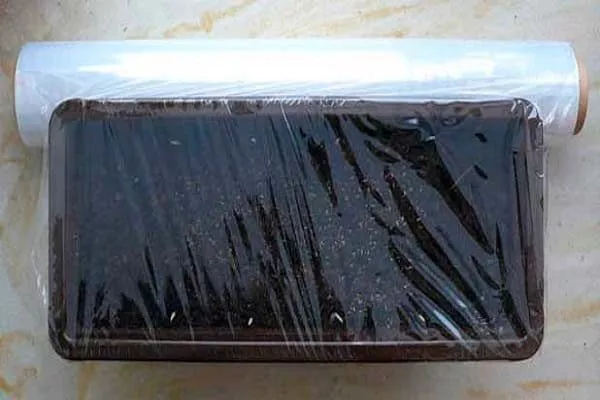
Conditions for rapid germination of grains:
- Cover the containers with plastic film, creating a greenhouse. Ventilate the seedlings daily by opening the container for 30-40 minutes.
- Until sprouts appear, seedling trays should be kept in a room with a temperature of at least +20°C. The optimal temperature for germination is +25°C.
- Spray the soil only when the top layer dries out. Watering is not necessary until condensation forms on the greenhouse film.
Once the seeds have sprouted en masse (usually after 10 days), remove the cover.
Caring for seedlings
Monomakh's Cap is a robust and resilient plant that performs well for both experienced and novice gardeners. Seedlings emerge uniformly, and the first true leaves emerge quickly.
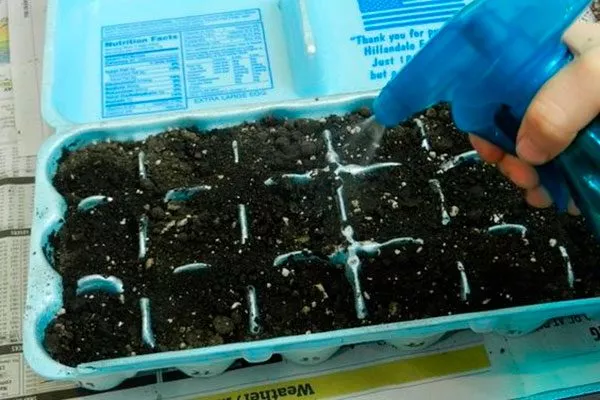
Care for seedlings must be done properly. Follow these guidelines:
- Daylight hours should be at least 12 hours per day.
- Be sure to turn off the backlight at night.
- The optimal temperature for seedlings is +16…+18°C.
- Water the seedlings only with warm, settled water.
Prick out the seedlings after three true leaves appear. Thin out the seedlings grown in shared containers, and transplant any excess plants into individual cups. Fertilize 10 days after pricking out, using a nitrogen-rich mineral fertilizer.
Transfer
The seedlings will be ready for transplanting into the ground 60-65 days after germination. If the first flowers appear on the bushes and the weather doesn't allow planting in the garden, carefully remove the buds.
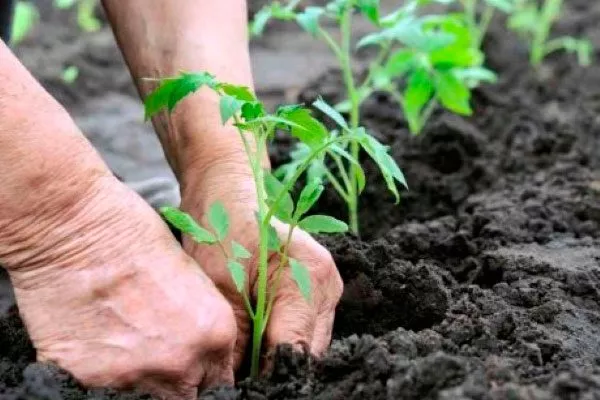
Start hardening off the seedlings 15 days before the planned planting. To do this:
- Start ventilating the room frequently.
- Gradually move the tomatoes outdoors.
- Increase the amount of time the plants spend outdoors gradually, so that before planting they are outdoors 24 hours a day.
Sequence of work during planting:
- The optimal planting pattern is no more than 4 bushes per 1 sq. m.
- Dig holes in the garden bed at intervals of 40-50 cm. The best yield is achieved with sparse planting.
- Moisten the planting areas well with warm water.
- Place the seedlings a little deeper than they grew in the boxes.
- Add missing soil and water again.
- After the moisture has been absorbed, fill the settled areas with soil.
To root Shapka Monomakh tomato plants, mulch the beds immediately after planting. Grass clippings, hay, or coarse sawdust placed under the bushes in a layer of about 3 cm creates an optimal microclimate for the roots.
Aftercare of tomatoes
Proper crop care involves a number of agricultural practices, which determine the variety's future yield.
Spraying and watering
Provide the bushes with regular but moderate moisture, but avoid overwatering. If there is natural precipitation, stop watering.
Helpful tips:
- In hot and dry weather, water deeply 1-2 times a week.
- Frequent surface watering can harm the plant.
- The depth of soil wetting should be at least 0.5 m.
- Pay special attention during the fruit ripening and maturation period to prevent cracking from excess moisture. Once the fruit turns a bright crimson color, stop watering.
Loosen the soil after watering and mulch it. These measures help maintain optimal moisture for up to 7 days.
Top dressing
After planting, fertilize the seedlings only after they have established themselves and are actively growing. Three to four applications of a complete nightshade fertilizer per season are sufficient.
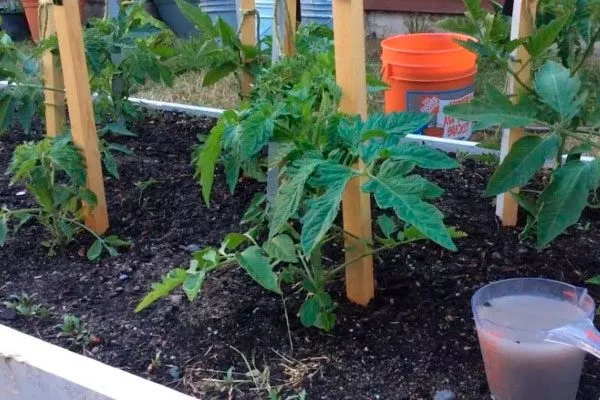
- The first feeding is 10 days after planting the seedlings in the ground using complex mineral fertilizer.
- The second feeding is during the flowering period with an emphasis on phosphorus-potassium fertilizers.
- The third feeding during fruiting using potassium nitrate to improve the quality of the fruit.
Follow these tips:
- Avoid nitrogen fertilizers, as they stimulate foliar growth but negatively impact fruiting. Excessive nitrogen can lead to nitrate accumulation in tomatoes.
- Add organic fertilizers (manure or chicken manure) to the soil when preparing the beds, preferably in the fall, to allow nitrogen and harmful substances to evaporate. Areas where manure has been regularly added require deacidification before planting.
Shaping, tying, pinching
Plant Shapka Monomakh (Monomakh's Cap) bushes in two stems, which ensures an optimal balance between yield, early maturity, and vegetable quality. Follow these recommendations:
- In regions where the last fruits don't have time to ripen before frost sets in, pinch the plants after the third cluster forms. This promotes accelerated ripening and larger fruit. Remove the top of the stem, leaving a few leaves above the last cluster.
- Immediately after the first tomatoes ripen, pluck the lower leaves. Remove 1-2 leaves each time you harvest each ripe fruit.
- Thinning the ovaries helps produce larger fruits. Leave no more than two ovaries in each cluster. If three ovaries remain in a bunch, the fruits will be uniform in size on all shoots and have a neat shape.
- The bush is quite sturdy and not too tall, but to prevent shoots from falling and trunks from being damaged by large tomatoes, it's recommended to tie them to a trellis. Secure each large bunch individually for better stability.
Monomakh's Cap has a moderate growth rate of side shoots. Remove them from the leaf axils no more than once every two weeks. When pinching or pruning excess growth, leave stumps at least 1 cm long to slow the growth of lateral shoots.
Peculiarities of care and possible difficulties
Monomakh's Cap requires staking, as the stem and fruiting branches cannot support the weight of ripe tomatoes. When replanting, install a wooden or metal support next to each plant and secure the stem to it immediately. This will ensure a strong, even support, preventing damage from wind and precipitation.
As the fruiting branches grow, tie them to the support, as they may become too heavy due to the weight of the tomatoes. Regularly pinch off the side shoots to prevent them from developing lateral shoots. Leave only one side shoot—the one located under the first flower cluster.
The nuances of growing in open ground and in a greenhouse
Grow Monomakh's Cap in protected conditions; greenhouse cultivation may yield significantly less, although the flavor remains excellent. Important points:
- When growing in greenhouses, avoid dense plantings by regularly removing excess lateral shoots and lower leaves.
- Over-stocking can encourage fungal diseases and create breeding grounds for pests that may be difficult to spot.
- Ventilate the greenhouse daily to prevent high temperatures and humidity, which encourage spider mites. A fresh air supply helps kill the pest.
To promote larger tomatoes, leave no more than 2-3 ovaries on the fruiting branch. This allows nutrients to be directed solely to their development, which promotes larger tomatoes.
Fruit harvesting and storage
When harvested in a timely manner, tomatoes will delight you with excellent taste and attractive appearance. Furthermore, removing ripe fruits from the bush promotes accelerated ripening of the remaining tomatoes.
Thanks to their balanced sugar and acid balance, these vegetables are versatile in cooking. They're not ideal for whole-fruit canning. Their tough skin allows for long-term storage and transport over long distances.
Treatment and prevention of diseases and pests
The crop has strong immunity to infections, making it popular among gardeners across the country. This variety is less susceptible to diseases such as tobacco mosaic and late blight than others.
The Monomakh's Cap also shows good resistance to other infections:
- root and apical rot;
- powdery mildew;
- Verticillium wilt.
To prevent diseases, especially in early August or when infections appear in neighboring beds, spray the bushes with a solution of Topaz or Fundazol.
Recommendations for preventing infections:
- Treat young seedlings with Bordeaux mixture to prevent fungal diseases and repel insects.
- Avoid sprinkling tomatoes to avoid excessive humidity, which can promote the development of fungal infections.
- After prolonged rains or during cloudy seasons, use herbal preparations based on beneficial bacteria.
- Disinfect all planting containers, soil and seeds before planting.
- Do not plant bushes after other nightshade crops, zucchini, beans and carrots.
- To control pests, dust plants and soil with wood ash.
- Eliminate any parasites that appear with ammonia solutions, celandine infusion, or soapy water. Stop all treatments, including folk remedies, a week before harvest.
By following these recommendations, you can significantly reduce the risk of disease and improve productivity.
Pros and cons
Before growing an unknown variety, it's important to carefully study its characteristics and features. The Shapka Monomakh tomato has a number of undeniable advantages:
Among the disadvantages of this variety, gardeners note the need for regular pinching, shaping and tying.
Reviews
Monomakh's Cap combines excellent taste, high yield, and ease of care. This variety is ideal for both open-field and greenhouse cultivation. Its fleshy, richly flavored fruits are a wonderful addition to any table, and using them in preserves and fresh dishes is a true pleasure. Proper care is key.