
Severnye is a mid-season tomato variety well known to gardeners in Siberia and the northwestern regions of Russia. It is frost-hardy, perfectly adapted to cultivation in harsh weather conditions, and produces a bountiful harvest of large, tasty fruits. It is grown in greenhouses, and in areas with milder climates, in open garden plots.
Description of the plant and fruits
This tomato variety, zoned for the northern part of the country, is characterized by tall, well-developed bushes. Their external characteristics are as follows:
- height - 1.8-2 m when grown in greenhouses, up to 1.5 m when grown in open ground;
- strong stems;
- moderate foliage;
- Foliage: small in size, green, typical for vegetable crops in shape.
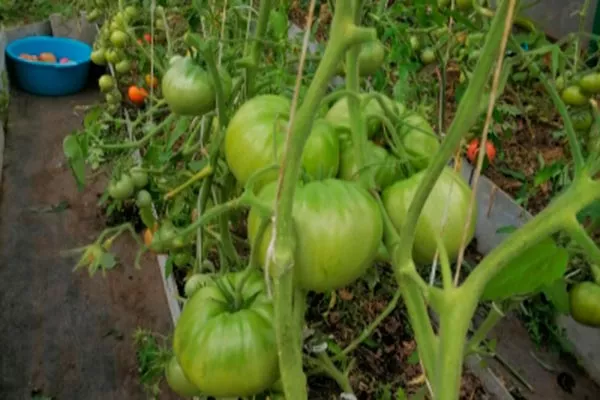
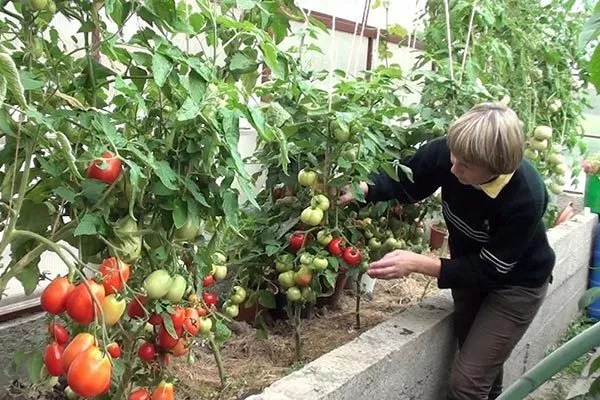
Indeterminate Northern tomatoes are generative. They devote all their energy to fruiting rather than foliage. They are distinguished by their high fruit set. They produce so many tomatoes that they create a risk of shoot breakage under their considerable weight.
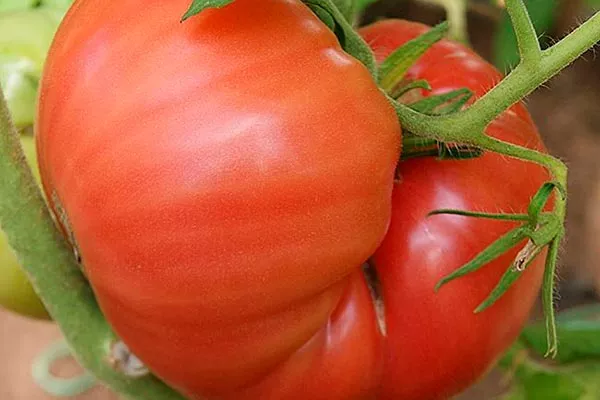
Tomatoes grown in the harsh Siberian climate are quite large and attractive. They possess the following characteristics:
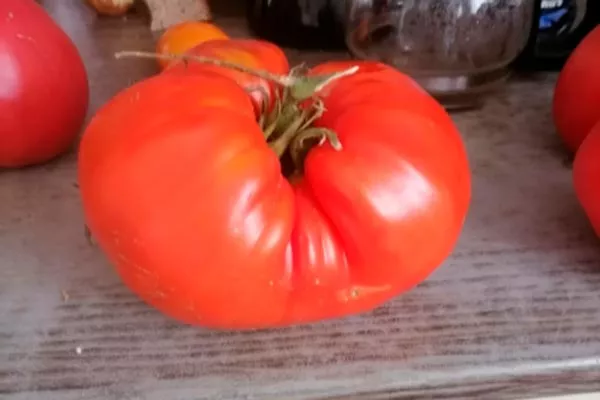
- flat-round shape (in the general mass of the harvest, tomatoes that have the shape of a boat or heart are often found);
- slightly pronounced ribbing;
- weight - from 400 g to 600 g, sometimes up to 800 g (small tomatoes do not grow on the bushes of the northern variety, only large or giant fruits);
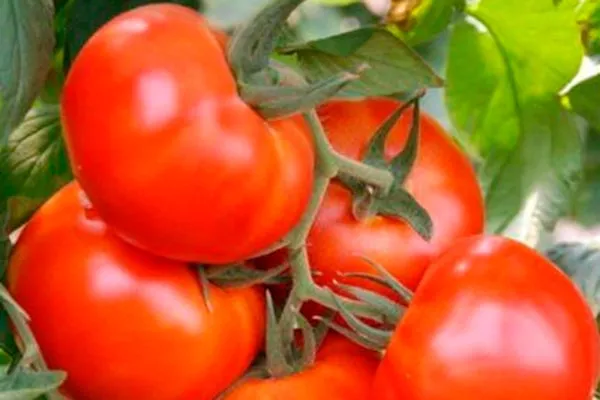
- red skin with a pinkish tint, which has a glossy finish;
- fleshy pulp, dense, but not coarse or tough, moderately juicy, aromatic.
Northern fruits are not only large but also delicious. Their fleshy pulp delights the eater with its sweetness. They are excellent for fresh consumption, ketchup and sauce, tomato paste, and various dishes and appetizers. They also make excellent canned preserves for the winter, such as lecho and adjika.
Characteristics of the variety
This vegetable variety is classified as a mid-season cultivar or hybrid. Its fruits ripen within 90-100 days after germination. It is also distinguished by its consistently high bush productivity. It is considered a high-yielding variety.
In addition to large fruit size, high yield and mid-season maturity, the Siberian variety's characteristics include:
- endurance (the bushes can withstand extreme growing conditions, such as temperature fluctuations and nighttime cold snaps);
- undemanding to care;
- strong immunity (plants of this variety are not susceptible to many nightshade diseases).
Planting and care features
Gardeners grow the Northern Gardeners tomato variety from seedlings, which are then transplanted into a greenhouse or open garden bed. They sow the seeds to obtain seedlings 6-8 weeks before transplanting them to their permanent location.
Preparation
To grow tomato seedlings, they use a universal substrate purchased at a flower shop or a homemade potting mix. For the latter, they use the following ingredients:
- peat - 7 parts;
- sawdust - 1 part;
- garden soil - 1 part.
If you didn't buy the soil for northern tomato seedlings from a store, but made it yourself, disinfect it before sowing. Water it with a potassium permanganate solution or bake it in the oven. This will kill any pest larvae and pathogens present.
Prepare suitable containers for growing Northern tomato seedlings:
- planting boxes made of wood or plastic with drainage holes in the bottom (their walls are 10 cm high);
- individual cups or peat pots (you can sow seeds directly in them or use the containers for transplanting seedlings).
The subtleties of sowing
Sow Siberian tomato seeds following these step-by-step instructions:
- Fill the planting container with nutrient substrate and moisten it thoroughly.
- Make furrows or small holes in the soil, 1-2 cm deep.
- Place the seeds in furrows/holes, maintaining a 2-3 cm spacing between them.
- Water the planting again. Use a spray bottle.
- Cover the seed tray with cling film. Leave it in a warm place (25°C) until the sprouts emerge.
- ✓ Optimum soil temperature for seed germination: +25°С.
- ✓ The need for additional illumination of seedlings in conditions of short daylight hours: at least 12 hours of light per day.
Seedlings will appear 4-7 days after sowing. Once they emerge en masse, move them to a room with a temperature of 18-20°C. Leave the tomato planting on a sunny windowsill. Water it moderately and provide supplemental lighting. When the seedlings develop their first pair of true leaves, fertilize them.
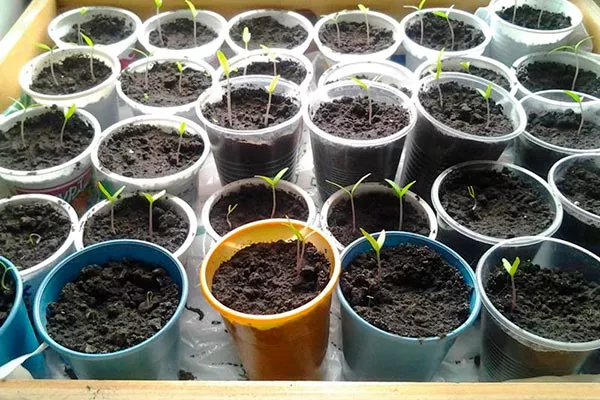
If you're growing seedlings in a common container, transplant them into individual containers after the plants develop their first true leaf. Do this after watering, using a stick or toothpick. When transplanting, pinch off a third of the seedling roots. Plant the seedlings deep enough to reach the cotyledons.
Transfer
Transplant tomato seedlings into the garden under the following conditions:
- their growth will be 18-28 cm, the stem will be thick, and at least 7-8 true leaves will form on the plant itself and the first flower brush will bloom;
- the threat of recurrent frosts will pass (if you plan to move the seedlings to an open bed): in April - for the southern regions, in May - for the Volga region, in June - for the rest of the Russian Federation;
- May will come (if you are planning to transplant tomatoes into a greenhouse, in the southern regions this is done earlier - in March);
- the soil in the greenhouse will warm up to +10°C, in the open garden bed – up to +15°C.
To successfully grow Northern tomatoes, create a favorable environment. If you plan to grow them in a greenhouse, replenish the topsoil. Maintain an indoor temperature of 17-19°C during the day (12-14°C at night) and a humidity of 60-70%. Ensure good ventilation.
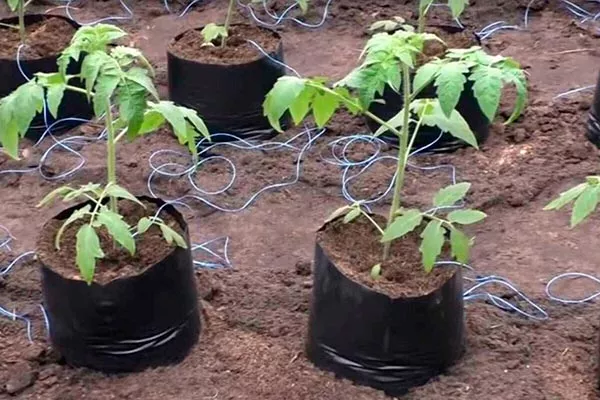
If you plan to transplant tomato seedlings to an open area in your garden, choose a sunny, windless spot protected from drafts. In the fall, dig the soil over and apply fertilizer:
- compost or humus - up to 10 liters per 1 sq. m;
- Superphosphate - 30-34 g per 1 sq. m;
- potassium sulfate - 20 g per 1 sq. m.
Remember to follow crop rotation rules in your garden if you want your Siberian tomato plants to remain disease-free and produce abundant fruit. The best garden crops to plant beforehand are:
- all types of cabbage;
- cucumbers;
- peas;
- beans;
- zucchini;
- corn;
- green manure plants (rye, winter wheat).
Avoid planting tomato seedlings where you grew peppers, eggplants, potatoes, or physalis last season. They also shouldn't be planted next to a Northern tomato planting. Otherwise, there's a high risk of cross-contamination with fungal and viral infections.
When transplanting seedlings of the Siberian variety, follow the scheme:
- the distance between bushes is 40-45 cm (in a greenhouse), 80 cm (in open ground);
- the width between rows is 100–120 cm (under cover and in open-air garden areas).
Don't forget to add 0.5 liters of humus or compost, 15 g of superphosphate, 10 g of potassium sulfate, 5 g of urea, and a handful of wood ash to the planting holes. Applying nutrients is especially necessary at this stage if you're transplanting tomato seedlings into poor soil that hasn't been fertilized since the fall.
Further care
Provide your tomato plants with proper care, which includes the following mandatory procedures:
- WateringWater the bed 1-2 times a week. Moisten the soil beneath the tomatoes to a depth of 3-5 cm. Use only warm, settled water. Avoid waterlogging and do not allow the soil to dry out for extended periods.
- LooseningGently loosen the soil between the rows the day after watering or rain to prevent a hard crust from forming. This will ensure better oxygen and nutrient access to the tomato plant roots.
- WeedingRemove weeds that inhibit crop growth. Perform these actions as they appear.
- MulchingTo reduce the amount of watering and weeding, cover the beds with a layer of organic matter.
- Top dressingFertilize your Northern tomato plants 3-4 times per season. Water them for the first time with a solution of mullein (1:10) or bird droppings (1:20) 10-12 days after planting. At this point, the first cluster of flowers should be blooming.
At the time of fruit setting, carry out a second feeding using complex mineral fertilizers rich in potassium and phosphorus.
Time the third application of fertilizer to coincide with the first tomato harvest. Apply mineral fertilizers again. - GarterThis procedure is essential for tall Northern bushes. It will prevent the main stem and shoots, laden with numerous heavy fruits, from breaking.
- Formation of bushes. Grow plants of the same variety in 1-2 stems to ensure their maximum productivity.
- Treatment against diseases and pestsThe Northern tomato was bred by breeders to be resistant to many vegetable diseases and pests.
During unfavorable seasons, if care is inadequate, blossom-end rot can affect the bushes. Treatments such as Tattu, Ridomil Gold, and Aliette can help prevent this problem.
Insecticides such as Confidor, Aktovit, and Fitoverm will help you protect tomato plants from aphids, cutworms, and Colorado potato beetles.
Reviews
Severnye is a mid-season, large, heart-shaped tomato variety popular in Siberia. It is beloved by local gardeners for its abundant harvests, robust vines, cold resistance, and hardiness, as well as its suitability for both open and closed cultivation. Its fruits are eaten fresh, used in sauces, and canned goods.