
The Sergeant Pepper tomato variety has gained popularity due to its high productivity, excellent flavor, and disease resistance. It is ideal for both greenhouses and open ground, providing a consistent harvest with proper care.
History of selection
Developed by Jason Hines in Virginia, USA, it is based on two varieties: the German Red Strawberry tomato and the black-fruited OSU Blue. It is not a hybrid, but an open-pollinated variety, allowing you to save seeds for growing next season.
Description of the plant
An indeterminate variety, reaching a height of approximately 2 m. To control growth, the top of the plant is pinched at 1.8 m, which allows for a bush suitable for trellis training. It is characterized by a semi-standard form with minimal side shoots and leaves, which facilitates fruit formation.
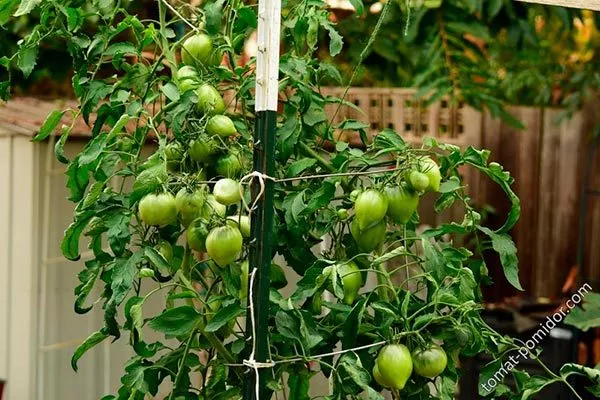
Its main characteristics are short internodes and unusual fruit coloring. It is suitable for both open-air and indoor cultivation. In warm climates, it thrives in open fields, while in cooler climates, it is grown in greenhouses.
Distinguishing characteristics:
- The bush consists of 3-4 uniform first-order shoots, with soft, flexible stems of medium thickness, colored light green with a brown tint.
- The leaves are dark green, with large teeth along the edges, on long thin petioles, the surface is rough and corrugated.
- The root system is superficial and weakly dissected, so the plants require regular watering and feeding to provide a sufficient amount of microelements.
- Fruit clusters are of medium length, with 4-6 ovaries, which appear 4 leaves after the first, and subsequent ones - after 2.
The flowers are dark yellow, the variety is self-pollinating, with ovary formation in 98% of cases.
Fruit
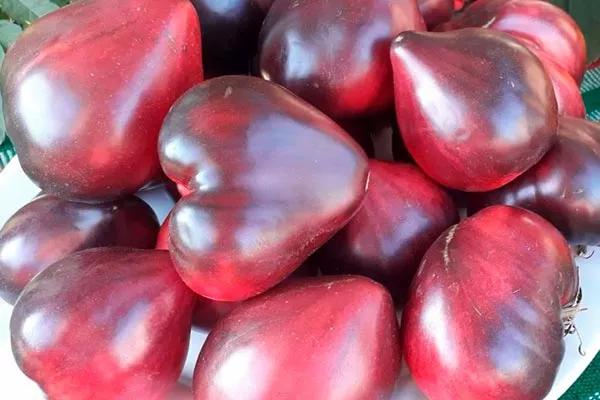
The Sergeant Pepper tomato variety is available in two varieties: pink and blue. Their characteristics are identical, differing only in the fruit color.
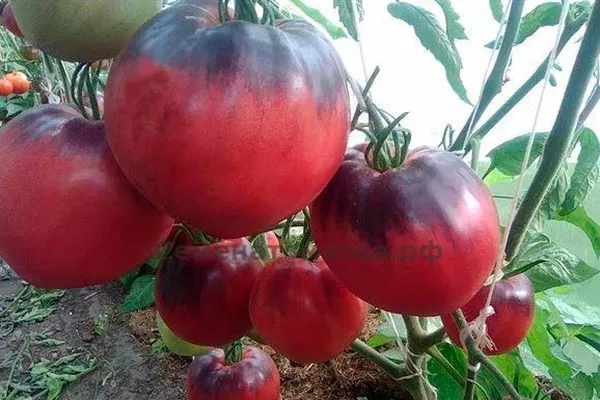
Description of the Sergeant Pepper tomato fruit:
- Form - rounded at the base, tapering towards the top, giving it a heart-shaped shape.
- Weight - varies from 160 to 300 g depending on the circle.
- Peel – Thin, prone to cracking if underwatered. The surface is smooth and glossy.
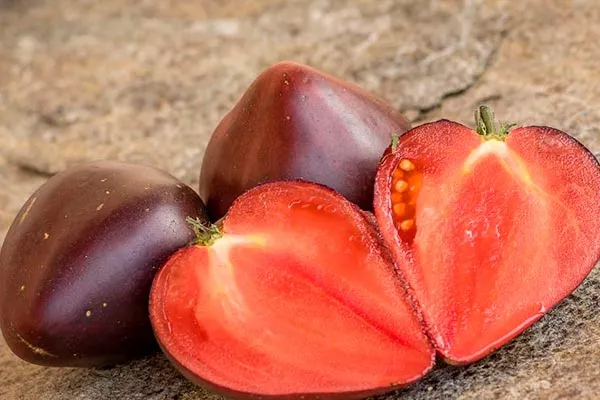
- Pulp – dense, fleshy and juicy, with several chambers, it has a rich raspberry hue.
- Seeds – are located in four testes, their number is small.
The flavor is sweet with a caramel aftertaste, without acidity. The flavor is most pronounced after the fruit is fully ripe. This variety is ideal for fresh salads, canning, and processing into juices and ketchups.
Characteristics
Sergeant Pepper is a newcomer to the agricultural scene, recently developed in the United States. It's not yet widely available in Russia due to its novelty, but its popularity is rapidly growing, and more and more gardeners are beginning to experiment with this variety.
Productivity
It is characterized by high yields, with up to 5 kg of ripe fruit being harvested from a single bush. The yield will be approximately the same whether the variety is grown in a greenhouse or in the open field.
The quantity and quality (including taste) of vegetables directly depend on environmental conditions. Insufficient light, irregular watering, or low soil fertility prevent a good harvest. This variety is sensitive to these factors and requires careful care to achieve maximum results.
Taste and purpose
This variety has a rich, sweet flavor with a pleasant caramel aftertaste. The flesh is multi-chambered, dense, meaty, and juicy, with a rich raspberry color. This variety is ideal for fresh consumption, as its fruits are dessert-grade—slicing them into thin slices is sufficient.
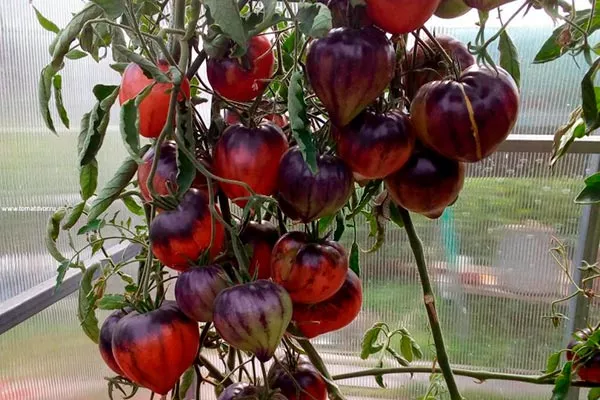
These watermelon-fragrant tomato slices are perfect for decorating a holiday table, and the contrast between the sparkling flesh and dark eggplant skin is especially appealing.
In warmer climates, where the crop produces a more abundant harvest, the vegetable is often used to make pastas, sauces, and preserves. Despite its culinary versatility, in the central part of the country, the fruits of this variety are more often eaten fresh, as their juicy flesh can be insufficient for processing.
Required climatic conditions and regions
Sergeant Pepper is a typical tomato native to South America, known for its hot and dry climate. It was developed in the United States, in a state where humid continental climates meet tropical ones, and summers are long and warm, creating ideal conditions for its growth and development.
In the southern regions, this heat-loving crop is grown both in open ground and in greenhouses, while in the northern and central regions it is preferable to plant it exclusively in protected soil.
Timing of planting seedlings and transplanting into the ground
Sow seeds at the end of March, taking into account the regional climate. In southern regions, sow earlier, and in colder climates, slightly later. Transplant seedlings into the main plot after 45 days of growth.
Ripening and fruiting
Sergeant Pepper is a mid-early variety. The first harvest is harvested just 120 days after planting, usually in mid-August. This variety's fruit is characterized by a long fruiting period, lasting for two months—from August to September.
Frost resistance
Heat-loving shrubs don't tolerate sudden temperature fluctuations well and have only moderate frost resistance. Therefore, in northern regions, they thrive only in greenhouses.
The long fruiting period allows you to grow the crop indoors until the end of September and even harvest ripening tomatoes after the first autumn frosts.
| Variety | Resistance to Cladosporiosis | Resistance to tobacco mosaic virus |
|---|---|---|
| Sergeant Pepper Blue Heart | High | Average |
| Sergeant Pepper Pink | Average | High |
| Sergeant Pepper bronze | High | High |
| Sergeant Pepper Red | Average | Average |
Varieties of the variety
| Name | Fruit color | Fruit shape | Fruit weight (g) |
|---|---|---|---|
| Sergeant Pepper Blue Heart | Dark purple at the base, fading to pinkish-burgundy | Heart-shaped | 120-220 |
| Sergeant Pepper Pink | Raspberry pink | Heart-shaped | 180-250 |
| Sergeant Pepper bronze | Orange-bronze with dark anthocyanin on the shoulders | Heart-shaped | 250-500 |
| Sergeant Pepper Red | Red with blue shoulders | Pear-shaped | 120-400 |
The Sergeant Pepper tomato comes in several varieties, each with its own unique characteristics. All varieties share high yields and a mild, sour flavor:
- Sergeant Pepper Blue Heart. The bush is indeterminate, up to 180 cm high. The fruits are heart-shaped, weighing 120-220 g, with an exotic color: dark purple at the base, turning into a pink-burgundy color.
The flesh is firm and juicy, without any tough bits. This variety has a sweet flavor with caramel notes and is suitable for salads and culinary garnish.

- Sergeant Pepper is pink. A variety with similar characteristics, but with raspberry-pink fruits. They weigh 180-250 g and have a sweet taste and tomato aroma. They are mainly used fresh, as a garnish for dishes, or as a salad addition.
- Sergeant Pepper bronze. The tomatoes are orange-bronze in color with dark anthocyanin on the shoulders. They weigh between 250 and 500 g. They have sweet flesh with a caramel flavor. The yield is high—up to 3.7 kg per bush—and fruiting lasts until mid-September.
- Sergeant Pepper is red. This variety is distinguished by its pear-shaped form and red coloring with blue shoulders. The average weight of one vegetable is 120 to 400 g. The flavor is similar to that of the Sergeant Pepper Bronze variety.
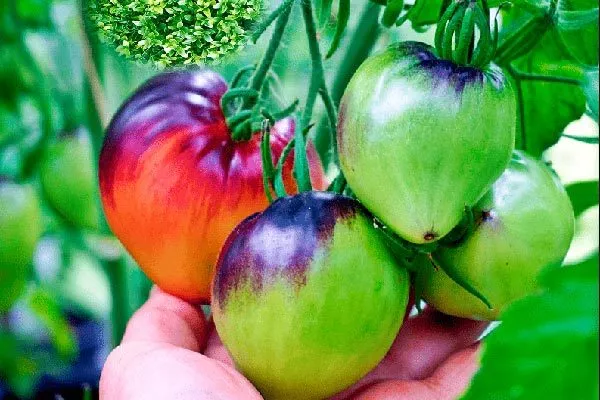
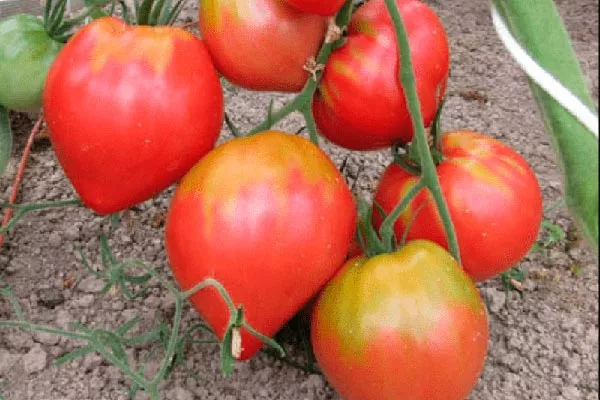
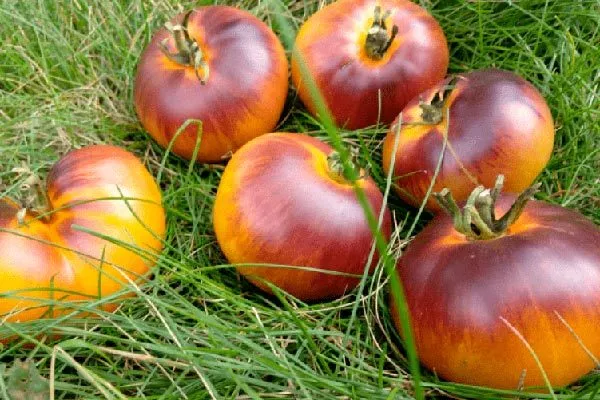
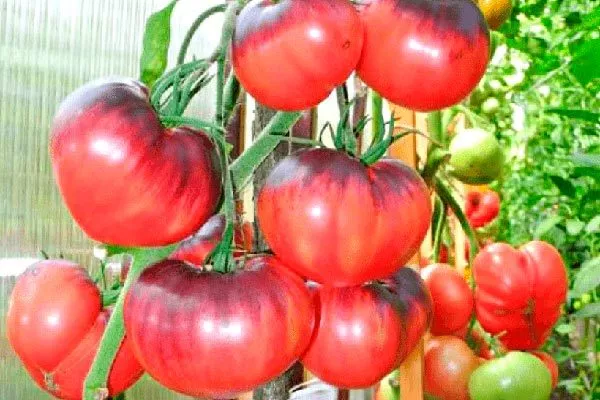
This variety is characterized by moderate frost resistance and requires good light to develop its flavor and color. Regular watering and pest control are essential for successful cultivation. This variety is ideal for greenhouses, where the fruits can ripen until the end of September.
Landing rules
This variety is grown from seedlings. Although it is possible to sow seeds directly into the ground, this method is rarely used, as it delays the ripening of the vegetables significantly. In temperate climates, this is critical, as the short summer does not allow the tomatoes time to fully ripen.
- ✓ The optimal soil temperature for planting seedlings should not be below +18°C, which is critical for preventing stress in plants.
- ✓ To prevent fruit cracking, it is necessary to maintain a uniform level of soil moisture, avoiding sudden changes.
Optimal conditions
To successfully grow seedlings, it's important to choose the right location and prepare the plot. Follow these recommendations:
- Choose sunny, well-ventilated areas. Bushes do not tolerate shade, so choose a location that receives at least 6-8 hours of direct sunlight per day. The beds should be protected from cold winds and standing water.
- Prepare the soil for tomatoes in the fall. Clear the area of plant debris, dig thoroughly, and remove weed roots. Tomatoes prefer light, well-drained soil with a neutral or slightly acidic pH (6-7). If the soil is heavy, improve it by adding sand and organic fertilizer.
- In the fall, amend the soil with compost or rotted manure. In the spring, two weeks before planting, add mineral fertilizer containing phosphorus and potassium. This will help stimulate root growth and provide the plants with essential nutrients.
The soil should be fertile—use a mixture of humus, peat, and sand to improve the structure. Adding humus will help provide the bushes with essential micronutrients.
Sowing seeds for seedlings
Sow seedlings at the end of March, depending on the regional climate. In warmer climates, sow earlier; in colder climates, sow later. Prepare containers for the seedlings in advance, such as plastic or wooden containers.
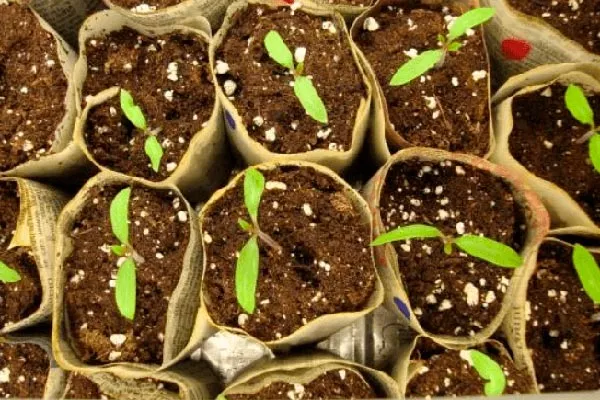
You can buy ready-made soil or prepare it yourself by mixing equal parts peat, compost, sand, and soil from your garden. Add nitrogen fertilizer to the mixture at a rate of 100 g per 10 kg of soil.
The process of planting seedlings:
- In the containers, distribute the soil and make furrows about 2 cm deep.
- Space the grains 1 cm apart.
- Fill the furrows with soil and moisten.
- Cover the containers with glass or film and place them in a bright place.
Once the seedlings emerge, remove the plastic wrap and water the seedlings daily. When the third leaf appears, transplant the sprouts into individual containers and apply a complete fertilizer. After a week, transplant the seedlings to their permanent location in the open ground.
Transplanting seedlings
Grow seedlings in the greenhouse in the first half of May. To do this, prepare the area first:
- Dig up the ground.
- Remove the remains of last year's plants.
- Add organic matter to improve soil structure.
- Prepare planting furrows about 15 cm deep.
- Place the seedlings in rows at right angles, laying the roots in a semi-lying position, which promotes better rooting.
- Fill with soil up to the bottom leaves and mulch.
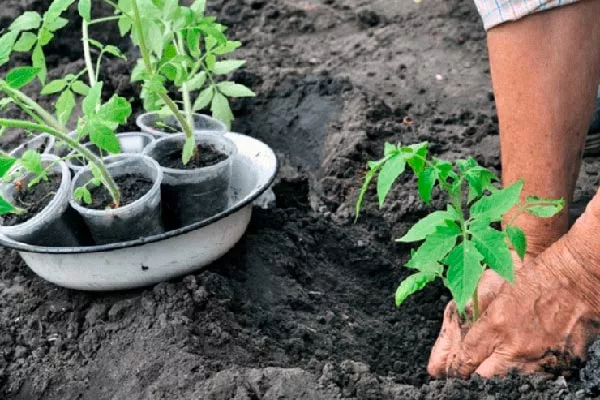
The planting sequence is the same for both greenhouses and open ground. Plant seedlings in unprotected soil only after the soil has warmed to at least 18°C. Place no more than four plants per square meter.
Caring for tomatoes
The plant doesn't require complex care. Standard care for most tomatoes is sufficient for this variety. One of its peculiarities is the need for frequent staking, but pinching is extremely rare, and leaf thinning is not necessary.
Watering and fertilizing
Provide regular watering, keeping the soil under the bushes moist at all times. A drip irrigation system is ideal, but if this is not possible, irrigate as the soil dries out. During dry periods, water the plants every 2-3 days.
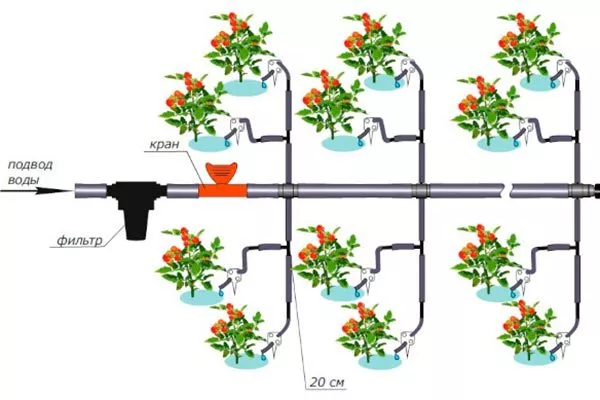
The Sergeant Pepper variety's root system is shallow and weak. Regular fertilizing is essential for a good harvest. Fertilize the plants every two weeks after they have become established in the garden. Alternate organic fertilizers with mineral fertilizers, including phosphorus-potassium mixtures and superphosphate.
Pinching out and tying up
Plants require support, so tie the stems as they grow to prevent them from breaking under the weight of the fruit. To increase yields, regularly pinch off side shoots: remove shoots so the plants don't waste energy on unnecessary shoots, devoting their energy to developing tomatoes.
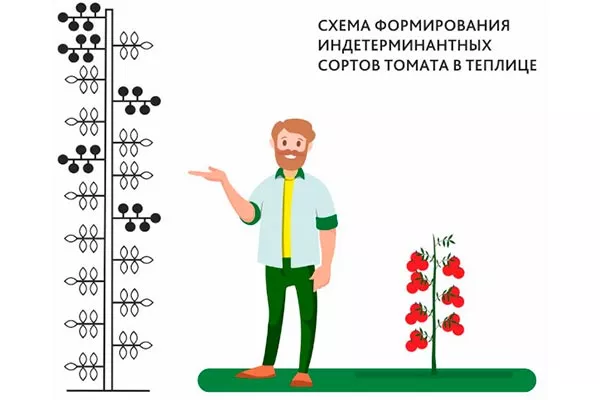
Trim all lower leaves and spent fruiting clusters to improve ventilation and light levels in the plant and prevent the development of diseases.
Formation
Some gardeners prefer to grow the Sergeant Pepper tomato by training it into 3-4 stems. However, many gardeners follow the variety's originator's recommendations—training the plant into 1-2 stems is optimal.
Possible problems
When growing crops, in addition to diseases and pests, certain problems may arise. It's important to address them promptly:
- Low yield. This can be caused by a lack or excess of fertilizer, insufficient watering, or improper bush training (for example, lack of staking or pinching). A weak root system can limit the plant's growth and development if regular watering and fertilizing are not provided.
- Lack of sunlight. If a plant grows in the shade or in low-light conditions, it may experience poor growth, especially during cold seasons when daylight hours are short. This leads to stunted growth and reduced yields.
- Irrigation violation. As a variety that requires regular watering, Sergeant Pepper can suffer from both overwatering and drought. The former can cause root rot, while underwatering will lead to wilting and poor fruiting.
- Overloading the plant with fruits. Due to the heavy fruiting capacity and weight of tomatoes, the bushes may break or lean. Insufficient support and improper staking can lead to stem damage.
- Problems with roots. The weak, shallow root system requires careful care, especially during hot and dry periods. Without adequate watering and mulching, the soil dries out quickly, which can affect the plant's health.
- Problems with pollination. Although tomatoes are self-pollinating plants, low humidity and poor airflow in a greenhouse can hinder the pollination process, resulting in reduced fruit set and yield.
- Overfeeding with nitrogen. Too much nitrogen fertilizer can lead to excessive foliage growth at the expense of fruiting. Maintaining the correct fertilizer balance is important.
Tomatoes do not like frequent changes of location, and if they are replanted too often or incorrectly, this can negatively affect the growth and development of the plants.
Pest and disease control
The crop is resistant to most diseases, but in greenhouse conditions it may be susceptible to cladosporiosis and tobacco mosaic virus. Helpful tips:
- To prevent brown spot, ventilate the greenhouse as often as possible and cover the soil with straw mulch. This will create favorable microflora in the topsoil, which inhibits the growth of pathogenic fungi and bacteria.
- To prevent disease, apply several treatments with biological products such as Fitoverm, Bioline, or Baktofit. These measures are effective against the tobacco mosaic virus. Resistance to viral infections can be increased by providing sufficient potassium.
- In open ground or under plastic shelters, the variety is not susceptible to diseases, but can be attacked by the Colorado potato beetle. Other pests are extremely rare.
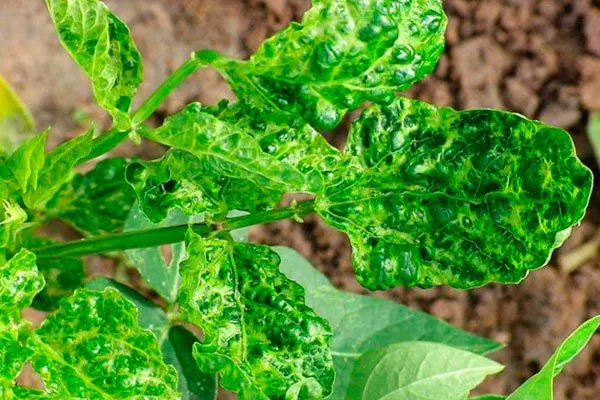
Despite strong immunity, experienced gardeners perform at least one preventative treatment against fungal infections. Copper-containing products, such as Bordeaux mixture, are used for this purpose. Perform this treatment after the seedlings have rooted.
Pros and cons
Before planting seedlings, carefully consider the advantages and disadvantages of the crop. Sergeant Pepper has many advantages:
Disadvantages include high demands on heat, light, and watering. Furthermore, not everyone appreciates the fruit's complete lack of acidity.
Reviews
The Sergeant Pepper tomato is a good choice for both beginner and experienced gardeners. It boasts excellent productivity, pleasant flavor and appearance, and strong immunity. With proper cultivation practices, you can reap bountiful harvests throughout the season.