
The Heart-shaped tomato is a versatile variety that can be grown both outdoors and in protected greenhouses or under canopies. Its fruits have a unique shape, reminiscent of a heart or kidney.
Description of the plant and fruits
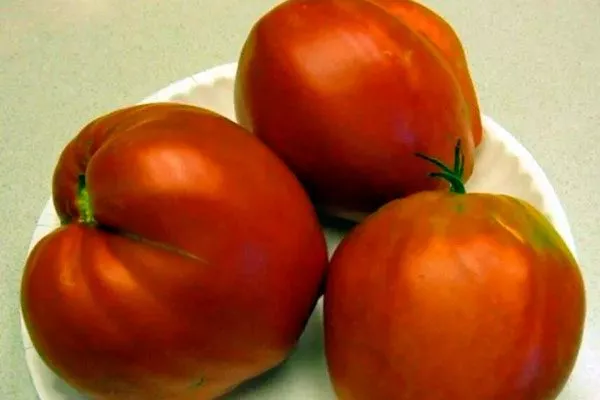
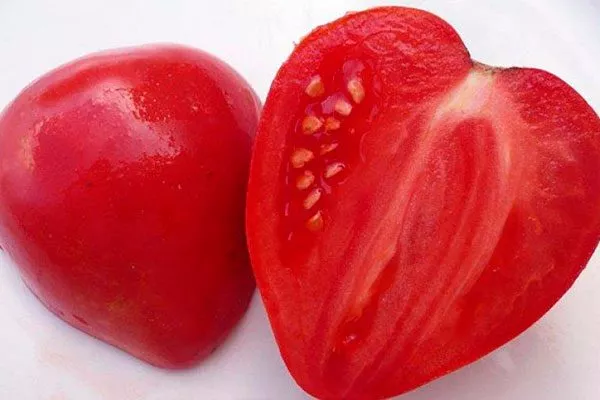
The Heart-shaped tomato gets its name from its distinctive heart-like shape. These tomatoes have a rounded base with an elongated tip, giving them a unique appearance. This unusual shape makes them especially appealing to botany enthusiasts and gardeners looking to grow something out of the ordinary.
Characteristic features of the cultivar type:
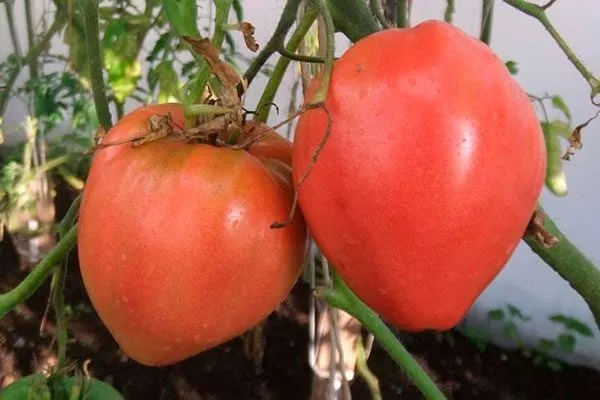
- These shrubs, which grow to a height of 45 to 65 cm, require support to produce larger fruits and prevent damage to the stems, as they may not be able to support the weight of the crop.
- The first flower cluster forms above the seventh or eighth leaf, with subsequent clusters ripening every two leaves. The flower clusters contain five to seven heart-shaped fruits, each weighing between 150 and 500 g, sometimes even up to 800 g. However, the very first ones on the bush weigh up to 1 kg.
- The pulp of tomatoes is sweet, full of aroma and juiciness, rich in acids, minerals, microelements and vitamins.

- This tomato pairs perfectly with other foods. Its dense, juicy flesh makes it ideal for salads, sauces, and more. The variety is widely used for canning, but not whole-fruit preserves.
Characteristics
Heart-shaped tomatoes are perfect for creating a variety of culinary masterpieces. They can be used in salads, sauces, and soups, or even served on their own. But they also have other important characteristics:
- The variety is renowned for its high consumer appeal and transportability, making the tomatoes attractive for market sales.
- The Heart-shaped tomato is resistant to major diseases and negative influences.
- The productivity of this variety is 20-25 kg per 1 sq. m.
- This mid-season variety, with determinate characteristics, is ideal for both open-air and protected cultivation. The period from germination to the first fruits ripening takes 100 to 105 days.
Growing and care
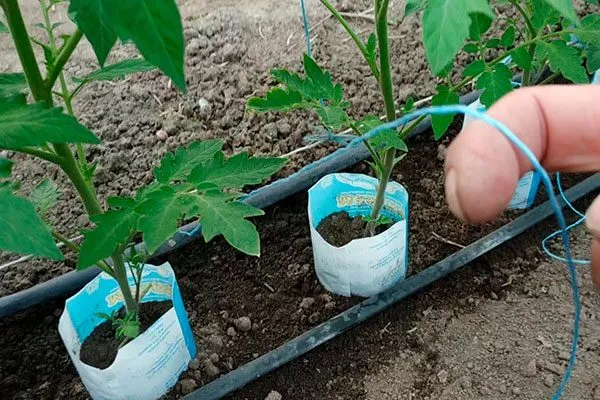
Sowing continues throughout March. A special substrate is created for this purpose, consisting of a mixture of compost, garden soil, and sand. Seeds are planted at a depth of 2-3 cm. The time for transplanting seedlings into open ground is when one or two leaves appear.

Other rules:
- Seedlings are fed no more than three times during the entire period of their development.
- From May to mid-June, when the right time comes, the seedlings are transferred to greenhouses with a polyethylene cover or directly to the open garden.
- Before transplanting, seedlings are hardened off. This is done by placing them outside for 1-2 hours, then increasing the time to 12 hours.
- To achieve maximum tomato productivity, soil must be well-aerated, nutritious, and moisture-retentive. The site must also receive ample sunlight.
- The best predecessors for nightshades are cucumbers, cabbage, arugula, lettuce, peas, onions, garlic, and carrots.
- Typically, 4-5 plants are planted per 1 square meter.
Next steps:
- Plants should be watered early in the morning or late in the evening to avoid direct sunlight.
- To ensure a bountiful and juicy tomato harvest, it's essential to provide them with adequate nutrition. This can be achieved using both commercial fertilizers and various folk remedies.
- The key aspect is proper bush formation. This process involves several steps: staking, top removal, foliage pruning, and regulating the number of ovaries.
- Protecting tomatoes from diseases and pests in open fields is challenging. This is because nightshade is susceptible to attack by insect pests.
Pros and cons
Growing heart-shaped tomatoes offers many attractive advantages. Here are just a few:
- Marketability of appearance. These tomatoes won't just be a decoration for your table or garden, but also a true visual masterpiece. Their unique shape and rich color promise to be eye-catching and generate generous sales revenue.
- Taste qualities. As noted earlier, heart-shaped tomatoes are renowned for their sweet and rich flavor, which perfectly complements other foods, and the fruits make an excellent ingredient for a variety of culinary dishes.
- Productivity. This variety is characterized by increased fruit production, making it a favorite among vegetable gardeners. Its long fruiting period allows you to enjoy fresh and flavorful tomatoes throughout the season.
- Protection from diseases. The heart-shaped variety is resistant to diseases and pests, which guarantees a healthy and high-quality harvest without the need for chemicals.
No critical defects were found in the cultivar.
Reviews
Heart-shaped tomatoes are an exceptional variety that will delight you not only with their unique shape but also with their aromatic flavor, high yield, and resistance to various diseases. Caring for the bushes is easy, but harvesting requires a substantial container—the fruits are large, heavy, and abundant.