
The Serdtseedka tomato is prized by gardeners and homesteaders seeking a high-yielding and easy-to-grow variety. This red-fruited variety has gained popularity due to its good disease resistance, tolerance to weather conditions, and transportability. With proper care, it will yield abundant harvests.
History of creation
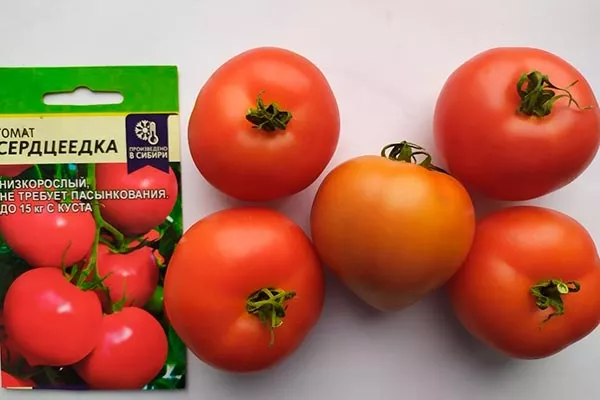
It was bred in Siberia, and its seeds are available from the company "Semena Altaya." This tomato is not registered in the Russian State Register under the name Serdtseedka, but there is a 2007 Serdtseed variety listed there that matches the description perfectly.
Description of the bush
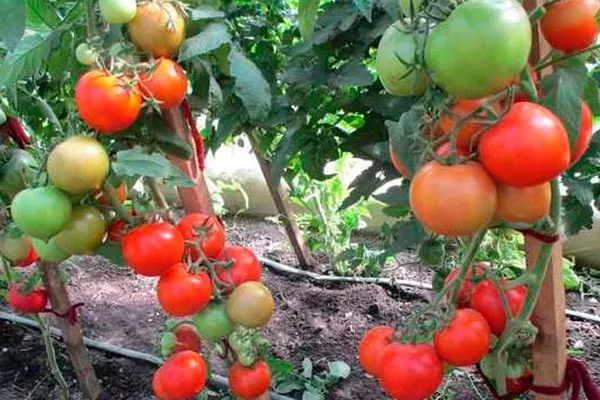
Heart-eater is a determinate variety with a naturally limited growth rate. The plant typically reaches 60-80 cm in height, after which its top stops growing. In some cases, it can reach 1-1.2 m.
Other features:
- The stems are of medium thickness.
- The foliage is soft, smooth, without signs of wrinkling or curling, medium in size and moderately dense – a characteristic feature of Siberian varieties adapted to saving sunlight.
- Intermediate type inflorescences are formed through each leaf.
A single cluster produces up to six tomatoes. They develop evenly, looking neat and attractive as they ripen.
Fruit characteristics
The tomatoes have an average size and weight of 170 to 240 g, and individual specimens can reach 310 g.
Distinctive characteristics of tomatoes:
- They have a powerful, rounded shape with wide shoulders and a characteristic nose, which makes them resemble a heart.
- The color matches the name: when fully ripe, the skin takes on a rich red hue.
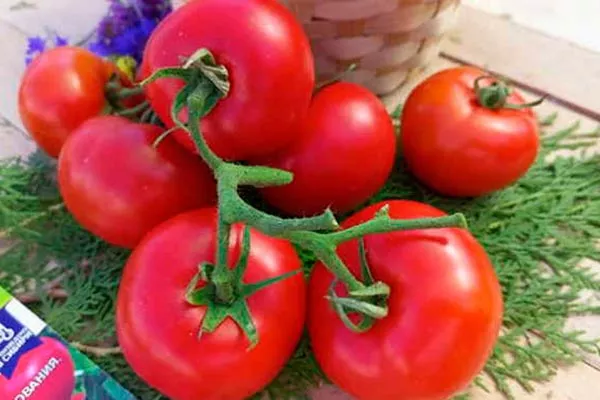
The pulp is dense, fleshy, shiny, practically seedless and without light or white areas at the base of the stalk.
Basic characteristics of the variety
Before planting seedlings, it's recommended to research the crop's key characteristics. This information will help you make the right choice and prepare for successful cultivation.
The taste and uses of tomatoes
The fruits have excellent flavor characteristics: they are tender, sweet, and well-balanced. They are versatile. They are perfect for fresh eating, slicing, salads, appetizers, and sandwiches.
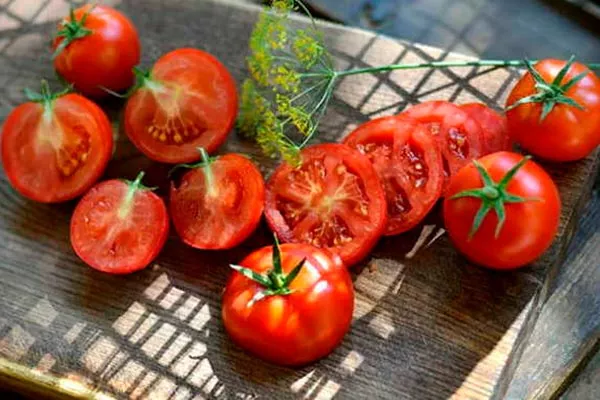
Vegetables are used to make pastes, ketchups, juices, sauces, and lecho. Due to their large size, tomatoes are not suitable for whole-fruit canning, but their dense and fleshy flesh makes them ideal for canning in pieces. The fruits are suitable for drying and curing.
Healing properties
The Serdtseedka tomato has beneficial properties that make growing it even more enjoyable. The following healing properties are noted:
- Strengthen the immune system and increase the body's resistance to infections.
- Contains antioxidants that protect cells from free radicals and slow down the aging process.
- They reduce the risk of cardiovascular diseases and help normalize cholesterol levels.
- Supports eye health thanks to high vitamin A content.
- They have an anti-inflammatory effect, helping with joint and muscle pain.
These properties make this variety not only tasty, but also a healthy product, suitable for inclusion in a healthy diet.
Maturation and productivity
This mid-season variety ripens 115-120 days after germination. It's highly productive, yielding up to 15 kg of tomatoes per bush.
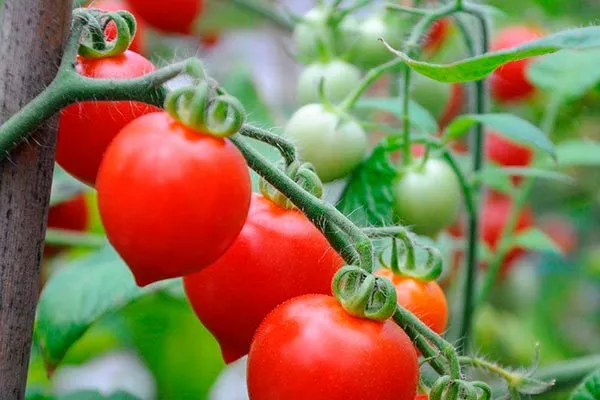
The fruits ripen gradually, transitioning from green to yellowish-green, then to orange-green, and finally to deep red. The coloring is uniform, without spots.
Ripening is spread out over time, ensuring a long harvest period. The vegetables are characterized by excellent shelf life: they retain their marketable appearance for up to two weeks, and unripe specimens ripen successfully after harvest.
Resistance to diseases and pests
The crop is characterized by high disease resistance. The bushes successfully resist many fungal and viral diseases, provided that agricultural recommendations are followed.
The variety has good resistance to late blight. Regular preventative measures are important to prevent the development of fungal infections.
Growing regions
The Serdtseedka variety is suitable for cultivation in the central and northern regions. Due to its high winter hardiness in cold climates, it is successfully grown outdoors.
However, growing this variety in the south is not recommended. This is due to dry air, which negatively impacts plant development.
Adaptation to weather conditions
The bushes are adapted to cool climates and critical agricultural conditions, making them extremely undemanding. They easily tolerate adverse weather conditions, including fluctuations and drops in temperature.
Features of agricultural technology
Proper planting of tomato seedlings is the key to a healthy and bountiful harvest. It's important to maintain the optimal planting depth, provide adequate light, and maintain a consistent temperature to ensure strong, leggy plants. Following certain rules is essential.
Selecting and preparing soil
For successful planting, it's important to choose the right site and prepare the soil. Follow these guidelines:
- Tomatoes love warmth and light, so choose a site that receives at least 6-8 hours of sun per day. This will help the plants thrive and produce a good harvest.
- The plant doesn't tolerate strong winds well, as they can damage the stems and dry out the soil. Choose a location protected from the wind (for example, near fences or hedges).
- Soils with a neutral or slightly acidic reaction (pH 6-7) are suitable. The soil should be light and well-drained to prevent waterlogging and root rot.
- Avoid planting tomatoes in areas where they grew the previous year. The best predecessors for tomatoes are cabbage, onions, garlic, and legumes. Tomatoes don't like other nightshade crops (such as potatoes or eggplants) growing in the same area.
- ✓ The pH level must be strictly within 6.5-6.8 for optimal absorption of nutrients.
- ✓ The soil must contain at least 4% organic matter to maintain structure and moisture retention.
Preparing the bed:
- Thoroughly dig the soil to a depth of 25-30 cm to improve aeration. Do this in the fall to allow the soil to settle.
- Before planting, add humus or compost, mineral fertilizers to the soil: superphosphate, potassium and nitrogen substances.
- Prepare beds 1.2-1.5 m wide, as tomatoes prefer plenty of root space and good ventilation. If necessary, install higher beds if the soil drains poorly.
Mulching helps retain soil moisture, prevent weed growth, and improve soil structure. Use straw, hay, compost, or tree bark.
Sowing seeds
Sow seeds in pots or containers in early spring. Before sowing, moisten the soil surface, then carefully spread the seeds over the surface and lightly dust them with potting soil. Cover the container with glass or plastic to create a greenhouse effect.
After this, place the container with seeds in a warm place with a temperature of about +20°C. The first sprouts will appear in one to two weeks.
Caring for seedlings
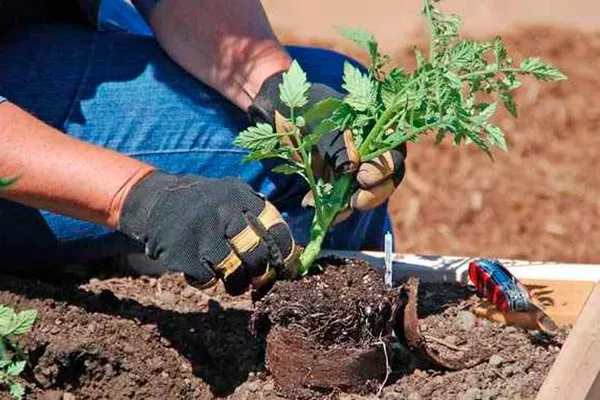
When the plants have 2-3 true leaves, transplant them into individual pots or beds. Before transplanting, carefully prepare the soil, dig holes, and plant the seedlings approximately 40 cm apart.
Serdtseedka tomatoes require regular watering and fertilizing with organic or mineral fertilizers. Remove faded flowers to ensure the plants develop properly and focus their energy on producing tomatoes.
Site development
Before planting, it's important to check the soil's acidity—the optimal pH should be 6.5-6.8. Then, loosen the soil two spadefuls deep, remove weeds, and add crushed charcoal and cow manure to improve the soil's structure and nutrition.
Transplanting
Heartseed seedlings are ready for transplanting on the 60-63rd day after germination, when at least 6 leaves appear on each plant:
- Place the seedlings into the holes, deepening them by 8-9 cm and sprinkling them with soil with the addition of dry peat.
- Leave a distance of 48-50 cm between rows, and up to 35 cm between seedlings.
- Plant no more than 4 seedlings per 1 square meter.
Caring for the Heart-Eater tomato
Caring for the plant is straightforward. The cultivation techniques are standard; it's important to adhere to a schedule for all necessary procedures, including watering, fertilizing, and pruning.
Is it necessary to pinch out and shape the Heart-Eater tomato?
When growing tomatoes, pinching out side shoots (removing side shoots) is not necessary. The bushes don't need to be tied up, as their stems are quite strong. Periodically remove the lower leaves of greenhouse-grown plants to improve air circulation and prevent disease.
This variety can be trained into a single stem, but best results are achieved with two stems. The number of stems depends on your capabilities and growing goals. The more stems, the larger the fruit.
With proper cultivation techniques, tomatoes can grow large even on two stems. If four tomatoes are planted per square meter, train them into a single stem, or in a greenhouse, train them into two shoots. This practice is not necessary in a greenhouse.
Irrigation nuances
The plant doesn't require abundant moisture, so water it relatively infrequently, but only so that the soil around the roots is thoroughly moistened to a depth of 28-32 cm. To achieve this, water the plants once every 11-12 days, while regularly checking the soil moisture.
The recommended water volume for each bush is 3.2-3.5 liters. To prevent crusting on the soil surface, loosen the root layer after each watering.
Sequence of fertilizing
The higher the quality and variety of fertilizers, the larger and tastier the Serdceedka variety will yield. When fertilizing tomatoes, follow this schedule:
- A week after transplanting the seedlings – potassium chloride in solution with urea.
- When the bushes begin to bloom actively – potassium magnesium sulfate and boric acid.
- When tomatoes start to change color – grass compost mixed with monophosphate.
- After the first fully ripened tomatoes appear, potassium salt dissolved with borofoska.
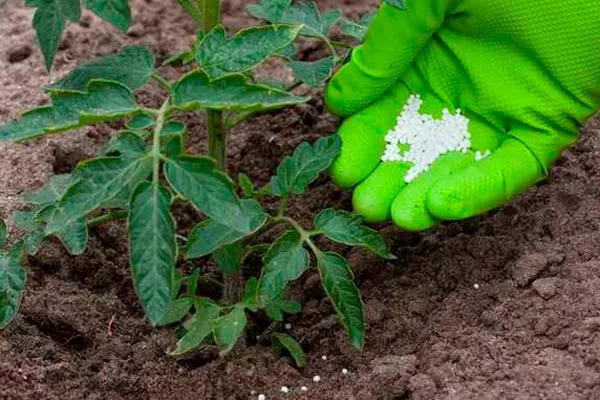
Bushes grown in a greenhouse require more organic fertilizers than those grown in open ground.
Pest and disease control
The key to maintaining the Serdtseedka variety's immunity is regular weed removal and isolation of the bushes from fruit trees. If the area isn't properly cleared, tomatoes can be susceptible to Alternaria blight, slugs, and mites.
Recommendations for plant treatment:
- Alternaria. A fungal disease that develops in conditions of low oxygen and high humidity. Characterized by grayish-brown, elongated stripes with whitish centers on the leaves. For treatment, use Sugnum or Maxim.
- Slugs. They often appear after rains, feeding on the sap of the foliage and can cause the bushes to dry out. To control them, use insecticides such as Ferramol or Bros Snacol, and as a preventative measure, spray crushed rosemary on the leaves.
- Tomato mite. They suck the juices from all parts of the plant, which can cause fruit to crack. These pests thrive in dry weather and densely packed beds. To control them, treat with Aliot, Fosfamide, or Borneo, and for prevention, use horseradish and dandelion infusions.
- Before planting, treat the soil with a biofungicide to prevent fungal diseases.
- Two weeks after planting the seedlings, spray with a copper-containing preparation.
- During the flowering period, use a systemic fungicide to protect against alternaria.
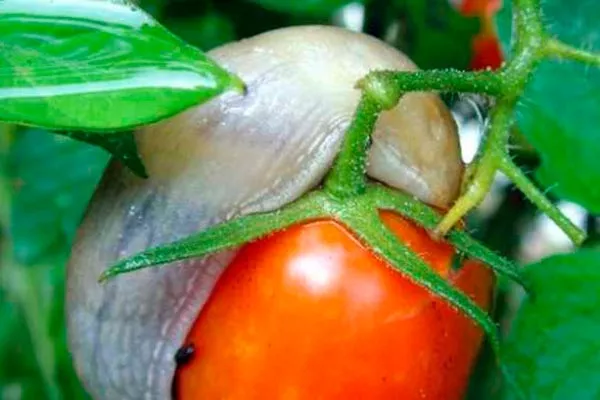
Start treating immediately after the first signs of disease or pests appear to prevent further damage and improve the chances of successful cultivation.
Collection and preservation
Bushes grown under the right conditions begin to bear fruit between June 15 and 20. The harvest ripens quickly, within a short period (until the end of September), and the fruits require picking once or twice a day.
Harvest tomatoes by hand, gently twisting them from the vine or cutting off the entire ripe vine. Store ripening tomatoes in small baskets, and ripe ones on the top shelf of the refrigerator.
Pros and cons
The Serdtseedka tomato tolerates shade and is wind-resistant. The bushes can grow without support. Before planting, it's important to study the advantages and disadvantages of the crop to avoid any potential problems.
These plants are not recommended for growing in southern regions. The bushes do not exceed 1 m in height, causing the flower clusters to be located at the base. These are the main drawbacks of this variety.
Reviews
The Serdtseedka tomato is a reliable and productive variety suitable for both novice and experienced gardeners. It has gained popularity for its ability to produce consistent yields and its ability to be transported over long distances. These qualities make it an excellent choice for growing even on a large scale.