
The Heart of Minusinsk tomato is a high-yielding variety adapted for growing in challenging weather conditions. Its large fruits are versatile: they are suitable for both raw consumption and canning. This variety requires little care, making it an ideal choice for beginning gardeners.
Description of the bush and fruits
This variety is versatile: it can be grown both in the garden soil and indoors, using both polyethylene and glass protection. Minusinsky Serdtse bushes are suitable for all major regions of Russia where vegetable cultivation is possible.
The varietal characteristics are as follows:
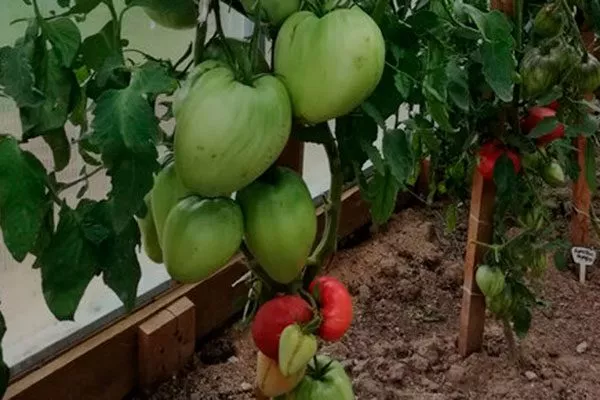
- Tomatoes are distinguished by vigorous bushes, reaching 180-200 cm, densely covered with green foliage. Due to their great height, they are recommended to be trained, usually into one or two stems.
- The first flower buds form above the fifth or sixth leaf, with the rest appearing every one or two leaves.
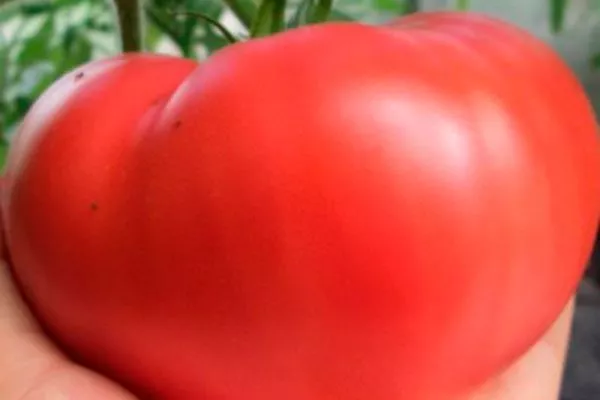
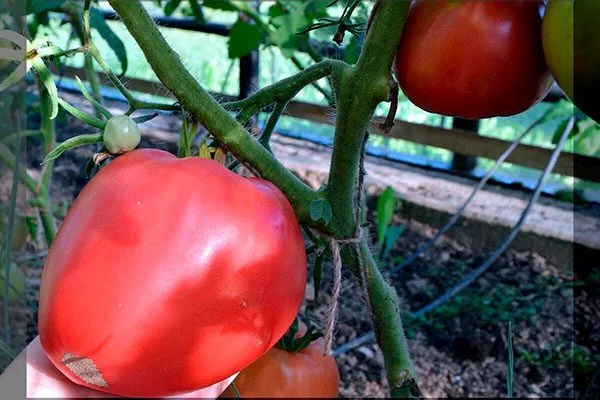
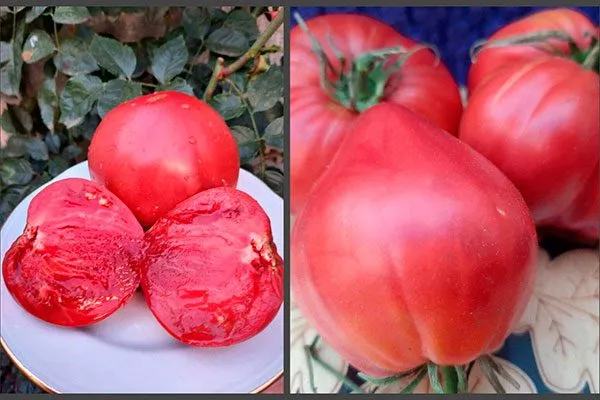
- The fruits are characterized by their large size and heart-shaped form, with a small beak at the tip.
- An individual tomato can weigh up to 700-800 g, turning a deep crimson when fully ripe. To obtain larger fruits, limit the number per cluster, leaving 3-4 and removing the rest. This will allow the plants to devote all their resources to their growth and ripening.
- The flesh of the Minusinsk Heart tomato has a firm, juicy texture with a slight graininess, and the taste is distinguished by sweet notes with a minimal seed content.
Main characteristics and history
This tomato variety is part of a Siberian breeding program. However, its origins are shrouded in mystery, and to date, there is no precise information about its creators or the date of its introduction. The tomato series, including the Heart of Minusinsk variety, was named after the city of Minusinsk, where the Decembrists were exiled after the events of 1825.
Many of them, after serving their time, acquired land in these areas to grow a variety of crops, and, according to one hypothesis, it was then that the foundation was laid for the creation of the aforementioned tomato variety.
In 1909, the agronomist Bedro was exiled to Minusinsk, and three years later, tomatoes bred in the area were presented at an agricultural exhibition. Bedro began cultivating new tomato varieties, which were later named Minusinsk.
Key characteristics:
- Ripening period. The Heart of Minusinsk variety is classified as mid-season. Harvest begins on average after 100-115 days. This variety is characterized by a long fruiting period, with harvesting taking place from August 1st to September 15th.
- Productivity of culture. This variety is renowned for its high yield. Under ideal conditions and with proper care, up to 12 kg of tomatoes can be harvested from a single square meter of garden bed.
- Strength and durability of fruits. Minusinsk Heart tomatoes have a long shelf life, maintaining their flavor and attractive appearance for three, and sometimes four weeks, under suitable conditions. Their tough skin makes them ideal for long-distance transportation.
- Resistance to adverse conditions. The variety has good adaptation to a variety of climatic conditions, which allows it to withstand sudden temperature fluctuations and short-term droughts.
- Protection from pests and diseases. Despite its relatively strong immunity, the Heart of Minusinsk can become a target for pests and pathogens, so it is important to follow care recommendations and carry out necessary preventative treatments.
- Geographic distribution. The variety is suitable for cultivation throughout the country. Local climate conditions must be taken into account to create optimal conditions.
- Scope of application. The Heart of Minusinsk is a versatile variety that can be used in a variety of culinary applications. These vegetables are excellent for eating raw and canning for winter. They can be used to make flavorful tomato juice, paste, and sauces, and can also be added to a variety of salads and other dishes.
Landing rules
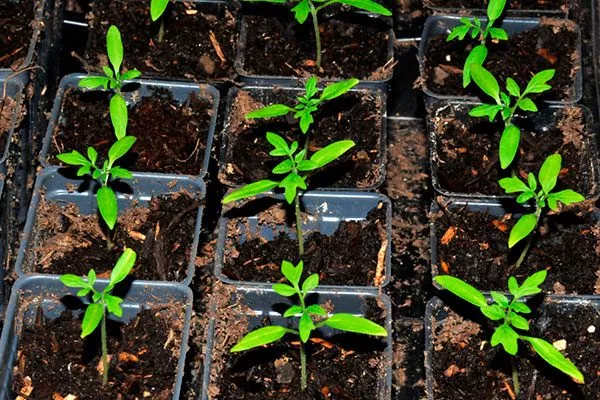
For successful tomato cultivation, it's recommended to use the seedling method. The ideal time to start is March-April. The seedling growing process involves the following steps:
- Prepare containers for growing seedlings, checking them for cleanliness and pests.
- Fill them with purchased substrate.
- Moisten the soil mixture with warm water, then bury the seeds to a depth of about 1 cm.
- After planting, cover the seeds with plastic wrap and place them in a warm place for germination.
- Once the first shoots appear, pay close attention to the seedlings' care: maintain the temperature and light levels, supplementing with grow lights. Water the seedlings regularly, but avoid overwatering.
Recommendations:
- When growing tomatoes outdoors, choose well-lit areas protected from strong winds.
- Transplanting seedlings into open ground depends on the climatic conditions of your region and usually occurs from May 20 to June 10.
- A week before transplanting, it is recommended to acclimatize the seedlings by taking them outside, which will allow the plant to adapt to the new conditions more quickly.
- Tomatoes grow best in fertile soil with a high content of black soil.
- It is recommended to plant no more than three plants per square meter.
Transferring seedlings to open ground involves the following steps:
- Prepare the bed and add fertilizer if necessary.
- Dig holes slightly larger than the seedlings' root system. Leave 70-75 cm between rows.
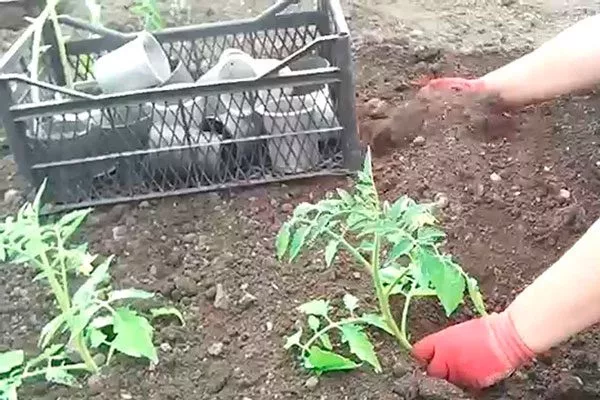
- Place the seedlings in the holes and cover them with soil, compacting them gently. Then, moisten the soil around the trunks as thoroughly as possible.
Caring for the Heart of Minusinsk tomato variety
The procedure isn't particularly difficult. The key is regular and moderate moisture. Plants should be watered as the top layer of soil dries, avoiding overwatering, which can harm the plants. It's best to use settled, room-temperature water, and it's recommended to water the beds in the evening when the sun is less intense.
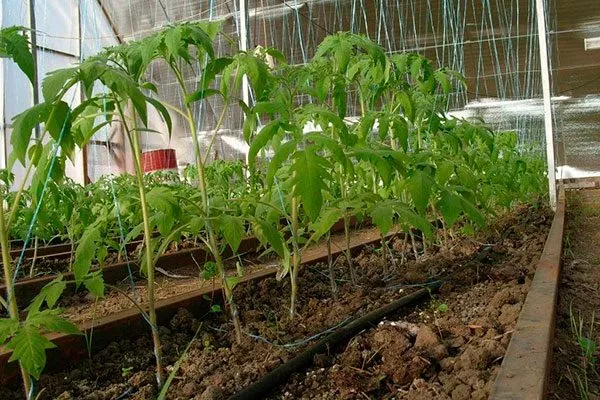
Tomatoes of this variety respond well to fertilizer, especially complex mineral mixtures. Traditional methods of feeding are also recommended.
Other events:
- After each watering, loosen the beds to prevent the formation of a dry crust and improve soil aeration.
- Weed your garden regularly to remove weeds that may compete with your tomatoes for water and nutrients.
- If desired, you can mulch the tree trunk area with straw or sawdust, which will help reduce the amount of watering and weeding.
- Tomatoes have relatively good immunity, but can still be susceptible to diseases such as late blight and early blight. To prevent these, apply preventative treatments with Ordan, strictly following the instructions. It can be used for both treatment and prevention.
Following care recommendations and spraying with folk methods can also help prevent diseases and ensure healthy growth of tomatoes.
Pros and cons
The versatility of the Serdtsa Minusinska variety in terms of cultivation conditions and ripe fruit utilization is noteworthy. The plants demonstrate excellent adaptability and productivity in both open soil and greenhouse conditions.
No significant shortcomings of the variety that could affect its appeal to farmers have been identified. However, limited information is available on the specific agricultural practices used for this variety.
Reviews
The "Heart of Minusinsk" variety is a natural variety, allowing for seed collection for future planting. It has a mid-season ripening period and is ideal for cultivation throughout Russia. By maintaining optimal conditions and proper care, you can expect large, tasty fruits that keep well.