
Ashgabat Heart tomatoes are large, fleshy, and have a bright, sweet flavor. They're ideal for both fresh salads and juice. A few tomatoes are enough to make a delicious vegetable salad. This variety has long been cultivated by gardeners in our country, and despite the emergence of new hybrids, it remains popular and in demand.
History and regions of cultivation
Turkmen breeders developed this variety in the USSR. The originator's name is unknown, so the tomato is considered a folk variety. In 1972, it was included in the Russian state register and has since been cultivated in summer cottages and home gardens.
The Ashgabat Heart variety performs well both in open ground and greenhouses. It is recommended for cultivation in the Rostov and Astrakhan regions, Stavropol, and Crimea.
Description of the bush and fruits
This semi-determinate standard variety is characterized by medium foliage. Bush training is essential, often with 2-3 stems, which increases yield and produces larger fruits.
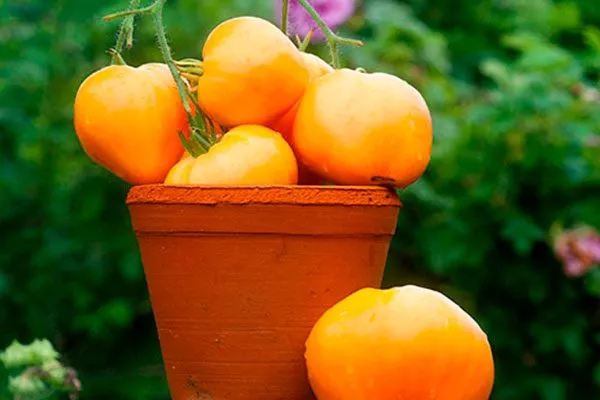
- ✓ The variety requires shaping the bush into 2-3 stems for maximum yield.
- ✓ The fruits of the first bunches are usually larger than the subsequent ones.
Main characteristics:
- The bushes are compact – their height reaches 40-60 cm, so 4-5 plants can be successfully located per 1 square meter without interfering with each other.
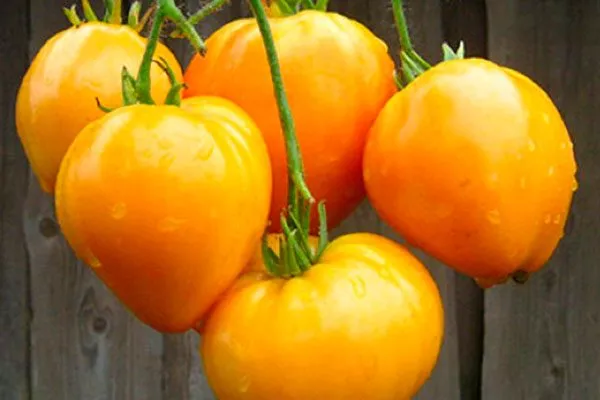
- Varietal tomatoes are a rich orange color and heart-shaped. They range in size from a relatively small 200g to a hefty 650g. However, the largest specimens are usually picked from the first bunches.
- Tomatoes are distinguished by their juiciness, fleshiness and rich taste without excessive acidity.
The fruits contain 6-7 seed chambers, the dry matter content does not exceed 6%.
Main characteristics
Heart of Ashgabat is a time-tested variety with a rich history, a large following, and a number of advantages.
Ripening time, yield and areas of application of fruits
This mid-early variety begins bearing fruit 100-110 days after germination. It is characterized by good productivity: up to 7 kg of vegetables can be harvested from a single bush, and up to 30 kg from 1 square meter of planting.
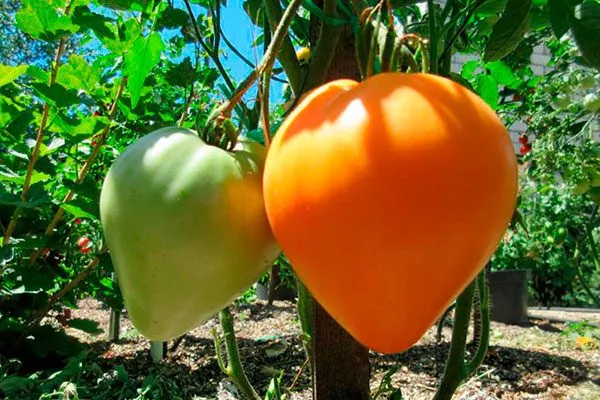
Where tomatoes are used:
- Tomatoes are especially good for eating fresh.
- They produce tasty and healthy vitamin-rich juices, ideal for dietary nutrition.
- Small fruits are ideal for whole-fruit canning: they look appetizing, and the risk of cracking of the skin is minimal.
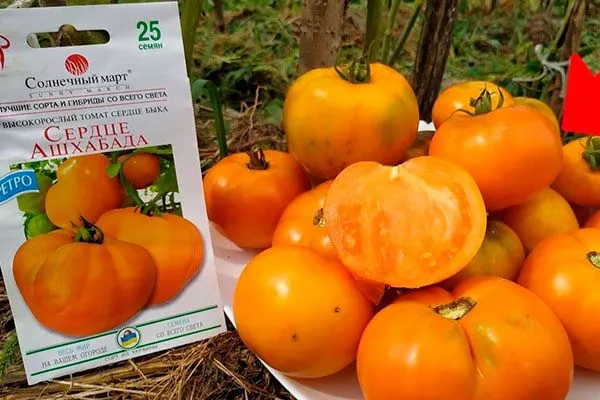
Large specimens are often used for barrel pickling, which makes them versatile in cooking.
Resistance to diseases and pests, adverse weather conditions
The plant has strong immunity to fungal infections. The bushes are virtually immune to cladosporiosis, tobacco mosaic virus, and alternaria. Late blight only slightly affects the plants.
During periods of prolonged rain, tomatoes may crack. Adverse weather does not affect fruit set. Ashgabat Heart tolerates low night temperatures well, but is not particularly frost-resistant.
Possible problems
The flat-round tomatoes of this variety are prone to cracking and blossom-end rot. Heart-shaped tomatoes lose their marketability if farming practices are improper.
Although the crop is considered resistant to a number of diseases, gardeners report that without regular preventative treatments, plants can easily contract various infections.
Growing seedlings
Mid-season tomatoes are grown exclusively from seedlings, which allows them to fully ripen before the first frost in our country's climate. The key to a bountiful harvest is strong and healthy seedlings. It's important to pay attention to every stage.
Seed treatment
One of the key aspects of seedling production is preparing the planting material. The plants' resistance to disease and adverse environmental conditions depends on the correct preparation of this procedure:
- Selection of grains. First, test for germination. Soak the seeds in warm salted water (5 g of salt per 200 ml of water) and use only those that sink to the bottom.
- Disinfection. To remove infections, soak the seeds for 20 minutes in a light pink solution of potassium permanganate or hydrogen peroxide. Alternatively, you can use folk remedies, including aloe vera juice diluted with water in a 1:1 ratio, or a baking soda solution (5 g per 200 ml of water), soaking the seeds for 12 hours.
- Growth stimulation. This stage improves germination and increases the cold resistance of the seeds. For treatment, use ready-made preparations (Epin, Sodium Humate) or homemade solutions, such as honey water.
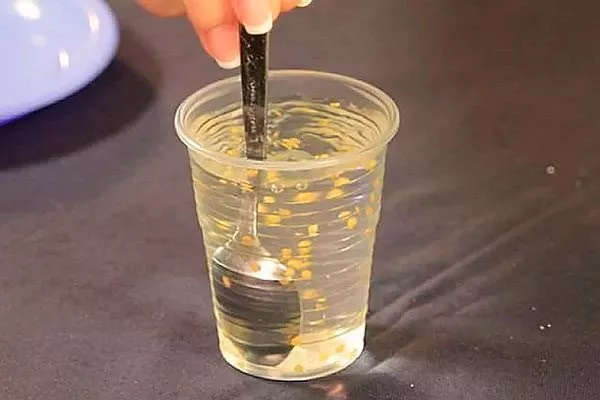
Some vegetable growers prefer to pre-germinate the seeds. To do this, spread them on paper towels soaked in a growth stimulant and cover with several layers of damp cheesecloth. Keep the container warm until the sprouts appear, moistening the material regularly.
Selecting containers and soil
When growing seedlings in a heated greenhouse, use the same soil as for mature tomatoes. Disinfect it first with a hot copper sulfate solution.
Follow these recommendations:
- At home, prepare a special soil mixture. To do this, take soil from the area where the tomatoes will grow and mix it with equal parts humus or peat (or both). Additionally, add half a part sand, sawdust, or coconut coir. Add 200 g of ash and 20 g of superphosphate to a bucket of this mixture.
- You can use ready-made store-bought soil. A universal mix or soil specifically designed for tomatoes and peppers is suitable. Be sure to disinfect it: soak it in a dark pink solution of potassium permanganate, a hot solution of copper sulfate, or bake it in the oven.
- Sow the seeds first in a common container. You can use special seedling containers or improvised materials, such as grocery boxes or cut-off bottles.
- After the seedlings grow, transplant them into separate containers with a capacity of 300-500 ml.
Before planting, disinfect all containers by soaking them in a solution of potassium permanganate for 30 minutes.
Sowing of planting material
Sow the Ashgabat Heart variety 55-60 days before planting, usually in March. Follow these guidelines:
- Fill the containers with prepared soil and moisten with warm water.
- Make 1 cm deep grooves in the soil, spaced 3 cm apart. Place seeds in each groove, spaced 2 cm apart.
- Cover the seeds with a layer of soil, cover the containers with film and place in a warm place.
Caring for seedlings
Growing seedlings is an important, yet not difficult, process. However, it does require following a few rules:
- Once the seeds have sprouted, remove the plastic wrap and move the seedlings to a windowsill. If natural light is insufficient, install fluorescent lamps.
- Water the plants when the soil dries out. Use room-temperature water and avoid getting the plants wet.
- Plants should not be exposed to drafts, otherwise they may die.
- When the plants develop two true leaves, transplant them into separate containers with drainage at the bottom. Do not water or fertilize for 10 days after transplanting.
- 14 days after transplanting, apply the first fertilizer, and the next two times, at intervals of two weeks, fertilize with complex substances containing phosphorus.
Agrotechnics of the Heart of Ashgabat
Tomatoes are transplanted into open ground when the soil temperature at a depth of 15 cm reaches the desired level. In greenhouses, transplanting can be done two weeks earlier.
- ✓ The optimal soil temperature for planting seedlings should be at least 15°C at a depth of 15 cm.
- ✓ The distance between plants when planting should be at least 50 cm to ensure sufficient space for growth.
Planting tomatoes in the ground
Before planting seedlings in the beds, prepare them thoroughly. Follow these steps:
- Dig over the soil, clear it of weeds, and fertilize it. Apply 6 kg of rotted manure per square meter. If the soil is highly acidic, add lime or ash.
- In the spring, dig up the beds again or level them with a rake, removing weeds, and treat them with hot copper sulfate.
- Dig holes in a checkerboard pattern, placing no more than five plants per square meter. Add ash or dry granular fertilizer to each hole.
- Before planting, carefully remove the seedlings from their pots, place them in the holes up to the bottom leaves, and fill with soil, compacting lightly. Water each plant with warm water—1 liter per seedling. Water again after two weeks.

Care
Ashgabat Heart tomatoes require staking, despite their compact size. This is because the branches can break under the weight of the fleshy tomatoes. Secure the main stem and clusters of heavy fruits to the support using rot-resistant synthetic thread.
Perform other agricultural practices:
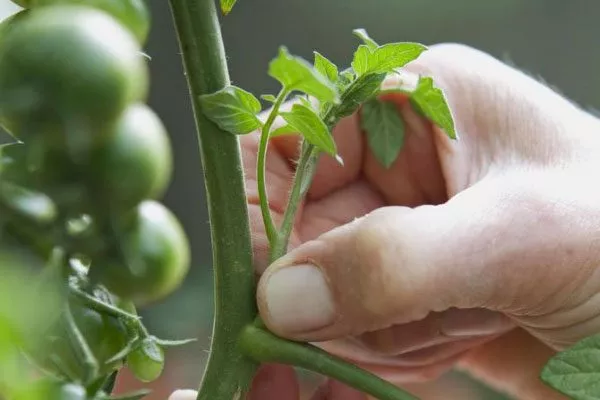
- Train the bushes with 2-3 stems. Fewer stems result in larger, more voluminous plants, but fewer of them. As you train, remove faded leaves and foliage below the first flower cluster. Prune no more than three leaves at a time.
- Water 2-3 times a week, using at least 2 liters of water per plant. Water the plants early in the morning or at sunset, avoiding getting the leaves and stems wet. Do not overwater the plants while pinching out side shoots. After each watering, loosen the soil and remove weeds.
This variety requires regular fertilization. Apply at least four times per season, alternating organic fertilizers (silage, humus, chicken manure) with complex mineral fertilizers.
The Lazy Way to Grow Tomatoes
There's a new method for planting tomatoes, called the "lazy" method. It helps minimize the time spent caring for the plants throughout the growing season.
Follow certain rules:
- Dig holes 50 cm in diameter and 30 cm deep, spaced 1.2 m apart. Place a tall wooden support in the center of each hole.
- Place a layer of rotted manure, humus, and sand at the bottom of the hole, a bucket of each. Fill the remaining space with garden soil. Add 85 g of nitrophoska and 0.5 kg of ash to each hole, and mix everything thoroughly.
- Plant 5 60-day-old seedlings per hole. Remove the lower greenery and tie the plants to a central support.
- Water each hole with 1 liter of water and mulch with hay, straw, fallen leaves or burlap.
- Moisten 1-2 times a week. Avoid loosening the soil, as the worms in the nutrient substrate will do this work.
- Fertilize the shrubs only once per season using chicken manure diluted in water at a ratio of 1:10. Spray the plantings with boric acid three times per season.
This method allows you to save time and effort, while the yield from one hole can be from 20 to 40 kg.
Diseases and pests: control and prevention
The Ashgabat Heart tomato has good resistance to fungal diseases, but its immunity to viruses is not as strong. To minimize the risk of infection, follow a few simple preventative measures:
- Crop rotation. Avoid growing tomatoes in areas where other nightshade crops were previously grown.
- Disinfection. Be sure to disinfect the soil, seedling containers, seeds and garden tools.
- The right neighborhood. Avoid planting potatoes near tomatoes, as they may be susceptible to similar diseases.
- Watering and pinching out side shoots. Monitor soil moisture levels—it shouldn't be too wet or too dry. Avoid getting water on the above-ground parts of the plants.
Pests can carry viruses and bacteria. To repel them, use a wormwood decoction or Barrier. If insects have already infested the bushes, treat them with a soap solution (1 bar of soap per 10 liters of water).
Features of cultivating the variety in open and protected ground
Before planting tomatoes in the greenhouse, treat the walls with copper sulfate and replace the soil with fresh, disinfected soil. This will help prevent the spread of diseases.
Other important points:
- Ventilate the greenhouse regularly to help maintain optimal humidity and reduce the risk of infection.
- To pollinate tomatoes indoors, use one of the following methods: periodically shake the bushes during flowering or install a fan to better distribute the pollen.
- Water greenhouse plants once a week, and open ground plants 2-3 times a week.
To protect plants from night frosts during the first two weeks after planting in the beds, cover them with film at night.
Harvesting and similar varieties
Harvest the first crop in mid-May. Pick the tomatoes one at a time. Store them in a cool, dry place. They are ideal for eating fresh and making juices. Due to their large size, the tomatoes are not suitable for whole-fruit canning.
Large, sweet, heart-shaped tomatoes of yellow or orange color, similar to the Heart of Ashgabat, include several varieties:
| Name | Description and characteristics |
| Bull's heart is orange | The bushes are tall and medium-leaved, reaching 160-180 cm. Large, dark green leaves cover robust shoots. During flowering, intermediate inflorescences form.
The fruits are large, weighing from 300 to 350 g, have a heart-shaped, medium-ribbed shape and a rich orange color when ripe. Tomatoes ripen in 105-110 days. The fruiting period lasts from July to September. Yields are high: up to 5 kg per bush in open ground and up to 12 kg in a greenhouse, provided proper cultivation practices are followed. |
| Yellow scallops | This indeterminate variety has unlimited growth, reaching a height of 160-180 cm. It is suitable for both open and protected cultivation.
The fruits have an unusual heart-shaped form with a distinctive pointed tip. Average weight ranges from 200 to 500 g. The skin is a rich, bright yellow. This variety is considered mid-early, maturing in 110-120 days. It has a high yield: one bush can produce over 4 kg of vegetables. |
| Golden autumn | A versatile determinate tomato suitable for both open and closed ground cultivation. Compact, 50-60 cm tall plants are easy to care for and ideal for smaller plots.
These tomatoes are cylindrical in shape and weigh 60-70 g, making them ideal for cooking and canning. This mid-early tomato ripens in 90-100 days and produces fruit for a long time, ensuring a consistent harvest. The culture is valued for its resistance to cracking. |
| Golden domes | A determinate variety, limited in growth, reaching 90-150 cm in height. In greenhouse conditions, plants can grow even taller. The tomatoes have a distinctive heart-shaped form, reminiscent of church domes.
When fully ripe, they acquire a rich, bright orange hue. The average weight is around 400 g, and with controlled harvesting, the weight can reach 750 g. A mid-season variety, ripening occurs 90-100 days after sowing. This crop is highly productive, yielding 10.5 to 13.6 kg per square meter. |
Pros and cons
Before growing the Ashgabat Heart variety, carefully consider its advantages and disadvantages to avoid potential difficulties later. This variety has many advantages:
Of the negative qualities, gardeners only highlight the need to tie up and remove side shoots from the bushes.
Reviews
The Ashgabat Heart tomato has deservedly gained popularity among gardeners, making it a popular choice for many years. Juicy and plump, these tomatoes provide a pleasant flavor and aroma to a variety of dishes. They make a striking addition thanks to the yellow hue of their flesh and skin. When harvested slightly unripe, these tomatoes are easy to transport.