
Heat-loving tomatoes are difficult to grow in cold climates, so Russian breeders annually develop and release seeds for northern regions. Gardeners call these varieties "Siberian selection." What are their advantages, and which varieties belong to this group, we'll explore below.
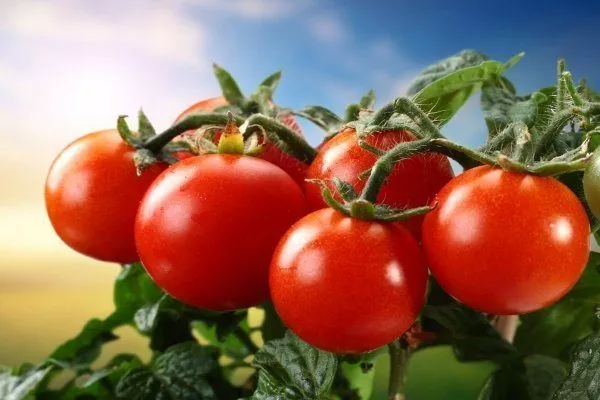
Advantages
Frost-resistant varieties are becoming increasingly popular among gardeners every year. They were bred specifically for Siberia and boast the following characteristics:
- disease resistant;
- high-yielding;
- ripen quickly in short summer conditions;
- tolerate temperature changes well;
- do not require a lot of sunlight, despite the fact that tomatoes are heat-loving crops.
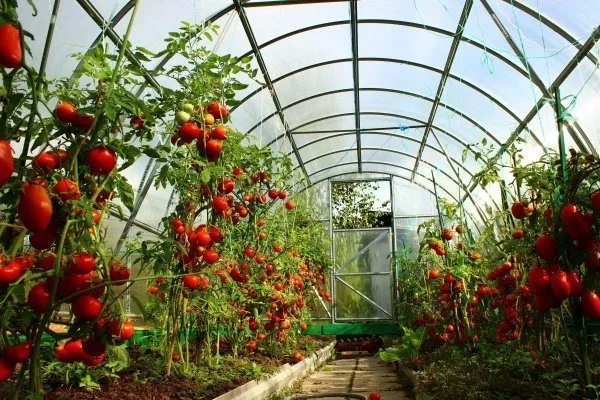
These varieties are suitable for growing in the Urals, as well as in central Russia and in high-risk climate zones, where summers don't offer much warmth and sunshine.
Tomatoes for greenhouses
The best varieties from Siberian breeders, which are more suitable for growing in a greenhouse, are:
- Pride of SiberiaThis is an early-ripening variety. It grows as a determinate bush up to 160-170 cm tall and requires support. It is used exclusively for greenhouse planting. The bushes require good and timely fertilization. The recommended planting pattern is 4-5 bushes per square meter. The plant produces bright red fruits that reach gigantic sizes—up to 900 g.
- Siberian AbundantThis variety is also considered an early-ripening variety. It is highly productive, yielding up to 5-6 kg of fruit per bush, with each tomato weighing approximately 150-200 g. They have a crimson-red color and a dense structure. The bushes grow up to 170 cm, with each producing up to 7 fruiting clusters. The outer flowers need to be pinched to ensure the remaining fruits ripen to the correct size.
- noblemanRipens in 113-117 days. The tomatoes grow large – from 300 to 500 g. Some can even reach 1 kg. The tomatoes are heart-shaped, raspberry-pink in color, and have a sweet, rich flavor. They are excellent for winter preservation. The plant produces a good yield – 3 to 6 kg can be harvested from 1 square meter. The variety is disease-resistant and tolerates low temperatures well.
- Great warriorThis variety got its name from the large, raspberry-colored tomatoes it produces, weighing around 500 g. It's an early-ripening variety, so if you plant it in a heated structure in March, you can harvest the first crop as early as May. Overall, its growing season lasts up to three months.
- AlsouThis is one of the most popular tomatoes bred by Siberian breeders, producing large, fleshy fruits—averaging 500 g. The bushes grow small, reaching up to 80 cm in height. The tomatoes are generally sweet, but have a tart flavor. Up to 9 kg of yield can be harvested from 1 square meter. These tomatoes have excellent marketability and are highly transportable.
Comparison of greenhouse varieties by yield
| Variety | Yield (kg/m²) | Ripening period (days) | Fruit weight (g) |
|---|---|---|---|
| Pride of Siberia | 4-5 | 85-95 | 500-900 |
| Siberian Abundant | 5-6 | 90-100 | 150-200 |
| nobleman | 3-6 | 113-117 | 300-1000 |
| Great warrior | 4-5 | 90-100 | 400-500 |
| Alsou | 7-9 | 90-105 | 400-500 |
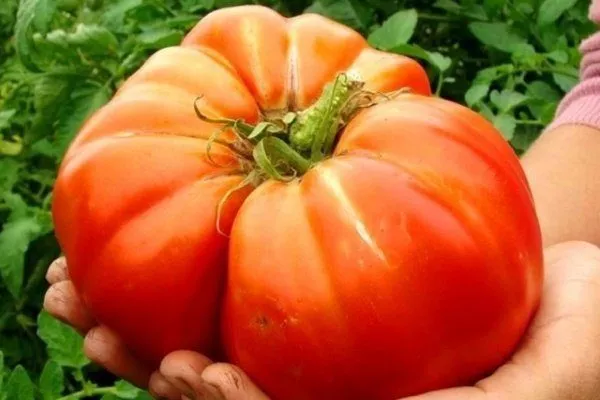
Tomato variety "Pride of Siberia"
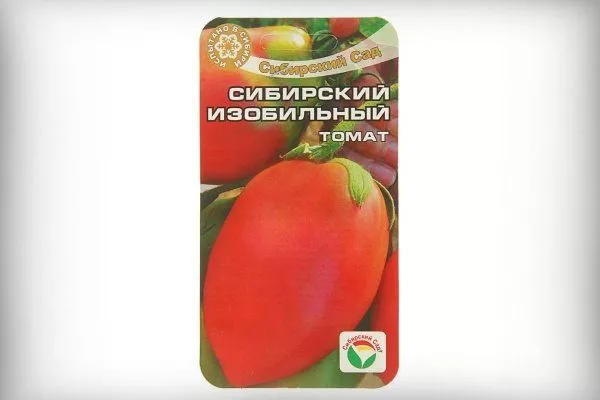
Siberian abundant tomato variety
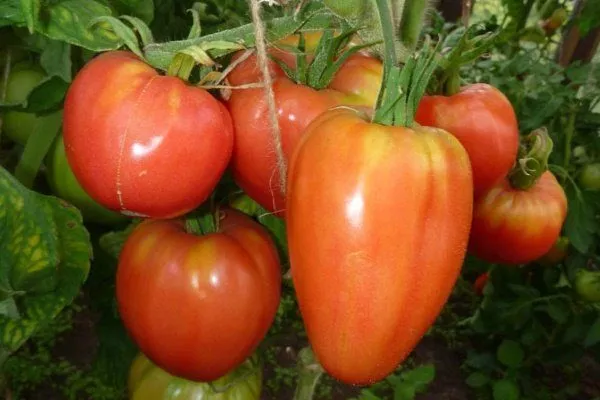
Variety "Velmozha"
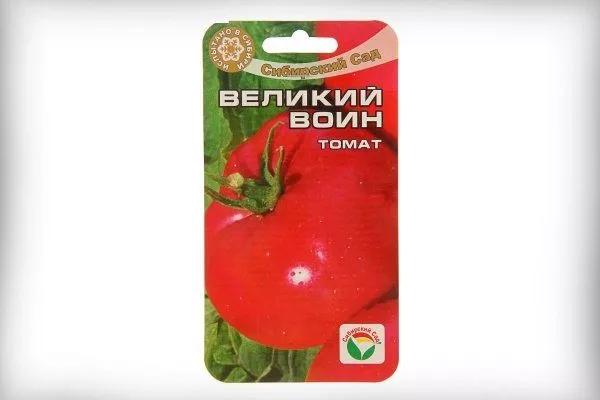
Tomato variety "Great Warrior"
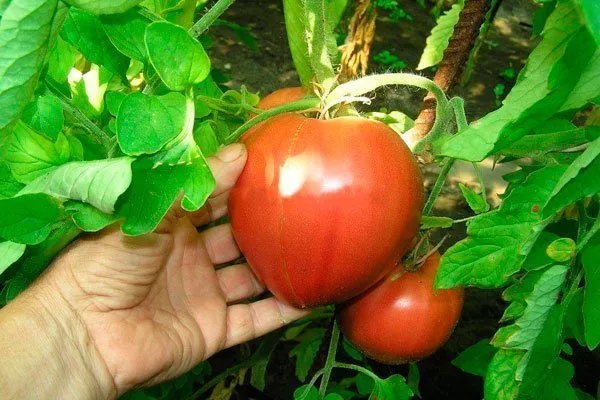
Tomato variety "Alsu"
To ensure the active development of seedlings of the varieties listed, it is recommended to use special growth stimulants for seedlings.
Varieties for open ground from various agricultural companies
They are produced by several agricultural companies, so the products of each of them should be considered separately.
Siberian Garden
Gardeners prefer the following varieties:
- Siberian surpriseThis is a mid-season, multi-fruited plant, with each cluster producing 10 fruits. The average height of the bush is 100-120 cm and requires pinching. The tomatoes have an elongated, pepper-shaped form and weigh up to 130 g. They are excellent for both whole canning and salads.
- Siberian appleThis is also a mid-early, high-yielding variety, producing fleshy, pearl-pink fruits with a high sugar content. The bushes grow from 150 to 180 g in height. It is recommended to plant up to three bushes per square meter. This variety is also suitable for greenhouse cultivation.
- Siberian MalachiteIt produces yellow-green fruits weighing between 120 and 160 grams, which are sweeter in taste than many red tomatoes. The plant grows to a height of 120-190 cm.
- Novosibirsk HitThis hybrid produces bright red tomatoes that are highly disease-resistant. The bushes reach a height of 100 to 150 cm, and the fruits weigh up to 500 g. The flesh is fleshy and fragrant, with a small number of seeds.

Mid-early tomato variety "Siberian Surprise"
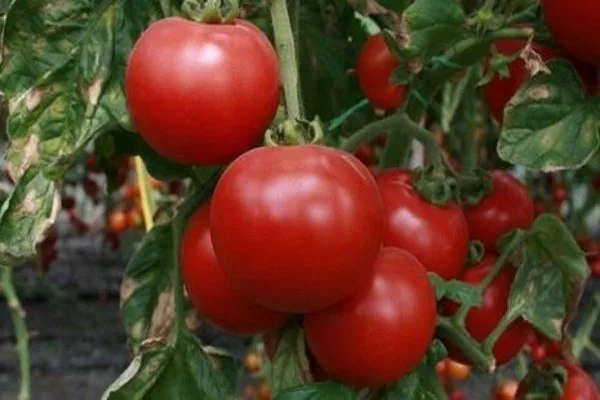
High-yielding tomato variety "Siberian Apple"
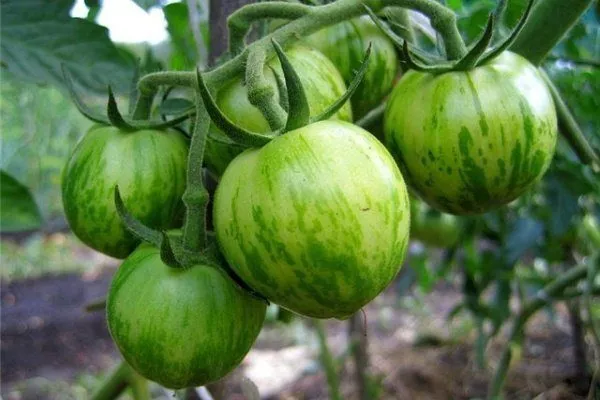
Yellow-green tomato variety "Siberian Malachite"
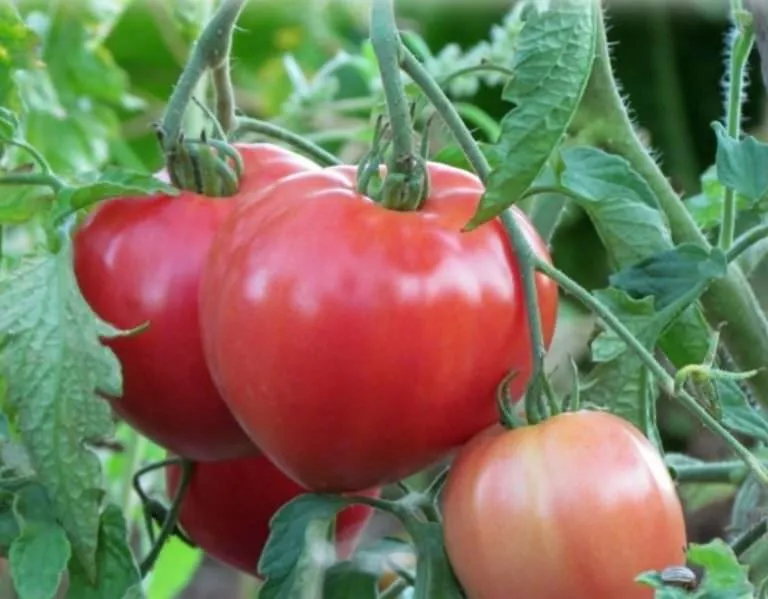
Highly disease-resistant hybrid "Novosibirsk Hit"
Altai Seeds
The agrofirm presents the following varieties:
- King of SiberiaThis is a mid-season plant recommended for growing in an open bed. The plant's bushes reach a height of 100 to 150 cm, making them easy to cover with plastic. It is a large-fruited variety—a single tomato can weigh up to 800-900 g. The fruits are bright yellow and heart-shaped. Seedlings are planted in open ground at 60-65 days, when one flower cluster and 6-7 true leaves appear.
- Chinese disease resistantA new early-ripening variety distinguished by high disease resistance. The plant's bushes are determinate, producing round tomatoes weighing up to 200 g and bright red.
- Bull's eyeAn early, abundantly fruiting variety that produces small, cherry-shaped tomatoes. Each cluster produces 10-40 small fruits (weighing up to 30 g). The bushes can reach a height of up to 200 cm.
- RugbyThis hybrid produces dense fruit suitable for canning. The bushes grow up to 100 cm in height. Five to seven fruits ripen on a single cluster. On average, they weigh 90-100 g.
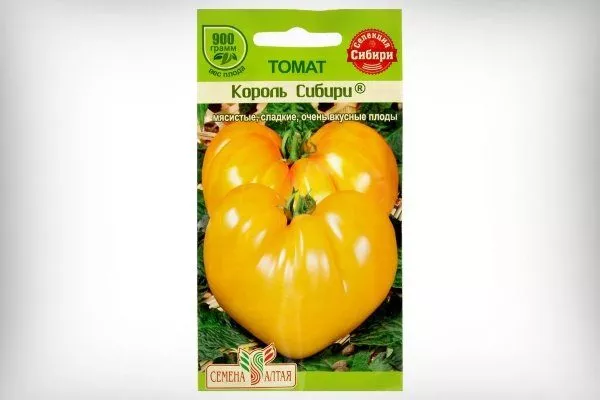
Mid-season tomato variety "King of Siberia"
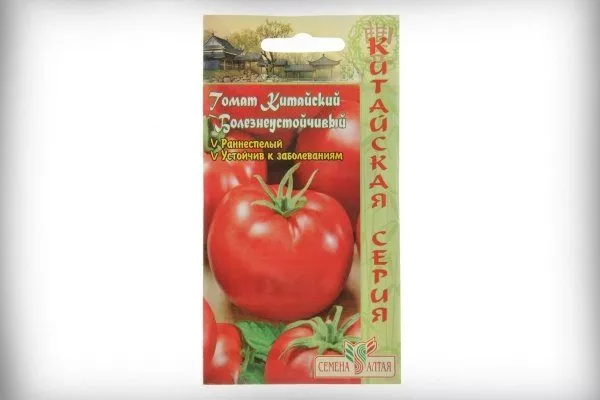
Early-ripening tomato variety "Chinese disease-resistant"
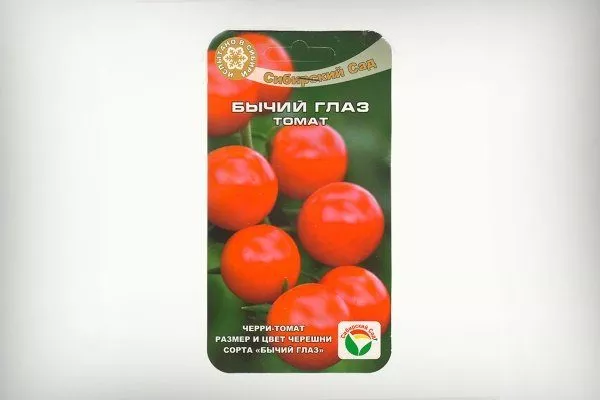
Tomato variety "Bull's eye"
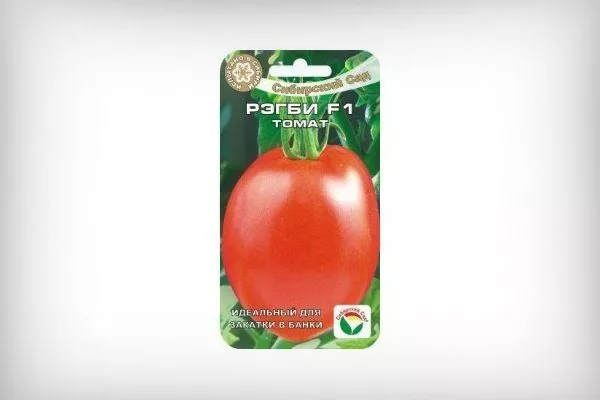
Variety "Rugby"
Russian vegetable garden
The agricultural company produces the early-ripening hybrid Finik Sibirskiy F1. The plant's bushes are determinate, reaching a height of approximately 60 cm and a width of 40 to 50 cm. The fruits are small, weighing up to 20 g. Therefore, the variety can be grown not only in open garden beds but also on a balcony.
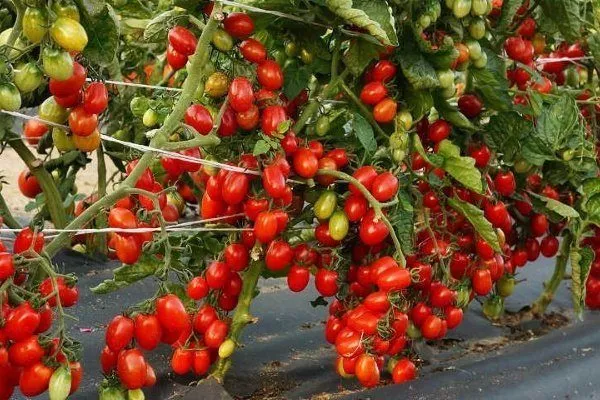
Aelita
A popular variety from this selection is "Siberian Miracle." It is a mid-season plant with indeterminate bushes, growing from 100 to 120 cm tall. It is recommended to plant them in double rows. It produces ovoid-shaped fruits of medium weight—up to 150 g. This variety is highly productive—approximately 9 kg can be harvested from 1 square meter. These tomatoes are excellent for canning.
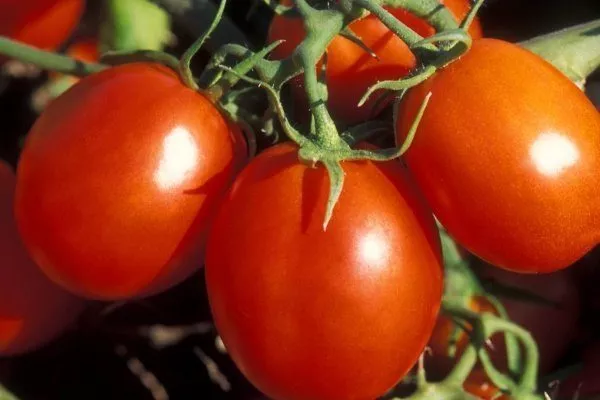
Early dwarf tomatoes
Summer residents and farmers living in regions with short summers prefer to plant Siberian-bred tomatoes, which produce a good harvest in open-field, high-risk farming. In such conditions, it's advisable to use low-growing, early-ripening varieties:
- Ultra-earlyThe vines grow up to 50 cm and produce small tomatoes weighing up to 90 g. The first harvest can be collected 80-90 days after the first shoots emerge. The plant is easy to care for, as the fruits ripen before widespread late blight, and there is no need for staking.
- Heavyweight of SiberiaIt is a low-growing plant—40 to 60 cm—but produces fairly large fruits. It does not produce a large harvest, but adapts well to low temperatures. It does not tolerate extreme heat well, so it is not grown in warm regions.
- Petrusha the gardenerThis variety is a determinate plant. The bushes grow up to 60 cm. The variety gets its name from the distinctive shape of its tomatoes—they are pointed, reminiscent of a cap. Each tomato weighs 150-200 g. It is characterized by its fleshy texture and sweet flavor.
- CountrymanTomatoes on bushes up to 70 cm tall ripen in 95-100 days. Each cluster produces 15 fruits, which are characterized by their fleshiness and small size (up to 90 g).
- SnowstormThis is a mid-early determinate variety that doesn't reach 60 cm in height. It produces round, red fruits weighing up to 100 g. They are distinguished by their high commercial quality and resistance to many diseases.
- DankoIt produces large, heart-shaped tomatoes weighing up to 300 g. They ripen on half-meter-tall bushes. The fruits have thin skin, making them unsuitable for winter preservation or long-term storage. For the best yield, gardeners recommend planting them in 2 or 3 stems.
- Money lilyThe plant tolerates adverse weather conditions well and is resistant to many diseases. It produces red tomatoes weighing up to 100 kg. They are marketable and ideal for preserves.
- NikolaIt is virtually immune to fungal diseases. The plant grows up to 65 cm, producing fruit weighing 100-200 g with a slightly sour taste. It begins bearing fruit in 106 days.
- SlivovkaThis is a compact plant, as its bushes do not exceed 40 cm in height. The tomatoes grow plum-shaped, fleshy, and weigh up to 100 g.
- Brawler/FighterIt is one of the rare non-hybrid varieties bred in Siberia. When grown in an open bed, the bush reaches a maximum height of 50 cm. It produces tomatoes weighing up to 100 g, which do not store well fresh, but are excellent for canning and pickling.
- Velvet seasonProduces a good early harvest. The plant's tops reach up to 70 cm in height. The fruits weigh up to 300 g and have a sweet flavor.
- White fillingThe bushes typically reach half a meter in height. They produce tomatoes weighing up to 100 grams, which are firm enough for long-term storage. Their juice will be excessively thick, but they are excellent for freezing.
- Berdsky largeThe variety is distinguished by its large fruits – one tomato can weigh up to 700 g. With a good harvest, 3 kg of tomatoes can be harvested from one bush.
- Sugar buffaloThe plant grows up to 1 m. On average, tomatoes weigh 300 g, but can reach 600 g. They are distinguished by their sugar content, fleshiness, and exquisite taste.
- BulatWith sufficient soil fertility, a single bush can yield up to 8 kg of fruit. The tomatoes are firm and fit easily into jars, making them popular for pickling.
- Apparently—invisibleThis variety is highly resistant to fungal diseases. The bushes grow small, reaching 55-85 cm. Each root yields 4-5 kg of fruit. The tomatoes weigh approximately 300 g and are easy to transport and store.
- Lady fingersThe fruits are ideal for whole canning, with a firm texture, plum-shaped form, and a weight of approximately 60 g. In open ground, a bush up to 80 cm tall can yield 1 kg of tomatoes. If grown in a greenhouse, the yield will increase several times over.
- DemidovIt attracts farmers with its excellent taste and low maintenance. The plant is resistant to low temperatures, so it does not reduce fruit set. The only disease it can be affected by is blossom-end rot. Fruits weigh up to 100 g, and their weakness is cracking. Up to 5 kg of yield can be harvested from 1 square meter.
- Oak treeIt has increased frost resistance and is resistant to late blight and other nightshade diseases. One square meter can yield up to 6 kg of tomatoes, which have a rich, pleasantly tart flavor and weigh between 50 and 100 g.
- ShuttleThis variety requires no staking or cuttings. It ripens 81-100 days after the first shoots emerge. Each tomato weighs only up to 60 g. It's suitable for both canning and fresh eating.
- Killing powerA single bush can yield up to 5 kg of fruit. This is a determinate variety, and each tomato can weigh up to 150 kg.
- BullfinchesThis is one of the most productive varieties, resistant to cracking and late blight. Small bushes produce fruits weighing up to 150 kg. The first harvest can be collected in 95 days.
- Snow Fairy TaleBright red tomatoes grow on a single branch. The bushes don't need staking or pinching.
Parameters of dwarf varieties
| Variety | Height (cm) | Ripening period (days) | Purpose |
|---|---|---|---|
| Ultra-early | 50 | 80-90 | Universal |
| Heavyweight of Siberia | 40-60 | 95-105 | Salad |
| Petrusha the gardener | 60 | 100-110 | Canning |
| Countryman | 70 | 95-100 | Blanks |
| Oak tree | 40-60 | 85-105 | Universal |
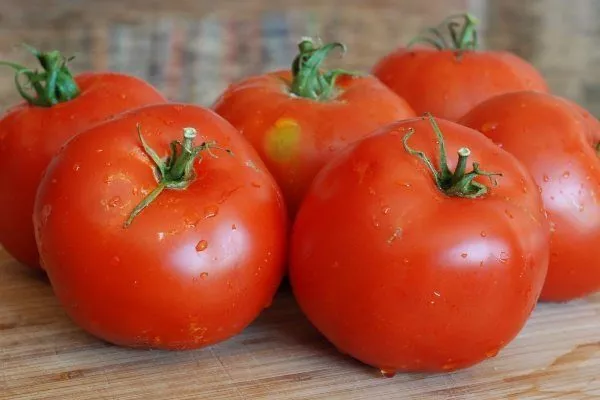
Variety "Ultra-early"
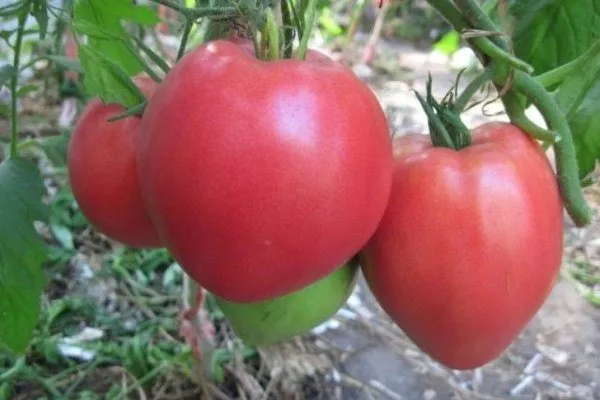
The "Heavyweight of Siberia" variety
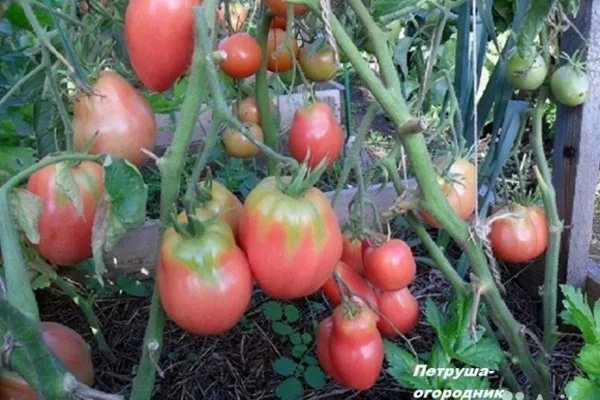
Variety "Petrusha gardener"
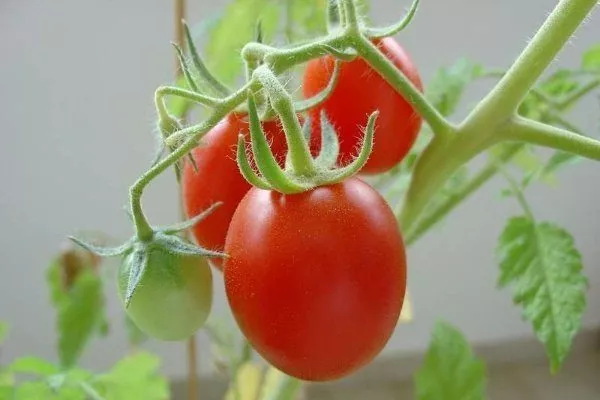
Variety "Zemlyak"
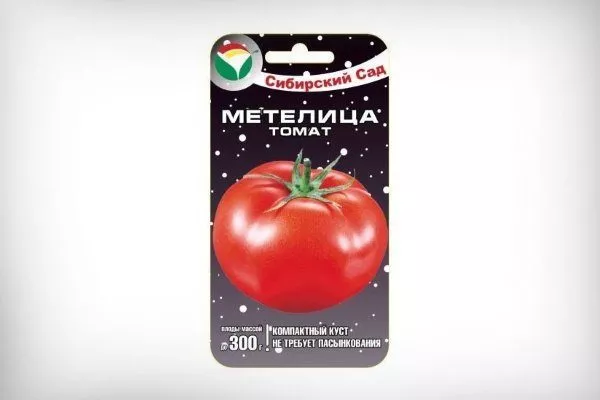
Tomato variety "Metelitsa"
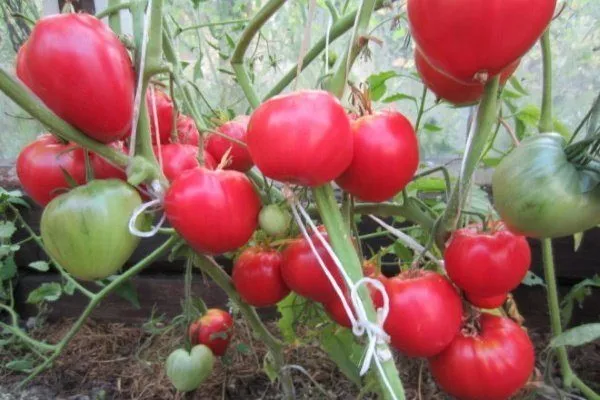
Tomatoes "Danko"
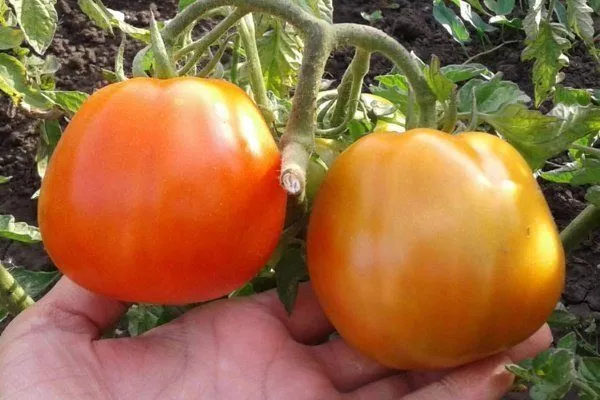
Tomato variety "Kubyshka"
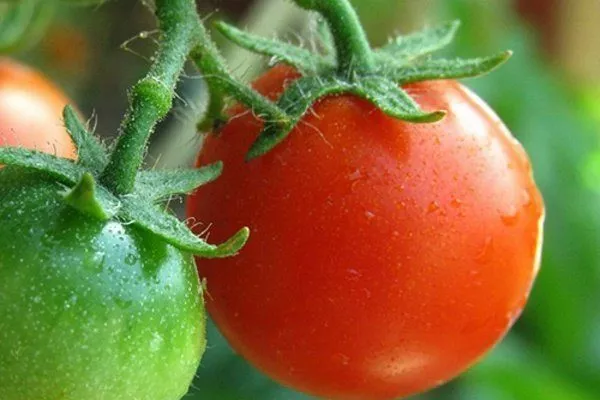
Tomato variety "Nikola"
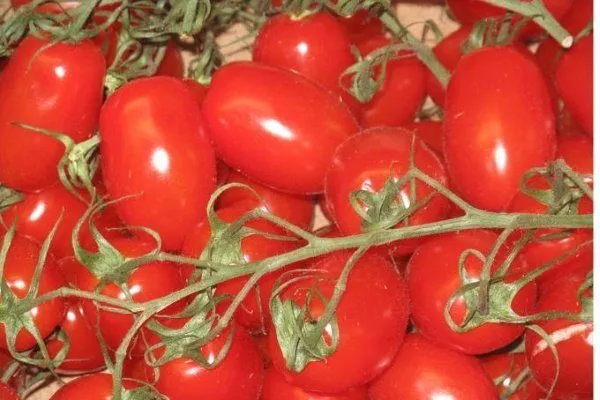
Plum variety
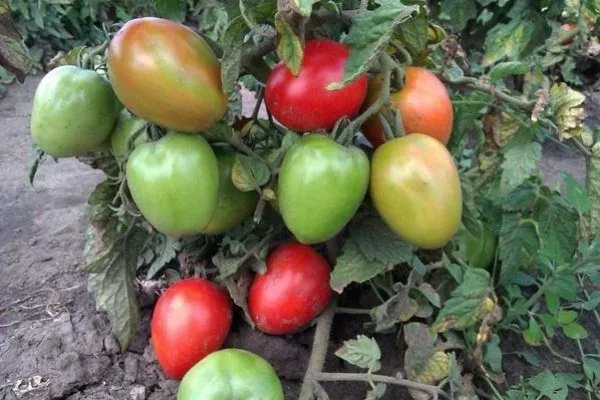
Tomato variety “Buyan/Fighter”
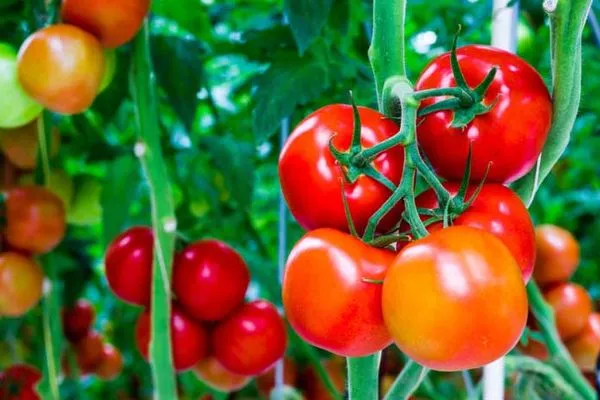
Tomato variety "Velvet Season"
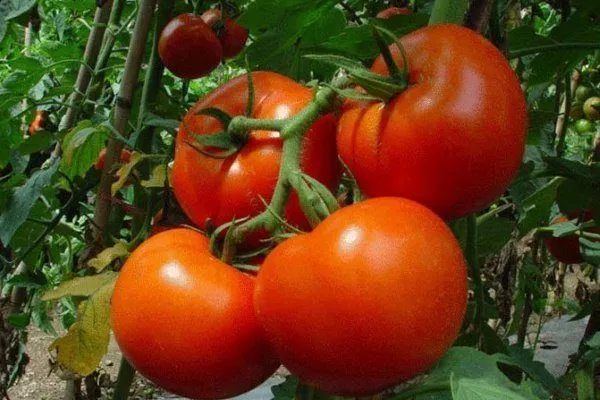
Variety "White filling"
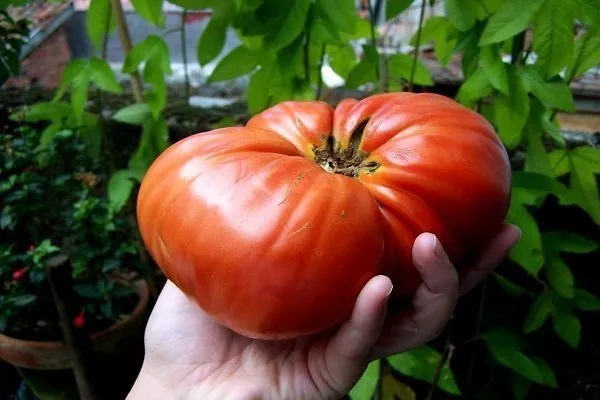
Variety "Berdsky Large"
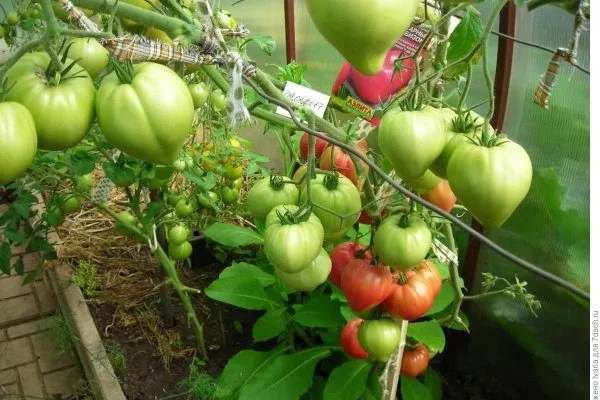
Tomato "Sugar Bison"
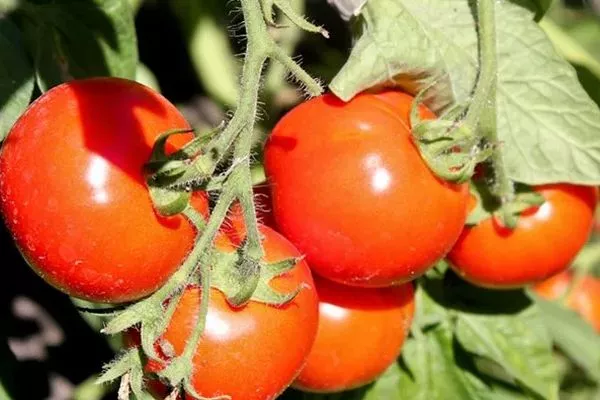
Tomato variety "Bulat"
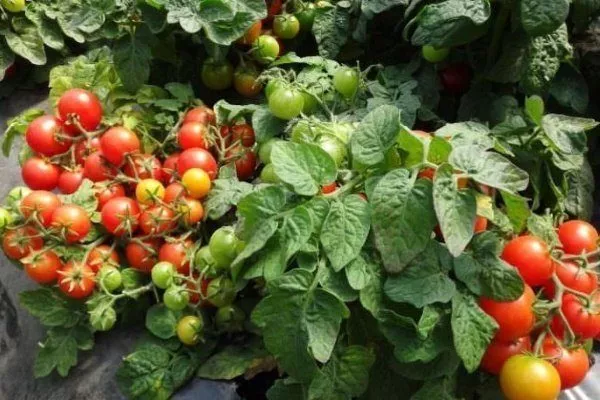
Tomatoes "Visibly Invisible"
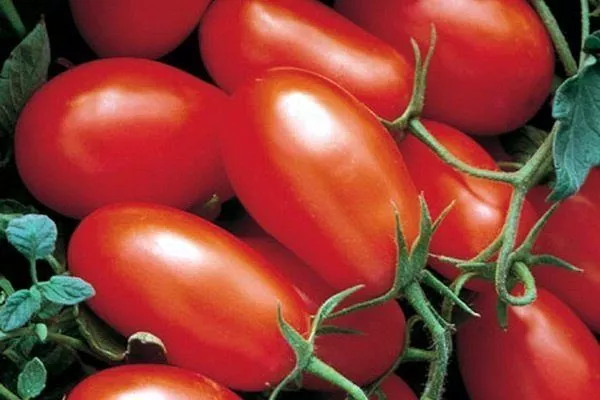
Variety "Ladyfingers"
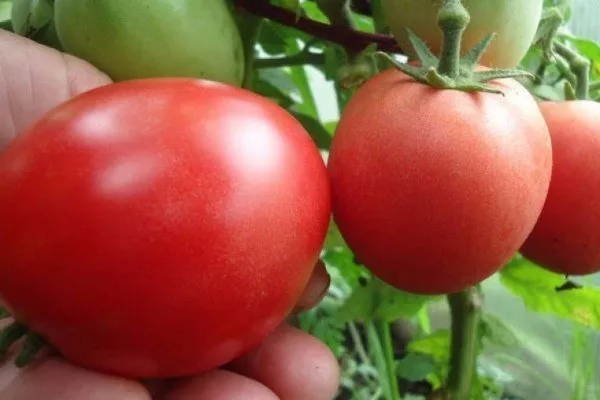
Tomato variety "Demidov"
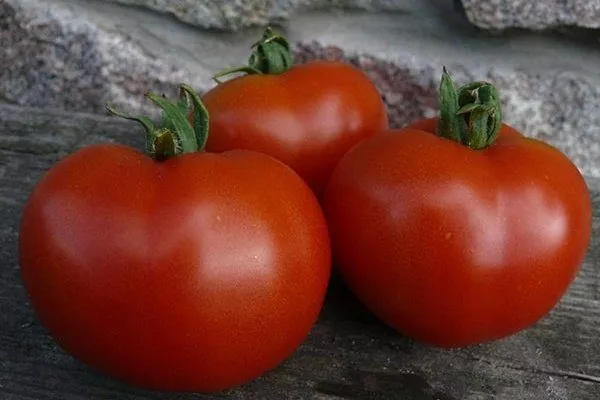
Tomato variety "Dubok"
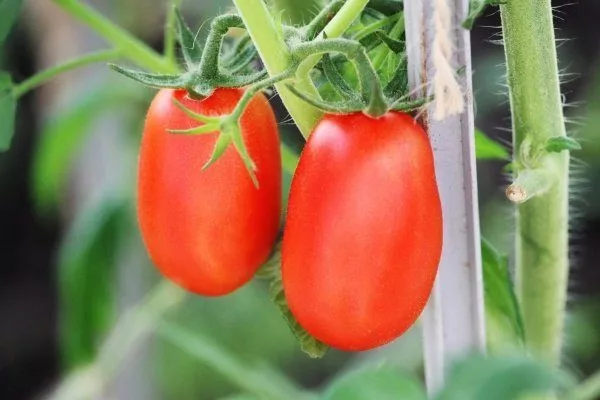
Shuttle variety
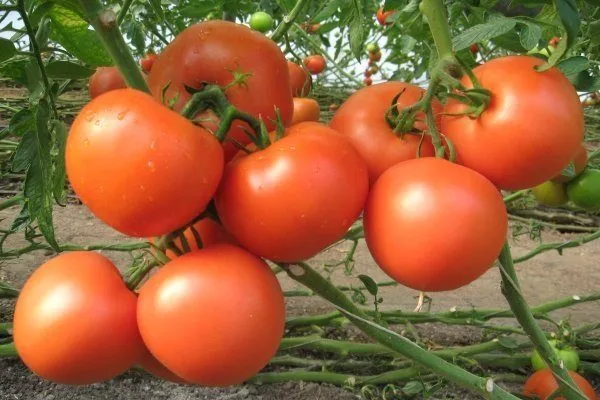
Tomato "Deadly Force"
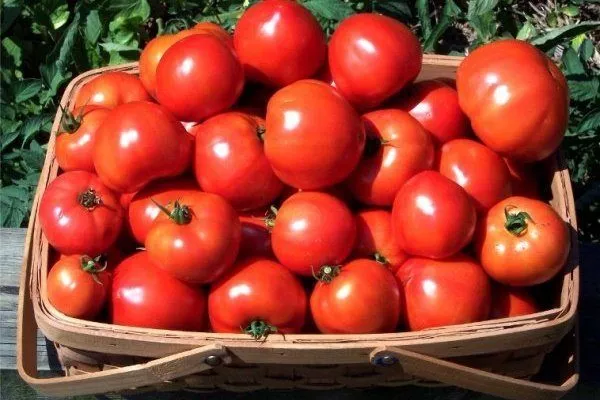
Tomato variety "Snegiri"
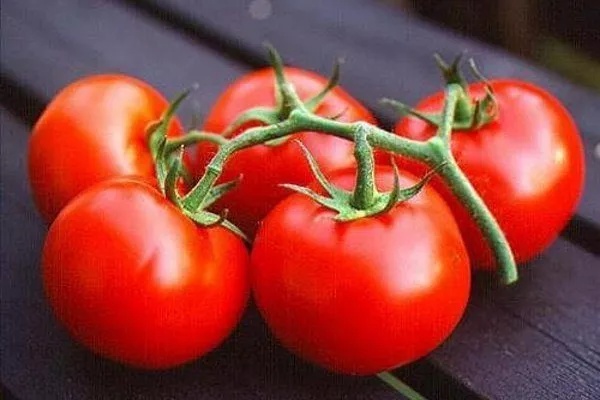
Variety "Snow Tale"
Siberian-bred tomatoes, characterized by early ripening and low growth, are an excellent choice for farmers in the central and northern regions.
How to choose?
As you can see, there are many varieties of Siberian selection, and to select the most suitable seeds, it is worth considering a number of important parameters:
- Ripening periodIf the summer season is short, early-ripening seeds are more suitable. These plants will only need three months to grow and produce a harvest.
- Types of seedsThey can be of two types: varietal or hybrid. Varietal tomatoes, bred in Siberia, are hardier plants, and seeds can be collected and planted the following year. Hybrids, however, require crossbreeding to ensure good germination, fruit production, and disease resistance. Therefore, hybrids may not produce hardy offspring.
- Type of bushSiberian-bred varieties can be standard, semi-standard, indeterminate, determinate, etc. Apart from indeterminate varieties, all other types have short, sturdy stems that bend only under their own weight. Regular determinate varieties are characterized by continuous growth and abundant yields. If the bushes reach 2.5 m in height, they will need to be staked even without fruit, otherwise they will fall to the ground.
Critical mistakes when choosing
- × Planting indeterminate varieties without support structures
- × Selecting late-ripening varieties for regions with short summers
- × Using hybrid seeds for subsequent collection of seed material
- × Ignoring late blight resistance for open ground
When choosing varieties, it is also worth considering the intended use of the tomatoes, as some are more suitable for fresh consumption, others for canning, and still others for long-term storage and transportation.
Video: Tomato Varieties of Siberia
The following video offers an overview of the best varieties from the producer "Semena Altaya":
Siberian-bred tomato varieties are ideal for growing in northern regions, as they tolerate low temperatures well and thrive in short summers. The variety of these plants is quite wide, so everyone can find a variety to suit their needs.