
The Sakharnaya Nastasya variety is one of the most striking examples of beefsteak tomatoes. It boasts large, fleshy fruits, high yields, and excellent growing characteristics, making it an excellent choice for both experienced and novice gardeners.
Who brought it out and when?
The Sakharnaya Nastasya variety was developed by the renowned agrofirm Gavrish. It was developed by a team of seven breeders. The specialists used several tomato varieties to develop this new variety.
The Sakharnaya Nastasya variety is considered an improved version of the popular Bull's Heart tomato. It was added to the State Register of Russian Tomatoes in 2015. It is recommended for cultivation in all regions, both outdoors and indoors, depending on climate conditions.
Description of the variety
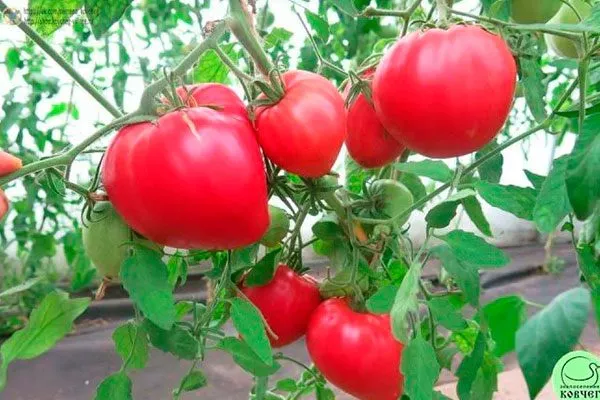
Medium-sized bushes with strong stems and moderate density belong to the indeterminate type. Plants reach a height of 1.5 m. Leaves are medium-sized, dark green, and standard in shape. This variety has simple inflorescences, and large, weighty fruits. A single cluster produces 6-8 large fruits.
Brief description of fruits:
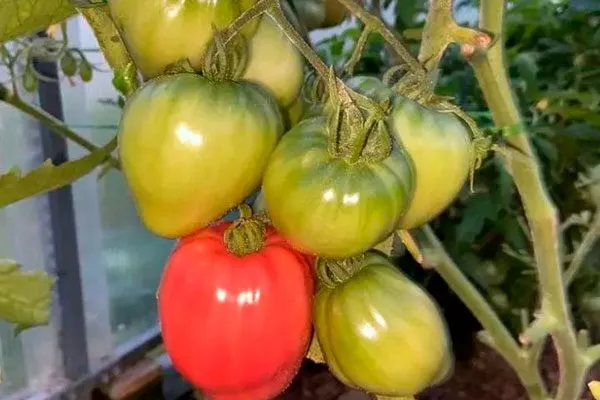
- Unripe fruit color: light green.
- Color of ripe fruit: red, crimson.
- Form: heart-shaped, medium-ribbed.
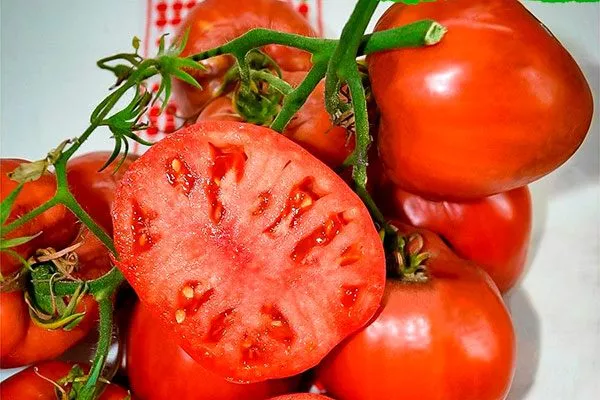
- Pulp: fleshy, grainy, medium density.
- Skin: dense, elastic.
- Weight: 250-300 g
Taste and purpose of fruits
The fruits of the Sakharnaya Nastasya variety are sweet, with a rich tomato flavor. The sweetness is pleasant, not cloying. Ripe fruits acquire a vibrant aroma. This variety is intended for salads, but it can also be used for juices and various preserves.
Characteristics
The beef tomato "Sakharnaya Nastasya" is easy to grow, as it has excellent agronomic characteristics. It is hardy and undemanding, resistant to disease, and easily adapts to a wide range of conditions.
Features of the variety:
- Characterized by high yields, 9-11 kg of fruit can be harvested per square meter. A single bush can yield approximately 3 kg of tomatoes.
- It's a late-ripening variety. It takes 120-130 days from germination to the ripening of the first fruits.
- ABOUTIt is distinguished by its increased resistance to adverse weather conditions. Its bushes easily survive heat, prolonged rains, and temperature fluctuations.
Pros and cons
Before planting beefsteak tomatoes in your garden, it's helpful to familiarize yourself with all of their characteristics, pros, and cons. This will help you determine whether the variety you're considering is suitable for your intended purposes.
Landing
The medium-sized Sakharnaya Nastasya variety is grown from seedlings. In the south, it's grown in open or closed ground; in other regions, plastic structures are preferred.
How to prepare seeds?
Before sowing seeds in open ground or for seedlings, it is recommended to prepare them accordingly. Pre-sowing preparation increases germination and ensures the strongest, healthiest, and most productive plants.
Features of seed preparation for planting:
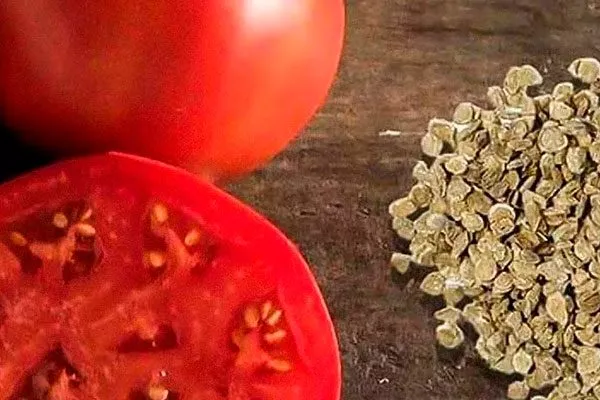
- The seeds are sorted, discarding defective, small, damaged, and darkened specimens.
- A saline solution will help identify non-germinating and hollow specimens - they will float to the top.
- Seeds can be disinfected using fungicides, 1% potassium permanganate solutions or 3% hydrogen peroxide.
- To increase germination, seeds are soaked in growth stimulants, such as Epin, Kornevin, Zircon, etc.
- It's best to germinate the seeds before sowing. To do this, wrap them in a damp cloth. Once the seeds sprout, they are immediately planted in soil or seedling pots.
Sowing seedlings
Tomato seedlings are sown in early March or late February—the timing varies from region to region, depending on local climatic conditions.
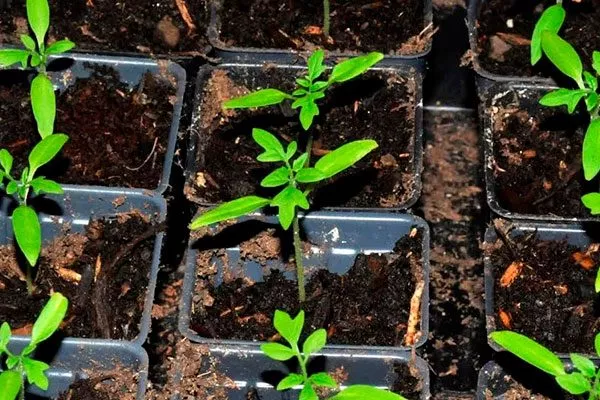
Features of sowing seedlings:
- Tomatoes are sown 50-55 days before planting in the ground.
- For growing, use containers filled with substrate or peat pots. The latter option is preferable, as it allows you to plant tomato seedlings along with the container, preventing root damage.
- Large containers can be used for sowing. However, the seedlings will need to be transplanted into individual pots during transplanting. You can also sow seedlings in trays or cups, but even from there, the seedlings will need to be transferred to larger containers.
- Fill the pots with a substrate from a grocery store or a homemade potting mix. The first option is simpler, but also more expensive. The second requires effort and requires several ingredients to prepare the mix. For example, a nutrient-rich substrate can be made from peat moss, humus or compost, sand, wood ash, and sawdust.
- Before sowing, water the soil to keep it slightly moist. Make shallow furrows in the containers and scatter the seeds at intervals of 3 x 3 cm. Plant 2-3 seeds per cup, planting them approximately 1 cm deep. Cover the seeds with a thin layer of loose soil.
- The crops are watered with a spray bottle and covered with a transparent material. Containers can be covered with glass, while cups are more conveniently covered with plastic film. The crops are kept in a warm room. The optimal air temperature is +22°C to +25°C.
- Every day, the cover is removed to air the crops. They are also regularly sprayed with warm, settled water.
- ✓ Optimum soil temperature for seed germination: +22..+25 °C.
- ✓ The need for round-the-clock lighting for young plants in the first days after germination.
Caring for seedlings
As soon as the seedlings begin to emerge from the ground, the plastic film is removed immediately. This is crucial, as young plants under cover can die due to the stuffiness and greenhouse effect. It's also crucial to immediately lower the temperature to prevent the seedlings from growing too fast. Otherwise, the seedlings will stretch out.
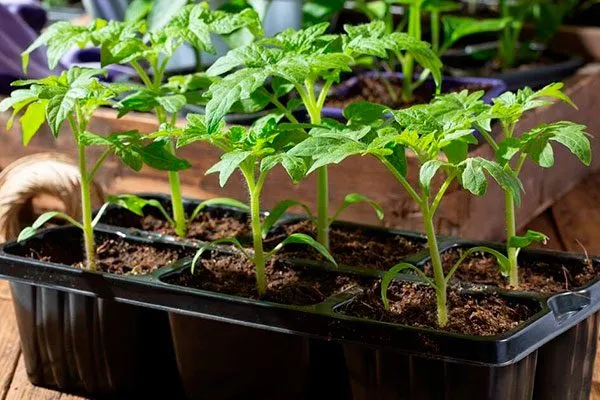
Features of seedling care:
- For a week, the seedlings are kept at a lower temperature of +14…+16 °C. At night, the temperature should be even lower, at +10…+12 °C. After a week, the temperature is raised to +20…+23 °C.
- Young plants initially require 24-hour light. Over time, daylight hours are reduced to 18-20 hours, gradually decreasing until, after a month, they should reach 11-12 hours.
- During the first week, water the seedlings sparingly—once a week. Use only warm, settled water. Apply it carefully, right at the roots. Avoid getting the water on the leaves and stems to prevent the development of fungal diseases.
- When 2-3 true (non-cotyledon) leaves appear, transplant the plants into separate or larger containers, pinching back 1/3 of the central root.
- After transplanting, water the seedlings more frequently, approximately 2-3 times a week. Fertilizing also begins after transplanting. During the growing season, seedlings are fertilized 1-2 times. Special complex seedling fertilizers are usually used.
- Hardening off the seedlings can begin 1-2 weeks before planting. This will help them adapt more quickly to the open ground. Gradually increase the time spent outdoors, and leave the seedlings outside until planting. This is only true if nighttime temperatures don't drop below 10°C.
Selecting a site
To ensure that tomatoes grow well and produce fruit without disease, it's important to choose the right location. The site should be well-lit throughout the day. Tomatoes should avoid shade, waterlogged soil, drafts, and strong northerly winds.
Light, sandy or loamy soils with a neutral pH are considered the best for tomatoes. They should be loose, nutritious, and well-drained.
The best predecessors for tomatoes are cabbage, cucumbers, zucchini, onions, garlic, legumes, and pumpkins. Tomatoes should not be planted after nightshades such as potatoes, eggplants, peppers, etc.
Soil preparation
Soil preparation for tomato planting begins in the fall. The appropriate soil components are selected based on the soil's fertility, structure, and acidity. Organic matter (compost, humus, or manure) and mineral fertilizers (potassium sulfate and superphosphate) are added to improve nutritional value.
For heavy soils, add loosening agents such as sand or peat. If the soil is acidic, add slaked lime, dolomite flour, or wood ash. Spread all the ingredients evenly over the area, then dig the soil to the depth of a spade. In the spring, level the soil with a rake and prepare the planting sites for the tomatoes by digging rows or holes.
Transplanting
Planting in open ground occurs only when the weather becomes consistently warm, and under cover approximately two weeks earlier. The optimal air temperature for planting seedlings is between 18 and 22°C, and the soil temperature is between 12 and 14°C. Seedlings are planted when the seedlings have developed 7 to 12 leaves.
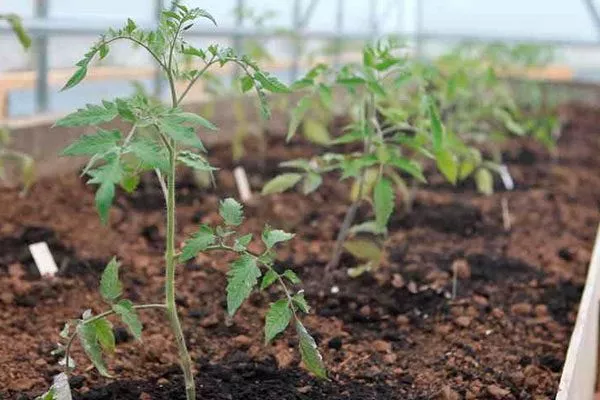
Features of planting seedlings:
- For planting, dig holes in a 40 x 60 cm pattern. Alternatively, dig rows spaced 60 cm apart. Plant 4 tomato plants per square meter.
- Humus, wood ash, and superphosphate are poured into the bottom of the holes, covered with ordinary garden soil and watered with warm water.
- The seedlings are transferred to the holes along with the root ball. To make removal from the planting containers easier, they are watered generously.
- The seedlings are placed in holes (or rows). The empty space is filled with soil, compacted, and watered. The next watering is not done until 10 days later.
Care
The Sakharnaya Nastasya variety requires basic care. The yield of this beefsteak tomato directly depends on its correct, consistent, and timely care.
Watering
Beefsteak tomatoes are watered regularly, depending on weather conditions and soil conditions. On average, watering is twice a week. It's important to ensure the soil doesn't dry out or become overwatered, as standing water can cause rot and fungal infections.
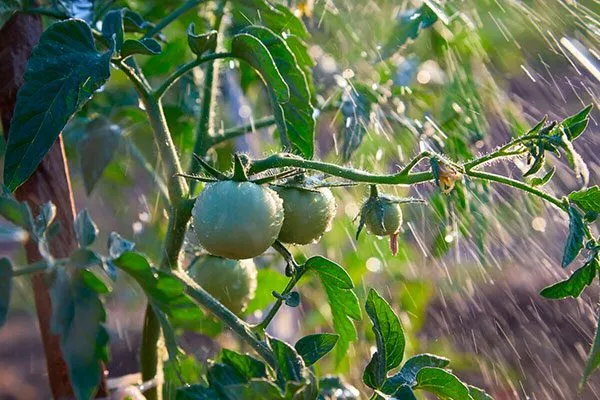
The best time to water is evening or early morning. The optimal water temperature is 20 to 25°C. In cool weather, reduce watering. The recommended watering rate per bush is 5 liters. During fruiting, reduce watering to prevent waterlogged fruits.
Top dressing
To ensure a good harvest, the Sakharnaya Nastasya tomato is fed several times with organic and mineral fertilizers. The first feeding is done two weeks after planting the seedlings in the soil. At this stage, it is advisable to use a fertilizer with a full mineral complex.
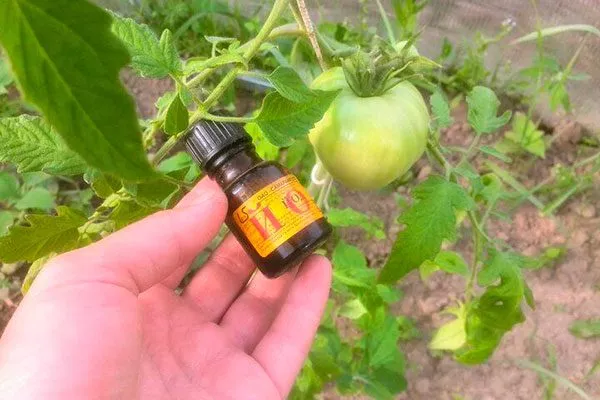
The second feeding is done during fruiting. A diluted mullein infusion, for example, is suitable. The third feeding is done during the fruiting period, using a mineral complex containing potassium salts.
Loosening and weeding
To ensure the root system receives sufficient oxygen for plant growth and development, the soil is loosened the day after watering or rain. The soil should be loosened to a depth of approximately 10 cm initially, gradually decreasing to 4-5 cm as the plants grow.
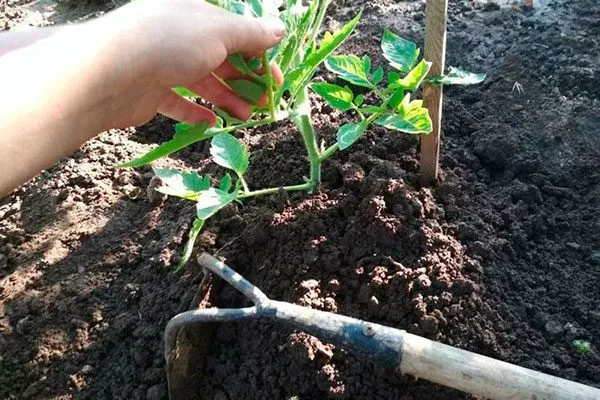
Also, during loosening, weeds are removed, which absorb nutrients, interfere with the growth of tomatoes and attract insects.
Garter and shaping
Sakharnaya Nastasya tomato bushes require support. As the stems grow, tie them to supports with soft ribbons. During the ripening period, tying the clusters is also recommended. Form the bushes into 1-2 stems. Remove side shoots throughout the growing season.
Diseases and pests
The variety is resistant to late blight, brown spot, and fusarium, but under unfavorable conditions, there is a risk of infection. To prevent diseases, carry out preventative spraying with Fitosporin, Trichodermin, etc.
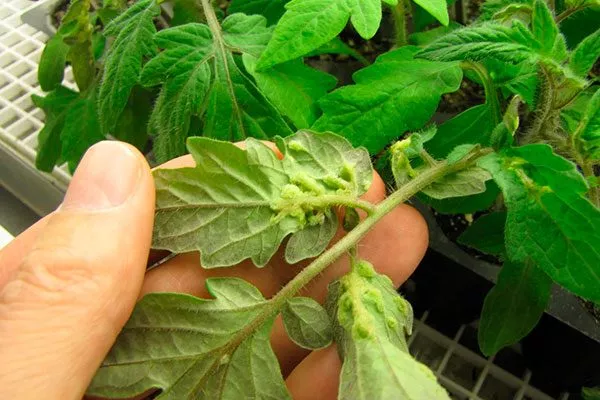
The biggest threats to the Sakharnaya Nastasya variety are aphids and whiteflies. A solution of laundry soap can help combat aphids, while pheromone traps and fragrant plants, such as basil, onions, and garlic, can be used against whiteflies. In case of widespread insect infestations, insecticides such as Confidor can be used.
Harvesting
Harvesting begins in late July or early August. The fruits ripen gradually, gradually. There's no need to rush the tomatoes, as they're not prone to cracking.
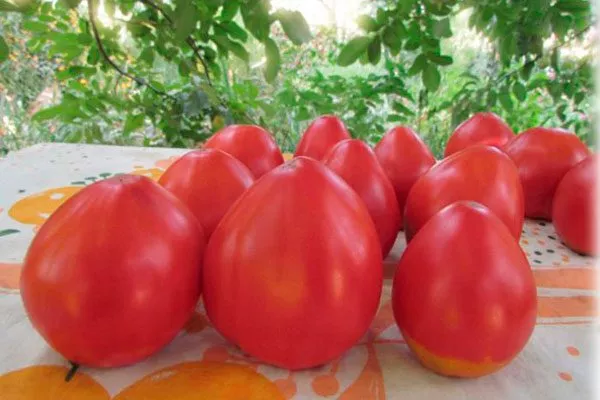
If tomatoes are to be stored, they should be picked unripe, in dry weather. Ripe fruits are not stored; they are eaten or processed immediately.
Reviews
The Sakharnaya Nastasya tomato is a truly luxurious variety, one might even say "elite." Its fruits are simply flawless—beautiful, delicious, and store well. This tomato lives up to its resonant name and will be a great addition to any garden.