
The Sahara tomato is an excellent choice for gardeners who want to grow a productive and easy-to-grow variety with excellent flavor and disease resistance. Its advantages far outweigh its disadvantages. By following the care recommendations, you can increase yields and produce high-quality vegetables.
Appearance of the plant and fruits
This variety was developed by Russian breeders in 2009 and added to the State Register in 2010. It is a determinate variety characterized by a compact growth habit and requires no staking. The plant height is approximately 60-70 cm, with a moderate number of medium-sized leaves.
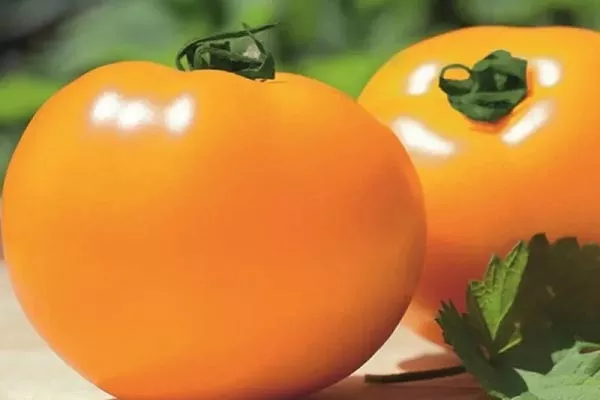
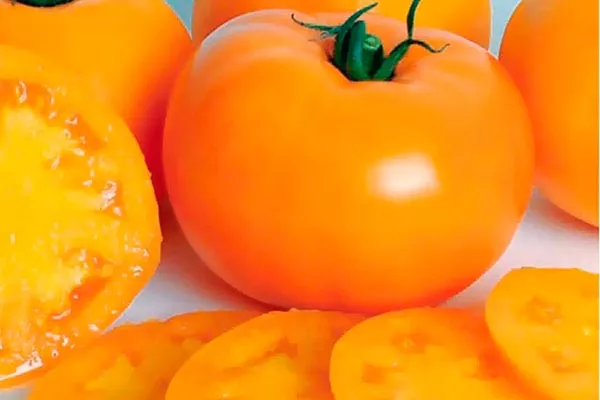
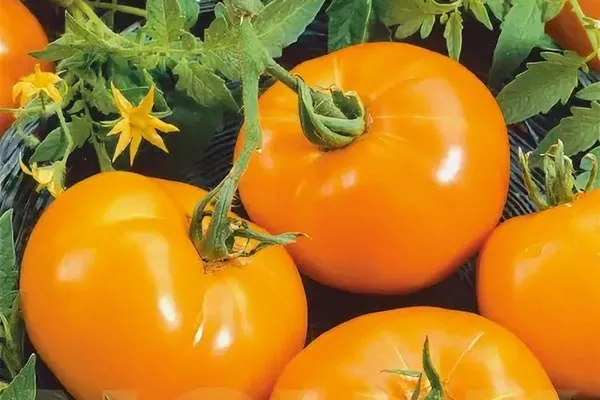
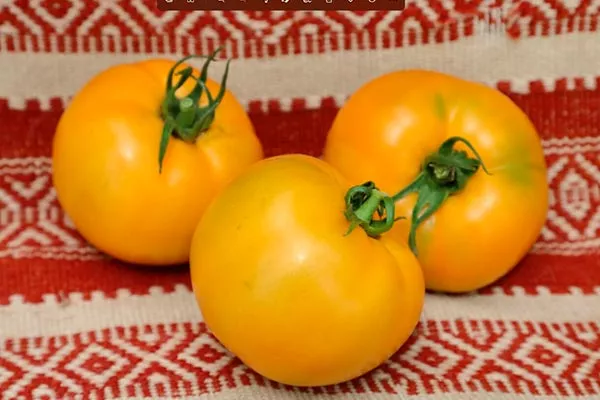
The fruits are incredibly sweet and juicy. They weigh about 250 g, have a flattened, round shape, and a rich orange-yellow color with no green spots near the stem. A single cluster produces 4 to 6 tomatoes.
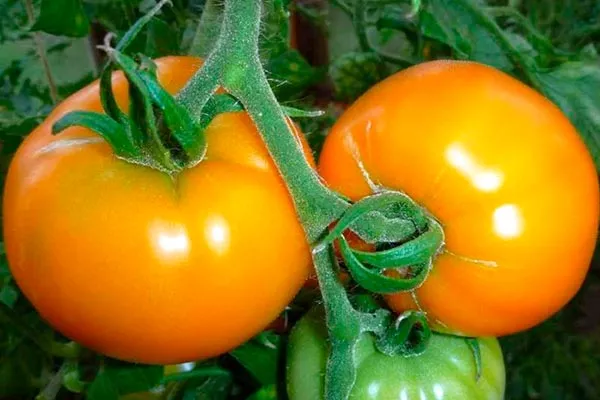
- ✓ The fruits have a high sugar content, which makes them especially sweet even in unfavorable growing conditions.
- ✓ The variety demonstrates resistance to blossom-end rot, which is rare among large-fruited tomatoes.
Characteristics of the culture
This is an excellent choice for those who appreciate sweet and juicy fruits. This variety has good disease resistance and is versatile: it can be eaten fresh or used for canning. Despite its few shortcomings, it deserves the attention of every tomato connoisseur.
Ripening period
The ripening period for tomatoes depends on climate conditions, the level of care provided, and whether they are grown in a greenhouse or in the open field. In cool climates, tomatoes ripen in beds in approximately 120 days. In warmer climates or when grown in a greenhouse, the fruits are harvested in as little as 90 days.
Regions for cultivation
Sahara can be successfully cultivated in any climate. In cool climates, it's best to plant the plants in greenhouses, while in hotter regions, the bushes will require regular watering to maintain optimal humidity levels.
Productivity
With proper care, 1 square meter of Sahara tomato plantings can yield approximately 7 kg of harvest. Each fruit weighs approximately 120-150 g. In favorable climate conditions, tomatoes are harvested approximately twice a week.
Features of planting and growing
The crop grows well in any soil, but to ensure high yields and fruit that meets the stated characteristics, it's important to follow planting and care guidelines. Growing conditions (in a greenhouse or open ground) influence the height of the bushes, the size of the fruit, and the overall yield.
Soil and planting algorithm
Begin preparing the soil in the fall. Follow these recommendations:
- After harvesting, remove the tops and thoroughly dig up the soil, removing weed roots, pests and their larvae.
- Treat the soil with a disinfectant. Repeat the digging in the spring to oxygenate the soil, identify emerging pests, and remove new weeds.
- After all procedures, fertilize the soil, disinfect it and let it “rest” for 1-2 weeks before planting.
- To reduce the risk of disease, once every 4 years, sow the area where tomatoes were grown with crops such as beans, onions, garlic, beets, carrots or cabbage.
- Avoid planting potatoes and bell peppers as they increase the risk of plant infestation.
- ✓ Soil pH should be between 6.0-6.8 for optimal nutrient absorption.
- ✓ The soil must be well-drained to avoid waterlogging and root rot.
Use seedlings for planting. Start sowing seeds 2-2.5 months before transplanting. In warm regions, sow in March; in cooler regions, sow in mid-April.
To grow seedlings, prepare the soil:
- Mix clean soil (free from weeds and pests) with humus or peat in equal proportions.
- Add 1 part sand or sawdust to improve aeration.
- For disinfection, add 100-150 g of wood ash per 10 kg of soil.
- Seeds are usually sold pre-treated, so they can be planted directly into moistened soil at a depth of 1-2 cm. Distribute the mixture into containers about 15 cm high, preferably made of degradable material, to prevent damage to the roots when transplanted into the ground. Moisten the soil and cover the containers with plastic wrap until the seedlings emerge.
- The first shoots will appear in 7-10 days. After this, remove the film. The seedlings require 12-16 hours of light; use special lamps, as direct sunlight can damage young plants. The optimal air temperature is 18-20°C. Water every 3-5 days with warm water.
- When 2-3 true leaves appear on the sprouts, transplant the seedlings into the soil.
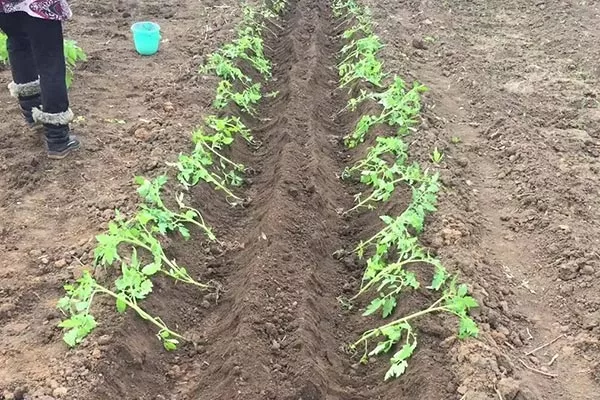
Transplant seedlings in May or June, depending on the weather conditions in your region. Place 18-20 cm deep holes in a 40x60 cm pattern to prevent the plants from crowding each other. This arrangement allows the plants to develop freely and produce fruit.
Care
This crop requires attention and care to maximize yields. Follow these simple agricultural practices:
- Plant fertilizing. Fertilize the plants 7-10 days after transplanting during active flowering and twice more during fruiting. This will ensure the plants receive the necessary nutrition to produce large, healthy fruits.
- Tying up bushes. Mature plants require staking to prevent stem damage under the weight of the fruit. Install supports (such as wooden or metal stakes) when planting seedlings to avoid damaging the root system.
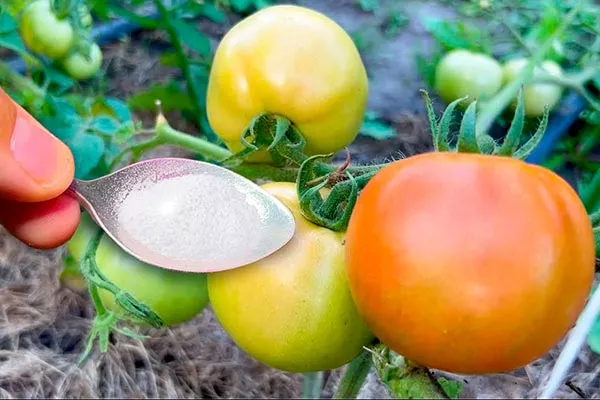
Weed at least once a week. Weeds rob tomatoes of nutrients and can be a source of pests and fungal infections. Regular weeding helps maintain healthy plants and increase yield.
Diseases and pests
The Sahara tomato is resistant to most diseases and pests, but regular preventative treatment is recommended to prevent potential problems. Here are the main pests, signs of damage, and control methods:
- Aphid. Bushes wilt due to loss of moisture and nutrients. Depending on the species, the insect attacks both above-ground and underground parts of plants. Wash off aphids with a stream of water, spray with a solution of ammonia, garlic, or soap. Effective products include Iskra, Fitoverm, and Aktara.
- Ticks. Leaves are wilting, yields are declining, and webbing is appearing. Treat plants with solutions containing onion peels, garlic, or alcohol. Increase the humidity in the greenhouse and use fungicides such as Fufanon, Fitoverm, and Sanmite.
- Slugs. Pests eat the leaves, and fruit begins to rot. Collect slugs by hand or use cornmeal traps. Spray plants with an ammonia or garlic infusion, and use insecticides such as Slizneed, Groza, or a 1% copper sulfate solution.
- Fungal diseases. Leaves wilt, vegetables rot, and yields decline. Remove affected plants from the area and treat with Bordeaux mixture, Polychom, and Barrier solutions. Disinfect the soil and greenhouse after harvest.
- Moth and Colorado potato beetle larvae. Insects eat leaves and roots, causing plants to wilt. Collect the pests and larvae, and use an infusion of garlic scapes, onion peels, or wormwood. Inta-Vir and Arriva are effective.
- Wireworm and mole cricket. They damage the root system, causing the bushes to wilt. Dig up the soil and destroy the larvae. Set traps: jars of butter and honey, or potato bait. Force, Grom, and Medvetoks will help.
- Root-knot nematode. Weakening and destruction of the root system. Plant garlic, onions, or cabbage next to the crop. Water the soil with boiling water and then cover with plastic wrap. Use Fitoverm or bleach.
Disinfect seeds and soil before planting, and change the soil each season with potassium permanganate. Inspect the bushes regularly and promptly remove any affected plants. Practice crop rotation and grow pest-repellent plants such as garlic and marigolds.
Harvesting
Vegetable harvesting depends on climate conditions. In hot regions, the first harvest can begin after July 20th, while in cooler climates, the fruits don't ripen until August.
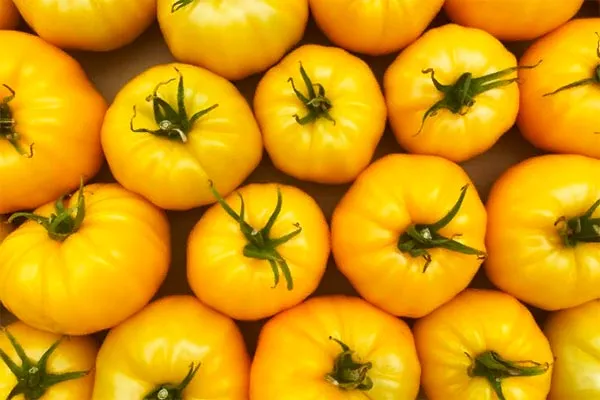
When harvesting, be careful not to damage the branches, as new buds may form on them. Carefully place the tomatoes in containers, preventing them from falling over, as this can cause them to rot.
The last tomato harvest occurs just before frost sets in. During this period, pick them green, as they ripen well indoors at temperatures around 25°C and moderate humidity, without the need for additional lighting.
Storage
After harvesting, inspect the tomatoes for any damage or rot. Use any blemished tomatoes first, while whole, firm, and unblemished tomatoes are suitable for long-term storage.
Store vegetables in well-ventilated wooden crates at a temperature of 2-5°C. The room should not have excessive humidity. Check the harvest periodically during storage.
Pros and cons
Before planting seedlings, carefully study the advantages and disadvantages of the crop to avoid any future problems. Sahara has many advantages:
Among the disadvantages of this crop, some vegetable growers note the need to tie the bushes to prevent the branches from falling to the ground. Tomato seeds are not suitable for planting, as they are a hybrid.
Reviews
The Sahara tomato is one of the most popular hybrids, attracting the attention of gardeners thanks to its excellent characteristics. This variety combines not only good productivity but also resistance to adverse conditions, such as heat and cold. The key is to provide proper care.