
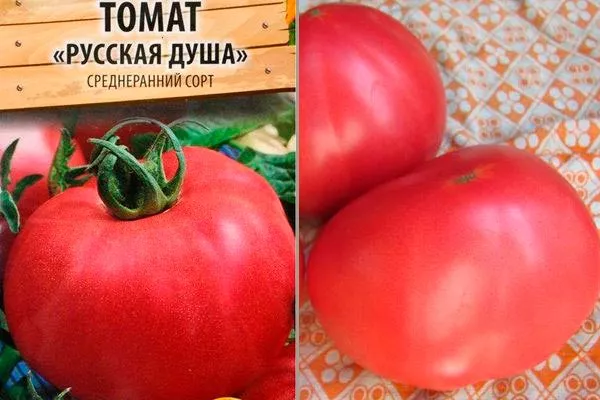
The Russian Soul tomato is a high-yielding and resilient variety that has quickly gained popularity among gardeners. Its large fruits are characterized by a vibrant flavor, juiciness, and fleshiness, making them ideal for fresh salads, sauces, and pastes. This variety is disease-resistant and adapts well to a variety of climates.
History and regions of cultivation
The crop was developed by Siberian agrobiologists S. V. Ugarova, T. N. Postnikova, and V. N. Dederko in 2003. In 2007, it was added to the State Register of Breeding Achievements of Russia. It is recommended for cultivation in various regions of the country.
The tomato is suitable for the following regions:
- Northern;
- Northwestern;
- Central;
- Volga-Vyatka;
- Central Black Earth;
- North Caucasian;
- Middle Volga;
- Lower Volga;
- Ural;
- West Siberian;
- East Siberian;
- Far Eastern.
In the central and southern regions it is planted in open ground, and in the northern regions – in greenhouses or under film.
Description of the plant
This is a tall variety, reaching a height of 160 to 180 cm, which is typical for most indeterminate tomatoes. Distinguishing characteristics:
- The stem of the bush is strong and dense, and the density of the foliage is of medium intensity.
- The branches have a semi-spreading shape, and the root system is strong and well developed.
- The inflorescences are of an intermediate type, and the fruit clusters usually contain 3 to 6 fruits.
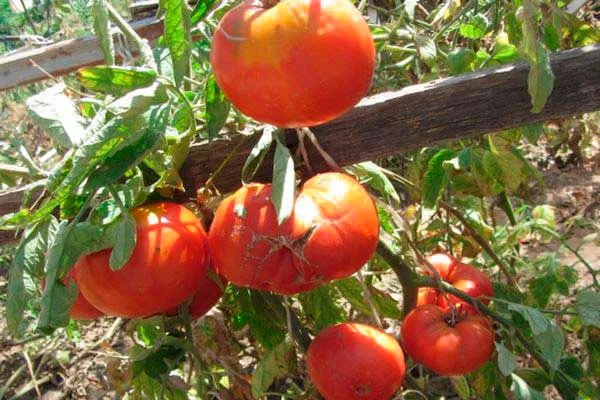
The foliage is a typical green colour and the leaf blades are medium in size.
Fruits, their taste and purpose
Tomatoes have numerous characteristics. Here are the main ones:
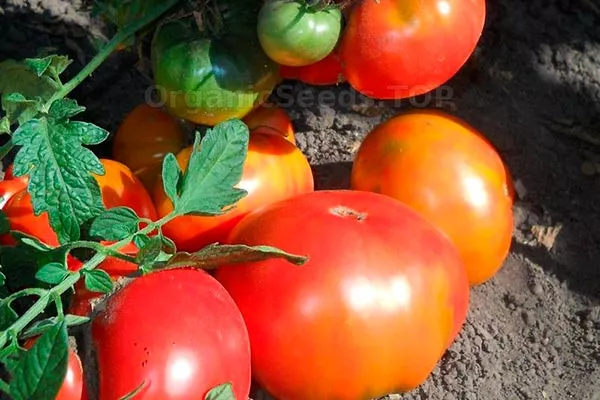
- When unripe, they have a light greenish hue, which changes to bright red as they ripen.
- They are large, weighing from 250 to 600 g, although sometimes they can reach even larger sizes.
- The shape is round with slight ribbing.
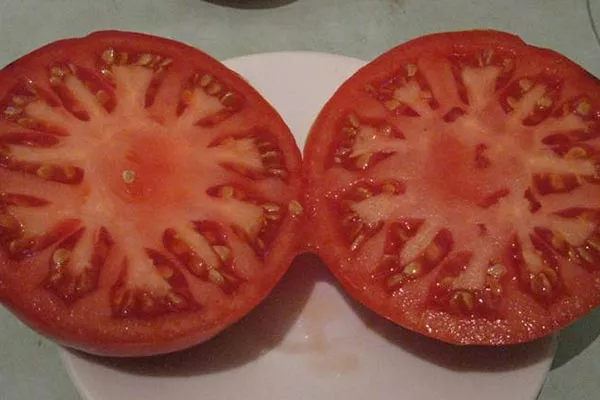
- The pulp is dense but tender, light red in color, without excessive wateriness.
- The number of seeds inside is small.
- Inflorescences on intermediate-type peduncles with articulation.
- The aroma is traditional, with light spicy notes.
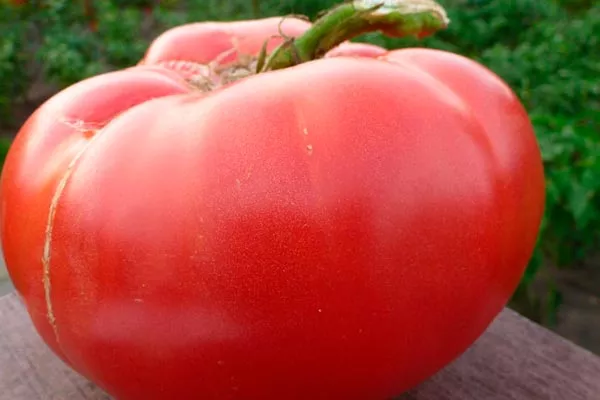
The taste of tomatoes is noteworthy. They are sweet with a slight tartness, making them ideal for fresh consumption, especially in salads and sliced. These vegetables are also excellent for cooking.
Ripening and yield, resistance to adverse conditions
This crop has excellent productivity: gardeners can harvest approximately 7.8 kg of tomatoes per square meter with proper farming practices. This mid-season variety requires 100 to 115 days to reach full maturity.
The bushes are characterized by excellent stress tolerance and can survive temperature fluctuations, mild cold snaps, short-term droughts, and high temperatures. The Russian Soul thrives in conditions of short-term shade.
Growing tomatoes
Growing tomatoes is a process that requires attention and adherence to specific agricultural practices. Tomato plants require warmth, good lighting, and regular care to produce a high-quality harvest.
Follow these steps:
- Sowing seeds. Begin this process 50-60 days before you plan to plant outdoors or in a greenhouse. Pre-soak the seeds in warm water to speed up germination, then plant them at a depth of about 1 cm in containers with fertile soil.
- Rules for planting seedlings. Choose a sunny, wind-protected location. Before planting, the seedlings should be well acclimatized, meaning they should be exposed to fresh air for several days.
- ✓ The optimal soil temperature for planting seedlings should not be below +15°C, which is critical for preventing stress in plants.
- ✓ The distance between bushes should be at least 40 cm to ensure sufficient space for growth and air circulation.
Caring for bushes
Caring for your crop involves several key aspects that promote proper plant development and a good harvest. Follow standard agricultural practices:
- Watering. Tomatoes require regular watering, especially during flowering and fruiting. Avoid overwatering, as this can lead to root rot. Water the plants at the roots using warm, settled water.

- Top dressing. Tomatoes require a significant amount of nutrients, especially during growth and fruiting. Apply several applications throughout the season, using both organic fertilizers (such as mullein infusion) and mineral fertilizers containing potassium and phosphorus to improve fruit development.
- Pinching out stepsons. Removing side shoots (side shoots) helps plants focus their energy on developing tomatoes, improves air circulation, and reduces the risk of disease. Perform this procedure weekly, leaving only the main shoots on the bushes.
- Pruning and garter. To properly shape the bush and prevent damage to the fruit, secure shoots to supports, such as trellises or stakes. Pruning excess branches and old leaves improves light and ventilation.
- Mulching. Using mulch helps retain soil moisture, reduces weeds, and maintains a stable root temperature, which is especially important during hot weather.
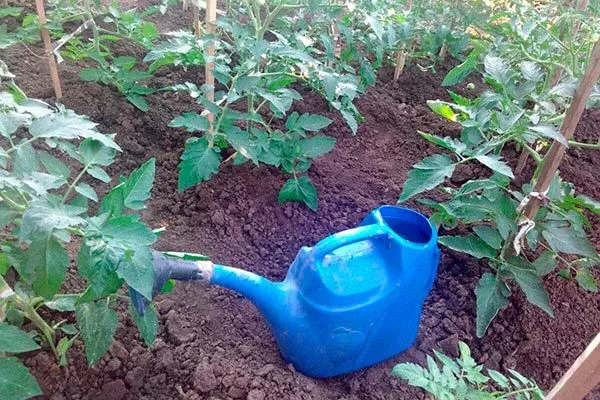
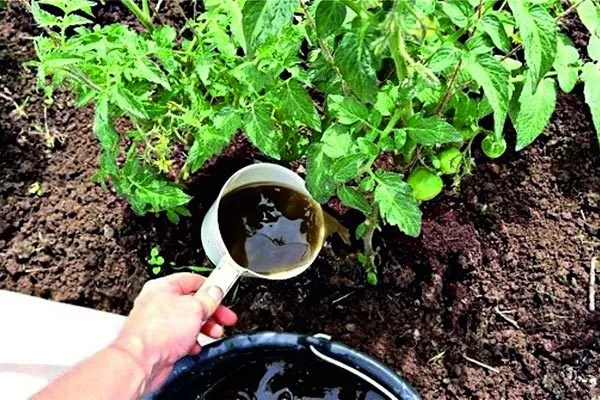
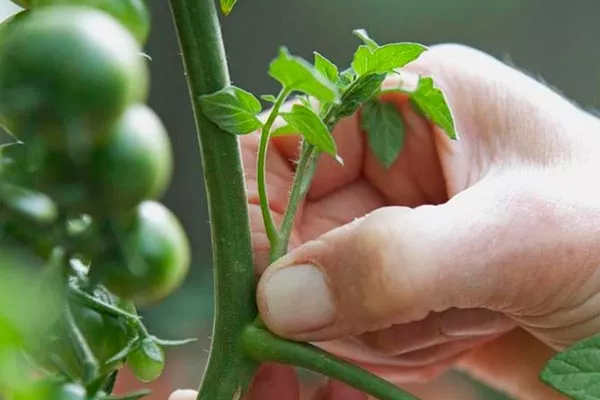
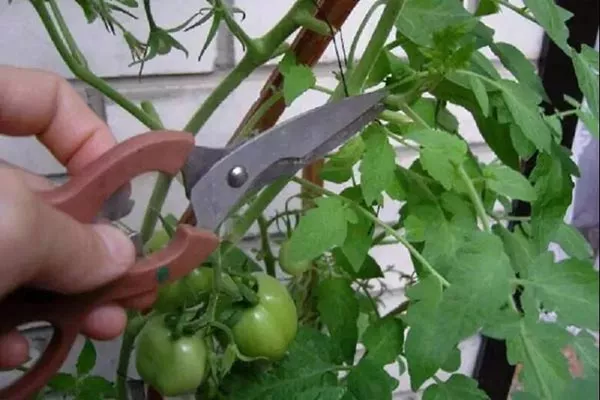
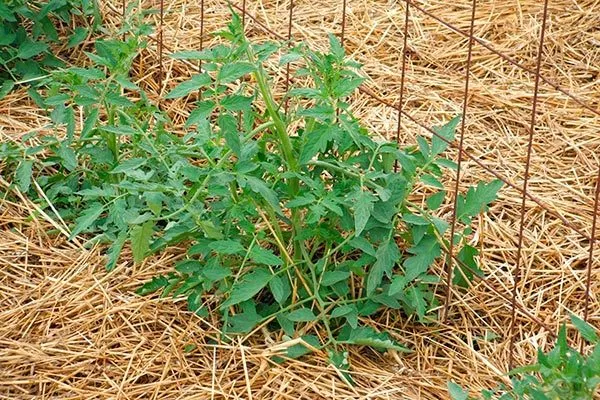
By implementing basic care measures, you can significantly increase productivity and strengthen the immunity of plants.
Diseases and pests
The Russian Soul tomato, like many other varieties, is susceptible to a number of diseases and pests. To maintain healthy plants, it's important to promptly identify symptoms and take appropriate measures to combat them:
- Late blight. One of the most common fungal diseases of tomatoes, it manifests as brown spots on leaves and fruit. Root rot results, leading to the death of the plant. Treat the bushes with fungicides Hom and Barrier. Practice crop rotation and remove affected plant parts.
- Powdery mildew (peronosporosis). It appears as yellow spots on the leaves, which dry out and turn brown. For prevention and treatment, use Fundazol or Pictor, and ventilate the greenhouse regularly.
- Brown spot. Characterized by the formation of spots on leaves and stems that gradually expand. Copper sulfate or other copper-containing preparations are effective treatment. Remove affected parts of the bushes.
- Chblack rot. A fungal infection that affects fruit, causing it to rot and turn black. Apply fungicides, such as Topsin-M. Maintain a regular watering regime, avoiding overwatering.
- Aphid. These small insects feed on plant sap, weakening them and promoting disease. Spray the crop with insecticides such as Aktara or Karbofos. You can also use folk remedies such as garlic or tobacco infusion.
- Colorado beetle. The pest eats leaves, weakening the plants. Insecticides (Confidor is effective) or mechanical removal of the parasites and their larvae can help combat the pest.
- Spider mite. These are small insects that form webs on plants and feed on their sap. Regular treatment with acaricides, such as Nisoran, will help kill mites.
- Mole cricket. The pest destroys the root system of plants, especially in open ground. To control mole crickets, set traps or add poisonous bait to the soil.
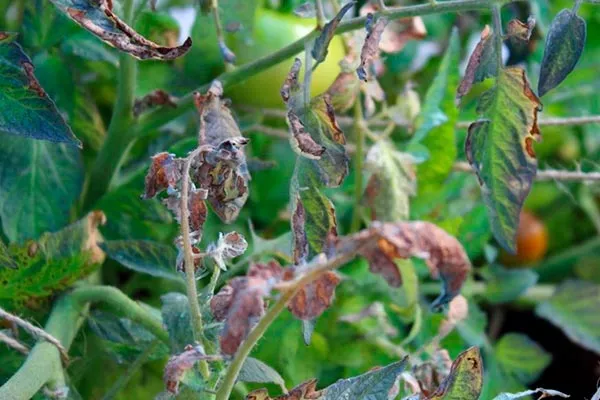
Regularly inspect your plants for signs of disease or pests. Practice crop rotation and use healthy seeds. To protect your plants from problems, remove diseased parts and foliage, treat with biological products, and ensure good ventilation in the greenhouse.
Pros and cons
The plant is characterized by good resilience and adaptability to various conditions. The variety's key advantages include:
- ✓ The variety is highly resistant to temperature fluctuations, making it ideal for regions with unstable climates.
- ✓ The fruits have a unique aroma with light spicy notes, which distinguishes them from other varieties.
This variety has no significant drawbacks. The only drawback is the large size of the tomatoes, which makes it impossible to preserve them whole.
Reviews
Russkaya Dusha is a variety that combines excellent flavor and high yields. Disease resistance and low maintenance allow for consistent yields even with minimal effort. It's an ideal choice for those who appreciate large-fruited tomatoes with excellent marketability and a variety of culinary uses.