
Pink Spam is a mid-early hybrid tomato with large, juicy fruits. This variety is prized for its high yield, sweet flavor, and resistance to common diseases. The bushes are vigorous and require support, and the fruits have firm skin and good transportability, making them ideal for both fresh consumption and processing.
Features of the variety
Pink tomatoes are especially beloved by gardeners for their plump flesh, distinct sweetness, and rich micronutrient content. The relatively recent Pink Spam hybrid boasts these qualities and also demonstrates excellent resistance to major tomato diseases.
Growing regions and origin
The cultivar was developed by Semko-Junior, and selection was carried out by Yu. B. Alekseev. After completing all stages of variety testing, an application for registration was submitted in 2009, and by 2010, the variety was included in the State Register of Breeding Achievements of the Russian Federation.
Description of the bush and tomatoes
The Pink Spam tomato forms tall bushes. In greenhouse conditions, their growth is virtually unlimited. To ensure the plant focuses its resources on fruit development and ripening, it is recommended to pinch the top when the stem reaches 1.5 m.
Distinctive features:
- stem – powerful, but requires mandatory garter;
- leaves - large, typical for tomatoes, rich green color;
- flowers – simple, the first inflorescence is formed above the 7-9 leaf, the next ones - at intervals of three leaves.
Each brush produces 7 to 9 fruits.
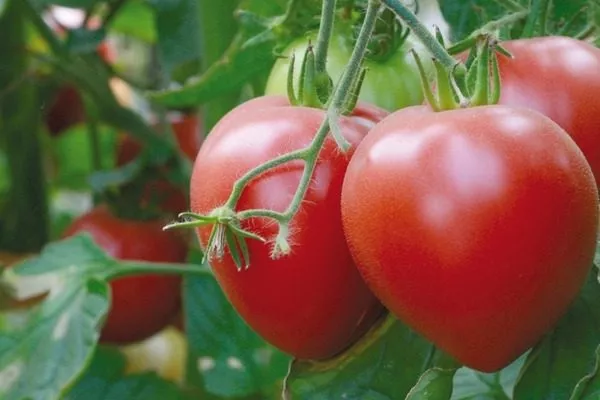
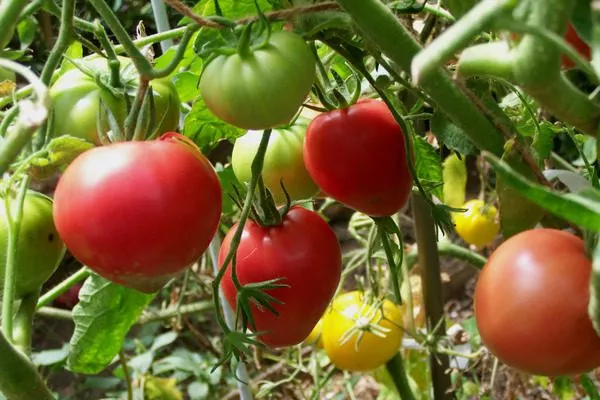
The tomatoes have an attractive heart shape and weigh about 190 g. When unripe, they are light green in color without a dark spot near the stem, and as they ripen, they acquire a pink-raspberry hue.
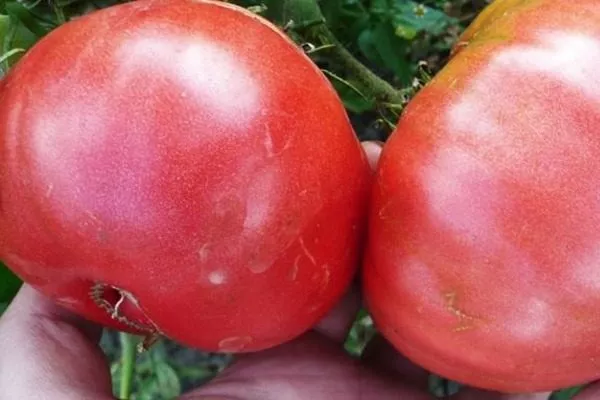
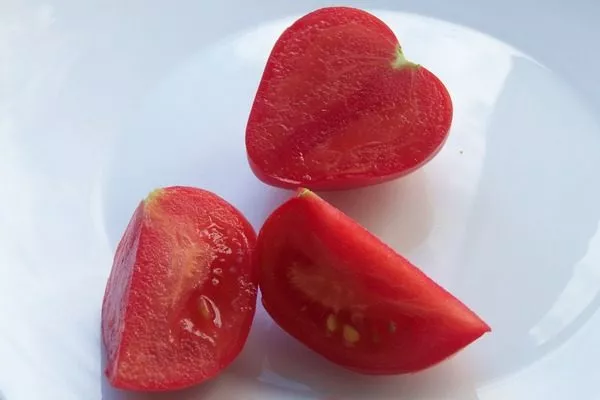
The skin of the vegetables is smooth and dense, the pulp is fleshy, juicy and sugary when cut, with six or more seed chambers.
Usage
The hybrid is characterized by excellent taste: the fruits are sweet, with a subtle tomato tartness. You can read about the most delicious tomato varieties. here.
Thanks to its versatile use, housewives enjoy using Pink Spam in dishes such as:
- salads;
- sauces;
- pastes;
- ketchups;
- winter preparations, including lecho.
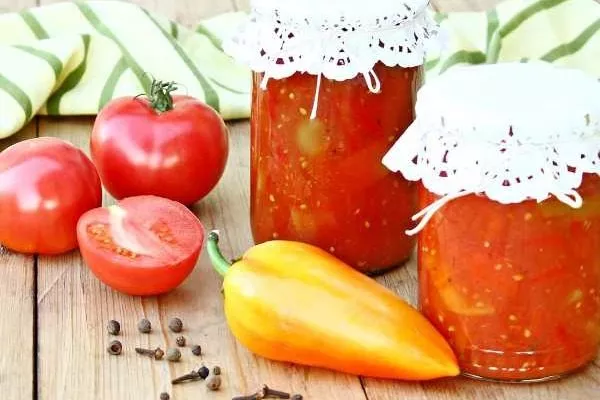
Because of their large size, tomatoes are not suitable for whole-fruit canning, but they are convenient for pickling in slices – their dense skin and firm flesh retain their shape well during heat treatment.
Maturation, productivity
Pink Spam is a mid-early variety: about 99 days pass from germination to harvest of ripe fruit. Fruiting continues throughout the summer, from late June to late August.
Drought resistance, frost resistance
The plant lacks a taproot system and therefore does not tolerate prolonged drought well—overdrying the soil can lead to the death of the plant. Surface roots are unable to extract moisture from deeper soil layers, so the plants require regular watering.
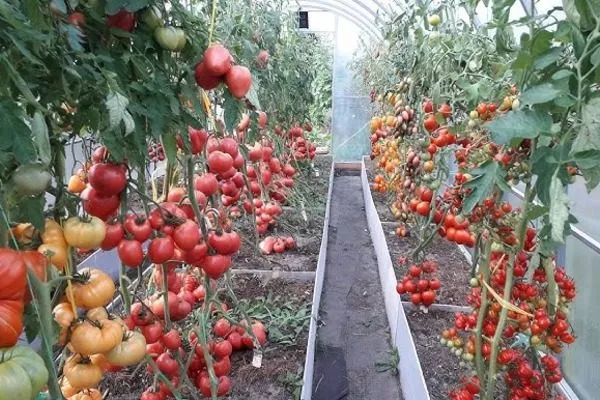
This variety is intended for greenhouse cultivation, as it is sensitive to temperature fluctuations. Temperatures below 15°C halt vegetation, negatively impacting development and productivity.
Preparing seedlings
Tomato development and yield are directly dependent on growing conditions. The most effective method for growing this hybrid is considered to be the seedling method.
Seed treatment
To obtain seedlings, sow seeds two months before the expected transplanting into the ground, most often this is mid- to late March - the exact timing depends on the climatic conditions of the region.
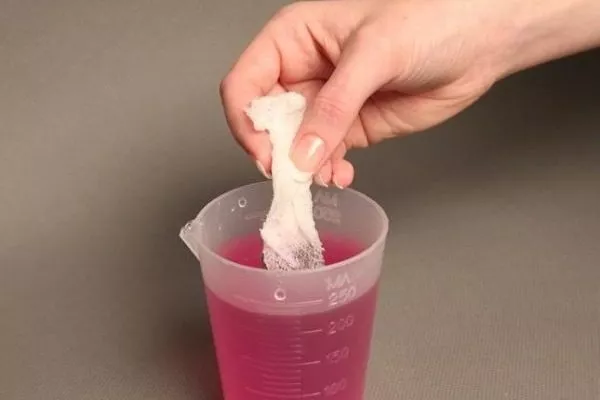
Before sowing, the planting material must be prepared in advance:
- soak for 30 minutes in a weak solution of potassium permanganate to disinfect;
- rinse thoroughly with clean water;
- place in a growth stimulator for an hour (for example, a mixture of a teaspoon of honey per 200 ml of water);
- Place on paper and dry.
Soil composition
To ensure strong and healthy seedlings, it's important to select the right soil composition. You can use ready-made store-bought soil, but it's preferable to prepare your own substrate by taking soil from the area where you plan to grow the seedlings and adding the following ingredients:
- mix equal parts garden soil, peat and sand;
- add a little wood ash to reduce acidity and disinfect;
- If necessary, carry out additional treatment of the substrate with a weak solution of potassium permanganate.
Sowing seeds
Place the prepared tomato seeds on the surface of the moist substrate and sprinkle with a layer of soil about 1 cm thick.
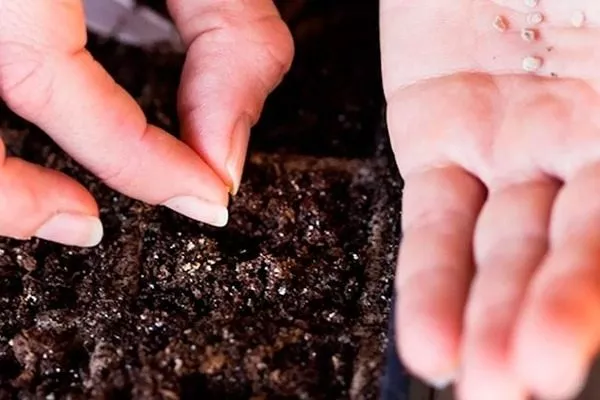
Follow these steps:
- Cover the seeded containers with transparent film or glass and place them in a warm place. Germination depends on the freshness of the seeds, so it's important to consider this factor when purchasing.
- When the first sprouts appear, remove the cover and move the boxes to a well-lit area, out of direct sunlight. The optimal temperature for seedling growth is around 23°C.
Caring for seedlings
The appearance of two true leaves on the seedlings signals they're ready for transplanting. Peat pots are convenient for transplanting—they can be planted directly into the soil along with the plants, minimizing stress.
Basic requirements:
- When replanting, it is important to carefully handle the sprouts with the root ball to avoid damaging or bending the roots.

- Watering should be regular, applied at the roots as the soil dries out.
- Apply the first fertilizer to Pink Spam 1-2 weeks after transplanting, and then repeat approximately every two weeks to maintain growth. For more information on how to fertilize tomato seedlings at home, read Here.
Agrotechnical measures
To ensure active growth and good ventilation of the hybrid bushes, it is recommended to adhere to a 60x60 cm planting scheme, which provides sufficient lighting and comfortable conditions for plant development.
Planting bushes in beds
Ten to fifteen days before transplanting outdoors, begin hardening off the seedlings. Gradually expose them to fresh air, increasing the time spent there by 10 to 20 minutes. After the last frost has passed, leave the seedlings outside overnight, and gradually acclimate them to direct sunlight.
Helpful tips:
- Once the threat of night frost has passed, transplant the seedlings, which are about 20 cm tall, into a greenhouse or open ground. It's best to prepare the planting beds in advance, ideally in the fall, by digging up the loose soil and fertilizing it with manure.
- The plant prefers slightly acidic soils, light loam, or sandy soils. The best planting location is the south side of the plot.
- Avoid planting tomatoes in beds previously occupied by potatoes, peppers, or eggplants, as these plants are susceptible to similar diseases. Onions, zucchini, or cabbage are considered good predecessors.
- Transplant seedlings by transshipment (without destroying the root ball containing the roots).
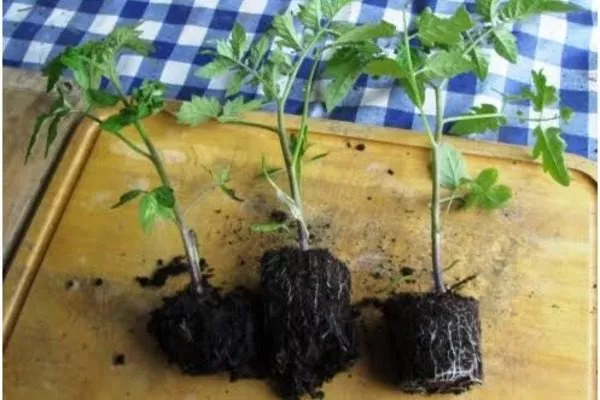
- A staggered planting pattern with a spacing of 50x50 cm is optimal. This arrangement ensures adequate light and good ventilation between the bushes, reducing the risk of increased humidity and the development of fungal diseases.
Organizing tomato care
Caring for a hybrid comes down to creating comfortable conditions for its development. You'll find more details on the intricacies of successfully growing tomatoes outdoors. Here.
Follow standard agricultural practices:
- Water plants early in the morning or in the evening after sunset;
- the optimal frequency of watering is twice a week, always at the root;
- Mulching the beds helps retain moisture in the soil;
- regular loosening and weeding provide oxygen access to the roots;
- For better branching of roots, it is recommended to hill up the bushes;
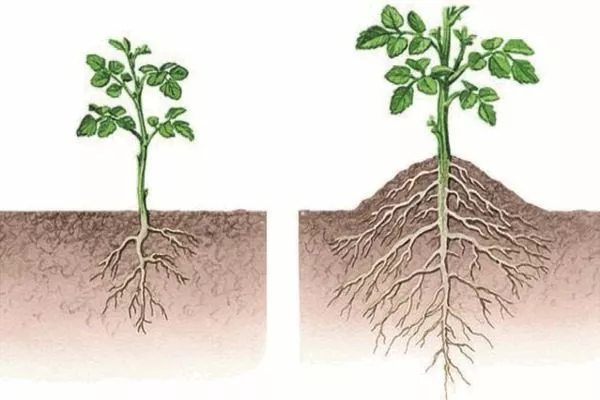
- Start fertilizing with mineral and organic fertilizers two weeks after planting, preferably during or immediately after watering;
- pinch the top of the main shoot to limit growth;
- structure the second stem from the stepson located under the inferior ovary;
- Be sure to tie up the bushes so that they can support the weight of the fruit.
Despite its good pest resistance, Pink Spam requires timely treatment with copper-containing products to protect against late blight. To prevent the disease, it's important to avoid overwatering the soil, regularly ventilate the greenhouse, and avoid overcrowding.
A bright hybrid
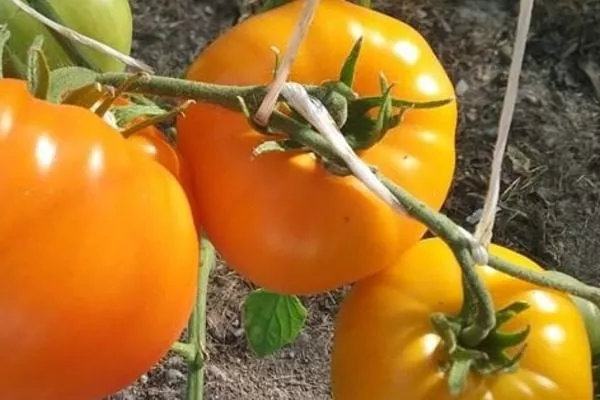
Thanks to the constant efforts of breeders, new tomato varieties with a variety of shapes, sizes, and colors are emerging. Among these, the Orange Spam tomato stands out – according to gardeners, it delights with its early fruiting and rich flavor.
Distinguishing characteristics:
- The tall indeterminate bushes of this hybrid require mandatory garters and support.
- The first harvest appears within 3-3.5 months after germination.
- Orange Spam is well suited for growing in protected ground, but also grows successfully in open beds.
- The variety is highly resistant to viral and bacterial diseases of tomatoes.
- When ripe, the fruits are juicy and fleshy, acquiring a bright golden-orange color and a pleasant flavor. Each cluster produces six tomatoes weighing up to 180 g, with excellent marketability.
- The yield reaches up to 20 kg per 1 sq. m.
Diseases and pests
The Pink Spam variety is known for its high immunity. It is resistant to the following common diseases:
- Cladosporiosis;
- tobacco mosaic virus (TMV);
- Fusarium wilt;
- Verticillium wilt.
For prevention late blight It is recommended to spray with the biological product Fitosporin-M every two weeks. It is safe and non-toxic and can even be applied to fruits.

To prevent the development of fungal diseases and avoid the appearance of pests in the greenhouse, regularly clear the soil of weeds, maintain a watering regime, and ensure good ventilation of the structure.
Pros and cons
Reviews
The Pink Spam tomato combines good productivity, excellent flavor, and strong disease resistance. The tomatoes retain their marketable appearance for a long time, and the plants easily adapt to a variety of growing conditions. These qualities make this variety an ideal choice for gardeners seeking a consistent and tasty harvest.