
Pink Flamingo is a popular sweet tomato variety, suitable not only for fresh consumption but also for various preserves. These medium-sized tomatoes have a delicate raspberry hue and rich flavor, making them prized by gardeners. They thrive in regions with variable climates and are rarely susceptible to disease or pest attacks.
Features of the variety, description of the bush and fruits
This is a determinate variety. Plants do not exceed 60 cm in height. Distinguishing characteristics of the Pink Flamingo:
- The tomatoes are small, so the bushes are trained into two shoots. In fertile soils and with increased fertilization, three-stemmed cultivation is acceptable, which the variety tolerates without problems.
- The leaves are classic tomato-type, green. The inflorescences are simple and articulated. The plant with ripe fruit looks particularly decorative – it resembles a decorated Christmas tree, adorned with identical, brightly colored baubles.
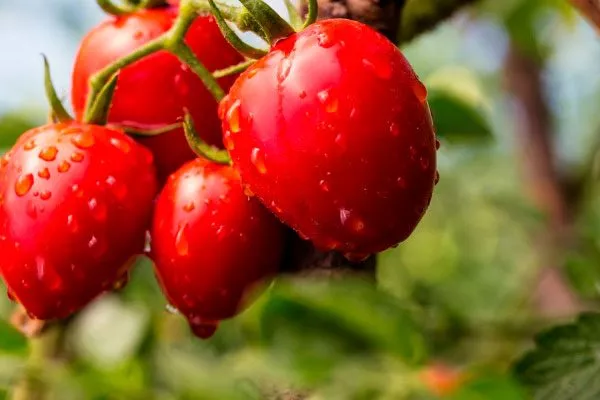
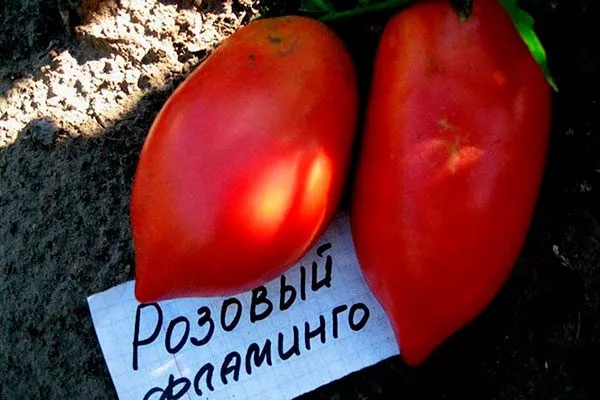
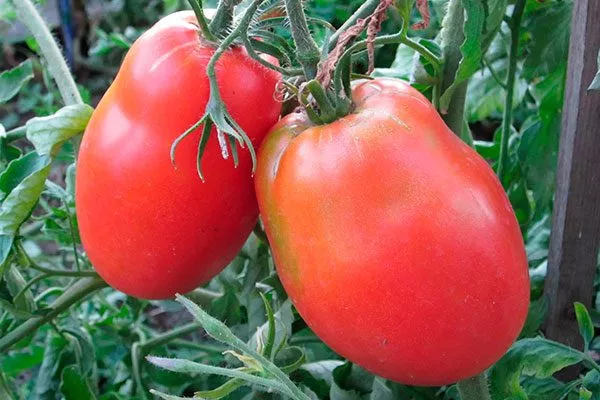
- Ripe tomatoes resemble small, pink apples with slight ribbing. Initially, they are dark green, with a distinct spot near the stem, which eventually lightens to a rich pink hue.
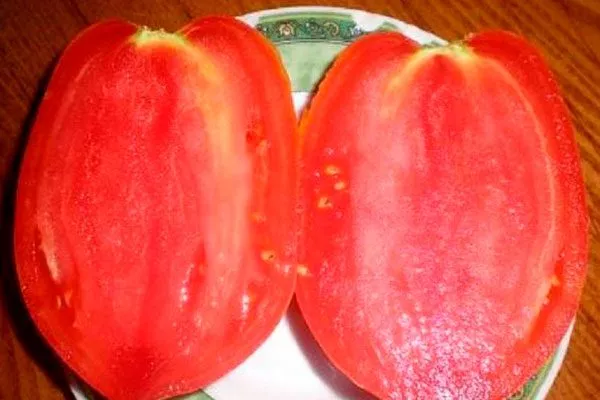
The color depends on growing conditions: in bright sun the vegetables become more intense, in the shade they become paler. - The weight of the fruit varies from 150 to 180 g, but there are specimens weighing 350 g. When cut, 4-6 seed chambers are clearly visible, there are no voids, and the seeds are located in the juicy pulp.
The vegetables look impressive both externally and when cut.
The flavor deserves special attention. The fruit's dry matter content is 5.6-6.7%, ensuring no wateriness. The sugar level is 2.6-3.7%. Thanks to these qualities, Pink Flamingo received the highest tasting score—5 points.
Main characteristics and history
The variety was bred by breeders V. V. Ognev, S. V. Maksimov, N. N. Klimenko and A. N. Kostenko on the basis of Agrofirma POISK LLC and the Federal Scientific Center for Vegetable Growing.
After passing all tests and checks, the variety was entered into the State Register in 2007.
Ripening and fruiting, productivity
Pink Flamingo is a medium-yielding variety grown in large quantities for private market sale. With proper care, up to 10 kg of fruit can be harvested per square meter, but the typical yield is around 8 kg.
In the southern regions, the variety is grown in open ground, while in the central part of the country, greenhouse cultivation is preferable. The fruits ripen 110-115 days after germination. However, this period can be shortened with timely agricultural practices.
Resistance to adverse conditions, regions
The crop is demanding of environmental factors. Maintaining a balance of heat and humidity is essential for high productivity. Insufficient regular watering or prolonged lack of sunlight can negatively impact fruit set.
This variety is recommended for open-ground cultivation in the North Caucasus region. In other climate zones, greenhouse cultivation is recommended.
How to use?
These vegetables are suitable for eating fresh, especially in salads, where they look great sliced. However, thanks to their high sugar and dry matter content, tomatoes are also excellent for processing. They produce thick, sweet, and rich tomato products.
Despite its salad use, many housewives successfully preserve this variety in jars, but they pick smaller fruits for this purpose, leaving them to ripen for several weeks. The fruits are tasty, fleshy, and firm. They are also used to prepare:
- juice;
- sauces;
- adjika;
- salting in barrels.
The skin is thick enough to allow the fruit to be transported over long distances without damage. However, shelf life is not ideal—after 7-10 days of storage, they become soft.
Resistance to diseases and pests
Pink flamingos are characterized by strong immunity to most diseases and are rarely affected by fusarium and verticillium wilt. However, to prevent these diseases, it is important to follow proper agricultural practices, including leaving sufficient space between bushes to ensure better air circulation.
Among insects, whiteflies and spider mites are the most dangerous. Insecticides and folk remedies, such as garlic infusion, are effective in controlling them.
How to grow seedlings?
In southern regions, tomato seedlings are often grown in greenhouses, as the climate and weather conditions allow for this. However, for an earlier harvest, the seedlings can be sown in two stages.
Optimal timing
Sow seeds depending on your planting method. Place seeds in heated rooms in early March, and under plastic covers in the garden in early April.
Sowing seeds earlier doesn't make sense, as other, early-ripening varieties are suitable for early harvest. For Pink Flamingo, a mid-season variety, this timing is quite suitable for southern regions.
Soil mixture and container
You can use any container for growing seedlings, but many gardeners prefer peat pots. Their porous structure maintains an optimal water-air balance, accelerating plant development. Furthermore, they are made of environmentally friendly materials and are durable.
Prepare fertile soil for seedlings. The ideal composition includes:
- humus – a mixture of grass and manure that provides nutrients;
- peat – retains moisture and makes the soil loose;
- sand or sawdust – work as fluffers;
- leaf soil – saturates plants with additional microelements.
- ✓ The pH level should be between 6.0-6.8 for optimal nutrient absorption.
- ✓ The soil must contain at least 3% organic matter to provide seedlings with the necessary microelements.
Mix the ingredients in a 4:1 ratio (humus to the other ingredients). To improve the nutritional value, add 5 kg of wood ash. Before planting, disinfect the soil by pouring boiling water or a hydrogen peroxide solution over it. This will help kill harmful microorganisms.
Seed preparation
Before sowing, treat the seedlings to protect them from diseases, then select the most viable specimens and warm them to speed up germination. If you purchased the seeds from a store, you don't need to treat them—they're already ready for planting.
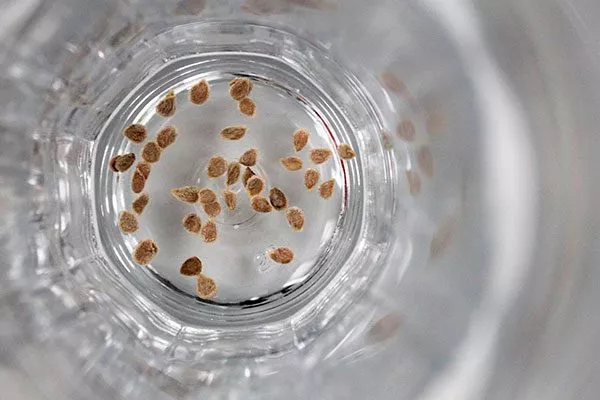
Prepare home-grown seeds as follows:
- Prepare a light pink solution of potassium permanganate. Place the seeds in it and stir.
- Discard the floating grains, and leave those that have sunk for 20 minutes, then rinse with clean water.
- Wrap in a damp cloth and place in a place with a temperature of +23…+24°C.
Viable plants will develop a small white root after a while, indicating germination. If the root remains unchanged, it means they have lost their germination potential.
Sowing
Fill the containers with soil and distribute the planting material evenly. Cover with a thin layer of soil and gently water with warm water from a spray bottle.
To ensure quick germination, follow these steps:
- Sow the sprouted seeds.
- Create greenhouse conditions by covering the crops with film or glass.
- Place the containers in a room with a temperature of +22-23°C.
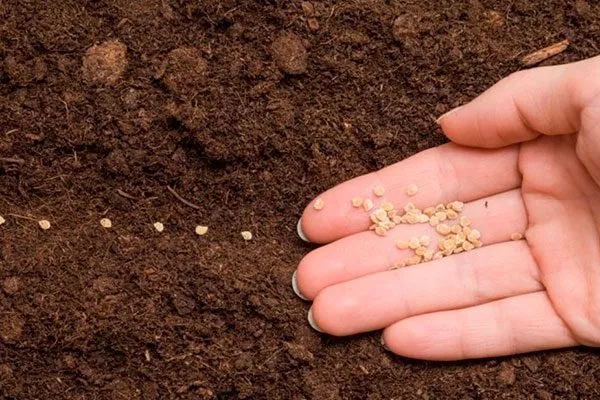
If you are planting seeds directly in open ground under film, follow these steps:
- Dig up the area prepared in the fall and cover it to warm up for 3-4 days.
- Remove the covering, loosen the soil and make furrows.
- Sow the seeds 2 cm apart, without preheating or soaking.
- Compact the soil and moisten, then cover with film again.
In a favorable environment, seedlings will emerge in 12-15 days, depending on the temperature. If frost is expected, add a tarp over the greenhouse for additional protection.
Growing and care
Move the containers with seedlings to a bright, warm place with a temperature of at least 25°C. After 5-6 days, cover the containers with plastic wrap or special covers to speed up germination. Then remove the covers.
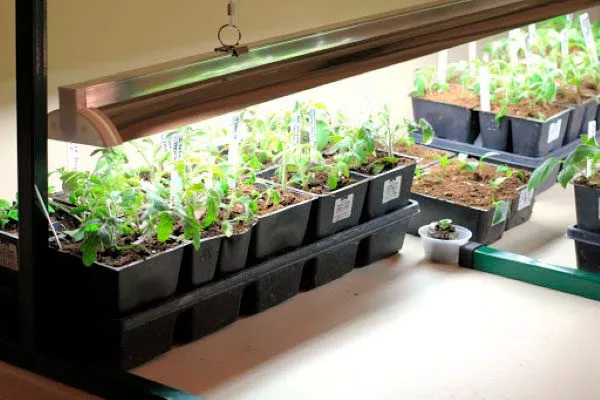
Follow these recommendations:
- During the first 20 days, seedlings grow slowly, so monitor the light and humidity to prevent them from becoming stretched. Water the seedlings at the roots, avoiding drips on the leaves and stems.
- When the plants develop their first leaf, feed them. Use Kornerost growth stimulator – it strengthens the root system and promotes additional development.
Provide regular, but not too frequent, watering—once a week. Avoid allowing the soil to dry out or become overwatered, and avoid watering with cold water, as this can cause the tomatoes to crack and reduce their flavor.
Hardening off seedlings
If you're growing seedlings indoors, begin this process 2 weeks before planting them in the garden. To do this:
- Remove additional window frames.
- Open windows, vents, doors.
- Take the seedlings out into the fresh air for 10-15 minutes at first, gradually increasing the time spent outside.
If the seedlings are growing in greenhouses, harden them off differently: open the plastic film at the ends for 10-15 minutes. Increase the ventilation time each day. Before planting, leave the seedlings uncovered for the entire day, then cover them again at night.
Transfer
Plant Pink Flamingo tomato seedlings in the garden in late May or early June. A greenhouse is preferable for this variety, as outdoor cultivation can significantly reduce yields.
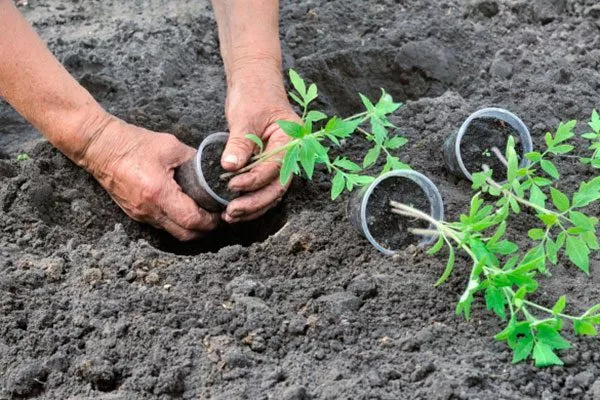
Tomatoes do not grow well in acidic soils, so avoid areas where potatoes were previously grown.
Before planting, disinfect the soil and hard surfaces in the greenhouse. Use a potassium permanganate solution to do this: wipe the structure with it and water the soil.
Features of cultivation and possible difficulties
Monitor temperature and humidity. Average daily temperatures should be between 16-28°C. Low temperatures slow growth, while high temperatures increase the risk of tomato cracking.
Many gardeners use drip irrigation – it’s an excellent way to maintain optimal moisture levels.
Monitor the amount of fertilizer you apply. Excessive nitrogen fertilizers can cause plants to wilt and die. To avoid this, alternate organic and mineral fertilizers. Ash and mullein have proven effective as organic fertilizers.
Care Features
Proper agricultural practices are the key to a good harvest. By following certain guidelines, you can enjoy delicious fruits until late autumn.
Watering
A key condition for healthy tomato growth is consistent, but not excessive, moisture. Follow the recommendations of experienced gardeners:
- Perform the activity in the morning or evening when the air temperature is not too high.
- Use warm, settled water. Watering frequency depends on how quickly the soil around the roots dries out; it should be moist but not waterlogged. Cold water can lead to disease.
- Overwatering and drought are harmful to tomatoes. In the former case, the roots become weak, and in the latter case, all the plant's energy is spent on developing the root system in search of water.
- In the first weeks after planting, too frequent watering can lead to improper root formation.
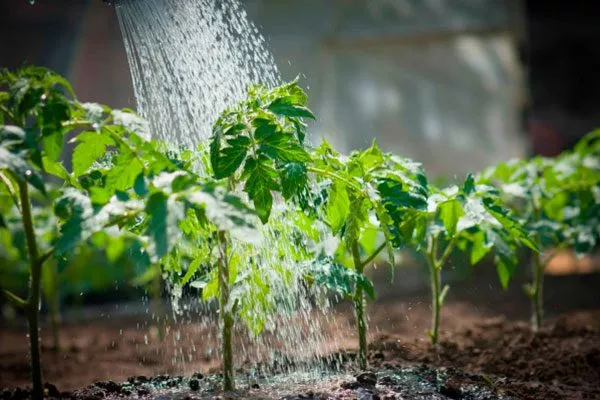
Once the plant is established, reduce the frequency to once every 10 days, and water even less frequently during cloudy or rainy weather. During the tomato planting period, water the roots twice a week.
- Two weeks after planting the seedlings, apply a complex fertilizer with NPK 10-10-10.
- During the flowering period, increase the proportion of potassium (NPK 5-10-15) to improve fruit set.
- During fruiting, use a fertilizer with a high content of potassium and phosphorus (NPK 5-15-30) to increase the size and improve the taste of the fruit.
Top dressing
Pink flamingo requires regular feeding to ensure a high yield. Fertilize at least three times per season: two weeks after planting the seedlings, then 1-2 times per month. Phosphorus and ammonia-based fertilizers are preferred initially.
Suitable for the first feeding are:
- bird, horse or cow manure;
- wood ash.
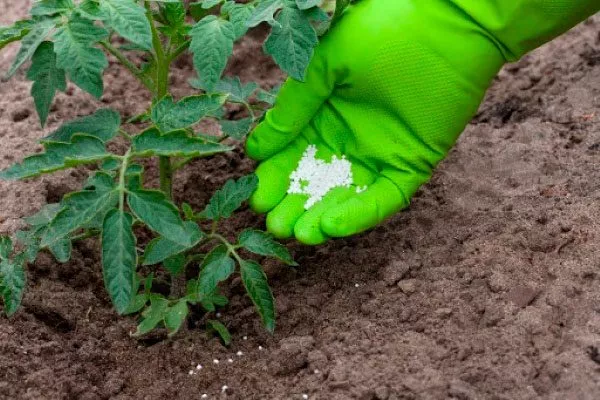
After this, move on to complex fertilizers:
- magnesium sulfate;
- calcium nitrate;
- universal compositions;
- Kemira Lux.
Even if the soil was well prepared in the fall, fertilizing is essential. The plant gradually extracts essential nutrients from the soil, which need to be replenished. Tomatoes respond well to organic fertilizers, but apply them after or during watering.
Pinching out stepsons
Regularly removing side shoots is essential for a bountiful tomato harvest. This allows the plants to receive more light, which promotes rapid ripening.
If tomatoes don't get enough light, they:
- grow small;
- they sing slowly;
- have a sour taste.
Soil care
The root zone of plants requires regular loosening and mulching. Cultivation techniques improve root health by providing access to air and water.
To prevent the soil from forming a hard crust, apply mulch under the roots. It not only helps retain moisture but also prevents weed growth. Experienced gardeners recommend using straw or dried grass clippings.
Tying up bushes
The stem of the Pink Flamingo tomato variety continues to develop until autumn. Even as fruit sets begin to form, it continues to grow. Therefore, to prevent stem breakage and fruit damage:
- install supports;
- fix the branches.
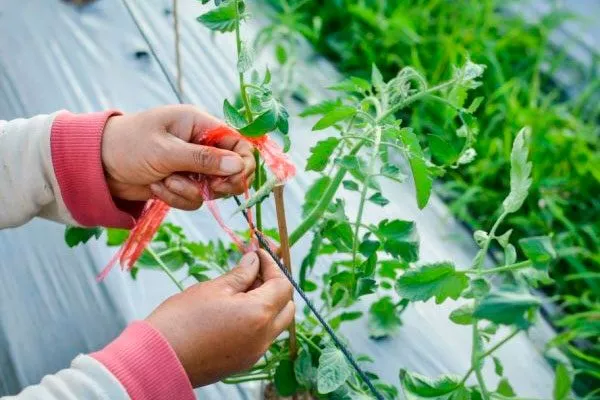
Failure to do this may result in the plant dying or the tomatoes ending up on the ground, which can lead to disease. However, don't tie the shoots too tightly. As the plant grows, regularly tie it up. Otherwise, this may lead to reduced productivity.
The nuances of growing in open ground and in a greenhouse
Both indoors and in the garden, Pink Flamingo tomatoes require staking to prevent stem damage under the weight of the fruit. Maintaining an upright position allows the plant to receive maximum sunlight and fresh air. This makes it easier to care for and protect the plants from diseases.
Important points:
- Secure the shoots three weeks after planting the seedlings in the ground. Use wooden or metal stakes and twine. Secure the twine, then wrap it around the stem and tie it carefully, being careful not to overtighten to avoid damaging the plant.
- Do not perform any work on wet bushes. Allow them to dry thoroughly before performing any operations.
- Plant pollinators, such as monarda, basil, or marigolds, near tomatoes. They attract insects and improve the flavor of the vegetables, making them juicier. This is especially useful for greenhouse gardens.
Ventilate the room regularly by opening windows or doors. Some gardeners install fans to improve air circulation. Avoid overwatering, as this can lead to blight or root rot.
Diseases and pests
This variety is characterized by good immunity, but preventative measures are still necessary. Below are the most common diseases this tomato variety is susceptible to:
- Blackleg. It often appears in seedlings due to improper watering, and in mature plants due to excess moisture. Standing water in the beds promotes root rot and wilting.
For the soil, use a weak solution of potassium permanganate (5 g per 10 liters of water). Then adjust the watering schedule. Spray the leaves with Fitoverm, and keep the area around the bushes free of weeds. - Fusarium. In areas where the soil hasn't been properly prepared, dark veins will appear on the leaves, indicating that the plants are shedding their foliage. If the plant begins to wilt, replant it in new soil after treating the roots with a special solution. For prevention, spray with Fitosporin.
- Late blight. This disease develops when potatoes are grown near tomatoes. The plants' health deteriorates significantly. To prevent the disease, plant potatoes at least 5 meters away from tomatoes.
- Blossom-end rot. Characterized by rusty spots on the leaves and black stripes on the stem. Apply phosphorus-potassium fertilizers or wood ash.
The crop may be attacked by spider mites, which cover the leaves with webbing, preventing normal development. Whiteflies may also infest the plant; the parasite feeds on sap and carries sooty mold spores, which can destroy crops.
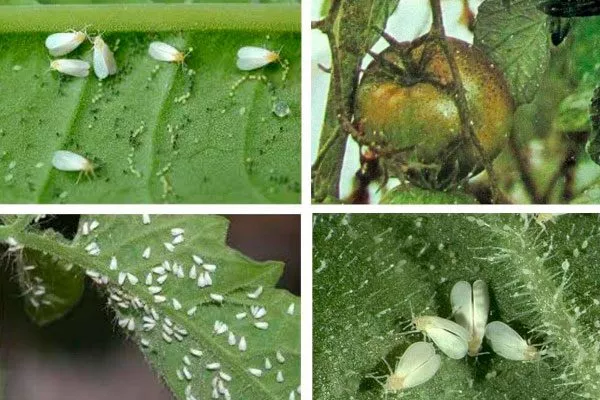
Use chemicals to control insects. If the pests don't disappear completely after the first treatment, repeat the procedure after a while.
Collection, storage
Pick vegetables from the bushes as they ripen. In southern regions, fruiting can continue until late autumn, while in northern areas, gardeners often harvest tomatoes unripe to protect them from frost.
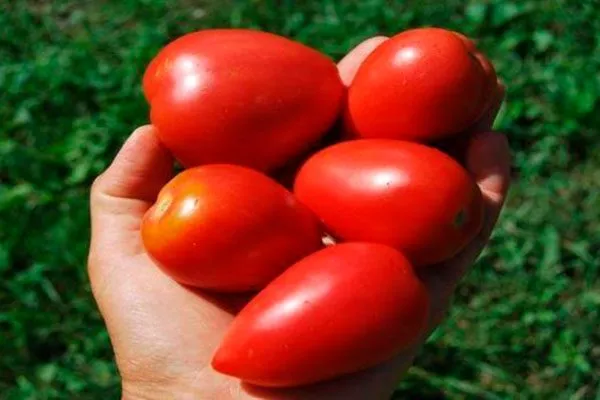
Ripe fruits travel well without losing their flavor. Pink flamingos also ripen indoors, significantly extending the harvest's shelf life.
Pros and cons
To avoid potential difficulties in the future, it's important to carefully study the advantages and disadvantages of this crop. The main advantages of Pink Flamingo tomatoes include the following:
Among the negative qualities, gardeners note the demanding nature of care, the planting material remains suitable for no more than 6 years, and the possibility of cracking of fruits during long-term storage.
Reviews
Pink Flamingo is a variety that combines excellent flavor and good resistance to environmental factors. Its large, juicy tomatoes make it an ideal choice for lovers of tasty and productive varieties. With proper care, this variety will provide a stable harvest, delighting you with excellent results.