
Pink Heart is a popular variety that attracts gardeners with its large, juicy, and sweet tomatoes. These tomatoes boast excellent flavor. Suitable for both greenhouse and open-air cultivation, they are pest-resistant, but require careful care and proper conditions for optimal development.
Description of the bush and fruits
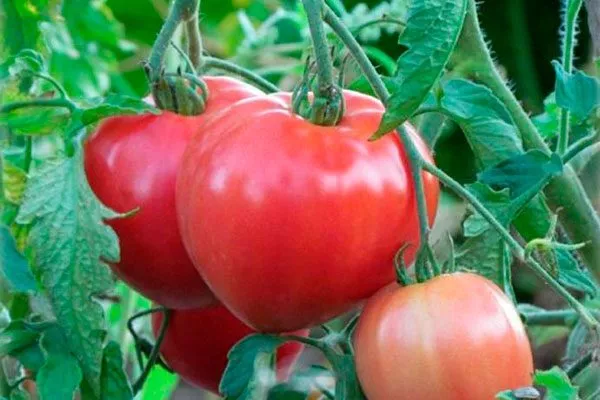
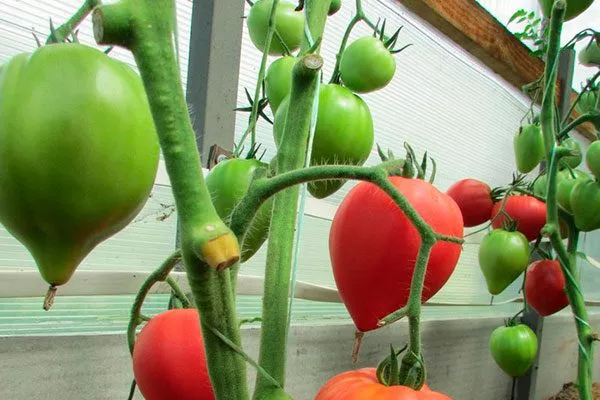
The main distinguishing feature of this Russian variety is the large size and heart-shaped pink peas. The stems reach 2 meters in height. A warm climate and greenhouse cultivation create optimal growth conditions.
Features of the culture:
- leaves - large, green, with jagged edges;
- flowers – small, yellow, simple;
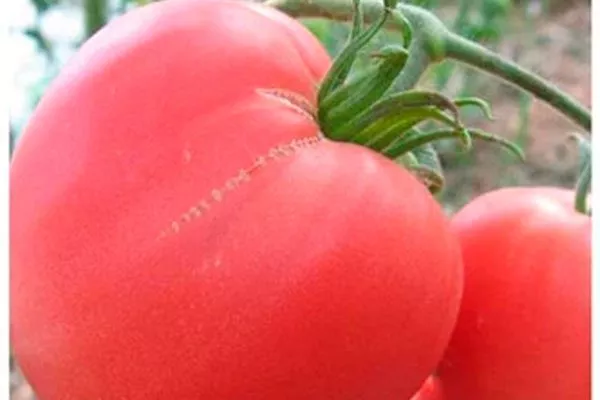
- tomatoes - slightly furrowed, as they ripen they acquire a rich pink color;
- weight - varies from 200 to 300 g, but there are specimens weighing 400-500 g;
- pulp – fleshy, medium density, resistant to cracking.
Juicy and sweet, these fruits are ideal for salads. Their optimal balance of sugars and organic acids gives them a distinctive, rich flavor.
Characteristics of the Pink Heart tomato variety
Pink tomatoes are very popular among gardeners due to their sweet, meaty flesh and thin skin. One such variety is Pink Heart, prized for its many qualities.
- ✓ High sensitivity to potassium deficiency, manifested by curling of leaves.
- ✓ Tendency to form large fruits requires additional support of stems.
Unique qualities:
- Origin and growing regions. This indeterminate variety was developed by breeders at Agrofirma Poisk, LLC, under the leadership of A. N. Kostenko, N. N. Klimenko, and S. V. Maksimov. Following successful testing, it was approved for use in 2007. The crop is intended for cultivation in plastic greenhouses and open ground.
This variety is grown throughout Russia. In the central part of Russia, bushes are most often planted in hotbeds and greenhouses, while in the northern regions, they are grown in heated buildings. The fruits ripen earlier in the open ground, but greenhouse plants are better protected from pests. - Ripening period and productivity. This is a mid-season variety. It takes about 115 days from sowing to harvesting the first fruits. The yield is 6.1 kg per square meter. Experienced gardeners note that this figure may be lower in colder regions.

- Resistance to diseases and pests. The plant is highly resistant to fungal infections, but it's important to carry out preventative treatments and monitor watering and lighting regimens. Adherence to these conditions will ensure the health and vigor of the plants throughout the growing season.
- Purpose and application. Tomatoes of this variety are versatile: they can be eaten fresh, added to vegetable platters, or marinated in slices with garlic and dill. Pickled tomatoes make an excellent appetizer and a traditional part of any family meal.
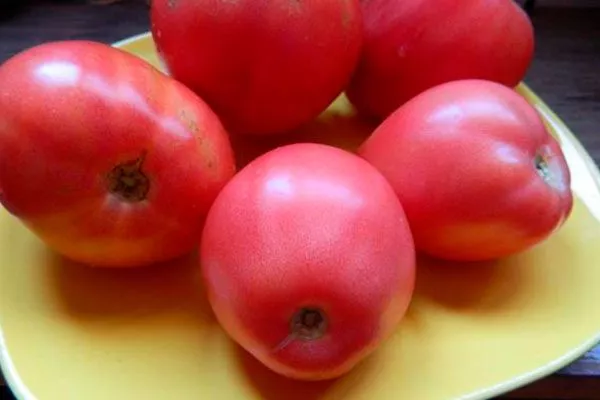
Thanks to its good varietal characteristics, many gardeners prefer this variety when planting bushes on their plots.
How to grow?
Given the growing characteristics of indeterminate varieties and the requirements of Pink Heart, careful attention to agricultural practices is essential, especially if a bountiful harvest is the primary goal. Even beginners can handle these steps.
How to prepare seeds?
To ensure strong and healthy seedlings, it's important to pre-treat the planting material. Standard treatments will improve seed germination, disease resistance, and uniform emergence.
- ✓ Optimum soil temperature for sowing seeds: +25°C during the day and not lower than +15°C at night.
- ✓ Required soil moisture for seedlings: 70-75%.
Preparation includes several stages:
- Calibration. Soak the seeds in a 5% saline solution for 10-15 minutes. Remove any that float to the surface and rinse any that settle with clean water.
- Disinfection. To protect against diseases, soak the grains for 20 minutes in a weak solution of potassium permanganate or 1% hydrogen peroxide, then rinse.
- Soak. Place the seedlings in a damp cloth or cheesecloth for 12-18 hours to speed up germination. You can use growth stimulants such as Epin or Zircon.
- Hardening. Store the sprouted seeds in the refrigerator at +2…+5°C for 2-3 days, then place them in a warm room for the same amount of time. This will help increase their resilience to temperature fluctuations.
After all procedures have been completed, the grains are ready for further use.
Sowing seeds and growing seedlings
Prepare a light, loose substrate, then fill containers, wooden, or plastic boxes. Follow these instructions:
- Make 1 cm deep holes in the soil and water them with a weak solution of warm potassium permanganate.
- Space the seeds 2 cm apart. Sprinkle with a mixture of soil and peat moss, cover with plastic wrap, and place on a well-lit windowsill. The optimal temperature for germination is around 25°C.
- When seedlings appear, remove the film and move the containers to a cooler location with temperatures around 15°C for a week. Then gradually increase the temperature to 23°C.
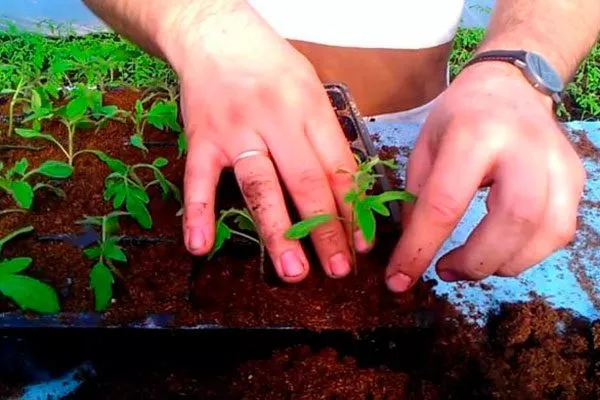
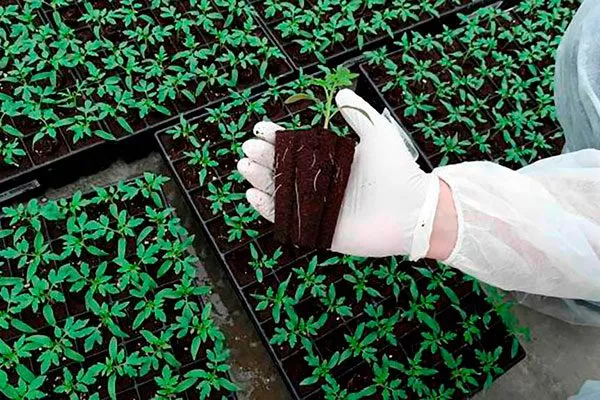
- Prick out the seedlings when they have two true leaves. To do this, prepare a mixture of equal parts peat, sand, and humus, adding superphosphate. Transplant the plants into peat cups, and as they grow, into larger pots. Cover the stems with soil to strengthen the root system.
- Begin pinching out side shoots when the seedlings reach 4-5 cm. Remove excess shoots and leave two main stems. After each repotting, treat them with a solution of alcohol or potassium permanganate.
- About a week before planting outdoors, begin hardening off the seedlings by exposing the pots to fresh air for 2-3 hours. To prevent them from stretching, create favorable conditions: up to 16 hours of light per day, daytime temperatures around 20°C, and nighttime temperatures no higher than 10°C.
Transplantation into the ground
Begin planting Pink Heart tomato seedlings 60-65 days after sowing, when the plants have formed 8-10 leaves and one inflorescence. Step-by-step instructions:
- The day before the event, treat the greenhouse with sulfur to kill pests and bacteria, and thoroughly moisten the bushes.
- Dig holes 20 cm deep, add 1 liter of ash, 1 kg of humus and 15 g of superphosphate to each.
- Plant the seedlings 50 cm apart and mulch the beds. This will ensure proper air circulation for the roots, eliminate the need to loosen the soil, and conserve moisture.
It is recommended to plant seedlings in a checkerboard pattern.
Care
Caring for tomatoes directly impacts plant health and fruit quality. Simple gardening practices promote the development of strong and resilient plants, helping you to harvest large, tasty, and healthy tomatoes.
Watering
Water the tomato plants in the morning, depending on the tomato's growth stage. Water young seedlings frequently but moderately. Mature plants require less frequent but more thorough watering. When planting seedlings, pour 5 liters of warm water into the holes. Repeat the procedure after 10 days.

Top dressing
Fertilize throughout the entire growing season, every 10 days. You can use ready-made solutions such as Plodorodiye and Ideal. For the first application, use 10 g of potassium chloride and 50 g of superphosphate. For the second application, use 20 g of potassium nitrate and 80 g of liquid superphosphate.
To increase yields and protect against pests, prepare a solution at home. Mix in 10 liters of warm water:
- 1 g boric acid;
- 1 g of potassium permanganate;
- 10 ml iodine;
- 20 ml urea;
- 200 ml of milk.
Mix the resulting mixture thoroughly and spray the shoots and vegetables. Repeat the treatment every 10 days.
How to increase crop yield?
Increased productivity can be achieved by shaping the crown during growth. Two options are ideal for tall Pink Heart plants:
- Structuring in 1 stem. The easiest way: remove all side shoots from the main trunk. This approach allows the bushes to grow closer together.
- Formation in 2 stems. Leave the shoot that appears above the first inflorescence. When two flowering clusters appear, pinch the top to limit height growth, then remove all side shoots.
This measure will increase yields by up to 30%. However, keep in mind that plants structured into two stems will produce smaller fruits, and the plants themselves will take up more space.
Pest and disease control, prevention
The plant is characterized by good resistance to viral infections, but is not immune to brown rot. If the bushes are completely damaged, dig them up and burn them. To prevent the disease, regularly feed the plant with nitrogen and promptly remove diseased leaves.
To combat melon aphids, use Zubr, and ash is effective against slugs. Key preventative measures:
- periodic irrigation with Healer;
- disinfection of the greenhouse and pruning tools;
- compliance with the watering regime and regular ventilation;
- mulching the soil with sawdust and hay;
- timely feeding.
Requirements for growing Pink Heart tomatoes in open ground are similar to those for plants in greenhouses.
Pros and cons
This variety has several advantages and disadvantages that should be considered when cultivating it to avoid potential problems. The main advantages of this variety are:
Tomatoes require careful care and are capricious, but the pleasant taste and delicate sweetness of the vegetables justify the effort.
Reviews
Pink Heart is the ideal variety for vegetable growers seeking high-quality tomatoes with excellent flavor for fresh salads. This variety is characterized by a stable yield under favorable conditions. These tomatoes are versatile, produce excellent results, and rarely suffer from diseases when properly managed.
There's very little information like this available, especially with step-by-step instructions, about Pink Heart tomatoes. I'll be using your site regularly from now on, as it has everything I need in one place. Thank you!