
Pink Katya is one of the most popular early tomato hybrids. It is characterized by high resistance to adverse weather conditions, drought, and disease. Compact plants with a strong root system and beautiful pink tomatoes make this variety ideal for growing in open beds and greenhouses.
Origin of the variety, description of the bush and fruits
This first-generation hybrid was developed by Russian breeder Yu. B. Alekseev. In 2007, it was added to the State Register and recommended for cultivation in Russia.
Distinctive features and characteristics:
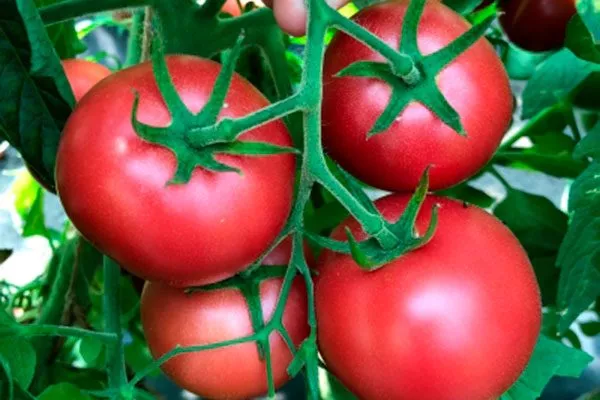
- This compact, determinate plant reaches 60-70 cm in height. It has a strong central stem, moderate branching, and a medium number of small, bright green leaves.
- Flowers form simple inflorescences with articulated stalks. Tomatoes ripen in clusters, with the first cluster forming at the 5th or 6th leaf level. A single bush produces approximately 6-9 clusters, each bearing 5-6 tomatoes.
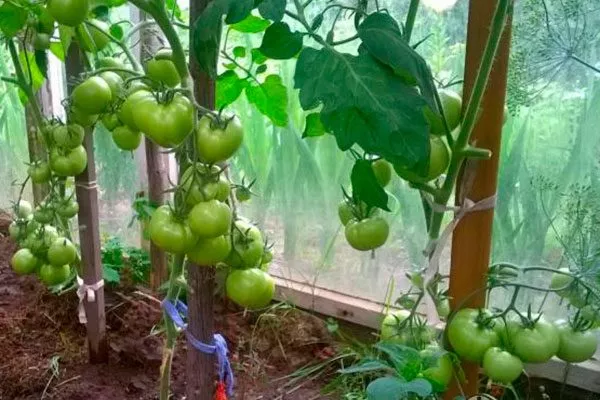
- During the growth process, moderate pinching, proper structuring and mandatory garter are required, as branches can break under the weight of the crop.
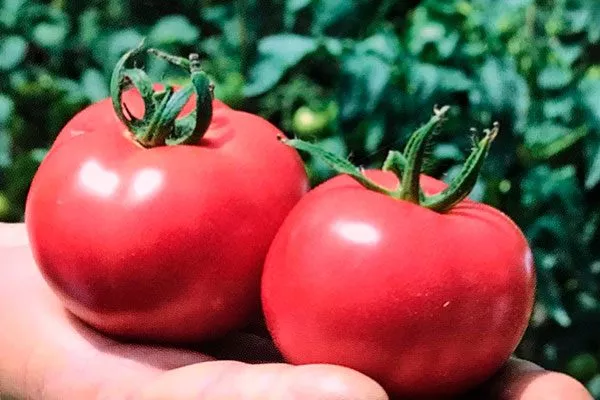
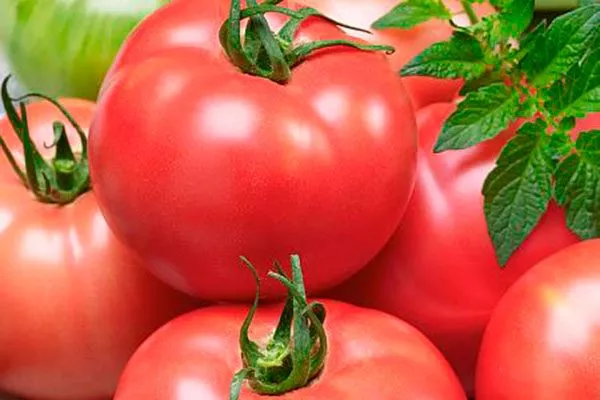
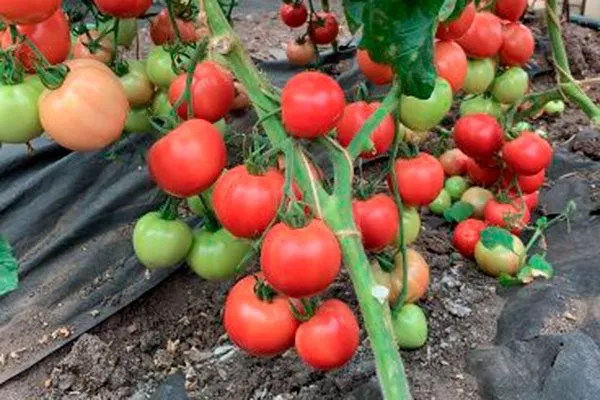
- The tomatoes are medium-sized, weighing 120-130 g. They have a flat-round shape, a smooth surface with a distinct shine, and a dense skin that is resistant to cracking.
- As they ripen, tomatoes change color from pale green to a uniform pink, with no darkening near the stem.
Inside is a fleshy, juicy and dense pulp with 3-4 seed chambers and a small number of grains.
Main characteristics
Pink Katya is an excellent choice among hybrid tomatoes. To achieve consistent results, it's important to consider the specific growing and care requirements for this crop.
Ripening time and yield
When planted in early April, the first tomatoes ripen in June, and fruiting continues for several weeks. A single plant can yield 1.5-2 kg of tomatoes. In a greenhouse, productivity reaches 10-12 kg per square meter, while in open ground it is 7-10 kg.
The quantity and quality of tomatoes are influenced by:
- planting density;
- seed condition;
- timing of sowing and transplanting seedlings;
- soil composition and nutritional value.
Scope of application of fruits
The exquisite flavor of tomatoes deserves special attention: a pleasant summer sweetness harmoniously combines with a dessert aroma and subtle spicy notes. These vegetables are ideal for:
- fresh salads;
- snacks;
- pickling;
- canning.
Resistance to diseases and pests
This variety has high resistance to blossom-end rot, tobacco mosaic, and Alternaria. At later stages of growth, plants may be susceptible to late blight, but this disease typically appears after fruit ripening, without affecting yield or quality.
The crop can suffer from cockchafer larvae and wireworms. They are susceptible to attack by mole crickets and nematodes. During the ripening period, vegetables attract wasps, Colorado potato beetles, and some butterflies.
Resistance to adverse weather conditions, regions
The hybrid tolerates short-term cold spells well and is resistant to heat and drought, making it suitable for growing in a variety of climates. Originally bred for the North Caucasus region, the variety is successfully cultivated throughout Russia thanks to its adaptability, including:
- Middle zone;
- Ural;
- Siberia.
In the northern regions, it is recommended to grow it in greenhouses, while in the southern regions it bears fruit well in open ground.
Planting Features of the Pink Katya F1 Tomato Variety
The crop is easy to care for, but to maximize yields, it's important to follow basic agricultural practices. To boost immunity and avoid problems with diseases and pests, careful attention to the cultivation process is essential.
Sowing seeds and growing seedlings
Grow strong, high-quality seedlings from the start, as this will ensure an earlier harvest and better development. Follow these recommendations:
- At the end of March - beginning of April, treat the grains with a solution of potassium permanganate to prevent infections and protect against insects.
- Place a drainage layer at the bottom of the container and add fertile soil mixture on top.
- Sow the seeds to a depth of 2 cm, leaving a gap of 2-3 cm between them.
- Spray the seeds with a spray bottle and cover with plastic or glass to create a comfortable microclimate. Keep the container in a bright place at a temperature of 23°C.
- After the seedlings appear, remove the cover, water regularly, avoiding drying out or over-watering the soil.
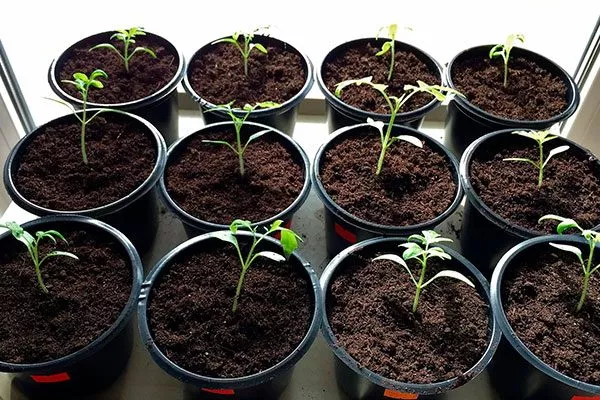
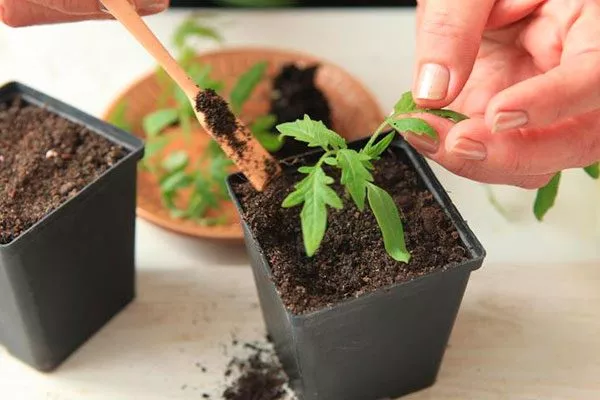
When 2-3 true leaves have formed, move the seedlings into separate peat pots.
Picking and hardening
To properly plant your bushes, follow a few simple guidelines. Follow these steps:
- Moisten the soil in the container thoroughly, then carefully remove each plant along with the root ball.
- Shorten the root system by 1/3.
- When transplanting into separate pots, deepen the stem to the level of the last leaves.
- Lightly compact the soil around the root collar and water generously.
- Place the container with seedlings in a place with diffused light, avoiding direct sunlight to prevent burns.
To acclimate to the outdoors, regularly take the seedlings outdoors, gradually increasing the time spent outdoors. Start with 2-3 hours of light, then work up to a full day.
Preparing the beds
The hybrid grows best in sandy and loamy soils, so the choice of fertilizer depends on the soil composition. If the soil is highly acidic (if sorrel or horsetail are present in the area), apply dolomite flour or lime every few years at a rate of 250 g per square meter.
You can improve clay soil by using manure or compost – 10 kg per 1 sq. m. Additionally, add a mixture of sand and urea solution (150 g per 10 l of water) to improve the soil structure.
Planting seedlings in the ground
Plant tomatoes in May, when the weather is consistently warm. Follow these simple guidelines:
- Carefully remove the grown seedlings with several healthy leaves from the container, moistening them first. Carefully separate the plants, leaving the roots with the soil ball.
- Dig small holes in the soil. Place no more than 4 bushes per square meter. Pour 10 liters of water into each hole, then place the seedlings and cover them with soil. Tamp the soil down and water thoroughly. Plant no more than halfway up the stem.
- Avoid watering seedlings in direct sunlight. This variety requires 700-900 ml of water per plant.
- Regularly loosen the soil and remove weeds, mulch the soil around the plants with compost or manure.
Caring for the Pink Katya F1 tomato variety
Caring for the Pink Katya hybrid is standard and includes several agricultural practices. Follow these important procedures:
- Water the bushes twice a week. More frequent watering will result in water-soaked fruits.
- Two weeks after replanting, apply a solution of 2 kg of mullein and 25 g of superphosphate per 10 liters of water. After 14 days, apply dry fertilizer. Throughout the growing season, additionally feed with moderately concentrated organic matter.
- Train plants into 1-2 stems. Regularly but moderately remove side shoots and pinch out shoots.
Pest and disease control
Since Pink Katya is an early-maturing variety, the use of chemical insecticides is not recommended. Biological insecticides are considered the most effective.
To prevent pests, plant calendula, marigolds, and other plants near the bushes—they have a repellent effect. The crop is resistant to Alternaria, Verticillium wilt, tobacco mosaic virus, and Fusarium wilt.
Pros and cons
The pink tomato has become a true favorite among gardeners and farmers thanks to its numerous advantages. Explore the hybrid's key features:
Among the disadvantages, some gardeners note the fragility of branches under the weight of vegetables, which requires the installation of supports and garters to stabilize the plants.
Reviews
Pink Katya is a tomato with excellent marketability and flavor. It will delight you with a consistent harvest. Its adaptability to various conditions and ease of care make it an excellent choice for both beginner and experienced gardeners. To ensure high-quality tomatoes and a good yield, it's important to devote minimal time and attention.