
The Rose tomato quickly gained popularity thanks to its excellent taste, good productivity, and resistance to adverse factors. This variety is ideal for those who value low-maintenance cultivation and want a consistent, tasty harvest even in variable climates. Adherence to proper agricultural practices is key.
Description of the plant
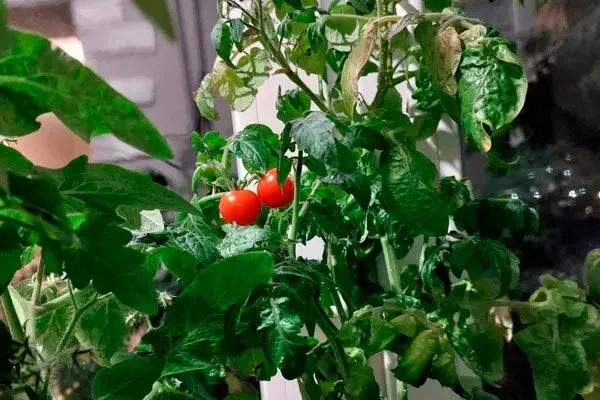
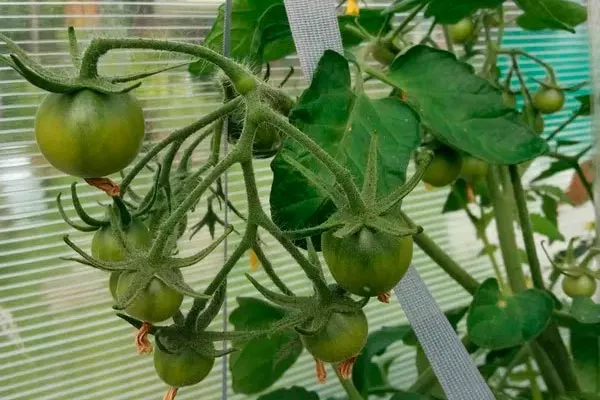
This variety is indeterminate—the stem has no limit to its length and can grow several meters. The bush of this variety reaches a height of about 1.5 meters and has medium foliage. The leaves are dark green, smooth, and glossy. The flowers are large, white, and borne in clusters of 6-7.
Fruits, their taste and purpose
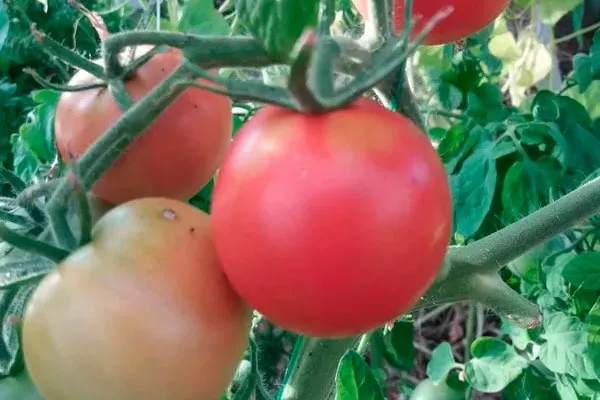
The tomatoes are flat-round and medium-sized. Each fruit weighs between 150 and 180 grams. When unripe, they are light green, but when fully ripe, the skin turns a rich pink.
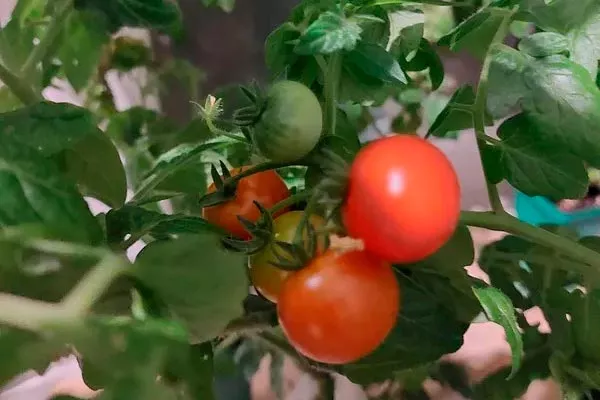
This variety boasts an excellent flavor with distinct sweet notes, making it particularly appealing to consumers. It's ideal for fresh consumption, salads, and sauces.
Characteristics
The Rose tomato is one of the most popular hybrid varieties. Its numerous advantages make it an excellent choice for home growing, making it a favorite among both novice and experienced gardeners.
- ✓ The variety has high resistance to verticillium wilt and fusarium, which is rare among tomatoes.
- ✓ The fruits retain their marketable appearance and taste even during long-term storage, making the variety particularly valuable for the market.
Main purpose
The fruits are resistant to cracking, even during long-term storage, making them an excellent choice for canning and freezing. Thanks to their sweet flavor, tomatoes are widely used in salads, first and second courses, and are also eaten fresh.
Productivity, ripening time
This mid-early variety produces its first fruits 95-100 days after germination. Fruiting continues for a long time and is abundant, right up until the first frost.
The variety is distinguished by good productivity: if care rules are followed, you can harvest up to 15 kg per 1 sq. m.
In which regions can you grow Rose tomatoes?
The Rose variety is recommended for growing in open ground and plastic greenhouses, especially in southern regions. However, it is also successfully cultivated in other climates.
Timing of planting seedlings and transplanting into the ground
The best way to grow this crop is by using seedlings. Sow seeds in February or March, and transplant the seedlings into open ground in late May or early June, once the weather has warmed and the risk of frost has passed.
- ✓ The optimal soil temperature for planting seedlings should not be below +15°C, which is critical for preventing stress in plants.
- ✓ The distance between plants when planting should be at least 40 cm in a row and 60 cm between rows to ensure sufficient ventilation and access to light.
Planting tomatoes
To successfully grow tomatoes, several key factors must be considered. First and foremost, it's important to choose a suitable planting site. Tomatoes prefer sunny, well-lit locations. Furthermore, the soil must be fertile and have good drainage.
Preparing Rose tomato seeds for planting
Pre-treating the seedlings will improve germination and ensure healthy plant development. Before planting, moisten the seeds and soak them in a humid environment for several days using a sponge or cloth. Avoid allowing them to dry out or become over-watered.
Selecting, preparing soil and containers for the Rose tomato
The plant thrives in light, fertile, and permeable soil. A mixture of garden soil, sand, and humus is ideal. For planting seeds, use special containers, trays, or pots. It's important that the container has sufficient root space and drainage holes to prevent waterlogging.
Planting tomato seeds Rose
Place the seeds 1-2 cm deep into the soil, leaving 5-7 cm between them to allow the plants sufficient space to develop. Gently water the seedlings. Use a watering can with fine holes to avoid damaging the seedlings.
The germination temperature should be between 22-25°C. To create a warm microclimate, cover the containers with plastic wrap or glass, which will speed up the process and protect the seeds from freezing. Remove the plastic wrap or lid regularly for ventilation to ensure oxygen access and prevent sprout rot.
Caring for seedlings
It's important to take care of the crop to ensure it grows to full maturity, suitable for planting in the ground. Follow these recommendations:
- During growth, ensure the seedlings are kept at a temperature of at least 25°C (77°F). Use table lamps or phytolamps to provide at least 14 hours of daylight. The lamps should be no higher than 15 cm (6 inches) from the plants to prevent them from stretching and slowing their development.
- Do not allow the soil to dry out, but do not over-water it either.
Feed the plants with a complete fertilizer, for example, 15 days after repotting. To do this, dissolve 10 ml in 5 liters of water and water the plants, using no more than 100 ml per plant. Repeat the feeding after 14 days.
Transplantation into open ground
Plant tomato seedlings in their permanent location in soil prepared with organic fertilizer and superphosphate. Add at least 1 liter of well-rotted manure and 20 ml of superphosphate to each seedling.
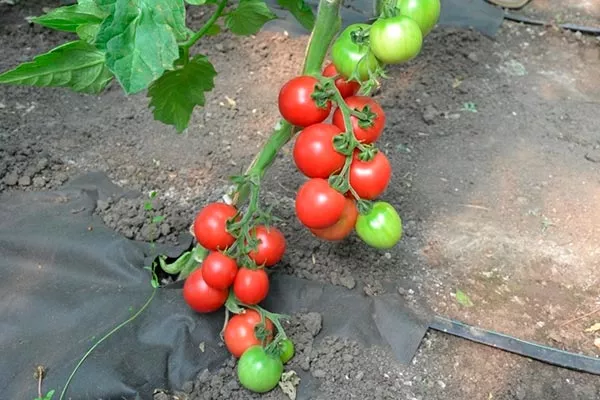
Apply the solution directly into the hole or spread it evenly over the surface of the bed, then rake it in thoroughly to ensure even distribution and improve access of nutrients to the plant roots.
Follow the recommendations:
- Allow the seedlings to acclimate to the outdoor conditions 7-10 days before transplanting them to their permanent location. Move them outside or onto the balcony, gradually increasing the time spent outdoors.
- Make sure the seedlings are ready for transplanting: they should be strong, with green leaves and well-developed roots. The optimal age for transplanting is 50-60 days after sowing.
- Transfer the seedlings to open ground when the soil warms up to +15-18°C and the threat of frost has passed (usually this is the end of May - beginning of June).
- Make holes 40–50 cm apart within a row and 60–70 cm between rows. This will provide the plants with enough space to grow and ventilate.
- Add a little humus or compost to the bottom of each hole. This will provide the seedlings with additional nutrients.
Carefully remove the seedlings from the container, being careful not to damage the roots. If they are heavily intertwined, gently straighten them out. Place the plant in the hole, fill with soil, compact it, and water thoroughly.
Caring for Rose tomatoes
Caring for the crop plays a key role in obtaining a high-quality harvest. Regular agricultural practices ensure proper plant development and vigorous fruiting.
Watering
Provide seedlings with regular watering, especially during dry periods. Avoid overwatering, as excess moisture can cause root rot. It's best to water plants in the morning or evening, when sunlight is at its lowest.
Fertilizer
Fertilize the crop in several stages to provide the seedlings with all the necessary nutrients for active growth and fruit formation. Follow the schedule:
- Ch2-3 weeks after transplantation When planting seedlings in open ground or a greenhouse, use nitrogen-phosphorus fertilizers (such as nitroammophoska or a complex fertilizer). This stimulates root development and overall plant growth.
- IN the period of the beginning of flowering and formation of ovaries Apply potassium fertilizers (such as potassium sulfate or ash). This will improve fruit quality and disease resistance.
- Ch3-4 weeks after the second feedingDuring the active fruiting period, apply organic matter, such as mullein infusion or compost. This will promote prolonged fruiting and keep the plants in good shape.
Additional fertilizing can be done if a deficiency of certain elements, such as calcium, is detected. To replenish this deficiency, fertilize the bushes with monopotassium phosphate. Sprinkle a small amount of fertilizer around the stem, leaving a few centimeters between the plants, then gently loosen the soil and water.
Pest and disease control for tomato Rose
The Rose variety has good resistance to many diseases of nightshade crops, including tomato mosaic, verticillium wilt, fusarium, cladosporiosis, bacterial wilt, as well as blossom end and root rot.
However, it can be susceptible to late blight, a fungal disease that develops in conditions of high humidity, low temperatures, fog, frequent rain, and the spread of fungus from infected foliage. Signs of late blight include:
- dark stains;
- rapid spread of spots;
- whitish fluffy coating;
- malformed fruits and their rotting with an unpleasant odor.
Control of this disease involves removing and destroying infected bushes. For prevention, use fungicides and copper-containing preparations.
Tomato Rose can also be affected by aphids, which secrete a liquid that attracts ants and exacerbates the problem. To combat these insects, it's helpful to use ladybug larvae or flies, which effectively control this pest. Apply chemicals before buds appear, such as Aktara.
Another enemy is thrips—small pests that suck the sap from leaves and can cause them to curl and turn yellow. To combat these pests, treat with insecticides, but only before fruit formation.
Preventive measures:
- Rotate your tomato planting locations regularly. Avoid planting them in the same spot where they grew last year to avoid pathogen buildup in the soil. After tomatoes, grow non-nightshade crops, such as legumes or cabbage.
- Avoid overwatering, especially in the evening, to prevent the development of fungal diseases. Water the roots and ensure regular moisture.
- Ventilate greenhouses regularly to maintain optimal humidity and protect against diseases.
- Use balanced fertilizers to maintain plant health and strengthen their immune system. Avoid excess nitrogen, as this can promote fungal infections.
- Mulching helps maintain soil moisture, reduces the risk of moisture getting on stems and fruits, and prevents the growth of weeds, which can be sources of disease.
- Regularly treat the bushes with biological preparations, for example, Trichodermin, Fitosporin or other antifungal agents.
- To prevent pests, use insecticides, especially at the first signs of their appearance.
- After harvesting tomatoes, remove all plant debris, as it can serve as a haven for insects and pathogens during the winter.
By following these simple but effective recommendations, you can maintain healthy plants and achieve an excellent harvest.
Harvesting and storing the Rose tomato crop
The Rose tomato is prized by many vegetable growers for its high productivity, excellent flavor, and long shelf life. To ensure the best harvest, it's important to harvest and store the fruit properly.
Tomato harvesting
Harvest the tomatoes when they reach full ripeness. At this stage, they acquire a bright red hue and characteristic shine, which helps preserve their flavor and extend their shelf life.
When harvesting, carefully separate the vegetables to avoid damage. Use pruning shears or leave a small portion of the stem. This will preserve the integrity of the fruit and reduce the risk of spoilage.
After harvesting, inspect the tomatoes for damage and remove any with cracks or signs of rot. Select only healthy tomatoes without visible defects for storage.
Storing tomatoes
Fruits can be stored for a long time if stored properly. Here are some basic guidelines:
- Store your harvest at temperatures between 10 and 15 degrees Celsius. Lower temperatures can negatively impact the texture and flavor of vegetables, while higher temperatures can accelerate spoilage.
- Maintain humidity levels around 80% indoors. This will help retain moisture in the fruit and prevent it from drying out and losing quality.
- Provide good air circulation to prevent mold and rot, which will help preserve the fruit.
It is best to store tomatoes in cardboard boxes or nets to ensure adequate ventilation and avoid moisture accumulation.
Advantages and disadvantages of the variety
This crop has many positive qualities, but also some drawbacks. Before planting seedlings, carefully examine them to avoid potential problems in the future.
Among the negative qualities, some gardeners note the average size of tomatoes and their susceptibility to late blight.
Reviews
The Rose tomato is an excellent choice for those looking for a reliable variety. Its disease resistance, high adaptability to hot and cold climates, and excellent flavor make it ideal for both open-field and greenhouse cultivation. Despite some weaknesses, proper care and preventative measures will help you achieve a bountiful harvest.