
The Rose tomato is an early-ripening hybrid renowned for its attractive marketability and excellent fruit flavor. This variety is distinguished by its compact bush size, increased fruit production, and disease resistance. Developed by renowned breeder Yuri Alekseev, it was officially approved for cultivation in 2015.
Description of the plant and fruits
Rose is a determinate variety, making it ideal for both outdoor and indoor gardening. The bushes are compact and densely foliated, with leaves ranging from light to dark green.
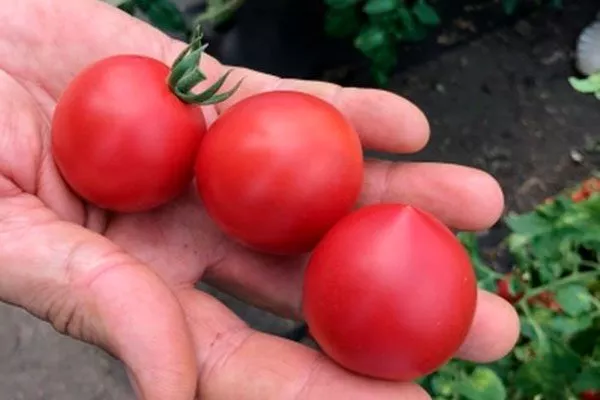
Features of vegetables:
- The fruits resemble cherry tomatoes in shape, with a firm texture and smooth surface. They are initially light green, but develop a beautiful pink hue as they ripen.
- The size of the tomatoes also corresponds to cherry tomatoes – their weight ranges from 30 to 35 g.
- Rose's flavour is impressive – its sweetness is harmoniously combined with a slight acidity, making it ideal for fresh consumption, canning, or making sauces.
Characteristics
The unique flavor of Rose tomatoes is preserved not only at the time of harvest, but also during the preparation of a variety of dishes – from salads to pastas and sauces.
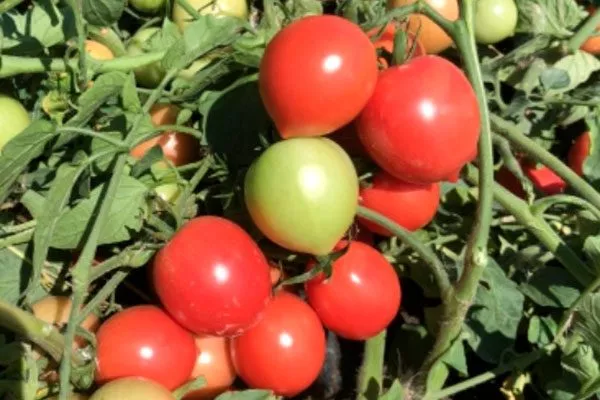
It takes 90-95 days from sowing the seeds to the time the first ripe fruits appear. This period includes seeding, growing the seedlings, and then transplanting them into the soil.
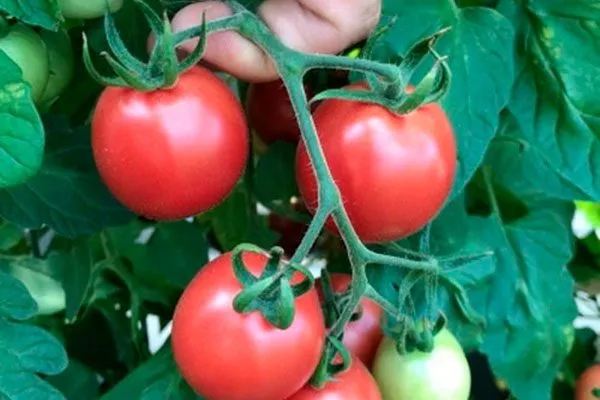
Other characteristic features:
- Productivity is considered excellent: in greenhouse conditions, up to 10-12 kg of fruit can be harvested from 1 square meter, and in open ground – up to 7-8 kg from the same area.
- The Rose variety exhibits high resistance to adverse weather conditions. The plant can withstand drought, heat, and temperature fluctuations.
- It is characterized by resistance to diseases such as verticillium wilt, tobacco mosaic virus and fusarium wilt, which guarantees plant health and high quality.
Useful properties of the variety
Lycopene, which gives the Rosa tomato its characteristic pink hue, is the fruit's key antioxidant. This component has high antioxidant activity, helping reduce the risk of heart and vascular disease, prevent blood clots, and lower cholesterol levels.
Tomato Rose is also rich in vitamins and microelements that have a beneficial effect on the immune system and metabolism. It is particularly rich in:
- vitamin C, which strengthens the immune system and protects against colds;
- Beta-carotene, which converts to vitamin A, is essential for maintaining healthy eyes and skin;
- The fiber present in the Rosé tomato helps regulate digestion and prevent constipation, reduce blood cholesterol and maintain optimal weight;
- potassium and magnesium, which are involved in the functioning of the cardiovascular system and maintaining stable blood pressure.
Research shows that regular consumption of rose tomatoes may help reduce the risk of cancer. The antioxidants found in this fruit can prevent DNA damage and reduce the likelihood of malignant tumors in various organs.
Growing
To maximize yield and ensure high-quality fruits, it's important to pay attention to plant cultivation. Consider the following key aspects:
- The distance between rows is 65-70 cm, and between plants – 30-35 cm, while it is recommended to plant a maximum of 4 plants per 1 square meter of land.
- Before planting Rose tomatoes, the soil must be thoroughly prepared. It should be light, rich in nutrients, and well-aerated. The soil pH should be between 6 and 6.5.
The bushes can grow in a variety of soil types, but thrive particularly well in light loam or sandy loam mixtures. Recommended soil-forming substrate composition:- sand – 20%;
- land – 30%;
- peat – 20%; compost – 30%.
Critical soil parameters for tomato Rose- ✓ The pH level must be strictly within 6-6.5 for optimal absorption of nutrients.
- ✓ The soil should contain at least 20% sand to ensure good drainage.
- Tomatoes love the sun, so the optimal amount of light is 11-12 hours a day.
- Sowing is carried out in containers with a capacity of 400-500 ml, which must be equipped with drainage holes.
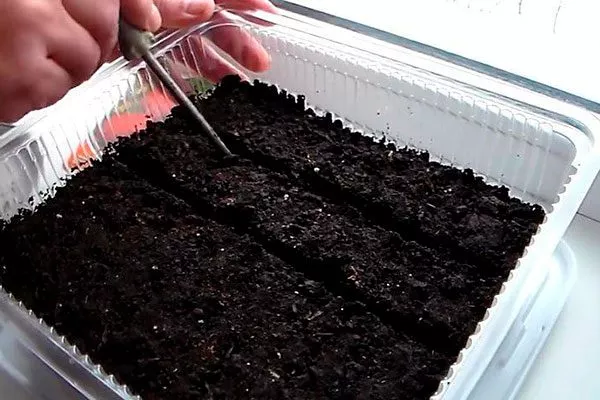
Sowing for seedlings is done as follows:
- Fill containers or individual cups with substrate.
- Lightly moisten the soil and make a mesh with 1-2 cm cells on the surface.
- After this, place the seeds at the intersections of the grid lines.
- Sprinkle with a layer of soil about 1 cm thick and moisten.
- To prevent drying out, cover the pot with film or glass.
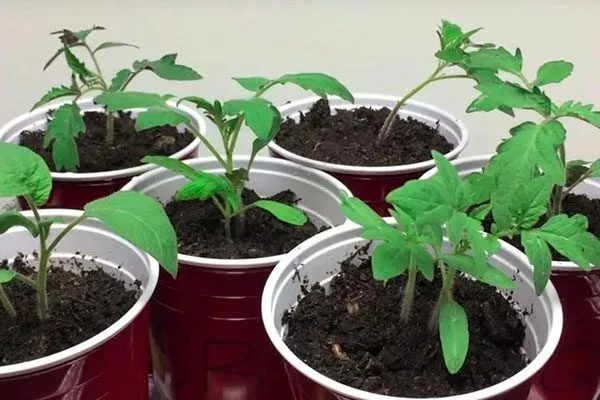
Growing requires following certain rules:
- Once the first shoots have formed, remove the covering and move the containers to a brighter location. The average temperature should be around 20 degrees Celsius.
- Water the plants 1-2 times a week. Use sprinkler irrigation.
Caring for the crop
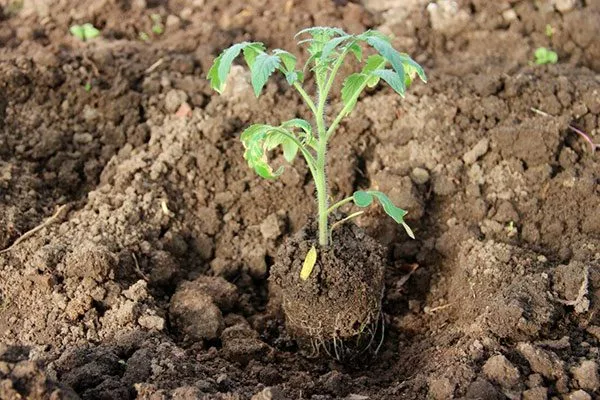
The variety is replanted using the standard method—with the root ball. Subsequent care also involves simple steps, but with consideration for the variety's requirements:
- Regular watering of the root zone is critical for Rose tomatoes. Avoid stagnant water. Pour the water carefully, avoiding contact with the leaves and stems. A common irrigation method is drip irrigation, with a frequency of once or twice a week, and at least three times a week during hot periods.
- Dew should be fed with organic or mineral fertilizers. Both compost and commercial fertilizers can be used for this purpose.
- It is equally important to take care of protecting plants from insect pests, using specialized chemicals or natural mixtures.
- It is necessary to carefully monitor the formation of flowering shoots and remove excess leaves to ensure proper air flow and lighting of the entire plant, which contributes to a larger harvest and high-quality fruits.
- The first feeding should be carried out 2 weeks after transplanting, using complex mineral fertilizer.
- The second feeding should be carried out during the flowering period, using fertilizers with a high content of phosphorus and potassium.
- The third feeding should be carried out during the fruiting period, using organic fertilizers.
Pros and cons
Advantages of the Rose tomato variety:
The disadvantages of the Rose variety include the fact that careful pruning of the bush is required to achieve the best yield and fruit quality. Furthermore, it is important to promptly remove excess leaves to prevent disease.
Reviews
The Rose tomato is a true favorite among the nightshade family, sure to please both gardeners and healthy eaters. This hybrid impresses not only with its taste but also with its appearance: each bush is abundantly covered with juicy, attractively beautiful fruits of uniform shape and size.