
The Roma tomato is a hybrid characterized by high disease resistance and low maintenance. It is ideal for both open-field and greenhouse cultivation. Its compact plants take up little space, and the fruits have an excellent flavor and a meaty texture, making them ideal for fresh salads and canning.
Origin and regionality
This variety is a modern folk-bred cultivar. It was developed through amateur selection in the 21st century, but the exact date of its appearance is unknown. It is not listed in the State Register of Breeding Achievements.
The predecessor is considered to be the Roma VF variety, developed in the 1950s in the American state of Maryland. It is from this variety that modern Roma, which has become widespread in Russia, originated.
The plant is grown in regions with warm and temperate climates, requiring good light and stable weather. The bushes thrive in the Russian Far East, southern Russia, the Urals, and Siberia. They are also cultivated in the Central and Volga regions.
Description of the bush and fruits
The plants are characterized by limited growth, reaching an average height of 60 cm, and up to 70-75 cm in warm climates. The bush is semi-spreading, with well-developed foliage. The stem is strong and vigorous, but despite its low growth, it requires support, as the fruits are quite heavy.
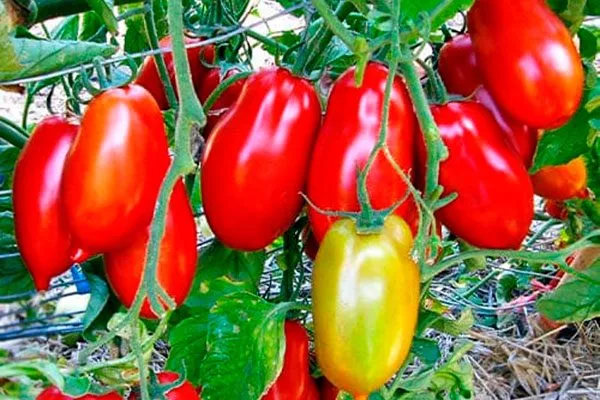
Distinguishing features:
- Leaves - Large, oblong, with pointed ends, a rich green hue and a matte texture. They are rough to the touch, with pronounced veins, especially on the underside. During prolonged drought, they can curl, and under scorching sun, they can turn yellow and fall off.
- Inflorescences – The flowers are simple, small, and light yellow. The bush usually stops growing after 2-3 inflorescences have formed. A single cluster produces 4 to 6 fruits.
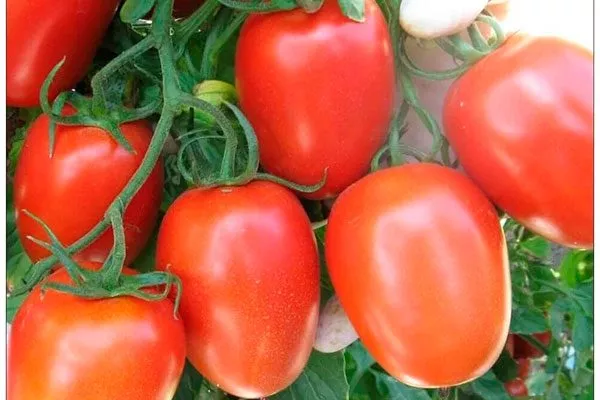
- Tomatoes - When ripe, the tomatoes are a rich red color and oval-cylindrical in shape. Light ribbing extends from the stem to the base. They weigh between 60 and 80 grams. The skin is thick and resistant to cracking, making them suitable for transportation and cooking.
Main characteristics
The mid-season American tomato Roma is a good choice for beginning gardeners with little to no experience growing tomatoes. This variety boasts high yields and disease resistance, making it easy to grow.
Purpose and taste
Tomatoes are ideal for eating fresh and making vegetable salads. They preserve well when canned and are used for winter preserves. They retain their firmness and flavor when frozen.
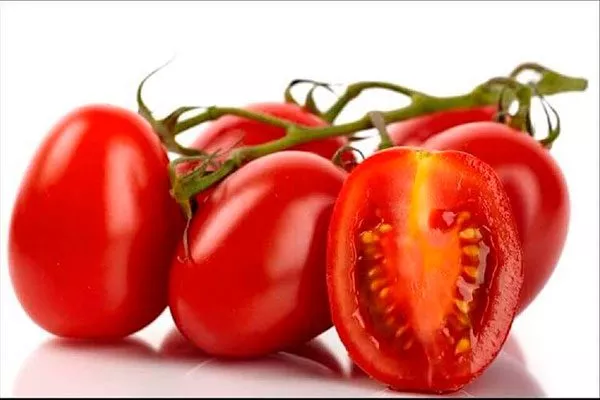
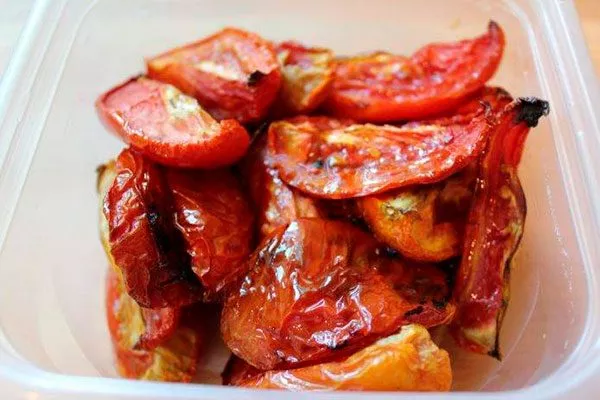
These vegetables withstand heat well, making them a popular addition to hot dishes, lecho, pastas, sauces, juices, and jams. They have a distinct sweet aftertaste and rich tomato aroma.
Productivity, ripening time
This mid-season hybrid variety takes about 115 days from germination for the fruit to fully ripen. Gardeners can harvest up to 7 kg of tomatoes per square meter.
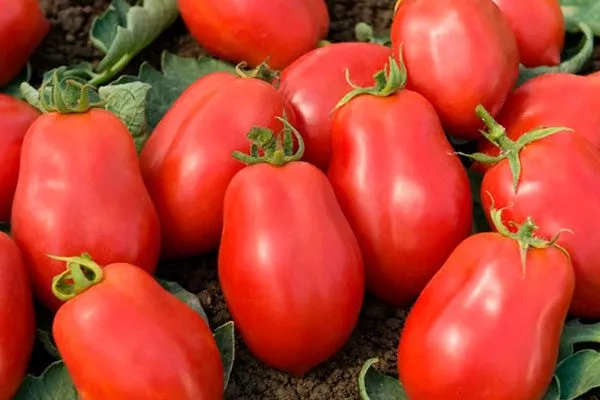
The harvest takes place in July and August, and thanks to the extended fruiting period, the tomatoes ripen gradually. These qualities make the variety suitable for small-lot market sales without significant losses.
Resistance to diseases and pests
The plant is resistant to adverse conditions, rarely gets sick, and is almost never attacked by pests. The bushes are almost immune to verticillium wilt and fusarium, and tolerate temperature fluctuations and short-term droughts well.
However, high humidity negatively impacts plants, increasing the risk of late blight. To prevent the disease, it's important to ensure proper growing conditions and carry out preventative fungicide treatments.
Agricultural cultivation techniques
Seeds for seedlings are sown 60-65 days before the planned transplanting into open ground or a greenhouse. Depending on the regional climate, sowing occurs in late February, early March, or mid-March.
- ✓ Optimum soil temperature for sowing seeds: 22-25°C.
- ✓ Required air humidity in the greenhouse: 60-70%.
Preparing seeds for sowing
To successfully grow tomato seedlings, it's important to properly process the planting material. Key steps:
- Calibration. Before sowing, select only healthy, large seeds. Place them in a salt solution (20 g of salt per 1 liter of water) and let them sit for 10-15 minutes. Empty or damaged seeds will float; do not use them.
- Disinfection. To prevent disease, treat the seeds with a weak solution of potassium permanganate (1-2%): soak for 20-30 minutes, then rinse under running water. This is necessary to kill any potential pathogens and improve germination.
- Hardening. To increase plant resistance to adverse conditions, place the seeds in a cool place for 1-2 days, and before sowing, warm them in warm water (45-50°C) for 15-20 minutes.
- Germination. Wrap the seeds in a damp cloth and leave them in a warm place until small roots appear. This will speed up the germination process.
After all the procedures, the seeds are ready for sowing. Plant them in individual containers or seedling trays, burying them in the soil to a depth of 1-1.5 cm. This preparation promotes good germination.
Sowing seeds
To ensure healthy and strong plants, follow these guidelines:
- Sow the seeds in soil consisting of a mixture of forest soil, humus, wood ash, and sand. If you're preparing the soil yourself, disinfect it first: water it with a hot solution of potassium permanganate—it effectively kills harmful microorganisms.
- You can use ready-made soil mixture for seedlings, which is sold in stores.
- If the soil is very dry, moisten it before planting.
- After cultivating, pour the soil into planting containers with drainage holes. Moisten and compact it lightly.
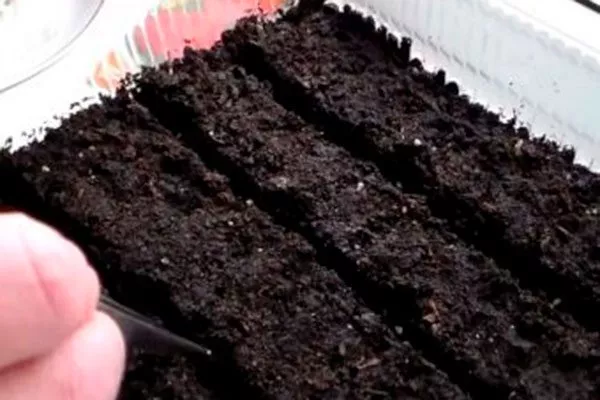
Make 1.5 cm deep holes in the soil, spaced about 5 cm apart. Place the seeds in the holes and cover with a thin layer of soil.
How to properly harden and transplant tomatoes?
Continue this process for 7 days. To do this, reduce the temperature in the room where the seedlings are growing to 9°C, using an air conditioner (if available). Alternatively, take the plants outside during the day:
- Start with short walks (5-10 minutes), gradually increasing the time in the fresh air until full daylight hours.
- When evening comes, be sure to return the seedlings indoors.
Use special wooden boxes for transplanting. As soon as the seedlings develop their first leaves, replant them. You can also use peat-humus pots. The minimum container size for one tomato plant is 1 liter. The distance between beds should be at least 10 cm, and between plants in a row, about 6 cm.
Planting seedlings in beds
Seedlings of this variety can be transplanted into any type of substrate, except heavy clay soils. For high yields, choose sandy loam or loamy soils, and the soil should be well-fertilized.
When planting seedlings, follow crop rotation rules. Plant vegetables:
- cabbage;
- onion;
- carrot;
- cucumbers;
- beans.
Avoid growing tomatoes near eggplants, physalis, potatoes, tobacco, or peppers. If the soil is clayey and heavy, improve it by adding 30 kg of coarse river sand (or 40 kg of peat moss) per square meter. For light, sandy soils, add 10 kg of well-rotted manure or compost.
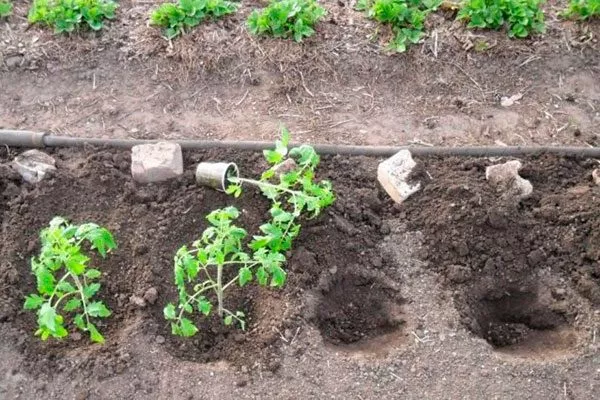
Carry out preparatory work 3 weeks before planting:
- Dig up the area and add 500 ml of ash and 60 g of superphosphate per 1 sq. m.
- The bed width should be 100 cm for planting seedlings in two rows. The distance between seedlings should be 40 cm, and between rows – 50 cm.
- 12 days before planting, treat the bed with copper sulfate to prevent infections: mix 25 g of the substance in 10 liters of water.
- After 3 days, carry out a secondary treatment of the soil with a concentrated manganese solution to disinfect and enrich the soil.
Control the planting density, leaving a distance of 50x40 cm between seedlings, which will allow the plants to develop without stress in a limited area.
Care
To obtain a good harvest, it's important to provide the crop with proper care. Caring for the bushes involves standard agricultural practices.
Watering
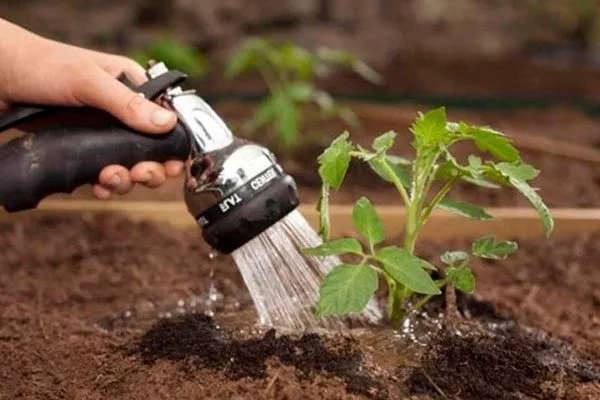
After planting in the ground and providing ample water, tomatoes need time to establish and develop roots—about 3-4 weeks. Follow these recommendations:
- Water the bushes regularly with warm water. Dig furrows on both sides of each row, 15-20 cm from the stems.
- For convenience, use drip irrigation systems.
Soil care
Frequently loosening the soil around plants helps improve airflow to the roots and prevents surface crusting. Loosen the soil gently to avoid damaging the root system.
Perform other activities:
- Weeding is equally important for removing weeds, which can shade plants and compete for nutrients. Pull weeds by hand to minimize damage.
- Mulching helps retain moisture, prevents weed growth, and maintains a stable soil temperature. Cover the soil with straw, compost, or peat. This process reduces the need for frequent watering and makes plant care easier.
Mulch provides additional nutrition for plants as it decomposes. It's important to regularly replace the material, especially after heavy rains.
Top dressing
To ensure high tomato productivity throughout the fruiting season, apply fertilizer. Follow this schedule:
- The first feeding should be nitrogen-based. Use homemade organic infusions of herbs, mullein, or chicken manure, or apply urea or ammonium nitrate (20-30 g per square meter).
- The second fertilizer should be potassium-phosphorus. Apply wood ash infusion or monopotassium phosphate (10-20 g per 1 sq. m).
- First feeding: 2 weeks after planting the seedlings, use nitrogen fertilizers.
- Second feeding: during the flowering period, use potassium-phosphorus fertilizers.
- Third feeding: during the fruiting period, use complex fertilizers.
Alternate fertilizers at intervals of 2-3 weeks.
Pinching out stepsons, shaping
These are important agricultural practices that contribute to improved yield and fruit quality. Side shoots are lateral shoots that form where the stem and leaves meet.
Follow these recommendations:
- To prevent the plant from wasting energy on unnecessary shoots, remove them regularly.
- Perform side-shooting as the bushes grow, cutting off all the side branches that appear before the first cluster.
- Train the plant into 1-2 stems: pinch off all but one or two side shoots, leaving them for further growth. This approach allows you to focus all your energy on developing the main stem and fruiting, which positively impacts yield.
Frequent removal of side shoots helps improve air circulation, reducing the risk of disease and allowing light and nutrients to reach the plant's core areas.
Diseases and pests
Immediately after transplanting the seedlings into the greenhouse or a week before, treat the Roma tomato bushes with fungicides to prevent late blight. The following products are suitable:
- Bordeaux mixture (0.5% solution);
- Fitosporin;
- Topaz;
- Speed.
After transferring to the greenhouse, regularly inspect the bushes for diseases and, if necessary, re-treat.
Roma tomatoes can be attacked by typical pests:
- aphid;
- thrips;
- spider mite;
- nematode;
- Colorado beetle.
To combat them, spray with insecticides:
- Aktara;
- Decis;
- Karbofos;
- Actellic;
- Biotlin.
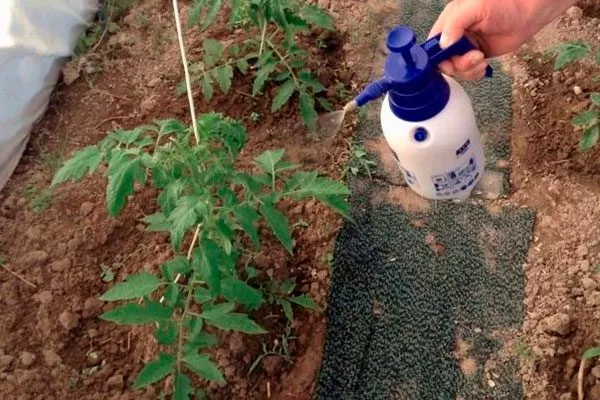
To avoid frequent use of chemicals, use folk remedies for treatment:
- a weak solution of mustard powder;
- shavings of laundry soap;
- baking soda;
- infusion of garlic or onion peel.
In open ground, spray bushes in dry, windless weather, preferably in the evening. To combat Colorado potato beetles, use potato bait: place chopped potato pieces in a jar and bury them near the plants.
Collection and storage
Begin harvesting in early August. For long-term storage, pick fruits that are just beginning to turn brown. If cold weather sets in, harvest and store in boxes for ripening. To speed up the ripening process, maintain temperatures between 22-25°C.
If you store tomatoes in the basement, check them regularly and remove any rotten or damaged ones. Under optimal conditions, tomatoes will stay fresh for 2-3 months.
Pros and cons
Roma has several significant advantages, making it a popular choice for gardeners. Among the hybrid's advantages are:
- good immune system – plants cope well with fungal and viral infections;
- compact bushes – do not take up much space in the garden bed;
- long period of fruit ripening – the harvest is collected throughout the season;
- low maintenance requirements – simple agricultural practices must be followed.
Despite the lack of obvious drawbacks, some vegetable growers note that the crop does not tolerate rainy summers with sharp temperature drops well. Under such conditions, yields decrease, and the plants are susceptible to disease.
Reviews
Roma is a variety that will meet the expectations of even novice gardeners. Disease resistance, good productivity, and excellent flavor make it indispensable for those who value ease of care. These tomatoes are eaten fresh and used for canning.