
The Rum tomato is an early and productive variety that combines excellent flavor and resistance to short-term drought. The tomatoes have a unique shape, are medium-weight, and are suitable for fresh eating, cooking, and preserving. Regular feeding is required for maximum yield.
Description of the bush and fruits
The plants grow up to 180 cm tall, possessing a strong and healthy structure with abundant foliage. The shoots are covered with large leaves with a typical tomato shape.
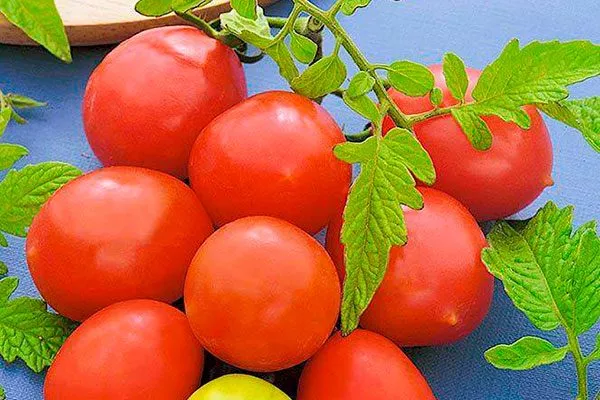
Main characteristics of tomatoes:
- configuration – round-cubic;
- weight - varies from 120 to 140 g;
- taste - juicy, sweet.
Vegetables are an excellent choice for preparing a variety of dishes. Rum tomatoes are well suited for pickling and canning.
Main characteristics
This rum is an ultra-early variety. It has many positive qualities:
- Tomatoes ripen in just 65 days from germination.
- The crop has excellent productivity – 15-17 kg of tomatoes can be harvested from 1 square meter, but only with proper agricultural practices.
- This variety is characterized by high resistance to common nightshade diseases—fusarium, verticillium wilt, cladosporiosis, and tobacco mosaic virus. Thanks to its strong immunity, tomatoes are less susceptible to pest attacks.
- The plants tolerate heat and short-term drought well, continuing to set fruit even at elevated temperatures.
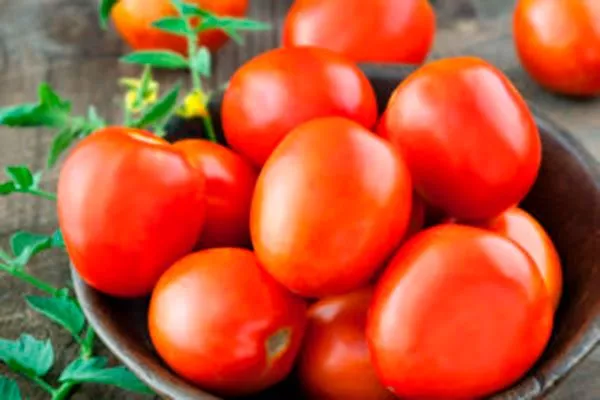
To get the maximum yield, it is recommended to water regularly and mulch the soil to retain moisture.
Growing and care
Start cultivating tomato seedlings 50-55 days before the planned transplanting. Pre-treat them with a solution of potassium permanganate or Fitosporin to protect them from fungal infections. Then wrap them in a damp cloth and keep them at 25-27°C until they sprout.
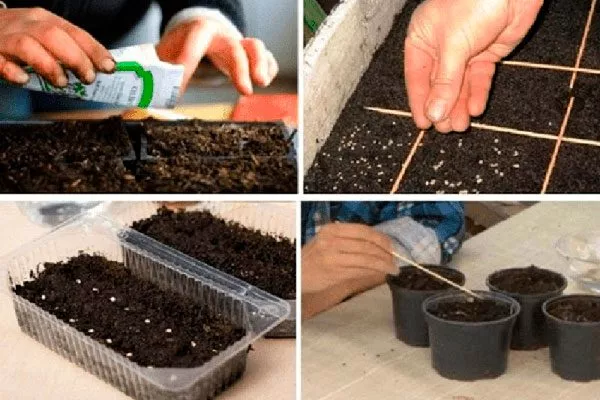
Follow these steps:
- Sow the seeds in moist soil to a depth of 1-1.5 cm and cover with film or glass.
- After the seedlings appear, remove the cover and reduce the temperature to +18…+20°C.
- Provide 12-14 hours of light. Use grow lights if necessary.
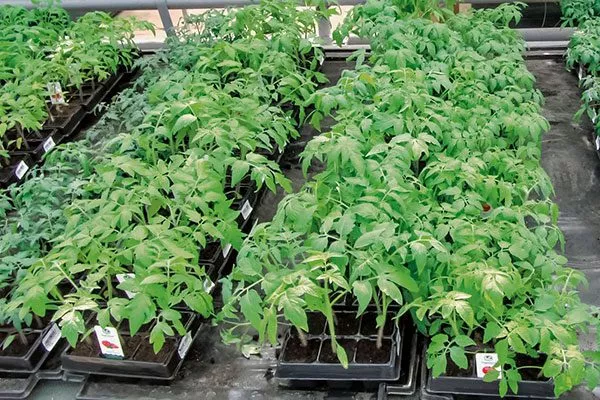
Seedlings require moderate watering and regular ventilation. When the seedlings have 2-3 true leaves, transplant them into individual 300-500 ml containers. Two weeks before planting, begin hardening off the seedlings:
- During the first days, take it out into the fresh air for 1-2 hours.
- Gradually increase the time, reducing the night temperature in the room to +14…+16°C.
Transplant the seedlings into the ground when temperatures consistently exceed 12°C. Space no more than 3-4 plants per square meter. Add humus and wood ash to each hole. After planting, water with warm water and provide temporary shade.
- ✓ The optimal soil temperature for planting seedlings should be at least +12°C, which is critical for preventing stress in plants.
- ✓ The distance between bushes when planting should be at least 50 cm to ensure sufficient space for growth and ventilation.
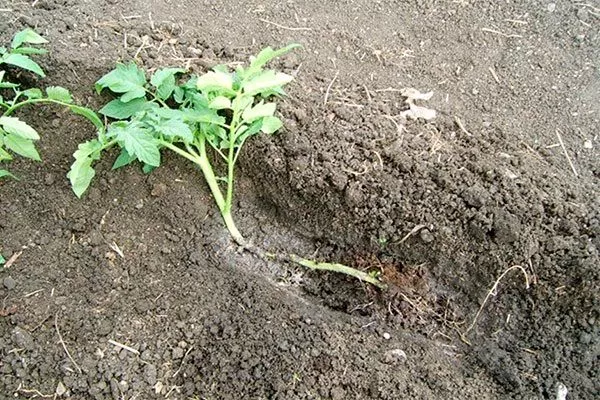
Regular care ensures optimal conditions for plant growth and fruiting. To ensure a consistent harvest, follow standard agricultural practices:
- Watering. Moisten the tomato plants with warm, settled water at the roots, avoiding contact with the leaves. On hot days, water the soil 2-3 times a week; in cool weather, water as the top layer of soil dries out.
- Top dressing. Apply fertilizer several times per season. Use nitrogen-rich fertilizers at the beginning of growth, and phosphorus-potassium fertilizers during flowering and fruiting.
- Mulching. Cover the soil with straw, humus, or peat. This will help retain moisture and prevent weed growth.
- Loosening and weeding. After watering, loosen the soil to ensure oxygen reaches the roots. Remove weeds to prevent them from stealing nutrients.
- Pinching and shaping. Remove side shoots, leaving 1-2 main stems. At the end of the season, pinch off the tops to ensure all the energy is focused on ripening the fruit.
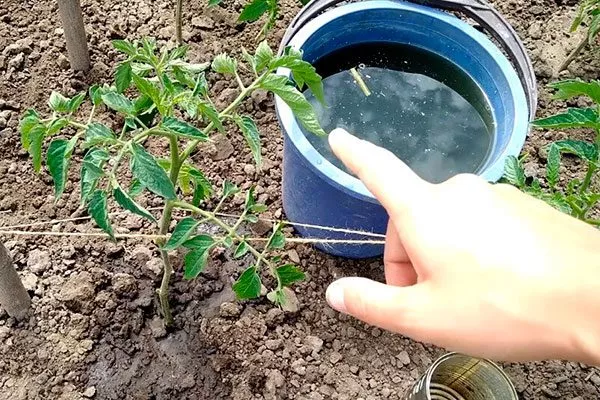
Prevention and treatment of diseases
Despite the Rum variety's good resistance to various diseases, it's important to monitor the condition of the bushes and implement timely preventative measures. Tomatoes can be affected by both fungal infections and insect pests.
To preserve the harvest and prevent losses, monitor the crop closely:
| Disease/Pest | Signs | Treatment |
| Late blight | Darkening and rotting of leaves, stems and fruits. | Use of fungicides – Oxyhom or Topaz. |
| Powdery mildew | Whitish coating on green mass and branches, yellowing. | Treatment with sulfur-containing preparations, such as Sulphur. |
| Mealyworms | Yellow spots on leaves, appearance of caterpillars. | Use insecticides. Actellic is effective. |
| Spider mite | White spots on the leaves, presence of thin webbing on the plant. | Spraying with acaricides - Fitoverm or Actellic. |
| Colorado beetle | The leaves are damaged and holes are forming on them. | Hand-picking beetles, using insecticides. Confidor will help. |
To minimize the risk of disease and pests, follow a few simple but effective preventative measures:
- Use healthy planting material to avoid infection from the start.
- Regularly treat plants with biological preparations or natural infusions to reduce the likelihood of fungal infections and parasites.
- At the first signs of disease, remove affected leaves and parts of bushes to prevent the spread of the pathogen.
- Ensure proper crop rotation; do not grow tomatoes in the same place for several years in a row.
- Before planting, treat greenhouses and beds with disinfectants.
- Maintain an optimal watering and humidity regime, avoid overwatering, which promotes the development of fungi.
Pros and cons
Before growing seedlings, carefully study the variety's characteristics—its advantages and disadvantages. The crop has many advantages:
The variety has no significant drawbacks, but some gardeners consider the need for regular fertilizing a disadvantage.
Reviews
Rum is a reliable choice for those seeking an early, high-quality harvest. These tomatoes are juicy, sweet, and versatile. Resistance to disease and adverse conditions makes this variety suitable for both open field and greenhouse cultivation. With proper cultivation practices, the bushes produce fruit reliably.