
Rio Grande tomatoes will appeal to lovers of fresh salads and preserves. These red, cube-shaped tomatoes are suitable for long-distance transport. They are resistant to cracking and remain fresh for a long time after harvest. The compact plants fit comfortably in small spaces. They require little care, making them suitable for gardeners with minimal experience.
Origin and regionality
Developed by United Genetics (USA), it arrived in Russia via Italy. Despite its widespread popularity among farmers and gardeners, it has not yet been included in the State Register.
This plant is prized for its attractive commercial appearance, ornamental qualities, and compact size. Suitable for both open and closed soil, it is successfully cultivated in various regions of Russia. It can also be grown on balconies and loggias.
Description of the bush and fruits
The plant is compact, medium-sized, determinate, reaching 1 m in height, but with proper care it usually grows to 65-70 cm. Distinguishing characteristics:
- The sparse foliage promotes the formation of numerous clusters, abundantly strewn with fruits, which ripen evenly, without the need for frequent picking.
- The leaves are standard green in color and medium in size.
- Side shoots develop moderately, so the variety requires little side shoot pruning. However, due to the abundance of vegetables, the bush requires staking and support to prevent lodging and damage to the crop.
- The first flowers appear after the sixth leaf, then every three subsequent leaves. In their place, clusters of 8-12 tomatoes form.
- ✓ Weak foliage promotes the formation of numerous brushes.
- ✓ Lateral shoots develop moderately, requiring minor pinching.
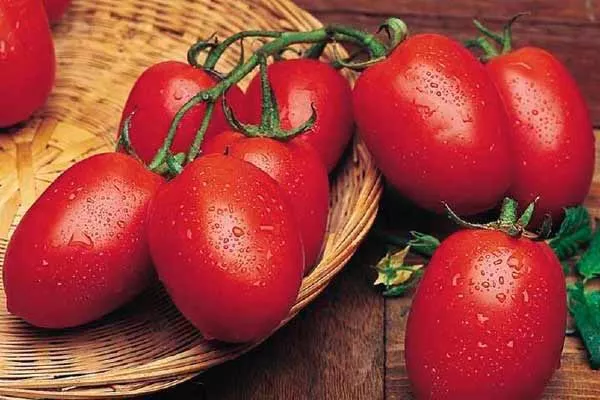
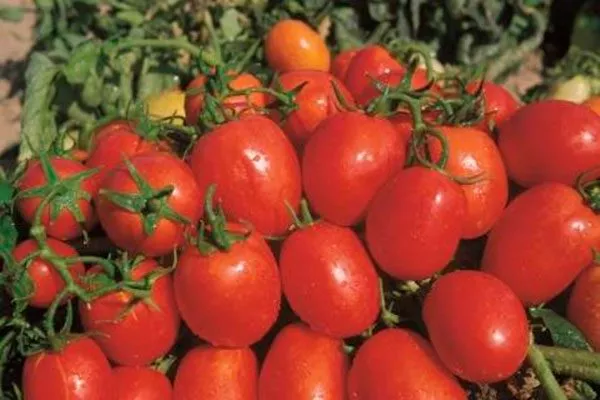
The tomatoes are uniformly colored, without ribbing or spots near the stem, deep red, and calibrated. Weight ranges from 100 to 110 g.
Main characteristics
This variety possesses numerous valuable qualities. The bushes adapt well to various conditions and produce consistent results.
Productivity, ripening time
This variety has not undergone official testing in Russia. However, its productivity is confirmed by numerous reviews from gardeners who regularly grow plum tomatoes.
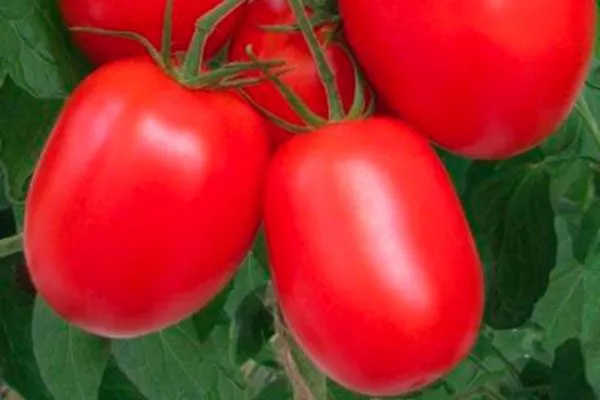
Features of Rio Grande:
- The name translates as "great river," referring to the abundance of fruits that resemble powerful streams of water.
- Even without care and watering, you can harvest up to 5 kg per bush, and with proper agricultural practices, the yield reaches 12 kg in a greenhouse and 8-10 kg in open ground. These are impressive figures.
- An additional benefit is that tomatoes ripen evenly on each bunch, eliminating the need for daily picking.
- Thanks to the strong stem, the tomatoes do not fall off.
Areas of use of fruits
The dense flesh has a balanced sweet and sour flavor, and the slight tartness adds a piquant note that's barely noticeable in winter preserves. In regions with a short warm season, the vegetables, before they've fully ripened, are used for preserves.
Rio Grande is versatile:
- Suitable for salting and pickling whole due to their convenient shape and size;
- They retain their beneficial components during processing, making them an excellent choice for canned vegetables;
- They are good fresh – in salads, appetizers and other dishes.
Tomatoes can be stored until winter if they are picked at the milky stage of ripeness and ripened indoors.
The procedure for planting using seedlings
Growing crops from seedlings allows for an early and abundant harvest, especially in regions with short summers. This method gives plants a head start, allowing them to develop in optimal conditions before being transplanted into the ground. For successful results, it's important to follow clear guidelines.
- ✓ Optimum soil temperature for planting seeds: +22…+25°C.
- ✓ Distance between plants when planting in open ground: 40-50 cm.
Selection of seeds, preparatory work
Choose trusted producers, taking into account the varietal characteristics and climatic conditions of the region. Pre-treat the planting material:
- Select quality seeds: place them in a salt solution (20 g of salt per 1 liter of water) and leave for 5-10 minutes. The bad seeds will float to the surface; remove them. Rinse the good seeds with clean water.
- To disinfect, soak in a weak solution of potassium permanganate (1 g per 1 liter of water) for 20-30 minutes to prevent diseases.
- Harden the seeds to better adapt to external conditions: place them in the refrigerator for 2-3 days. This stimulates their growth and development, increasing their resistance to temperature fluctuations.
- To speed up germination, spray the seeds and place them between layers of damp cloth or in a tray with soaked cotton wool. Once small roots appear, you can begin planting them in prepared containers.
- Soak the planting material in warm water (about 30-40°C) for 12-24 hours to speed up germination.
- To improve germination, treat the seeds with growth stimulants, which will help boost the plants' immunity. Epin and Zircon are effective.
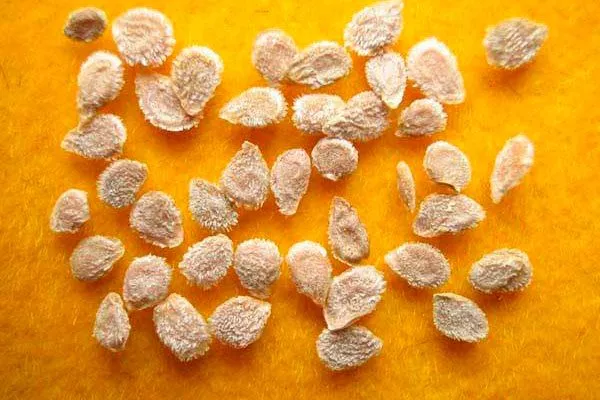
Sowing seeds
Sow the seeds in prepared containers with moist soil, planting them 1-1.5 cm deep. The optimal distance between them is 2-3 cm, so that the seedlings have enough space to develop.
Follow these steps:
- Moisten the soil with a spray bottle.
- Cover the containers with film or glass to create a greenhouse effect.
- Place the containers in a warm place with a temperature of +22…+25°C.
Once the seedlings emerge, remove the cover and provide the seedlings with good lighting.
Growing in a greenhouse
Plant the grown seedlings in a greenhouse or hotbed – place no more than 4 bushes per 1 square meter. Follow these recommendations:
- Choose a site with loamy soil that is well-drained.
- Prepare the site in advance, two weeks before transplanting. The optimal age for seedlings is 1.5 months.
- In the cultivated beds, make holes and add humus or mineral fertilizer to each hole. Leave about 30 cm between holes, and up to 70 cm between rows.
- Carefully place the seedlings into the holes, straighten the roots and cover with soil.
- The final stage is abundant watering.
Transplantation into open ground
To help Rio Grande tomatoes adapt faster, prepare them in advance. Harden off the seedlings 12-15 days before transplanting them to the garden by placing them on the balcony or outside for 4-5 hours daily.
Choose a level, well-lit area protected from drafts. Avoid areas with a high water table, as excess moisture can cause root rot.
Landing algorithm:
- In autumn, dig deep and loosen the soil.
- Apply organic or mineral fertilizer, water thoroughly, and leave the beds until spring. Loosen the soil again.
- Start the event when the ground warms up to +13°C.
- Prepare holes with an interval of 40-50 cm between them.
- Carefully lower the seedlings into the holes, straighten the roots, sprinkle with soil, compact lightly and moisten generously.
Growing without seedlings
In warm climates, tomatoes are often grown by direct seeding. The planting rate is 250-400 seeds per 1 are, and in unirrigated areas, up to 500 seeds per 1 are.
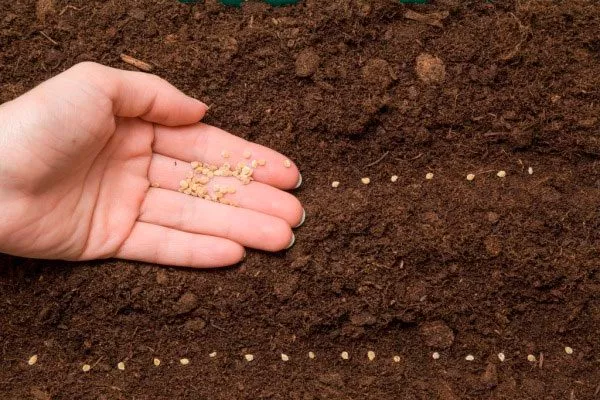
Follow these steps:
- Sow the seeds in the soil when it warms up to 12-13°C. Place 3-4 seeds in each prepared hole, then cover with soil and water.
- Remove or transplant weak seedlings. If temperatures drop below 12°C, cover the bed with plastic film.
The bushes are sparsely foliated and don't require pinching. Due to their compact size, the plants usually don't need staking, but during fruiting, make sure the tomatoes don't touch the ground. If clusters with many fruits are leaning significantly, secure them to prevent rot.
Care Features
Proper care is the key to a good harvest. The Rio Grande variety requires simple agricultural recommendations that will further strengthen the plant's immunity.
Watering tomatoes
Provide the plant with moderate moisture: both too little and too much moisture can cause problems. This can lead to root rot, disease, and even death.
In a greenhouse, water 1-2 times a week, maintaining soil moisture at 90% and air humidity at around 50%. Use 5 liters of water per plant. Water in the morning or evening, avoiding dripping on the leaves during hot sunny hours to prevent scorching.
Use warm, settled water. Although drought-tolerant, proper watering is important for healthy plants. Water tomatoes when planting seedlings and 10 days after the first watering. Then, follow this schedule:
- during active growth – twice a week, 3 liters;
- during the flowering period – once every 7 days, 5 liters;
- at the stage of fruit formation – 2 times a week, 3-4 liters.
Fertilization
Tomatoes require regular feeding for vigorous growth. Apply fertilizer during the following periods:
- 14 days after planting in a permanent location;
- after 2 weeks;
- during the formation of buds;
- at the fruiting stage.
Apply mineral nutrients at all stages. Phosphorus and potassium promote plant growth and improve the flavor of vegetables. Wood ash is a good alternative.
Before fruit set, spray with a urea solution (20 ml per 10 liters of water). After tomatoes have formed, treat with potassium sulfate or nitrate (20 ml per 10 liters of liquid).
Mulching the garden bed, weeding and loosening the soil
Immediately after transplanting the seedlings, mulch the area to conserve soil moisture, reduce the frequency of watering, and reduce weeding. Rio Grande prefers loose soil, so regular aeration (every 10-15 days) is necessary to maintain optimal conditions.
Remove weeds while cultivating. The cultivation depth should be at least 5-7 cm. After the first or second weeding, hill up the bushes – this will improve productivity.
Mistakes in care
Many gardeners make mistakes in their agricultural practices, which can negatively impact yields. Among the most common are:
- Overfeeding with fertilizers, especially nitrogen ones. This leads to excessive growth of tops and reduced fruiting.
- Dense plantings. This increases the risk of developing fungal diseases.
- Pruning shoots to form a bush. This is not a mandatory procedure for this variety. It may negatively impact tomato yield.
Avoid planting the crop next to peas or potatoes, as they are incompatible and may worsen growing conditions.
Protection from diseases and pests
The bushes' strong immune system helps them combat most challenges, but preventative measures remain important. Follow these recommendations:
- When growing in a greenhouse, change the soil annually, removing a layer at least 25-30 cm thick. Ensure good ventilation.
- For open beds, before planting seedlings, spray the soil with boiling water or a weak solution of potassium permanganate.
- After planting the seedlings, regularly carry out preventative treatments with biological preparations, such as Fitosporin, or folk remedies to protect against fungi and parasites.
The following diseases pose the greatest threat to the crop:
- late blight;
- gray and white rot;
- mosaic.
Fungal infections and viruses usually attack weakened plants, so maintaining a proper fertilizing schedule is crucial. Avoid both under- and over-fertilization. Tomatoes can be attacked by insects such as mole crickets, Colorado potato beetles, slugs, and aphids.
To prevent pests, thoroughly remove plant debris in the fall, as this could be a potential wintering ground for pests. Before frost, dig up the soil to destroy pest nests. In the spring, plant pest-repellent plants such as marigolds, marigolds, and oregano. Treat with insecticides before flowering.
Collection and storage
Pick tomatoes from the vines as early as July, when they reach full ripeness. Harvest at different stages of ripening:
- in summer and early September, pick fully ripe vegetables;
- In late autumn, collect fruits that are in the technical ripeness phase - they will ripen at room temperature without losing their taste or appearance.
The harvest is well stored in dry, cool places for up to 2.5-3 months.
Similar varieties
Rio Grande has several similar varieties—the bushes are low, and the tomatoes are red and plum-shaped. Popular varieties include:
| Name | Description and characteristics |
| Amulet | The plants are compact and low-growing, reaching a height of 68-70 cm. They have prominent foliage and moderate branching. Each vegetable weighs 80-100 g.
It belongs to the mid-season varieties, since the fruits ripen in 110-120 days, but due to the uniform fruiting, the first harvest is collected already at the beginning of summer. It boasts high marketability—up to 90-92% of ripe tomatoes are marketable. Productivity ranges from 235 to 361 centners per hectare. |
| King of the Market 2 F1 | The bushes are quite tall, with dense green foliage. The fruits are elongated, deep red, and large—about 140 g. Each tomato contains 4 to 5 seed chambers.
It is characterized by good productivity, yielding from 10 to 12 kg per 1 square meter. The crop is grown in regions with a mild and warm climate. |
| Large plum | It forms compact bushes 35-60 cm tall. The fruits are easy to transport and weigh 70-90 g. Their shape is slightly pointed, reminiscent of a plum. As they ripen, they change color from light green to orange-red.
The flavor is moderately sweet, without being overly watery. The flesh is juicy and firm, and the skin is thick, increasing resistance to cracking. This mid-early variety ripens 100-110 days after germination. Yields are high, reaching 7-10 kg per square meter. |
| Nasko-2000 | Plum tomatoes are suitable for both hand and machine harvesting. They are well adapted to open ground, require virtually no maintenance, and produce consistently even in hot, dry summers. They ripen in 110 days. |
| Yaki F1 | Mature bushes reach a height of 60-80 cm and have a strong stem frame with rich green, medium-sized leaves.
The tomatoes are elongated with rounded edges. When ripe, they turn bright red, with no green spot near the stem. They weigh between 106 and 120 grams. Ripening begins 74-78 days after planting the seedlings or 1.5 months after sowing the seeds. The harvest is in July-August. This highly productive hybrid is characterized by uniform fruiting, yielding 6 to 9 kg of tomatoes per square meter. |
Pros and cons
Rio Grande is a variety with many advantages, but it's important to consider its downsides as well. Its advantages include:
This variety has one drawback. Some gardeners believe the fruit is not well suited for juice processing due to the low yield of the final product.
Reviews
Rio Grande is a versatile tomato variety suitable for both open-field and greenhouse cultivation. Its high resistance to external influences and excellent shelf life ensure a consistent harvest. Its low maintenance and excellent characteristics make it ideal for both novice and experienced gardeners.